Is There a Lawsuit Against Perdue Chicken? Current Status & Consumer Info
Quick Guide
So you're standing in the grocery store, looking at the chicken, and you see the Perdue brand. Maybe you've bought it for years. Then a thought pops into your head, sparked by something you saw online or heard from a friend: is there a lawsuit against Perdue chicken? It's a fair question. In today's world, where food labels make all sorts of promises, it's smart to wonder what's really going on behind the packaging.
Let's cut right to the chase. Yes, there is currently an active lawsuit against Perdue. But it's not just one, and they aren't all about the same thing. The most recent one making headlines is a class-action lawsuit filed in early 2024. But to understand the full picture, you have to look back. Perdue Farms, as a massive player in the poultry industry, has been no stranger to legal challenges over the years. These range from how they treat their chickens (and their workers) to the very words they put on their labels.
I've spent a good chunk of time digging through court documents, news archives, and consumer reports to pull this together. What you'll find here isn't just a yes-or-no answer. It's a breakdown of what the lawsuits are about, why they matter to you as a shopper, and what the heck words like "humanely raised" or "no antibiotics ever" actually mean in a legal sense. Honestly, some of the details are frustrating. You try to make a good choice, and then you find out the language is fuzzy at best.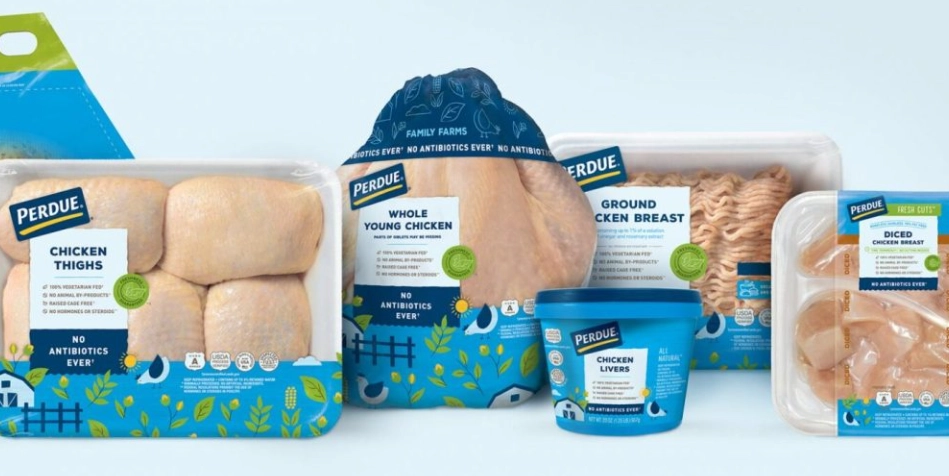
The 2024 Lawsuit: "Humanely Raised" Under Fire
This is the big one right now. In February 2024, a proposed class-action lawsuit was filed against Perdue in a New York federal court. The core accusation? That Perdue is misleading consumers with its "Humanely Raised" marketing.
The plaintiffs argue that chickens sold under this label are raised in conditions that contradict what a reasonable person would consider "humane." The complaint points to industry-standard practices that are common in large-scale poultry farming but that animal welfare advocates have long criticized. We're talking about things like:
- Extremely high stocking densities (too many birds in too little space).
- The use of fast-growing bird breeds that can suffer from leg disorders and heart problems.
- Routine practices like beak trimming, which the lawsuit claims is at odds with a "humane" claim.
This lawsuit is seeking monetary damages for people who bought the chicken, believing the "Humanely Raised" claim. It's asking the court to make Perdue stop using the label or change its practices. As of right now, this case is in its early stages. Perdue has filed a motion to dismiss, which is pretty standard. They argue their practices meet recognized animal welfare standards and that their claims are truthful.
It makes you think. When you pay a premium for something labeled "humanely raised," what are you actually paying for? A slightly better life for the chicken, or just a better feeling for yourself? The lawsuit argues it's the latter, if the conditions don't match the expectation.
A History of Legal Challenges: Perdue in the Courtroom
To answer "is there a lawsuit against perdue chicken?" fully, you can't ignore history. The 2024 case didn't come out of nowhere. Perdue has faced legal scrutiny for decades. It's part of being a giant in an industry with complex supply chains, labor issues, and evolving consumer demands.
Here’s a table breaking down some of the most significant legal cases involving Perdue Farms over the years. It gives you a sense of the scope.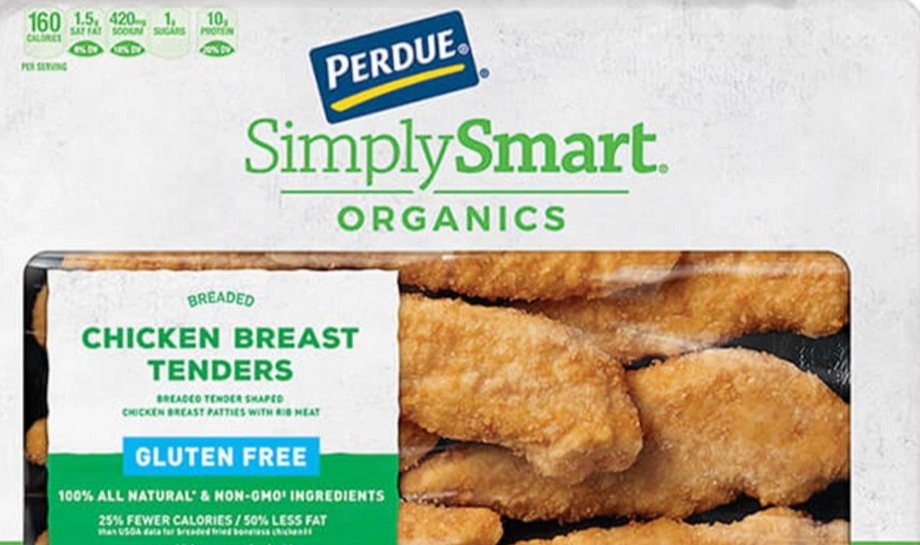
| Case Focus | General Timeframe / Status | Core Allegation | Outcome / Significance |
|---|---|---|---|
| Worker Safety & Wages | 2000s - Ongoing | Allegations of unsafe working conditions in processing plants, wage disputes, and issues related to line speed. | Multiple settlements with OSHA and the Department of Labor. These cases highlight the challenging labor environment in meat processing. The U.S. Department of Labor often publishes findings on such matters. |
| "No Antibiotics Ever" Marketing | 2017 | A lawsuit claimed trace amounts of antibiotics were found in some "No Antibiotics Ever" products. | The case was dismissed, but it fueled public debate about the integrity of antibiotic-free labels and testing protocols. |
| Environmental Impact | 1990s - 2000s | Lawsuits from environmental groups and communities concerning water pollution from farm runoff and processing waste. | Led to settlements and agreements to improve waste management practices. These are often tracked by the Environmental Protection Agency. |
| Price-Fixing Allegations | Part of a wider 2016+ industry saga | Perdue was named, among other major poultry producers, in sprawling class-action lawsuits alleging industry-wide collusion to inflate chicken prices. | Perdue agreed to a $12.75 million settlement in one of these cases in 2021, while denying wrongdoing. Court documents are available via the PACER system. |
| Animal Welfare (Pre-2024) | 2016 | A similar "humane" marketing lawsuit was filed by the Organic Consumers Association. | Dismissed in 2017. The judge ruled the plaintiffs didn't prove they were misled. This shows the 2024 case is following a well-trodden, though difficult, legal path. |
Looking at this, a pattern emerges. Many of the lawsuits against Perdue—and the industry at large—revolve around three things: how workers are treated, how animals are raised, and how products are marketed to you and me.
The price-fixing one really got me. You think you're just dealing with inflation or supply chain stuff, and then you find out there might have been actual coordination to keep prices high. Perdue's settlement was a drop in the bucket compared to some others, but it makes you wonder what you've been overpaying for years.
What Do These Lawsuits Mean for You, the Consumer?
This is the part most people searching "is there a lawsuit against perdue chicken?" really care about. Is the chicken safe? Should I stop buying it? Can I get some money back?
Food Safety vs. Marketing Lawsuits
First, let's be super clear. The current major lawsuit, and most of the historical ones listed, are not about the chicken making people sick. They are not Salmonella or contamination outbreaks. Those are handled by the USDA and CDC, and when they happen, they are publicized with specific product recalls. The lawsuits we're discussing are primarily civil cases about business practices and advertising claims.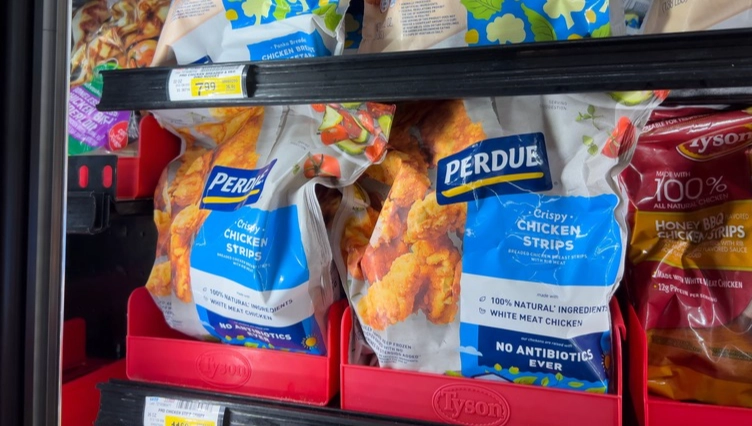
The "Humanely Raised" Gray Area
This is the murkiest part. There is no single, federally enforced definition of "humanely raised" for chickens in the U.S. Unlike the term "organic," which has a strict USDA standard, "humane" is open to interpretation.
Perdue likely follows one of several private animal welfare certification standards. The lawsuit argues that even meeting these certified standards doesn't live up to the common-sense meaning of the word "humane" as advertised to consumers. It's a battle over semantics with your grocery dollars at stake.
So, what can you do?
- Get Skeptical of Vague Claims: Words like "natural," "humanely raised," and even "craft" are largely marketing terms. They sound good but have little legal backbone.
- Look for Specific Certifications: If animal welfare is important to you, look for specific, third-party seals like "Global Animal Partnership (GAP) Certified" or "Animal Welfare Approved." These have published standards you can look up.
- Understand "No Antibiotics Ever": This is a stronger claim. The USDA does verify antibiotic-free claims through testing. The 2017 lawsuit questioned the reliability of that testing, but the label itself is more regulated than "humane."
I've personally switched to looking for those specific certification logos. It's more work, but it feels less like I'm being sold a story.
Frequently Asked Questions (What People Really Want to Know)
Let's tackle the common questions that swirl around when people hear about a Perdue chicken lawsuit.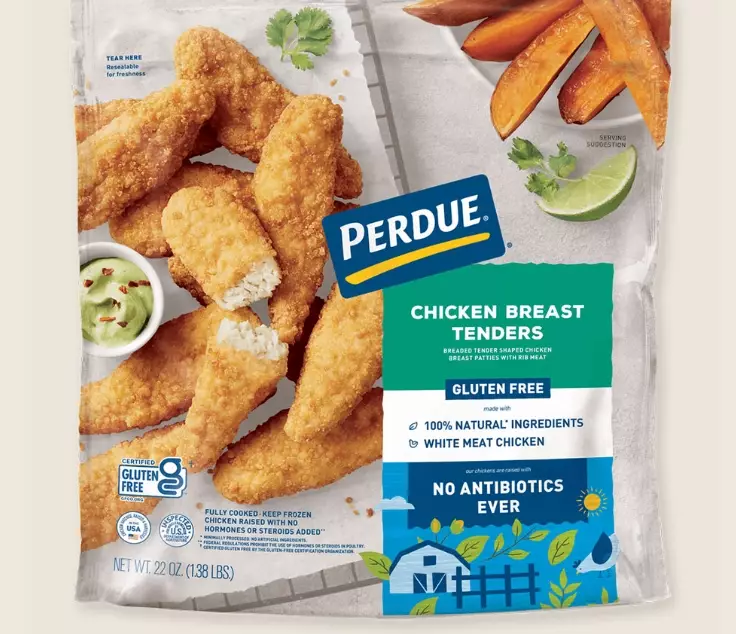
Is there a current, active lawsuit against Perdue I should be aware of?
Yes. As detailed above, the class-action lawsuit filed in February 2024 over the "Humanely Raised" marketing claim is active and ongoing. It is the most recent and relevant case for consumers today.
If I bought Perdue "Humanely Raised" chicken, can I join the lawsuit or get a refund?
Not right now. It's a proposed class action. If the case settles or goes to trial and wins, the court will define a "class"—usually people who bought the product in a certain timeframe in specific states. There would then be a process to file a claim. We're months, if not years, away from that possibility. You can't get a refund just because the lawsuit exists.
Does this mean Perdue chicken is bad or unsafe to eat?
From a food safety standpoint, the lawsuits discussed here do not allege immediate safety hazards like bacterial contamination. The chicken is subject to the same USDA inspection as all chicken sold in the U.S. The lawsuits challenge Perdue's business and marketing practices, not the basic safety of the product for consumption.
Has Perdue ever had a major recall or sickness outbreak?
Like every major poultry producer, Perdue has had recalls. For example, in 2011, they had a large recall for potential Salmonella contamination. These are operational incidents, not typically the subject of long-term class-action lawsuits. You can search recall data on the USDA Food Safety and Inspection Service website for any brand.
What is Perdue's response to all this?
Perdue, like any large corporation facing litigation, generally denies wrongdoing. In public statements and court filings, they defend their practices. They state that their "Humanely Raised" standards are meaningful and verified, and that they comply with all relevant laws. They frame the lawsuits as opportunistic or based on a misunderstanding of modern farming.
My take? I find the corporate defense a bit thin sometimes. Saying "we meet the industry standard" isn't very comforting when the lawsuit is arguing the industry standard isn't good enough. It feels like they're talking past the real consumer concern.
How to Make Informed Choices at the Store
Knowing all this, what's a shopper to do? Throwing your hands up and buying the cheapest option is one path, but if you cared enough to ask "is there a lawsuit against perdue chicken?", you probably want to make a conscious choice.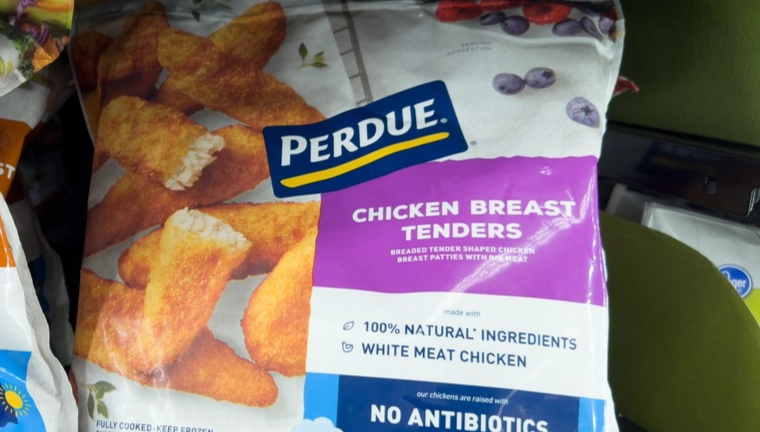
Here’s a practical list, born from my own confusion at the meat counter:
- Decide Your Priority: Is it price, animal welfare, no antibiotics, organic, or local? You can't optimize for everything unless you have a huge budget.
- Decode the Labels Relentlessly:
- USDA Organic: Means something specific (no antibiotics, organic feed, some outdoor access requirements). It's a regulated label.
- No Antibiotics Ever / Raised Without Antibiotics: Also a USDA-verified claim. A strong choice if avoiding antibiotic use in animals is your goal.
- Humanely Raised / Animal Welfare: Be skeptical. Look for a specific certifying organization's logo (GAP, AWA, etc.). The word alone is nearly meaningless.
- Natural: Means minimally processed, no artificial ingredients. Says nothing about how the animal was raised.
- Consider the Source: Local, smaller farms at farmers' markets often have more transparent practices. You can literally ask the farmer how the birds are raised. It's more expensive, but the information clarity is unmatched.
- Use Reliable Resources: Don't just rely on the package. Groups like the ASPCA have shopping guides that rate welfare claims. The USDA website explains what its labels mean.
I've started buying less chicken, but buying better quality when I do. It feels like the only way to vote with my wallet against practices I don't agree with.
The Bigger Picture: Lawsuits as a Mirror
When we ask, "is there a lawsuit against perdue chicken?" we're often asking a smaller version of a much bigger question: Can I trust what big food companies tell me?
These lawsuits are a symptom of a disconnect between mass-scale agricultural production and the values modern consumers want to see reflected in their food. We want animals treated well, workers treated fairly, and labels that tell the truth. The industrial system, built on efficiency and low cost, often struggles to meet those expectations genuinely.
Lawsuits are one tool to force accountability. They can lead to changed practices, clearer labeling, and financial penalties. The price-fixing settlements, for instance, put money back in consumers' pockets (however small the amount per person) and sent a message to the industry.
But they're a slow, blunt instrument. They happen years after the fact. The real power for change lies in informed consumers making daily choices and supporting regulations that create clearer rules for everyone.
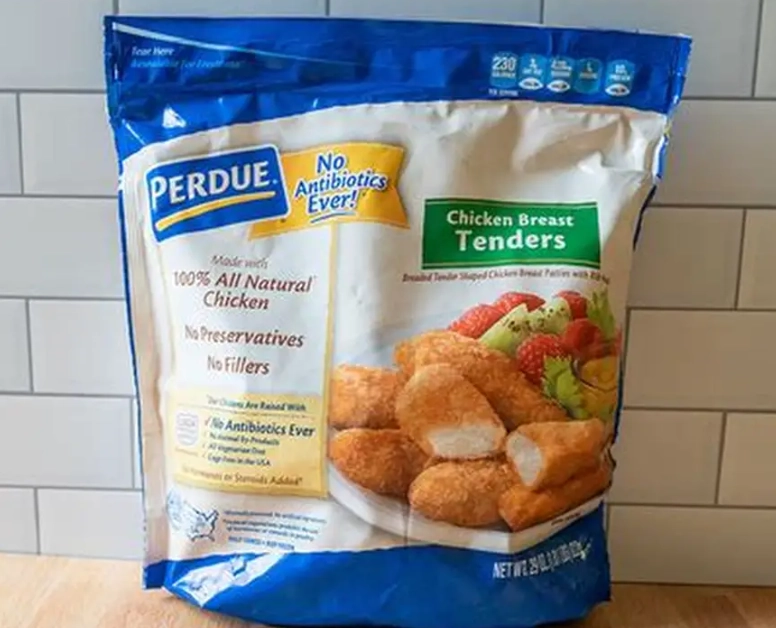
Keep asking questions. Read beyond the front of the package. Understand that a lawsuit isn't the end of the story—it's often the beginning of a public conversation about what we expect from the companies that feed us. And in the case of Perdue chicken, that conversation is very much alive.
Related Articles