The Ultimate Guide to Whole Chicken Temperature for Safe & Juicy Results
Let's be honest for a second. How many times have you pulled a beautiful, golden-brown chicken out of the oven, only to slice into it and find either a bloody mess near the bone or meat so dry it tastes like sawdust? I've been there. More times than I'd like to admit, actually. The difference between a triumph and a tragedy at the dinner table almost always comes down to one thing: hitting the right whole chicken temperature. It's not about guesswork, poking it vaguely, or just hoping for the best. It's a simple science, and once you get it, you'll never look back.
Quick Guide
- Why Chicken Temperature Isn't Just a Number
- The Complete Whole Chicken Temperature Guide (Forget the Guesswork)
- Common Mistakes That Ruin Your Chicken (And How to Fix Them)
- Advanced Techniques: Playing with Temperature for Next-Level Results
- Your Whole Chicken Temperature Questions, Answered
- Putting It All Together: A Simple, Foolproof Method
This isn't just about following a rule. It's about understanding why that temperature matters for safety, for juiciness, and for that perfect texture. We're going to ditch the myths and get into the real, practical details. Whether you're a weeknight warrior or preparing a Sunday feast, knowing your target internal temperature is the single most important skill for roasting chicken.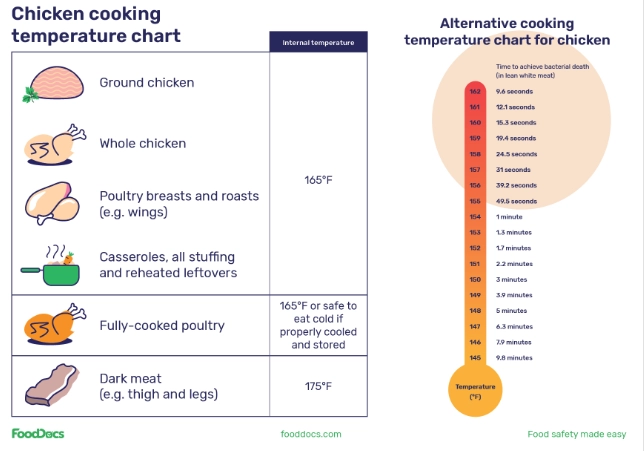
Why Chicken Temperature Isn't Just a Number
You might think, "165°F (74°C), done. Let's eat." If only it were that simple. That number is a safety gate, but it's not the whole story for quality. Cooking a whole bird is a balancing act between eliminating harmful bacteria and preserving moisture. The thick breast meat cooks faster than the dense thighs and legs, which is why a one-size-fits-all approach fails.
The USDA is very clear on the safety side. They recommend cooking all poultry to a minimum safe internal temperature of 165°F (74°C) as measured with a food thermometer. This temperature is sufficient to instantly destroy common pathogens like Salmonella and Campylobacter. You can read their official guidelines for yourself on the USDA Food Safety and Inspection Service website. It's the official word, and it's non-negotiable for safety.
But here's where chefs and home cooks alike have learned to work with the science. While 165°F in the breast is safe, taking it off the heat a few degrees earlier and letting it rest can actually give you a more succulent result. We'll get into that "carryover cooking" magic in a bit.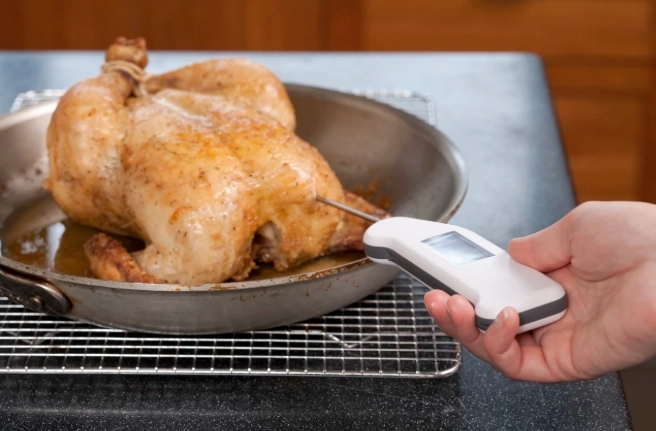
The Complete Whole Chicken Temperature Guide (Forget the Guesswork)
Let's break this down into what you're actually aiming for in different parts of the bird. Think of this as your cheat sheet.
| Target & Part of Chicken | Temperature Range | What It Means & Key Tips |
|---|---|---|
| Absolute Safety Minimum (USDA) All parts, especially thickest part of breast & thigh |
165°F (74°C) | The non-negotiable rule. At this temp, harmful bacteria are instantly destroyed. Always verify here first for safety. |
| For Juicy, Perfect White Meat (Breast) | 155°F - 160°F (68°C - 71°C) | The whole chicken temperature sweet spot. Remove from heat at 155°F. Carryover heat will bring it to 160°F+ while resting, keeping it incredibly moist and still perfectly safe. |
| For Tender, Fall-Off-The-Bone Dark Meat (Thigh/Leg) | 175°F - 185°F (79°C - 85°C) | Dark meat has more connective tissue (collagen) that needs more heat and time to melt into gelatin. This higher temp makes it succulent and tender, not dry. |
| For Crispy Skin | N/A (Oven Temp Matters) | Skin crispiness depends on high oven heat (400°F+/200°C+) and dry skin. Pat the bird utterly dry before cooking. Some cooks start high, then lower the temp. |
See the dilemma? The breast is perfect at 160°F, but the thighs are better at 180°F. So what's the best whole chicken internal temperature to aim for? The practical answer is to target the breast. Pull the chicken when the breast (near the bone) hits about 157-160°F. At that point, the thighs will usually be in the 170-175°F range, which is ideal. If the thighs aren't quite there, you can often shield the breast with foil and let the legs cook a bit longer.
How to Actually Measure the Temperature (The Right Way)
This is where most people mess up. You can't just poke anywhere.
- Use an Instant-Read or Probe Thermometer. Dial thermometers are slow and often inaccurate. A digital instant-read (like a Thermapen) or a leave-in probe thermometer is a game-changer. It's the best $50 you'll spend in the kitchen. Brands like Thermoworks are industry standards for a reason—their devices are fast and reliable.
- Find the Thickest Parts. For the breast, insert the probe into the thickest part, making sure it's not touching bone. For the thigh, insert into the meatiest area, again avoiding the bone.
- Check Multiple Spots. Don't trust one reading. Check both breasts and at least one thigh. The safe chicken cooking temperature must be verified in the slowest-to-heat areas.
What if you don't have a thermometer? Honestly, you're cooking blind. But there are last-resort checks: the juices should run completely clear, not pink, when you pierce the thigh, and a leg should wiggle freely in its joint. But I can't stress this enough—these are backups, not replacements for a thermometer.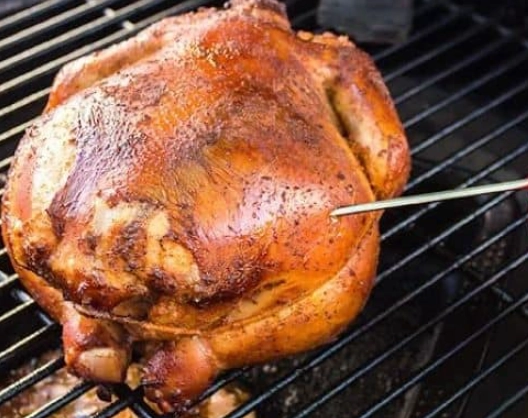
Common Mistakes That Ruin Your Chicken (And How to Fix Them)
We've all made these errors. Recognizing them is half the battle.
- Mistake 1: Cooking to Time, Not Temperature. Recipes say "roast for 1.5 hours." But is your chicken 4 lbs or 6 lbs? Is your oven running hot? Time is a suggestion; temperature is the law. Always cook to the target internal whole chicken temperature.
- Mistake 2: Not Letting it Rest. This is critical. When you pull the chicken out, the juices are wildly distributed. Resting for 15-25 minutes allows the muscle fibers to relax and reabsorb those juices. If you cut immediately, all that moisture ends up on the cutting board, leaving you with dry meat. Cover it loosely with foil and just walk away.
- Mistake 3: Relying on Pop-Up Timers. Those little plastic things that come with turkeys and some chickens are notoriously unreliable. They often pop at 180°F+, which means your breast is already overcooked and dry. Toss it. Use a real thermometer.
- Mistake 4: Roasting at One Low Temperature. A constant 350°F (175°C) is safe but can lead to soggy skin. Many cooks (myself included) prefer a method like 425°F (220°C) for the first 30-40 minutes to crisp the skin, then reducing to 350°F to finish cooking evenly to the right internal temperature.
Advanced Techniques: Playing with Temperature for Next-Level Results
Once you've mastered the basics, you can start manipulating temperature for specific outcomes.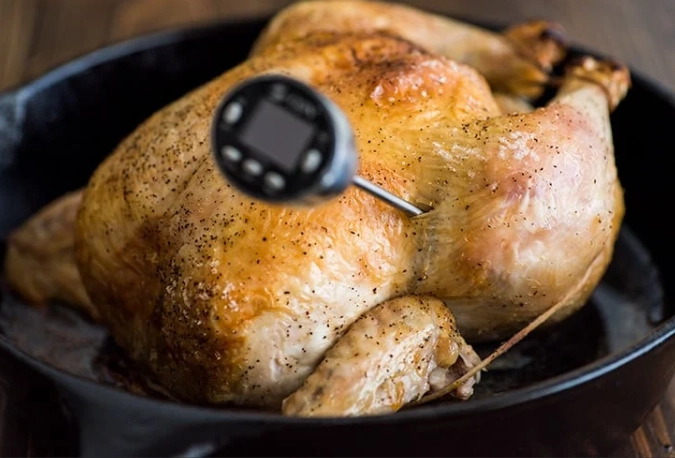
Brining and Its Effect
Brining (soaking in saltwater) seasons the meat and helps it retain more moisture. Some people worry it affects cooking time. It doesn't significantly change the target whole chicken internal temperature, but it does give you a bigger buffer against dryness. A brined chicken can still be overcooked, but it's more forgiving if you accidentally go a few degrees over.
The Low & Slow Method (and When to Use It)
Roasting at a very low temperature, like 275°F (135°C), results in incredibly even cooking and tender meat. The downside? The skin will be pale and rubbery. The fix? A two-stage cook: low and slow to the desired internal temp, then a blistering 5-10 minutes under the broiler or in a 500°F (260°C) oven to crisp the skin. It's more work, but the texture is phenomenal.
Spatchcocking: The Game Changer
Butterflying the chicken (removing the backbone and flattening it) is arguably the best technique for home cooks. It creates a uniform thickness, so the breast and thighs hit their ideal temperatures much closer together. Your whole chicken temperature readings will be more consistent, and cooking time is reduced by about 25%. It also gives you more surface area for crispy skin.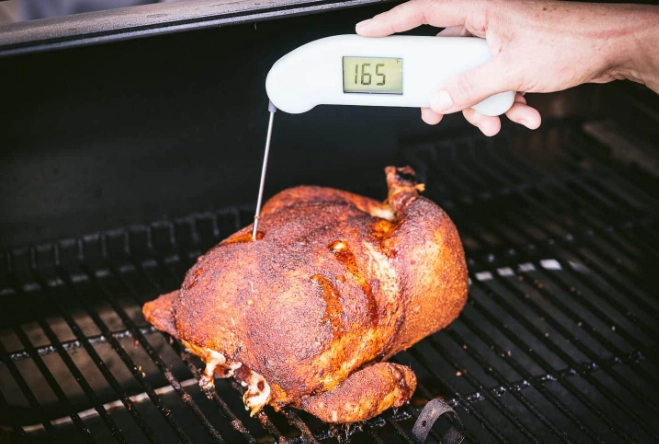
Your Whole Chicken Temperature Questions, Answered
Putting It All Together: A Simple, Foolproof Method
Let's end with a straightforward plan you can use tonight.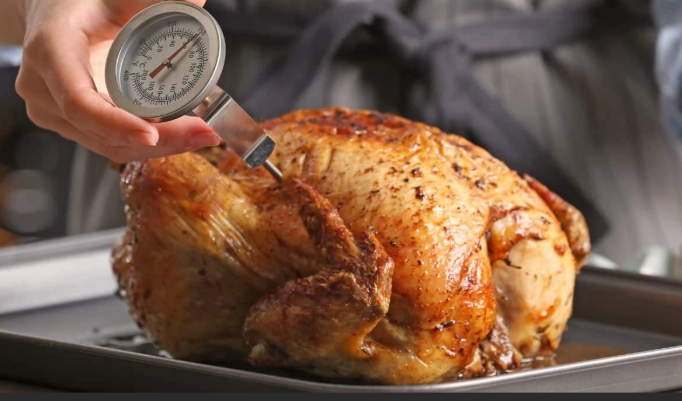
- Prep: Pat a 4-5 lb chicken completely dry inside and out. Season generously with salt and pepper (and any herbs) under the skin and all over. Let it sit uncovered in the fridge for an hour if you can.
- Cook: Preheat oven to 425°F (220°C). Place chicken on a rack in a roasting pan. Roast for 30 minutes to set and crisp the skin.
- Monitor: Reduce heat to 350°F (175°C). Continue roasting. Start checking the whole chicken temperature after another 30 minutes.
- Target: Remove the chicken when an instant-read thermometer reads 158-160°F (70°C) in the breast and at least 170°F (77°C) in the thigh.
- Rest: Transfer to a cutting board, tent loosely with foil, and let it rest for a full 20 minutes. This is non-negotiable.
- Carve and Serve. The juices will be sealed in, the meat will be tender, and you'll finally know the secret.
It really is that simple when you stop guessing and start measuring. The right whole chicken temperature isn't a mystery—it's your most powerful tool in the kitchen. Grab a good thermometer, trust the process, and get ready for the best roast chicken of your life.
Related Articles