Purdue Chicken Recall: What Products Are Affected?
If you've found yourself searching for "What Purdue chicken is being recalled?", you're in the right place. A recent recall has impacted several Purdue Farms products due to potential Listeria monocytogenes contamination. This isn't just another news blip—it's a serious food safety event that requires immediate action if you have any of the affected products in your home. I've been tracking food recalls for years, and the confusion they cause is real. This guide cuts through the noise to give you the exact product details, step-by-step instructions on what to do, and answers to the questions you're really asking.
What You'll Find in This Guide
The Purdue Chicken Recall: A Detailed Breakdown
The recall was initiated by the U.S. Department of Agriculture's Food Safety and Inspection Service (USDA-FSIS). The agency announced that approximately over 24,000 pounds of fully cooked chicken products are being pulled from the market. The problem was discovered during routine testing by the company itself, which is a good sign of their internal checks working, but it doesn't lessen the risk for consumers.
The culprit? Listeria monocytogenes. This bacteria can cause serious, sometimes fatal, infections in young children, the elderly, and anyone with a weakened immune system. For pregnant women, it can lead to miscarriage or stillbirth. Even healthy individuals can experience high fever, severe headache, stiffness, nausea, and diarrhea.
Here’s the core of what you need to know.
The recalled products were produced on July 10, 2024.
They were shipped to retail locations and distributors across several states, primarily on the East Coast. If you live outside this region but shop at a national chain, you could still be at risk—always check the package.
Key Recall Facts at a Glance
Recalling Company: Purdue Farms (a subsidiary of Perdue Foods LLC)
Recall Reason: Potential contamination with Listeria monocytogenes.
Recall Class: USDA Class I. This is the most serious classification, meaning there is a high probability that consuming the product will cause severe health problems or death.
Production Date: July 10, 2024.
States Affected: Products were distributed to retail locations in Connecticut, Maryland, Massachusetts, New Jersey, New York, Pennsylvania, and Virginia.
Complete List of Recalled Purdue Chicken Products
This is the critical list. The products are sold under the Purdue brand name. Don't just glance at the name; you must match the UPC code and the lot code printed on the package. The "Use By" or "Best By" date is also a key identifier.
| Product Name | Package Size | UPC Code | Lot Code & Use-By Date |
|---|---|---|---|
| Purdue Italian Style Meatballs | 12 oz. (1 lb.) bag | 72745-80686 | Lot: 40166P Use By: 10/03/2024 |
| Purdue Homestyle Meatballs | 12 oz. (1 lb.) bag | 72745-80656 | Lot: 40166P Use By: 10/03/2024 |
| Purdue Buffalo Style Chicken Breast Strips | 12 oz. bag | 72745-80304 | Lot: 40166P Best By: 10/03/2024 |
| Purdue Chipotle BBQ Chicken Breast Strips | 12 oz. bag | 72745-80309 | Lot: 40166P Best By: 10/03/2024 |
| Purdue Chicken Breast Chunks (Gluten Free) | 12 oz. bag | 72745-80313 | Lot: 40166P Best By: 10/03/2024 |
A common mistake people make is only checking the product name. I've seen recalls where the same product name has multiple UPCs, and only one is affected. The lot code and date are your definitive proof.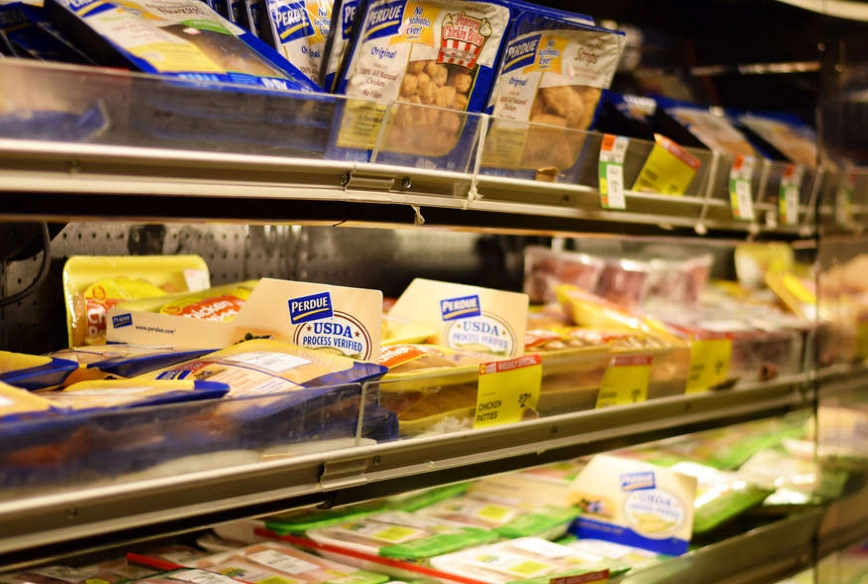
How to Check If Your Chicken Is Part of the Recall
This is where you need to be methodical. Don't just rummage through the fridge.
Step 1: Locate the Package. Find any Purdue chicken products you have, especially meatballs and fully cooked chicken strips or chunks.
Step 2: Find the Codes. Look for the small print on the back or side of the bag. You're looking for three things: the product name, the UPC barcode number, and the lot/date code.
Step 3: Cross-Reference. Compare your package's details line-by-line with the table above. Does the product name match? Does the UPC code match exactly? Does the lot code and "Use By" or "Best By" date match?
If all three match, your product is part of the recall.
What if you threw away the package but remember buying, say, Purdue meatballs around that time? Err on the side of caution. If you or a family member is in a high-risk group, monitor for symptoms and consider contacting your doctor.
What Should You Do With Recalled Purdue Chicken?
Do not eat it. Even if it looks and smells fine. Listeria doesn't change the appearance or smell of food. Cooking may not destroy it either, especially if the product is already fully cooked and you're just reheating it.
Here's your action plan:
Option 1: Return it. Take the product back to the store where you bought it. Most retailers will offer a full refund with just the product, even without a receipt. This is usually the simplest path.
Option 2: Dispose of it safely. If returning isn't practical, throw it away. But don't just toss it in the kitchen trash. To prevent pets or others from retrieving it, place the sealed bag inside another bag, or consider pouring a little bleach or dish soap over the product before sealing it up. This feels wasteful, but it's necessary.
Clean your space. Any surface, container, or utensil that touched the recalled product needs a thorough wash with hot, soapy water. This includes your refrigerator shelf, cutting boards, knives, and plates. Listeria can persist on surfaces.
How to Get a Refund from Purdue
If you have issues with the store refund, you can contact Perdue Foods directly. They have a consumer affairs line. Have your product details (UPC, lot code) and, if possible, your purchase receipt ready. My experience is that major companies are usually swift with refunds during Class I recalls to maintain goodwill, but the process can take a few weeks.
Understanding the Listeria Risk: Why This Recall Matters
Let's talk about Listeria because it's different from other foodborne bugs like Salmonella. Its severity is often underestimated.
First, it can grow at refrigerator temperatures. That bag of chicken strips sitting at 40°F? Listeria can slowly multiply there. This is why "fully cooked" doesn't equal "risk-free" if contamination happened after cooking.
Second, the incubation period can be long—up to 70 days. You might get sick weeks after eating the contaminated food, making it incredibly hard to pinpoint the source. This is a nightmare for epidemiologists and for someone trying to figure out why they're ill.
Third, the consequences for vulnerable groups are stark. The CDC estimates about 1,600 people get listeriosis yearly, and about 260 die. It's a leading cause of foodborne-illness related death.
The bottom line: Treating this recall with the utmost seriousness is not an overreaction. It's a rational response to a high-risk pathogen.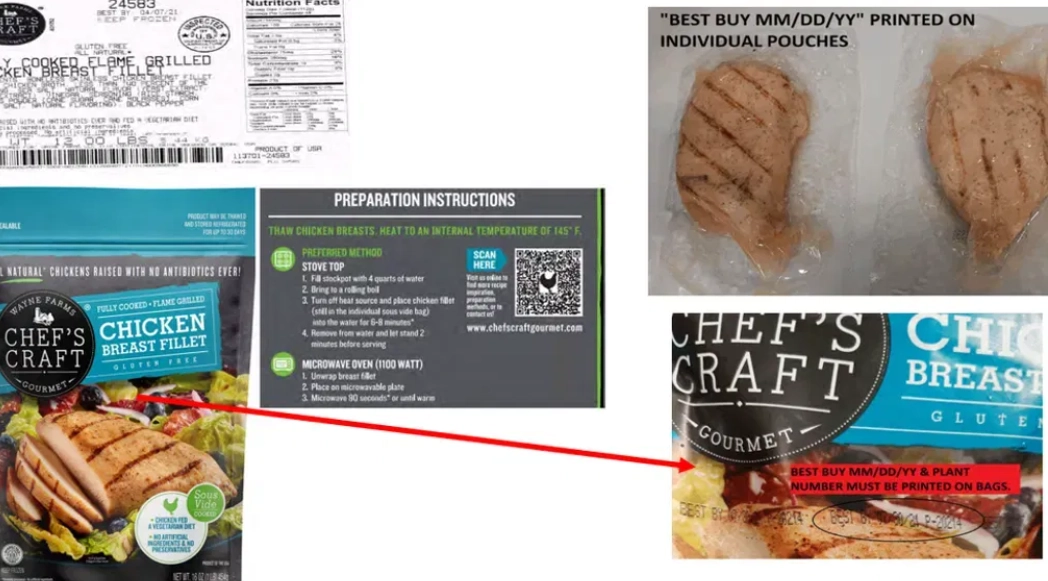
Your Purdue Recall Questions Answered
I ate some of the recalled Purdue chicken. What symptoms should I watch for?
Why is Listeria so dangerous compared to other bacteria in chicken?
 Can I just cook the recalled chicken again to kill the bacteria?
Where can I find the official recall announcement?
Are other Perdue or Purdue brand products safe to eat?
 Finding out a product in your kitchen is part of a major recall is unsettling. The key is not to panic but to act decisively. Check your packages against the official list, safely dispose of any matches, and clean your kitchen thoroughly. Stay informed through official channels like the USDA-FSIS, and when in doubt, throw it out. Your family's health is worth far more than the price of a bag of chicken.
Related Articles