White vs Dark Chicken Meat: Nutrition, Flavor & Cooking Guide
You're at the grocery store, staring at the chicken section. Breast, thighs, wings, drumsticks. You know they're different, but beyond "white meat" and "dark meat," what's really going on? Most articles give you the basic spiel: breast is leaner, thighs are juicier. But if you've ever ended up with a dry, stringy breast or a flabby, under-rendered thigh, you know there's more to the story. I've been cooking professionally and at home for over a decade, and I've seen the confusion firsthand. This guide isn't just about listing differences; it's about giving you the why behind them and the how to make the best choice for every meal.
What You'll Find in This Guide
The Science Behind the Color (It's Not Just Fat)
Let's clear this up first. The color difference between white and dark chicken meat isn't primarily about fat content. It's about myoglobin. Myoglobin is a protein that stores oxygen in muscle cells. Muscles that are used more frequently and for sustained activity—like the legs and thighs of a chicken that walks around all day—need a steady oxygen supply. They develop more myoglobin, which gives the meat a darker, reddish hue.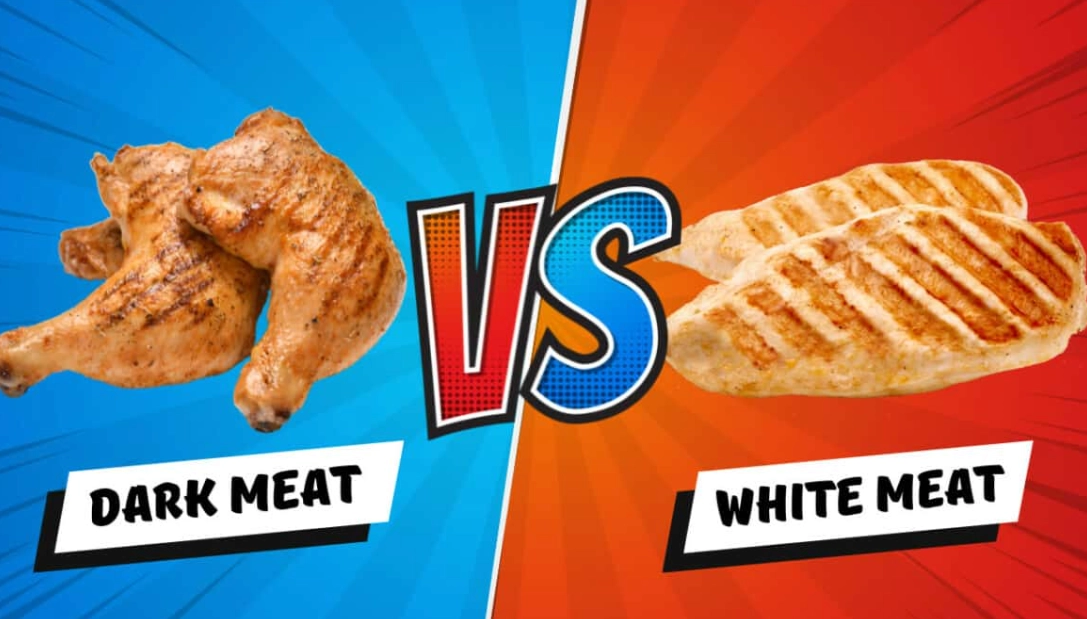
Breast meat, from the flight muscles? Chickens aren't exactly marathon flyers. Those muscles are used for short, infrequent bursts. Less myoglobin, lighter color. This fundamental difference in muscle fiber type (fast-twitch vs. slow-twitch) dictates everything that follows: nutrition, texture, and how you should cook it.
Key Takeaway: Think of dark meat as endurance muscle and white meat as sprint muscle. This biological fact is the root of all their culinary differences.
Nutrition Showdown: The Real Numbers
Here's where people get tripped up. Yes, white meat is leaner. But "leaner" doesn't automatically mean "better" for every goal. It depends on what you're after: maximum protein with minimal calories, or sustained energy, flavor, and satisfaction.
Let's look at the data for a 3.5-ounce (100-gram) cooked, skinless portion, based on information from the USDA FoodData Central database. This is the kind of specific, actionable info that matters.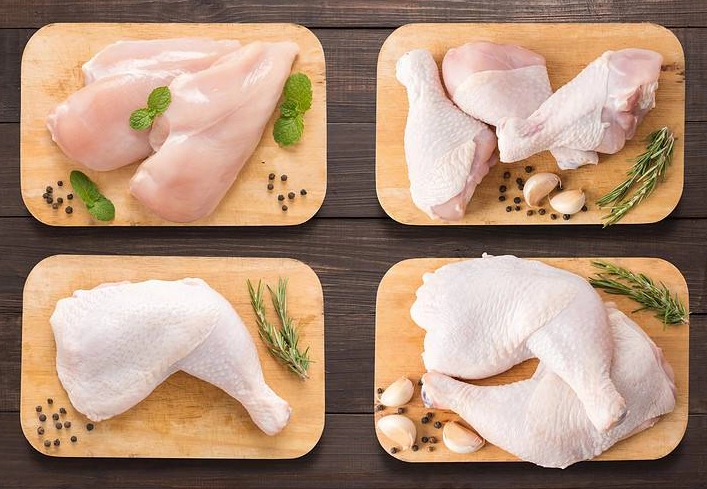
| Nutrient | Chicken Breast (Skinless) | Chicken Thigh (Skinless) | What It Means For You |
|---|---|---|---|
| Calories | ~165 kcal | A 44-calorie difference. In the context of a whole meal, this is less significant than most think. | |
| Protein | ~31g | ~26g | Breast wins on pure protein density. Crucial for bodybuilders or very high-protein diets. |
| Total Fat | ~3.6g | ~10.9g | The big difference. Thigh has about 3x the fat, but it's a mix of saturated, monounsaturated, and polyunsaturated. |
| Iron | ~0.9mg (5% DV) | ~1.3mg (7% DV) | Dark meat provides more heme iron, the type your body absorbs most easily. |
| Zinc | ~1.0mg (9% DV) | ~2.4mg (22% DV) | A substantial difference. Zinc is vital for immune function and metabolism. |
| Vitamin B12 | ~0.3mcg (13% DV) | ~0.4mcg (17% DV) | Both are good sources, with dark meat having a slight edge. |
See the pattern? White meat is the protein specialist. Dark meat is the nutrient-all-rounder, with more minerals and vitamins. The extra fat in dark meat isn't just "empty calories"; it carries flavor and helps your body absorb fat-soluble vitamins from other foods in your meal. If your diet is already very low in fat, choosing only breast might not be optimal.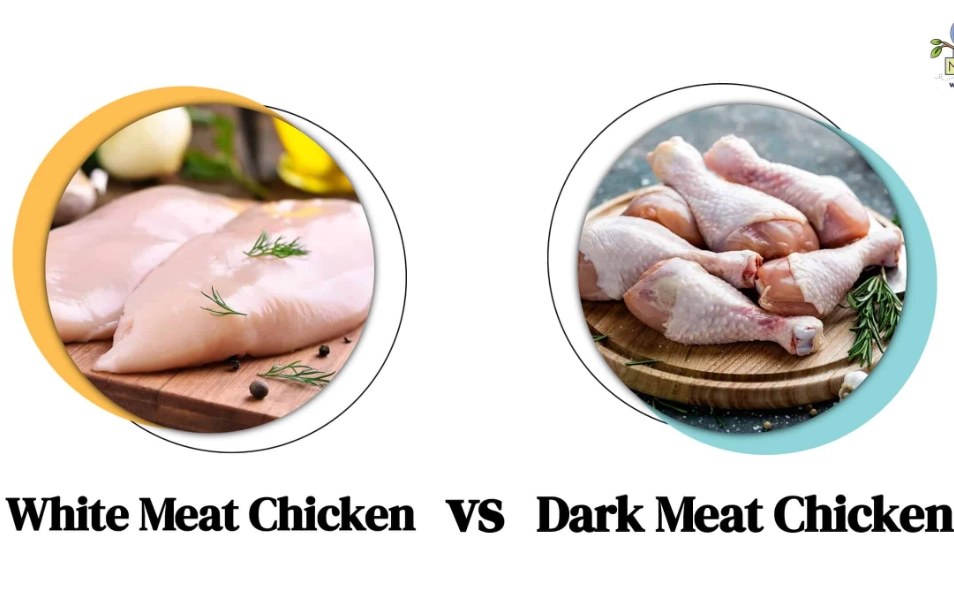
Flavor & Texture: Why Dark Meat Tastes Richer
Close your eyes and think of a perfectly cooked chicken thigh. Now think of a breast. They're worlds apart.
Dark meat (thighs, drumsticks): The higher fat content and different connective tissue structure mean it's inherently more forgiving and flavorful. Fat is a flavor carrier. It also provides a luxurious, juicy, almost buttery mouthfeel. The texture is tender yet substantial. This is why thighs are beloved in braises, curries, and grilling—they hold up to long cooking and bold flavors without drying out.
White meat (breast, wings to a degree): It has a mild, clean flavor. The texture, when cooked perfectly, is pleasantly firm and can be succulent. But its low fat and collagen content make it prone to drying out. It's a canvas. It needs help—brines, marinades, sauces, or very precise cooking.
Here's my personal rule: If I'm making a dish where the chicken is the star and the sauce is simple (like a grilled chicken salad or a basic pan-sear), I go for a high-quality, well-cooked breast. If I'm making a dish with a complex sauce, lots of spices, or long cooking (like a coq au vin, chicken adobo, or a hearty stew), I always choose thighs. The meat contributes its own richness to the dish.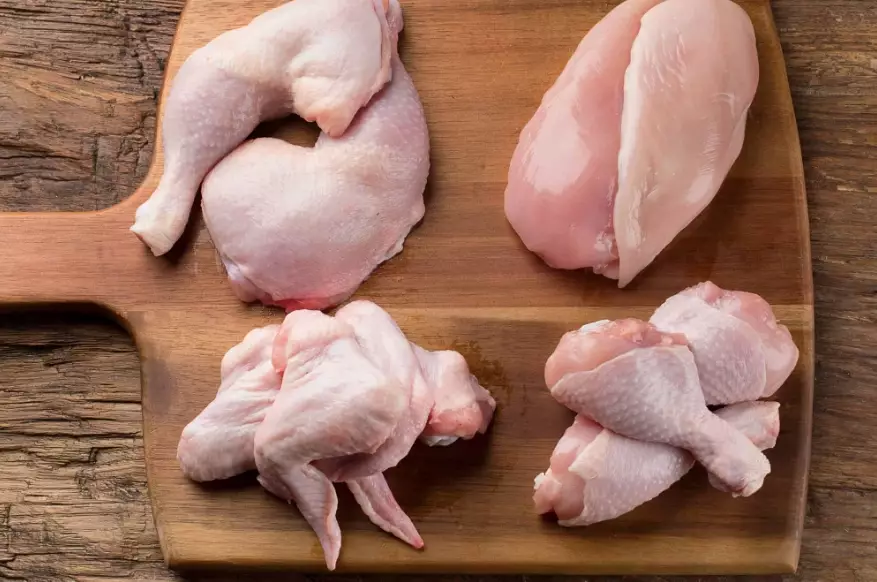
How to Cook White Meat vs Dark Meat (The Right Way)
This is where the rubber meets the road. Using the wrong technique for the cut is the #1 reason for kitchen disappointment.
The White Meat Protocol: Fast & Precise
Think hot and fast, or low and slow with protection. The goal is to get it to a safe 165°F (74°C) without going far beyond, as every degree after that squeezes out more moisture.
- Best Methods: Pan-searing/sautéing, grilling over direct heat, baking at high heat (400°F+), air frying.
- Pro Tip – Brine or Dry-Brine: Soaking breasts in a 5% saltwater solution for 30-60 minutes, or just salting them heavily an hour before cooking, works wonders. It seasons the meat deeply and helps it retain moisture.
- Temperature is Everything: Use a meat thermometer. Pull breast meat off the heat at 155-160°F (68-71°C). Carryover cooking will bring it to a safe 165°F. I can't stress this enough—guessing leads to dry chicken.
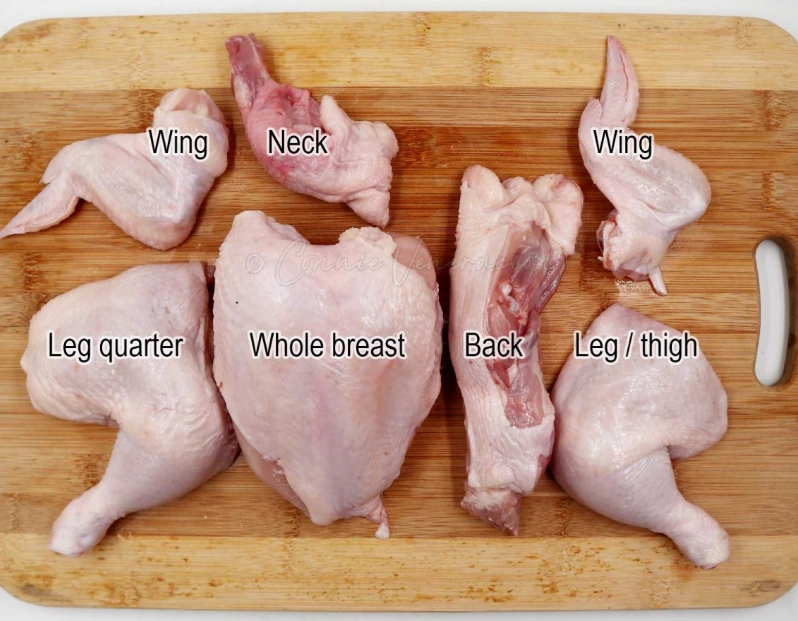
The Dark Meat Strategy: Low & Slow, or High & Rendered
Dark meat has more collagen and fat that need time and/or sufficient heat to break down and become tender and flavorful.
- Best Methods: Braising, stewing, roasting at moderate heat (350-375°F), grilling with a two-zone fire (sear over direct heat, finish over indirect).
- Pro Tip – Don't Fear the Skin: For thighs and drumsticks, cooking with the skin on (and crisping it properly) creates a protective layer and incredible flavor. Just pat it dry first.
- Temperature Flexibility: Dark meat is done when it's tender, usually around 175-185°F (79-85°C). At this higher internal temperature, the collagen melts into gelatin, making it juicier, not drier. This is a critical non-consensus point many miss.
Common Mistakes Everyone Makes (And How to Avoid Them)
I've made these, you've probably made these. Let's fix them.
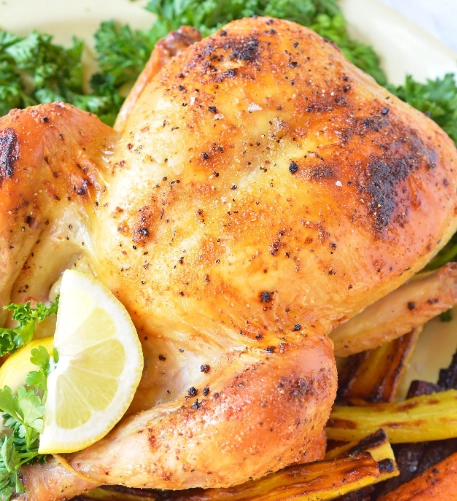
Mistake 1: Cooking white and dark meat together, the same way. A whole roasted chicken is the classic trap. The breast is done 20 minutes before the thighs. Solution: Spatchcock (butterfly) the bird. It lays flat so everything cooks evenly. Or, start the chicken breast-side down to protect it.
Mistake 2: Over-marinating white meat. Especially in acidic marinades (lemon, vinegar). Beyond 2 hours, it starts to "cook" the surface proteins, giving it a weird, mealy texture. 30 minutes to 2 hours is plenty. Dark meat can handle longer marinating times.
Mistake 3: Not letting dark meat get hot enough. Pulling a thigh at 165°F often leaves the fat under-rendered and the texture slightly rubbery. Let it go to 175°F+ for that fall-apart tenderness.
Mistake 4: Thinking one is universally "healthier." It's context-dependent. For a sedentary person on a standard diet, the lean protein of breast might be ideal. For an active person, someone needing more iron, or someone who finds breast unsatisfying, the nutrient density and satiety of dark meat could be the healthier choice because it prevents overeating later.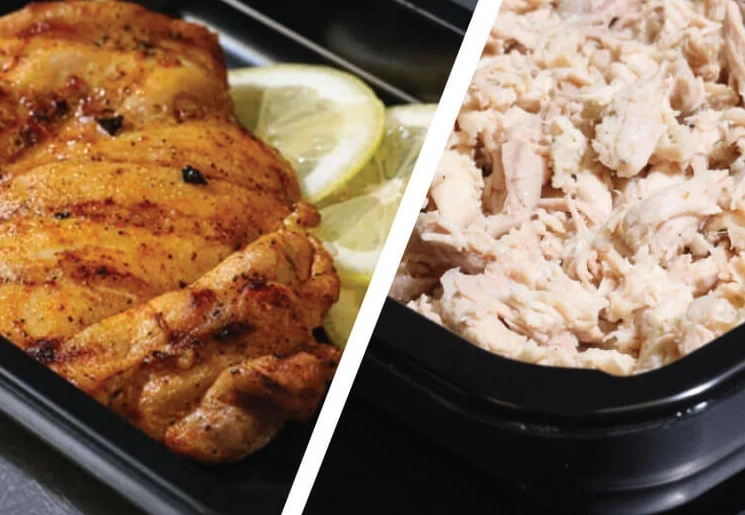
Your Questions, Answered
Not necessarily. The calorie difference per serving is about the same as a small apple. The higher fat content in dark meat promotes satiety, meaning you feel full longer and are less likely to snack. For sustainable weight loss, satisfaction is key. A skinless thigh in a balanced meal of vegetables and whole grains is an excellent choice. The problem is usually the preparation—fried, smothered in heavy sauce—not the cut itself.
You're almost certainly overcooking it by a few degrees, or not protecting it. Most home ovens and stoves have hot spots. Relying on time alone is a gamble. Invest in a $15 instant-read thermometer—it's the single best tool for cooking poultry. Also, try the dry-brine method: salt your breasts generously, leave them on a rack in the fridge uncovered for 4-24 hours. This seasons the meat deeply and improves its ability to hold onto juices during cooking.
In most sauced, braised, or baked dishes, absolutely, and it will often be more flavorful. You'll need to adjust cooking time slightly longer. For quick-cooking methods like stir-fries or dishes where lean, quick-cooking protein is the structure (like some chicken salads), the texture difference might be noticeable. Thighs release more fat and can stew rather than sear if the pan isn't hot enough. My advice: For soups, curries, casseroles, and pasta sauces, swap freely. For dry-heat, fast-cooking applications, stick to the recipe's recommendation until you're comfortable with the behavior of each cut.
Wings are a hybrid, but functionally they're closer to white meat. They have two main parts: the drumette (more dark meat-like, juicier) and the flat or wingette (more white meat-like). However, because they're small, bony, and usually cooked with skin on to extreme crispiness, they behave uniquely. Their success relies more on rendering the skin fat and achieving crunch than on hitting a precise internal temperature for tenderness.
The white meat vs dark meat debate isn't about finding a winner. It's about understanding two fantastic, versatile ingredients with different strengths. Breast is your lean, high-protein athlete. Thighs are your flavorful, forgiving, nutrient-packed workhorse. Armed with the science, the numbers, and the right techniques, you can now choose confidently based on your taste, your health goals, and the meal you want to create. Stop forcing a breast into a braise or a thigh into a quick sauté. Honor what each cut does best, and your cooking will instantly level up.
Related Articles