The Ultimate Guide to Baking a Perfect Whole Chicken
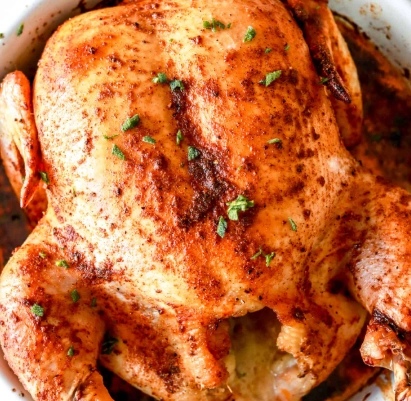
Baking a whole chicken shouldn't feel like a high-stakes culinary exam. It's one of the most forgiving, economical, and satisfying things you can do in your kitchen. A single bird can feed a family, provide leftovers for days, and fill your home with an aroma that beats any scented candle. But here's the thing most recipes gloss over: the gap between a merely edible baked chicken and a spectacular one isn't huge. It's a series of small, often overlooked decisions. After roasting what feels like a hundred chickens over the years, I've found that most mistakes happen long before the bird even hits the oven.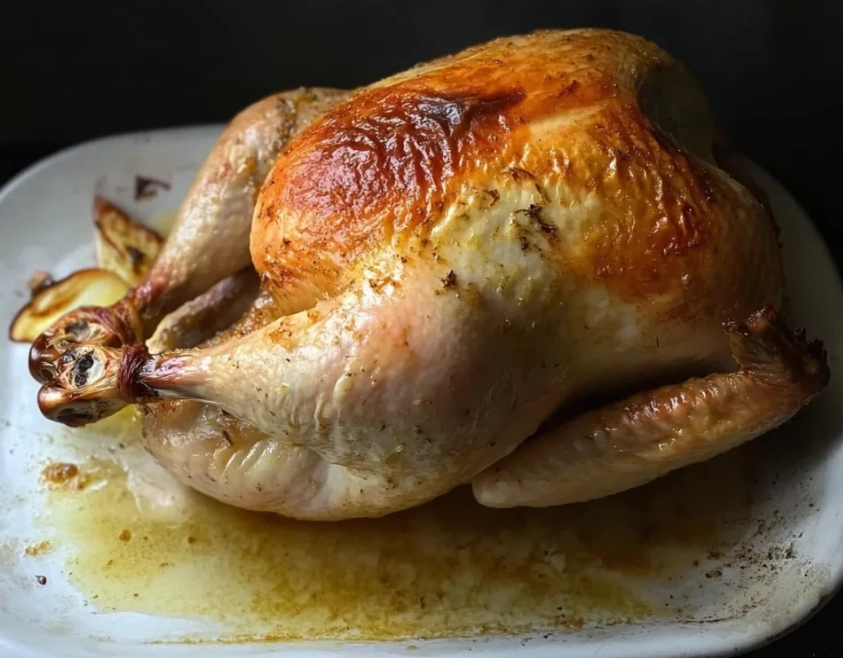
What You'll Find in This Guide
Choosing the Right Bird: Your First Make-or-Break Decision
Walk into any grocery store and you're faced with a wall of chicken labels: organic, air-chilled, free-range, kosher, enhanced. It's confusing. Let's cut through the marketing.
Size matters more than you think. A 3.5 to 4.5-pound chicken is the sweet spot. It's large enough to have flavor but small enough to cook evenly without the breast drying out before the thighs are done. Those massive 6-pound roasters? They're trouble for beginners.
Here’s a quick breakdown of what those labels actually mean for your baked chicken:
| Type of Chicken | What It Means | Impact on Flavor & Texture |
|---|---|---|
| Air-Chilled | Chickens are cooled with cold air instead of being soaked in chlorinated water. | Game-changer. The skin gets much crispier because it starts out drier. The meat often has a more concentrated flavor. Worth the extra dollar or two. |
| Kosher | Pre-salted during processing according to kosher guidelines. | It's already seasoned. Be careful adding more salt. The meat can be slightly firmer. Good if you're short on time. |
| "Enhanced" or "Basted" | Injected with a saline, broth, or seasoning solution. | Often labeled "up to 15% broth." I avoid these. The meat can taste artificial and have a spongy, wet texture. You're paying for water weight. |
| Organic/Free-Range | Meets specific USDA standards for feed and living conditions. | Primarily an ethical/environmental choice. Flavor differences can be subtle but are sometimes noticeable in the richness of the fat and dark meat. |
My go-to? An air-chilled chicken around 4 pounds. If it's also organic, great, but I prioritize the air-chilled method. The difference in browning is night and day.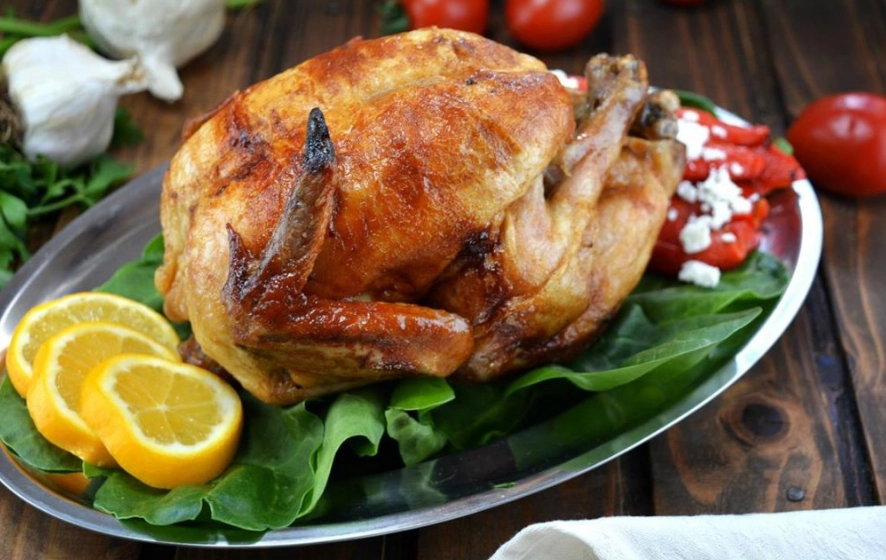
A subtle mistake I see all the time: People grab a chicken labeled "roaster" thinking it's superior. "Roaster" is just a USDA weight class for a larger bird (over 5 lbs). It doesn't guarantee quality. A smaller "broiler" chicken will often give you a better, more evenly cooked result.
The Prep & Seasoning Guide: More Than Just Salt and Pepper
This is where the magic (or mediocrity) happens. Rushing this step is the number one reason for bland, unevenly cooked chicken.
Step 1: The Unsexy but Critical Dry Brine
Forget wet brining (soaking in salt water). It's messy and can waterlog the skin. Dry brining—liberally salting the chicken in advance—is the secret weapon of good home cooks and chefs.
Take your chicken out of its packaging. Pat it absolutely bone-dry inside and out with paper towels. This is non-negotiable for crispy skin. Then, sprinkle about 1 teaspoon of kosher salt per pound of chicken all over the surface and inside the cavity. Don't be shy. Place it on a rack over a plate and leave it uncovered in your fridge for at least 4 hours, ideally overnight.
What this does: The salt draws out moisture, which then dissolves the salt, creating a concentrated brine that gets re-absorbed deep into the meat. It seasons from the inside out and helps the proteins retain moisture during cooking. The skin also dries out further, setting you up for ultimate crispiness.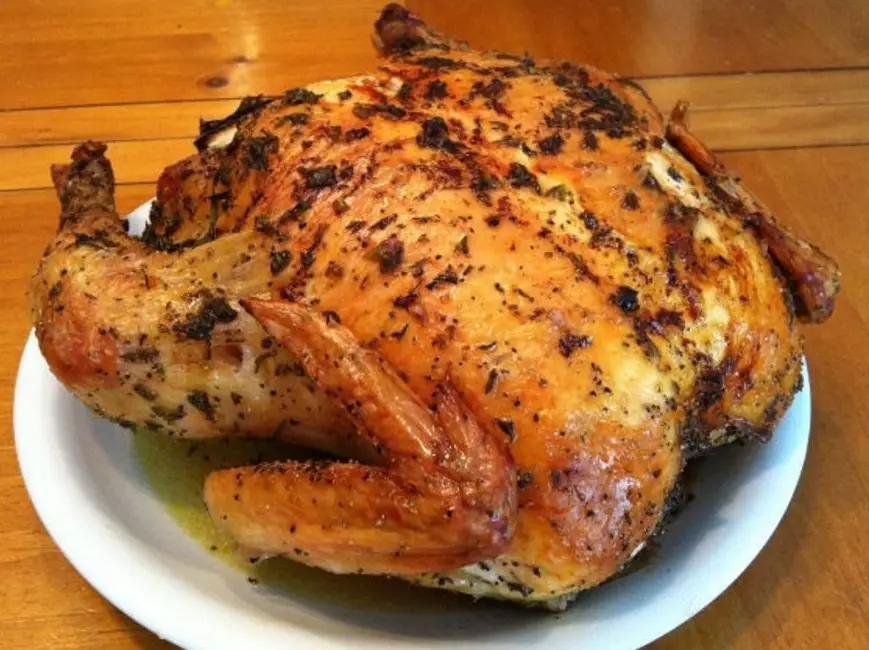
Step 2: Seasoning Beyond Salt
After the dry brine, you can add other flavors. Here’s where you can get creative, but keep it simple.
- Under the skin: Gently slide your fingers between the skin and the breast meat to loosen it. Rub a little softened butter or olive oil mixed with herbs (thyme, rosemary) directly onto the meat. This bastes it from the inside.
- In the cavity: Stuff it with aromatics, not for eating, but for perfume. A halved lemon, a whole head of garlic cut in half, a bunch of herbs, a quartered onion. This steams from the inside, adding subtle flavor to the meat.
- On the skin: A light coat of oil (avocado or olive oil) helps the skin blister and brown. Now add your black pepper and any other dry spices (paprika, garlic powder, onion powder). Do not add more salt here if you dry-brined.
Pro Tip: Trussing (tying the legs together) is optional. It gives a neater appearance, but leaving the legs splayed allows the hotter dark meat to cook faster, which can help everything finish more evenly. I usually just tuck the wingtips under the body to prevent burning.
The Science of Time and Temperature
"Bake at 350°F until done." That vague instruction is why so many people end up with dry chicken. Let's be precise.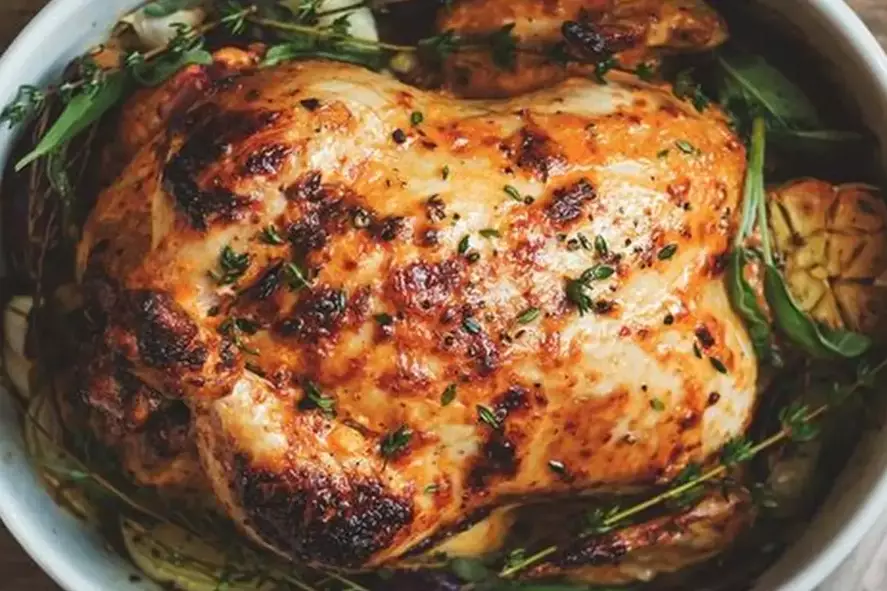
Start hot, finish gentle. My preferred method: Crank your oven to 450°F (230°C). Place your seasoned chicken on a rack in a roasting pan or skillet. Roast for 20-25 minutes. This initial blast renders fat, sets the skin, and creates beautiful color. Then, without opening the door, reduce the heat to 350°F (175°C) and continue roasting.
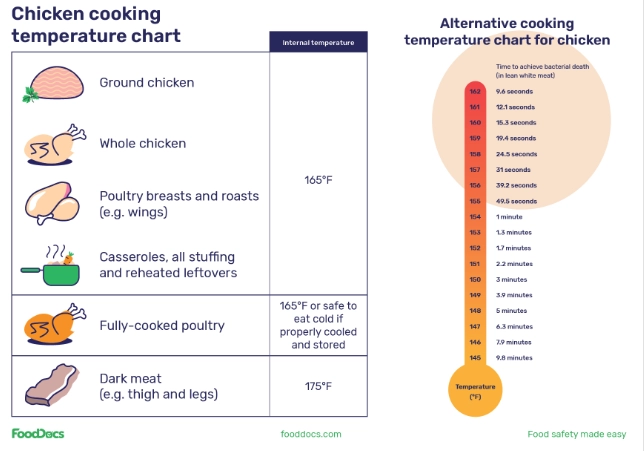
How long? The old "20 minutes per pound" rule is a rough guide, but it's unreliable. The only way to know is with an instant-read thermometer. It's the single best investment for your kitchen. Insert it into the thickest part of the thigh, without touching the bone.
- Target Temperature: 165°F (74°C) in the thigh. The breast will be a perfect 155-160°F, which is actually juicier. According to food safety guidelines from sources like the USDA, 165°F is the safe minimum, but carryover cooking will get you there.
For a 4-pound chicken after the initial high-heat blast, expect another 45-60 minutes at 350°F. Use the time as an estimate, the thermometer as your truth-teller.
How to Get Crispy Skin and Juicy Meat Every Time
This is the holy grail, and it boils down to managing moisture.
Crispy Skin Rule: Moisture is the enemy of crisp. You've already tackled this by drying the skin thoroughly and starting with a hot oven. One more step: let the chicken rest on a cutting board, not in the pan. If it sits in its juices, the bottom skin will steam and turn soggy.
Juicy Meat Rule: Resting is not optional. When you pull the chicken out, tent it loosely with foil and let it sit for 15-20 minutes. The juices, which have been driven to the center by the heat, redistribute throughout the meat. If you cut immediately, all those flavorful juices will just run out onto the board. Resting also allows the temperature to even out, so the breast finishes cooking gently without drying.
I admit, I used to skip this step because I was hungry. The difference it makes is profound. The meat is tender, moist, and easier to carve.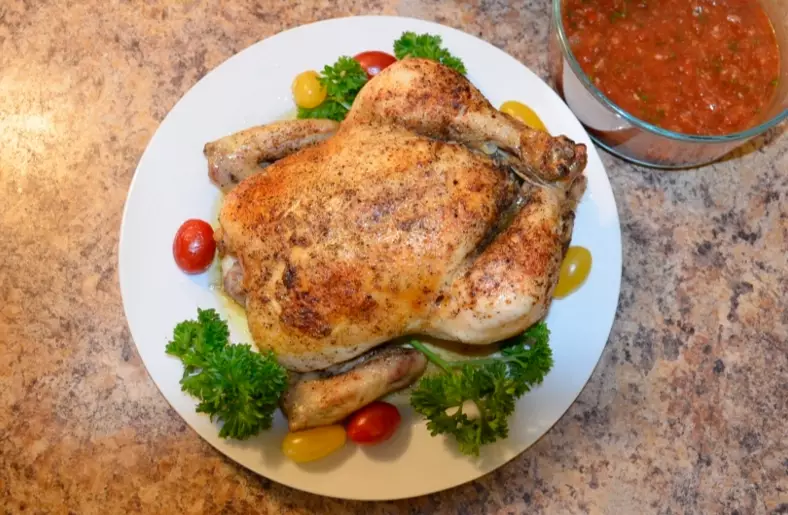
Carving and Serving Without the Stress
Don't be intimidated. You don't need chef-level skills. Here's a simple, no-fuss method:
- Remove the legs: Pull a leg/thigh away from the body and slice through the joint connecting it. Separate the thigh and drumstick if you like.
- Remove the wings: Similar motion, pull and cut through the joint.
- Carve the breast: Make a long, horizontal cut along the breastbone. Then, slice downward, following the contour of the rib cage, to remove the entire breast half. Lay it flat and slice it crosswise into portions.
Serve it with the pan juices. After resting, there will be golden, flavorful drippings in the pan. Skim off excess fat if you want, then heat the pan on the stove, add a splash of chicken broth or white wine, scrape up the browned bits (fond), and you have an instant, incredible sauce.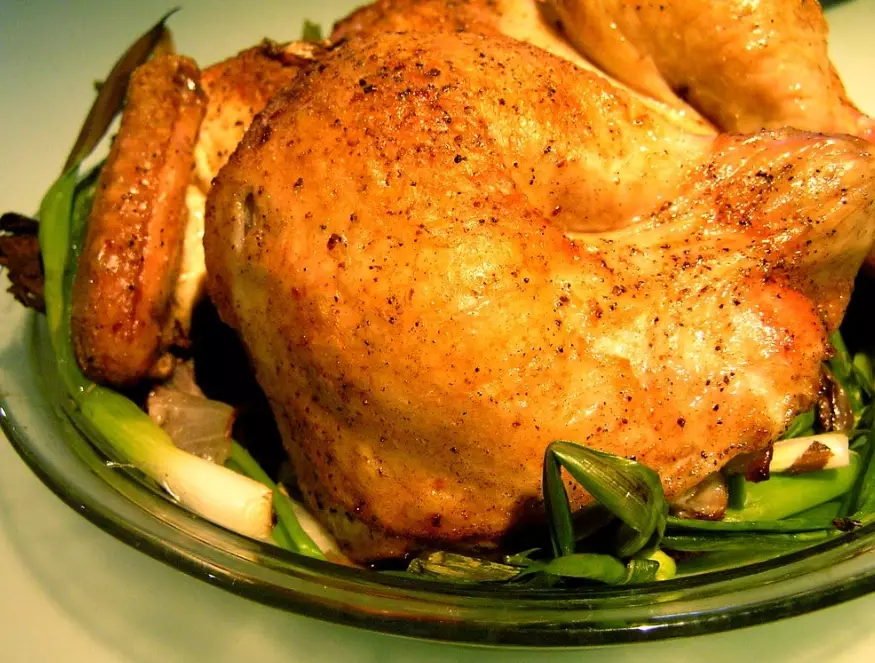
Your Burning Questions, Answered
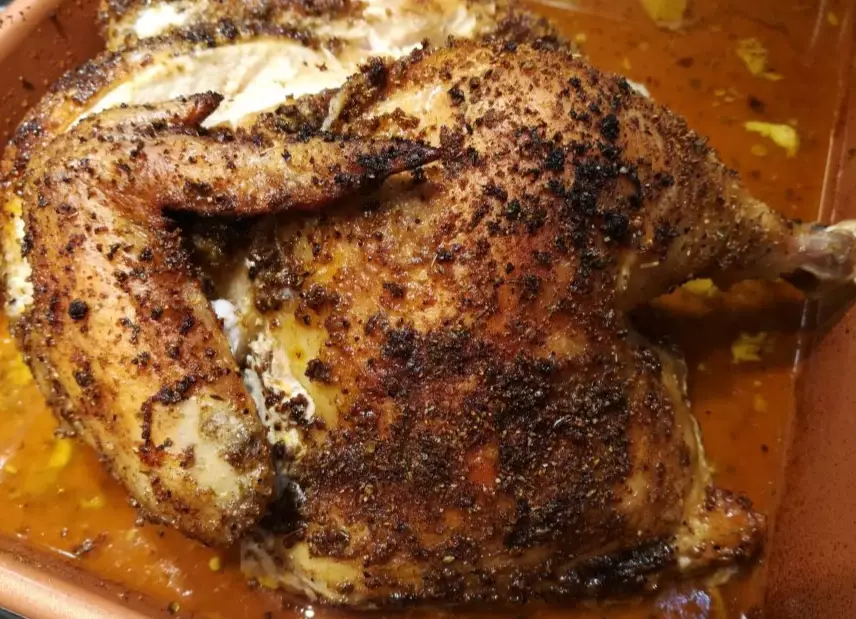 Baking a whole chicken is a foundational skill that pays dividends. It's cheaper than buying parts, more flavorful, and gives you control over what goes into your food. Once you get the rhythm down—dry it, salt it early, start hot, trust the thermometer, let it rest—you'll have a reliable, impressive dish that feels both humble and special. Give it a shot this weekend. You might just find it becomes a regular ritual.
Related Articles