Chicken Thighs Nutrition: Why They're a Healthier Choice Than You Think
Let's be honest, chicken thighs have a bit of an image problem. For years, they've been living in the shadow of their leaner, drier sibling, the chicken breast. If you're searching for chicken thighs nutrition info, you might be bracing for bad news—thinking they're a guilty pleasure best saved for occasional treats.
I used to be a breast-only guy. Then I spent a decade working in kitchens and writing about food science. What I learned flipped my script completely.
The truth is, chicken thighs are a nutritional powerhouse that gets a bad rap based on outdated fat-phobia. We're going to dive deep into the numbers, compare them head-to-head with breast meat, and I'll show you exactly how to make them a regular, healthy part of your diet. This isn't about making excuses for a fatty food; it's about understanding why that fat is often a feature, not a bug.
What's Inside: Your Quick Guide
Chicken Thighs vs. Breast: A Nutritionist's Honest Take
Everyone wants the simple answer: which is healthier? It's not that simple. It's like asking if a hammer is better than a screwdriver. It depends on the job—and your personal goals.
Here’s the raw data, based on 100 grams of cooked, skinless meat from the USDA FoodData Central database:
| Nutrient | Chicken Thigh (Skinless) | Chicken Breast (Skinless) | The Takeaway |
|---|---|---|---|
| Calories | 209 kcal | 165 kcal | Breast wins on pure calorie density. |
| Protein | 26g | 31g | Breast has more protein per gram. |
| Total Fat | 10.9g | 3.6g | This is the big difference. |
| Saturated Fat | 3.0g | 1.0g | Thighs have more, but context matters. |
| Iron | 1.3mg (7% DV) | 0.9mg (5% DV) | Thighs provide nearly 50% more iron. |
| Zinc | 2.4mg (22% DV) | 1.0mg (9% DV) | Thighs are a significantly better source. |
See the pattern? Breast is leaner and higher in protein. Thighs have more fat, but they also deliver a much bigger punch of key minerals like iron and zinc—nutrients many people are deficient in.
Here's the nuance most articles miss: most of the fat in a chicken thigh is unsaturated. We're talking about 6-7 grams of mono- and polyunsaturated fats per serving. These are the same types of heart-healthy fats found in olive oil and avocados. The saturated fat content? It's about what you'd find in a tablespoon of whole milk. It's not nothing, but it's hardly a dietary villain in the context of a balanced meal.
The Complete Chicken Thigh Nutrition Breakdown
Let's zoom in on the thigh itself. A typical boneless, skinless chicken thigh weighs about 3-4 ounces (85-113g) when cooked. Here’s what you're really getting in that single, juicy piece:
Per average cooked thigh (3oz / 85g, skinless):
- Calories: ~180
- Protein: ~22g (That's about 44% of your daily value)
- Total Fat: ~9g
- Key Micronutrients: A solid source of Niacin (Vitamin B3), Vitamin B6, Phosphorus, Selenium, and Choline.
The protein in chicken thighs is a complete protein, meaning it contains all nine essential amino acids your body can't make on its own. This is crucial for muscle repair, immune function, and just feeling full and satisfied after a meal.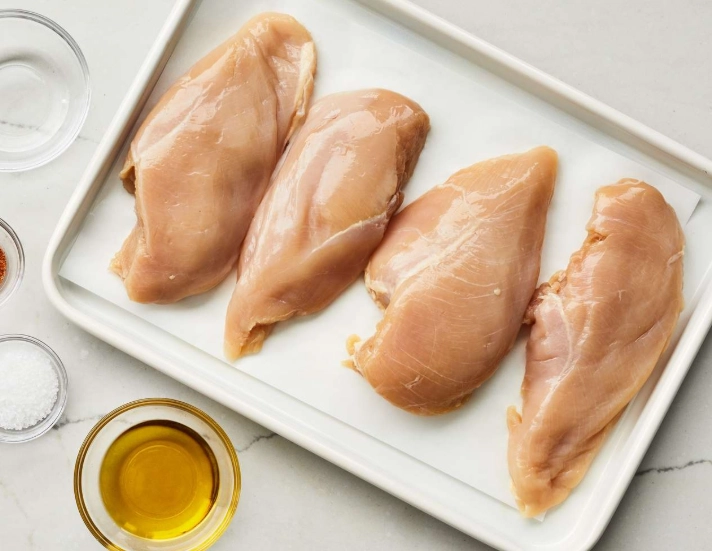
Now, about the skin. Yes, it adds about 70-80 calories and 7-8 grams of fat (mostly saturated) per thigh. But here's my controversial chef's opinion: cook with the skin on, then remove it to eat. The skin acts as a protective layer, basting the meat in its own juices and preventing the precious intramuscular fat and moisture from evaporating. You get all the flavor and juiciness without consuming the extra fat. Try it once—the difference in texture is night and day.
The Mineral Advantage: Iron and Zinc
This is where thighs silently outshine breasts. Dark meat has more myoglobin, an iron-rich protein. For anyone who doesn't eat much red meat (or is vegetarian but eats poultry), thighs are an easy way to boost iron intake, which is vital for energy and oxygen transport.
Zinc is another superstar. It's critical for immune function, wound healing, and metabolism. The thigh's nearly 2.5x higher zinc content is a big deal, especially during cold season or if you're active and need efficient recovery.
Unexpected Health Benefits of Choosing Thighs
Beyond the numbers, choosing thighs can lead to better overall eating habits. It sounds counterintuitive, but hear me out.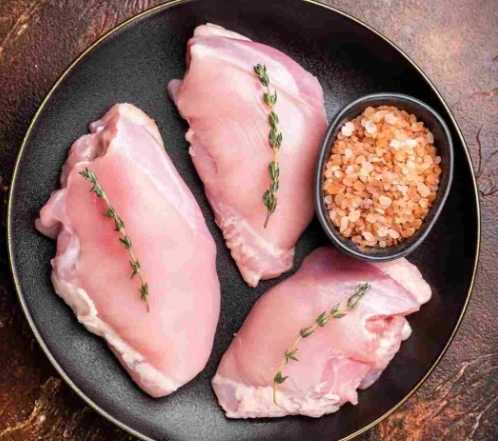
Benefit 1: Superior Satiety. Fat and flavor trigger satiety signals in your brain. A satisfying meal with a flavorful thigh is less likely to send you rummaging for chips or cookies an hour later compared to a dry, bland chicken breast you had to drench in sauce. This can actually help with weight management.
Benefit 2: Culinary Versatility and Reduced Food Waste. Thighs are forgiving. It's very hard to overcook them into sawdust. This makes them perfect for beginners, meal prep (they reheat beautifully), and slow-cooked dishes like curries and stews. You're less likely to ruin dinner and order takeout instead.
Benefit 3: Budget-Friendly Nutrition. Pound for pound, thighs are often cheaper than breasts. You're getting high-quality protein and important minerals for less money. In a world of expensive health foods, that's a tangible benefit for real people.
I remember a client who was constantly "falling off" her diet because she found grilled chicken breast unbearably boring. We swapped in marinated, grilled thigh strips for her salads and bowls. She stopped feeling deprived, stuck to her plan consistently, and her bloodwork (including cholesterol) actually improved because she was eating more consistently healthy meals overall.
Cooking for Health: Mastering Thighs Without the Guilt
Nutrition isn't just about the raw ingredient; it's about what you do with it. You can turn a healthy thigh into a calorie bomb, or you can maximize its natural advantages.
The Golden Rule: Control the added fats. The thigh already brings its own to the party.
Winning Cooking Methods:
- Roasting/Baking: My go-to. Place thighs on a rack over a baking sheet. The fat renders and drips away. At 400°F (200°C), they cook in 35-45 minutes. Crispy exterior, juicy interior, minimal added oil.
- Braising/Stewing: Brown the thighs first to render some fat, then simmer in broth, tomatoes, or a light sauce. The long, moist cooking makes the meat fall-apart tender, and you can skim excess fat off the sauce before serving.
- Grilling: Excellent for getting smoky flavor without added fat. Just watch for flare-ups from dripping fat. Keep the heat medium to avoid charring.
Avoid: Deep-frying (obviously) and pan-frying in loads of butter or oil. If you do pan-sear, use a non-stick or well-seasoned cast-iron skillet and just a light spray or teaspoon of a stable oil like avocado oil.
Flavor Without the Calories: Thighs love bold flavors. Use dry rubs (paprika, garlic powder, cumin, chili powder), citrus zest, fresh herbs (rosemary, thyme), mustard, or low-sodium soy sauce and ginger. A great marinade can be as simple as lemon juice, garlic, and a touch of olive oil.
Your Chicken Thigh Nutrition Questions, Answered
So, what's the final verdict on chicken thighs nutrition?
They're not a "diet food" in the old, restrictive sense. They're a real food—flavorful, satisfying, nutrient-dense, and forgiving to cook. They bring important minerals to the table that their leaner counterpart lacks. By understanding the facts and using smart cooking methods, you can absolutely make chicken thighs a regular, healthy star of your meals. Ditch the guilt, embrace the flavor, and let the nutrition speak for itself.
Related Articles