Perdue Chicken Recalls Explained: What You Need to Know & How to Stay Safe
In This Guide
Finding out there's a Perdue chicken recall can really throw you for a loop. One minute you're planning dinner, the next you're digging through your freezer, squinting at tiny codes on plastic wrap. It's a hassle, no doubt about it. But more than that, it's about safety. I've been there myself, holding a package and wondering, "Is this the one?"
This guide isn't just a list of dates and product codes. We're going to walk through exactly what these Perdue chicken recalls mean for you, why they happen more often than you might think, and most importantly, what you should do right now if you think you have an affected product. We'll cover how to get your money back, how to talk to Perdue, and how to protect your family from the risks these recalls aim to address.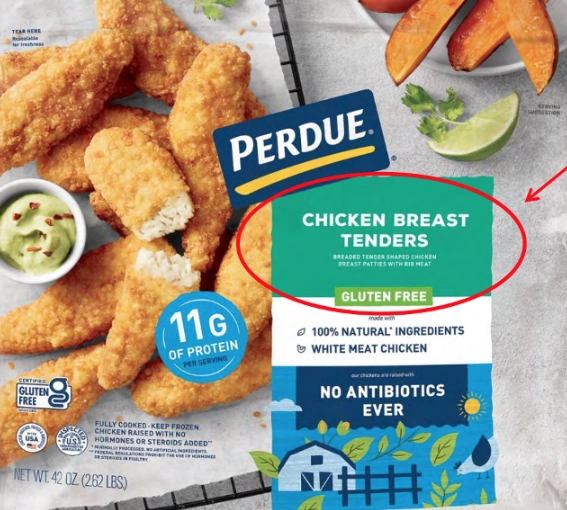
Why Do Perdue Chicken Recalls Happen? Understanding the Reasons
Let's get straight to the point. No company wants to issue a recall. It's costly, it damages reputation, and it creates a logistical nightmare. So when Perdue announces a recall, it's because they've identified a potential problem that they, or regulators like the USDA's Food Safety and Inspection Service (FSIS), believe poses a risk to consumers.
The reasons behind Perdue chicken recalls typically fall into a few specific categories. Knowing these can help you understand the level of risk involved.
Foreign Material Contamination
This is a big one. It means something that shouldn't be in the food has gotten in. We're talking about pieces of plastic, metal, or rubber from processing equipment. I remember reading one report where the issue was bits of white plastic. It sounds like a minor thing until you think about someone choking on it or damaging a tooth.
The USDA classifies these as "Class I" recalls, which is the most serious type. It means there's a reasonable probability that eating the food will cause serious health problems or death. For foreign material, the risk is often physical injury.
Potential for Listeria monocytogenes
This bacteria is public enemy number one in the ready-to-eat meat world. Listeria can cause listeriosis, a serious infection that is particularly dangerous for pregnant women, newborns, the elderly, and people with weakened immune systems. The scary part? Unlike many other foodborne bugs, Listeria can grow at refrigerator temperatures.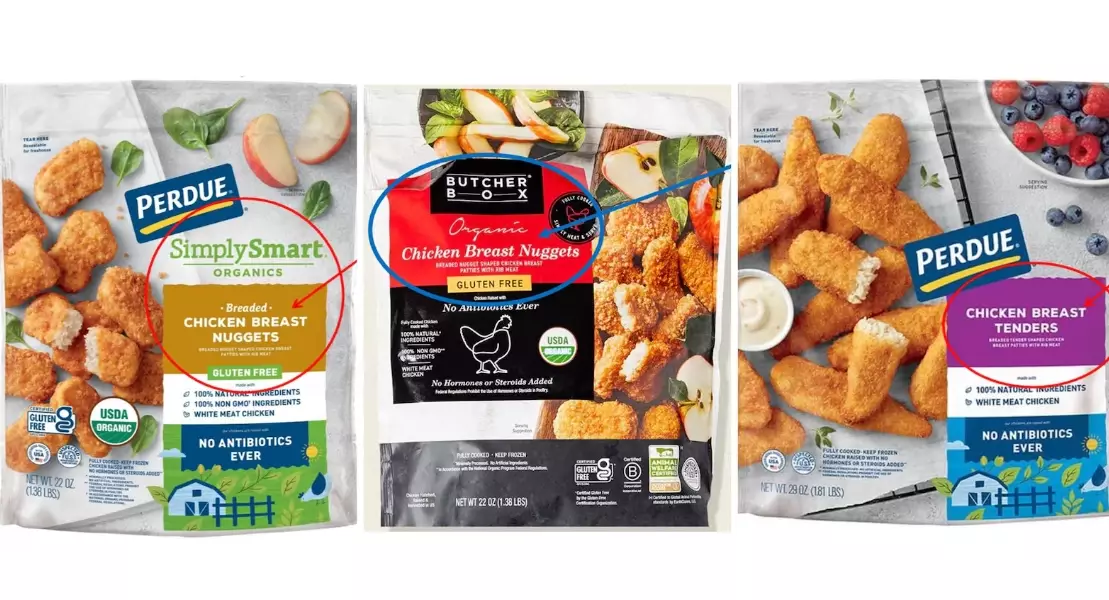
Many Perdue chicken recalls are initiated because routine testing by the company or by the USDA detected the *potential* presence of Listeria. Sometimes it's a positive test on a surface in the facility, not necessarily on the product itself, but the recall is issued out of an abundance of caution. You can find detailed information on Listeria risks on the CDC's Listeria page.
Misbranding and Undeclared Allergens
This might sound less dramatic than bacteria, but don't underestimate it. A recall for an undeclared allergen, like milk or soy, is a life-and-death matter for someone with a severe allergy. If the label says "gluten-free" but the product contains wheat, or if it doesn't list milk but milk powder was used in a seasoning, that's a major problem.
These recalls happen because of errors in the packaging line—wrong labels placed on products, or a formulation change that wasn't properly reflected on the label. For someone with a food allergy, accurate labeling is their primary line of defense.
Other Less Common Reasons
Occasionally, you might see a recall for other reasons like possible Salmonella contamination (more common in raw chicken, but a risk in prepared products if not cooked properly) or even quality issues like spoilage. The bottom line is that the trigger is always a deviation from the standards that ensure food is safe, wholesome, and accurately labeled.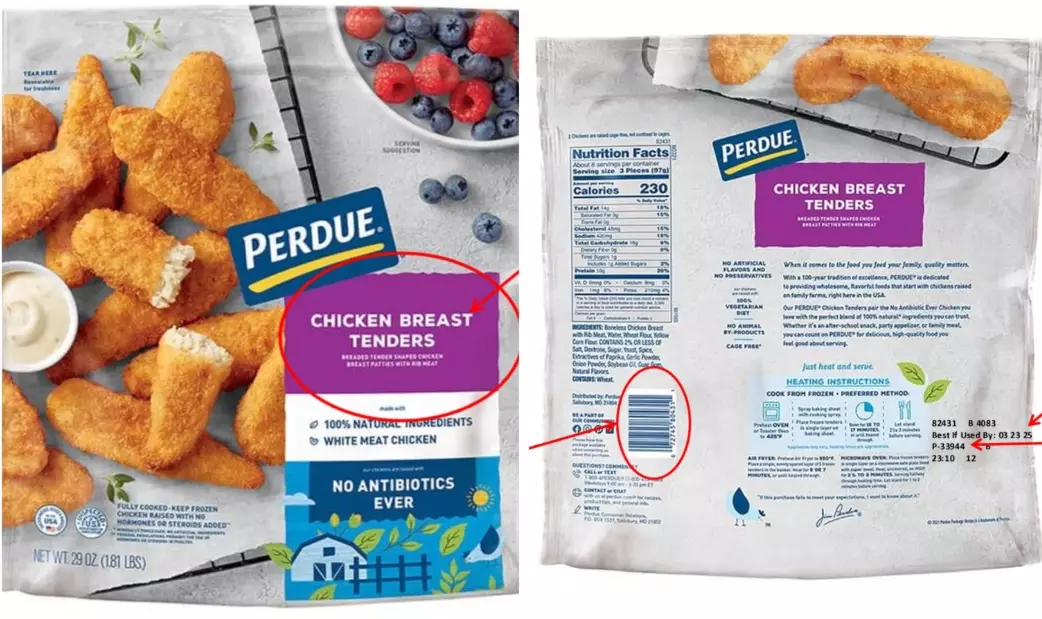
A Look Back: Notable Perdue Chicken Recall Cases
It helps to look at real examples to understand the scope and pattern. Perdue chicken recalls aren't a constant thing, but they do occur with some regularity. Here’s a breakdown of some significant recalls that highlight the different causes. This isn't an exhaustive list, but it shows you what to look for.
| Recall Date | Primary Reason | Products Involved | Key Identifier (Example) |
|---|---|---|---|
| February 2023 | Potential Foreign Material (Plastic) | Perdue Gluten Free Breaded Chicken Breast Tenders | "Use By" dates of 10/25/23, 10/26/23, 10/27/23 |
| October 2022 | Misbranding & Undeclared Allergen (Milk) | Perdue Harvestland Organic Grilled Chicken Bites | Lot codes P-33944, P-33945, P-33946, P-33947 |
| June 2021 | Potential Listeria monocytogenes | Perdue Simply Smart Organics Breaded Chicken Breast Chunks | "Best By" date of 10/25/2021 |
| August 2019 | Potential Foreign Material (Metal) | Perdue Fun Shapes Chicken Breast Nuggets | "Best If Used By" date of 10/25/2019 |
| July 2018 | Potential Salmonella (in live chickens) | Various fresh chicken products (whole birds, parts) | This was a farm-level alert affecting multiple brands |
See a pattern? The ready-to-eat, breaded products like tenders and nuggets show up often. These are more complex to produce—involving batter, breading, frying, and freezing—which introduces more steps where things can go wrong. Fresh, raw chicken parts are less frequently subject to Perdue chicken recalls for things like foreign material, but they carry their own inherent risk of bacteria like Salmonella and Campylobacter, which are killed by proper cooking.
The dates in the table are crucial.
They're not random. They usually represent a single production run from a specific day or shift at one facility. That's why recalls are often limited to very specific "Best By" dates or lot codes. It's not necessarily all Perdue chicken everywhere.
Step-by-Step: What to Do If You Have Recalled Perdue Chicken
Okay, let's say you've heard a news alert or a friend mentioned a Perdue recall. You go to your freezer. Now what? Don't panic. Follow these steps methodically. I've had to do this twice, and having a clear plan makes it much less stressful.
Your Action Plan for a Perdue Chicken Recall
- Locate the Product. Find the exact package. Don't rely on memory. You need to look at the label physically.
- Identify the Key Details. Find the product name (e.g., "Perdue Gluten Free Chicken Breast Tenders"), the "Best By," "Use By," or "Sell By" date, and the lot code or establishment number. This is usually a string of numbers and letters printed on the bag or box.
- Verify Against the Official Notice. Go to the official source. The USDA-FSIS Recall Website is the gold standard. Search for "Perdue." Compare the product name, date, and code in the recall release with your package. If they match, you have a recalled product.
- Do Not Consume. This bears repeating. If it's a match, do not eat it. Even if it's a "potential" issue or you think cooking will kill bacteria. For foreign material or allergens, cooking does nothing.
- Decide on Disposal or Return. You have two main options:
- Dispose of it safely: Throw the product away in a sealed bag so people or animals can't get to it. Take a photo of the product and the label first—you'll need proof for a refund.
- Return to place of purchase: Most retailers will accept the recalled product for a full refund, even without a receipt. This is often the easiest path.
- Request a Refund from Perdue. Even if you get a store refund, you can also contact Perdue Consumer Affairs. They usually have a dedicated phone line or online form for the specific recall. Have your product details and photo ready. They may ask you to mail in a portion of the label or a UPC code.
- Clean Up. If the product leaked or you handled it, clean any surfaces, utensils, and your hands with hot, soapy water. This is especially important for potential bacterial contamination.
What if the details don't match perfectly? Say the product name is right but the date is one day off? My rule of thumb is: when in doubt, throw it out or return it. The value of the product isn't worth the anxiety or potential risk. Perdue's customer service can often clarify if your specific code is part of a broader batch.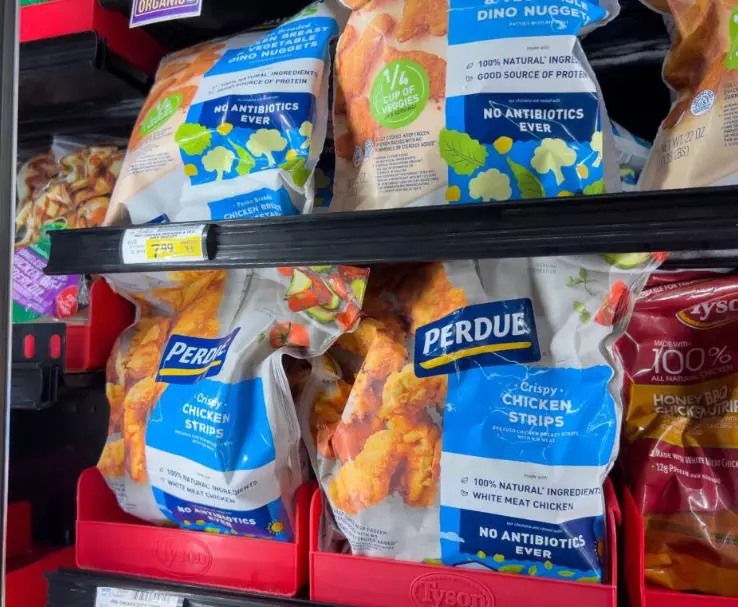
Your Questions Answered: Perdue Chicken Recall FAQ
I get a lot of the same questions from people worried about these recalls. Let's tackle them head-on.
Besides checking the USDA site, you can sign up for recall alerts directly from the USDA. Many local news stations also report on recalls affecting their area. Perdue will also post recall information on their own website, usually under a "News" or "Food Safety" section. Frankly, I find the USDA site the most reliable and fastest.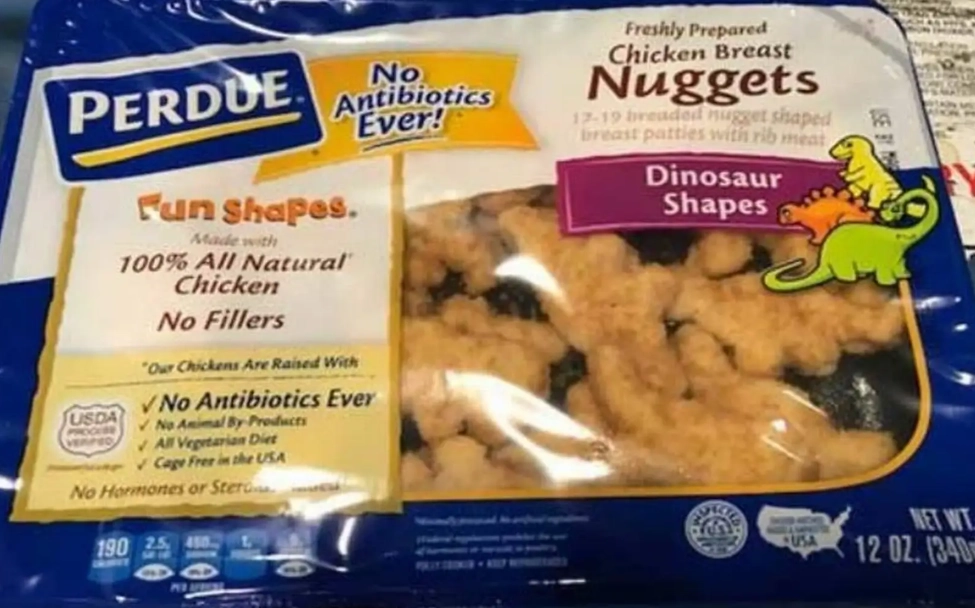
Yes, they will. Companies are legally obligated to provide a remedy for recalled products, which is almost always a full refund. You can go through the store or contact Perdue directly. The direct refund might take a few weeks—they often send a check in the mail. The store refund is immediate. Keep your proof of purchase if you have it, but it's often not required for a widespread public recall like this.
This depends entirely on the reason for the recall. For a mislabeling/ allergen recall, if you don't have that specific allergy, you're likely fine. For a potential Listeria recall, the incubation period can be up to 70 days, though symptoms usually start within a few days. If you are in a high-risk group (pregnant, immunocompromised, etc.) and you ate product from a Listeria-related Perdue chicken recall, it's wise to contact your doctor and mention the exposure. For foreign material, if you didn't notice anything while eating, you're probably okay, but be aware of any sudden pain or discomfort.
This is a fair question. A few factors are at play. First, Perdue is one of the largest poultry producers in the U.S., so statistically, they have more product in circulation that could be affected by an issue. Second, they have extensive internal testing protocols. Sometimes, a Perdue chicken recall is initiated by *their own* testing before any product even causes illness. This is actually a sign of a robust food safety system trying to catch problems early. It doesn't mean their chicken is inherently less safe than other brands; it might mean they are catching more issues proactively. That said, repeated recalls for similar reasons (like foreign material) would indicate a systemic problem that needs fixing.
That's a personal decision. I still buy them, but with more awareness. A recall shows a failure in the process, but the company's response—taking responsibility, issuing a clear public notice, offering refunds—matters. I'm more wary of companies that try to hide problems. The fact that Perdue chicken recalls are publicly announced means the system is working to some degree. I'm just extra diligent about checking dates and being aware of any news for a week or two after I buy a batch.
Beyond the Recall: How to Minimize Your Risk with Poultry
Recalls are reactive. The best defense is proactive, safe handling in your own kitchen. This is true for *all* chicken, not just Perdue. Let's talk about some non-negotiable practices.
Safe Handling from Store to Plate
- Separate: Bag raw chicken separately in your grocery cart and fridge. Use a dedicated cutting board for raw meat.
- Chill: Get chicken into the refrigerator or freezer within 2 hours of purchase (1 hour if it's over 90°F outside). Never thaw it on the counter. Use the fridge, cold water, or microwave.
- Clean: Wash your hands with soap and water for at least 20 seconds before and after handling raw chicken. Sanitize counters, sinks, and utensils that touched raw chicken. A simple bleach solution (1 tbsp bleach per gallon of water) works.
- Cook: This is the most critical step for bacterial risks like Salmonella. Cook all raw chicken to a safe internal temperature of 165°F as measured by a food thermometer. Check the thickest part of the meat. Color is not a reliable indicator.
Smart Shopping Habits
Buy frozen products from the back of the freezer case where the temperature is most stable. Check packages for tears, excessive ice crystals (freezer burn), or bloating (a sign of possible spoilage). And you know what? Consider buying from a local butcher or farmer if you can. You often get more transparency about the source.
It's easy to feel powerless when a big company announces a recall, but you're not. You have the information to check your food, the right to a refund, and the ability to handle all poultry safely to protect your household. Stay informed, stay safe, and don't let the fear of a potential Perdue chicken recall ruin your enjoyment of a well-cooked meal. Just be smart about it.
Knowledge is your best tool.
Now you have it. Go check your freezer with confidence.
Related Articles