Chicken Drumsticks Protein: The Ultimate Guide to Nutrition & Recipes
Let's talk about chicken drumsticks. You see them at the grocery store, they're almost always cheaper than breasts, and you've probably heard they're a good source of protein. But then you also hear about the skin, the fat, and suddenly it's confusing. Is it a smart choice for your goals or just a tasty compromise? I've been cooking and meal-prepping with chicken for over a decade, both for myself and for clients, and I can tell you most people get this wrong in subtle but important ways. It's not just about the grams of protein in a drumstick. It's about how you prepare it, what you pair it with, and understanding what that protein actually does for you. This guide will cut through the noise.
What's Inside?
Exactly How Much Protein Is in a Chicken Drumstick?
This is where we start, but most sources give you a vague average that's practically useless. You need specifics. The data from the USDA FoodData Central is your bible here, but you have to read it right.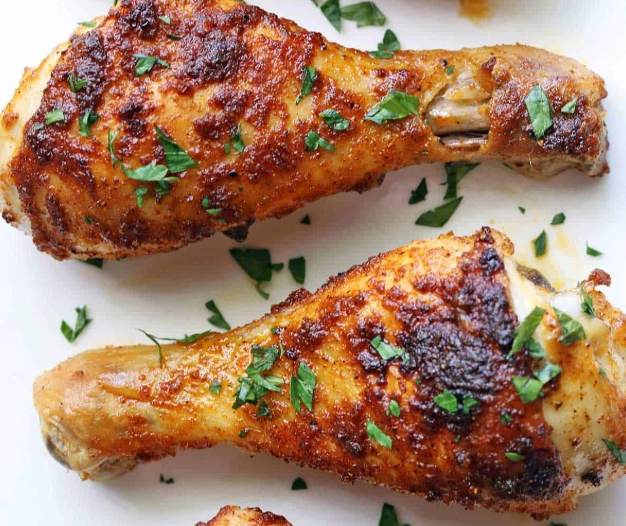
A typical raw, bone-in chicken drumstick with skin weighs about 4 ounces (113 grams). After you cook it, the weight changes because water leaves. This is the first mistake people make – comparing raw weights to cooked weights from different sources.
Here’s the breakdown for one cooked drumstick (approx. 3.2 oz or 90g edible portion), based on USDA standards:
| Preparation | Protein (grams) | Total Fat (grams) | Calories | Key Takeaway |
|---|---|---|---|---|
| With Skin, Roasted | ~22g | ~12g | ~216 | Great flavor, higher calorie. Fat isn't "bad," it helps absorb vitamins. |
| Skinless, Roasted | ~24g | ~5g | ~155 | Leaner option. You lose some juiciness but get more protein per calorie. |
| Skinless, Stewed | ~26g | ~6g | ~175 | Often higher protein because it's cooked with moisture, less shrinkage. |
See the difference? Cooking method matters almost as much as removing the skin. A stewed or braised skinless drumstick can give you more protein than a roasted one because the gentle cooking preserves more of the meat's mass.
My take: Obsessing over removing the skin every single time is a beginner move. If you're active and need the calories, eating the skin occasionally (especially from a well-seasoned, crispy roasted drumstick) makes the diet sustainable. The protein content is still excellent. The problem isn't the skin once a week; it's the deep-frying and sugary glazes that often come with it.
Why Your Cooking Method Changes the Protein Game
You can't just throw a drumstick in any which way and expect optimal results. Different methods affect texture, moisture, and even how your body accesses that protein.
High-Heat Roasting/Baking (The Standard)
This is fine. 400°F (200°C) until the internal temp hits 165°F (74°C). The problem? Most people overcook them to 180°F+ because they're scared of pinkness near the bone. That's a mistake. Overcooked protein is tougher and some studies suggest it may be slightly harder to digest. Use a meat thermometer. Pull them at 165°F, tent with foil, and let rest. The carryover cooking will finish the job perfectly.
Braising or Stewing (The Underrated Champion)
This is my secret for meal prep. Cooking drumsticks low and slow in a liquid (broth, tomatoes) does two things. First, the collagen and connective tissue break down into gelatin, making the meat incredibly tender and juicy. Second, because the meat cooks in a sealed, moist environment, there's less moisture loss. You often end up with a slightly higher yield of edible meat—and thus protein—per drumstick compared to dry-heat methods. The liquid also becomes a flavor-packed sauce, so you're not losing any nutrients to the pan.
Grilling (The Flavor Booster)
Great for flavor, but the direct heat can cause more shrinkage if you're not careful. To lock in protein and juices, start with high heat to sear the outside, then move to indirect heat to cook through. Marinating beforehand isn't just for taste; the acid can slightly tenderize the surface, potentially making the protein easier to break down during digestion.
The subtle error I see? People only roast. Try braising. A big pot of drumsticks in a savory broth with herbs on a Sunday gives you tender, pull-off-the-bone meat perfect for salads, soups, and grain bowls all week.
Building a Muscle-Building Meal Around Drumsticks
A drumstick alone isn't a meal. To make that protein work for recovery and growth, you need to pair it strategically. Here’s a simple, non-AI framework I use: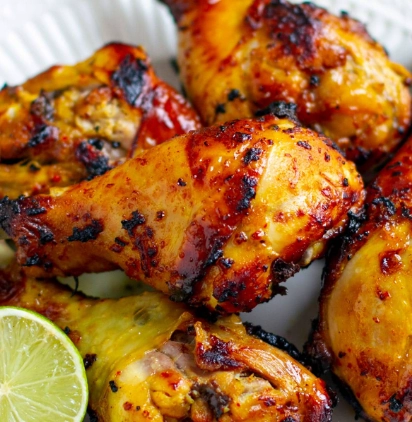
- The Protein Anchor: 2-3 skinless, roasted or braised drumsticks (≈50-70g protein).
- The Fiber & Volume: A huge portion of a non-starchy vegetable. Think a whole plate of roasted broccoli, a massive spinach salad, or sautéed bell peppers and zucchini. This aids digestion and fills you up.
- The Smart Carb: This is where you tailor it. For post-workout, add a fist-sized serving of a faster-digesting carb like white rice, sweet potato, or quinoa to replenish glycogen. For a regular meal, opt for slower carbs like brown rice, lentils, or beans for sustained energy.
- The Flavor & Fat Factor: A tablespoon of a healthy fat for satiety and nutrient absorption. This could be half an avocado, a drizzle of olive oil on your veggies, or a small handful of nuts in your salad.
This isn't a rigid recipe; it's a template. You're covering all bases: high-quality protein for repair, fiber for gut health and fullness, carbs for energy, and fats for hormones and absorption. The drumstick is your affordable, flavorful centerpiece.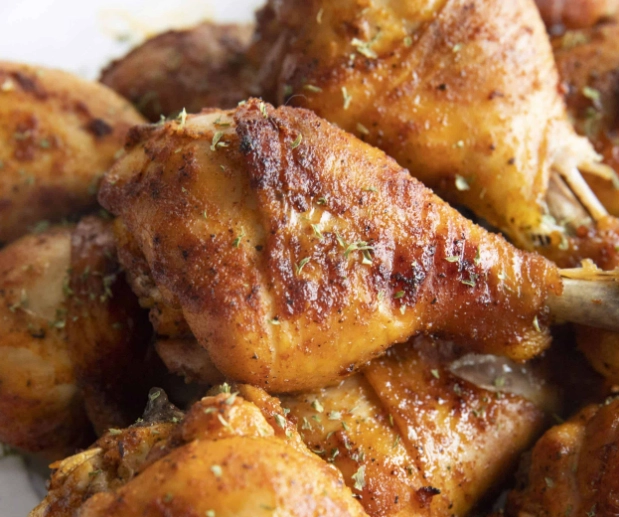
3 High-Protein Drumstick Recipes You'll Actually Make
Forget dry, boring chicken. These methods maximize flavor and protein retention.
1. "Set-It & Forget-It" Braised Mediterranean Drumsticks
This is ultimate meal prep. In a Dutch oven, brown 6-8 skinless drumsticks. Remove, then sauté an onion and 4 garlic cloves. Add 2 cups chicken broth, a 14-oz can of diced tomatoes, 1 tbsp dried oregano, and a pinch of red pepper flakes. Nestle the drumsticks back in. Bring to a simmer, then cover and cook on low heat (or in a 300°F oven) for 1.5 hours. The meat will be fall-apart tender. Shred it off the bone. Protein Power: Braising liquid keeps everything moist. Use the shredded meat in bowls, on salads, or in wraps for days.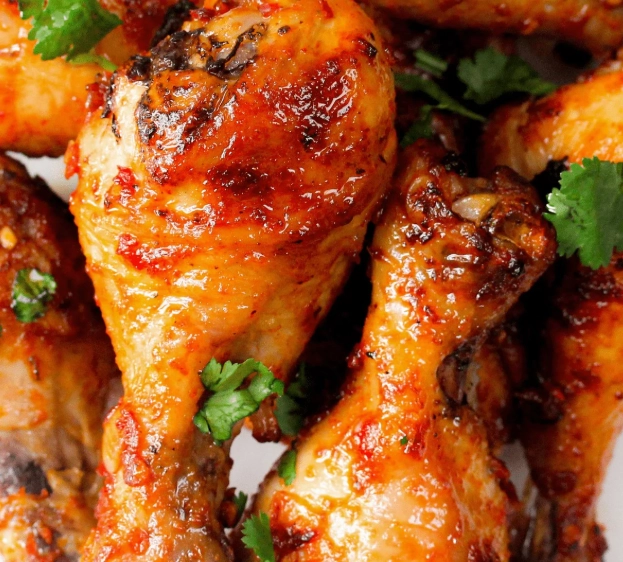
2. Crispy Sheet-Pan Protein Drumsticks
Pat 8 drumsticks very dry. Toss with 2 tbsp olive oil, 1.5 tsp paprika, 1 tsp garlic powder, 1 tsp salt, and ½ tsp black pepper. Arrange on a parchment-lined sheet pan with thick chunks of sweet potato and broccoli. Roast at 425°F for 35-40 minutes, flipping halfway, until skin is crispy (or meat reaches 165°F if skinless). Protein Power: High heat creates a crust that seals in juices. The veggies cook in the rendered fat (if using skin-on), making the whole meal easy and flavorful.
3. "5-Ingredient" Go-To Grilled Drumsticks
Whisk together ½ cup plain Greek yogurt, juice of 1 lemon, 2 tbsp curry powder, and 1 tsp salt. Coat 6-8 skinless drumsticks thoroughly. Let marinate for at least 2 hours, overnight is best. Grill over medium-high heat, turning occasionally, for 25-30 minutes until nicely charred and cooked through. Protein Power: The yogurt marinade tenderizes the meat and helps the seasoning stick, preventing dryness on the grill. The result is incredibly juicy, flavorful chicken every time.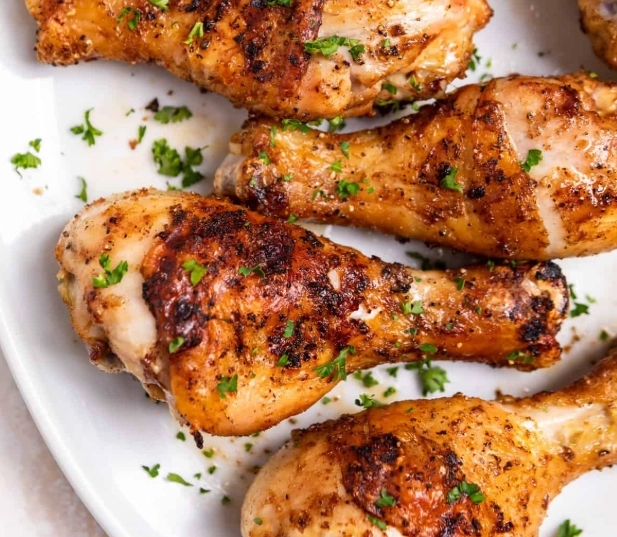
Your Drumstick Protein Questions, Answered
How can I make chicken drumsticks less greasy if I want to keep the skin on?
It's all about rendering the fat properly. Before seasoning, pat the skin extremely dry with paper towels. Then, start them in a cold oven or on a cooler part of the grill, skin-side up. The gentle, rising heat slowly renders the fat out from under the skin, making it crisp up instead of just getting soggy. Finish with higher heat for ultimate crispiness. The grease will be left in the pan, not in your mouth.
Is the protein in a drumstick as good as the protein in a chicken breast for building muscle?
Biologically, yes. It's the same complete protein, containing all essential amino acids. The practical difference is the protein-to-calorie ratio. Breast is leaner, so you get more protein for fewer calories, which can be helpful in a strict cutting phase. However, the slightly higher fat content in drumsticks can aid in hormone production (like testosterone) and keep you fuller longer, which supports consistent training. For most people not in a competition prep phase, drumsticks are a superior choice for sustainability and satisfaction.
Can I eat chicken drumsticks every day for protein?
You could, but I wouldn't recommend it for the long term, and not for a reason you might think. It's not about the chicken itself. Nutritional diversity is key for getting a full spectrum of vitamins, minerals, and fats. If drumsticks become your only protein source, you're missing out on the different nutrient profiles of fish (omega-3s), red meat (iron, B12), legumes (fiber), etc. Rotate your proteins. Use drumsticks as a cheap, tasty staple 2-3 times a week, not as a monodiet.
What's the biggest mistake people make when counting protein from drumsticks?
They weigh it with the bone. You'll massively overestimate your protein intake. Always weigh your meat after cooking and after removing the bone. A simple kitchen scale is non-negotiable for accuracy. The second mistake is not accounting for cooking loss. If your recipe log says "150g raw drumstick meat," but you weighed 110g after roasting, you need to log the 110g cooked weight using a "cooked chicken" entry in your tracker, not the raw entry.
Chicken drumsticks are a powerhouse when you understand them. They're not just the cheaper, darker meat option. They're a versatile, forgiving, and flavor-packed vehicle for high-quality protein. Stop overthinking the skin. Start mastering a cooking method like braising. Build your plate around them wisely. You'll save money, enjoy your food more, and hit your protein targets without the burnout that comes from an endless parade of dry chicken breasts. Now go grab a pack and cook something good.
Related Articles