Butterfly Chicken Breast: A Step-by-Step Guide for Perfect Cooking
You know the struggle. A plump, promising chicken breast goes into the pan, and 15 minutes later, you're cutting into a dry, stringy disappointment. The outside is leathery, the inside is somehow still a bit rubbery near the bone (if you left it in), and the flavor is... well, it's chicken. It doesn't have to be this way. The single most effective technique to banish dry chicken breast from your kitchen isn't a fancy marinade or a sous-vide machine—it's a simple knife skill called butterflying.
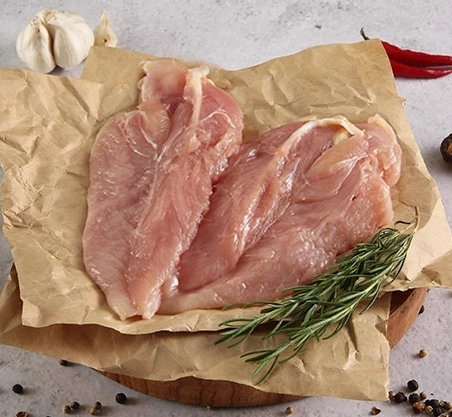
Butterflying, or spatchcocking a chicken breast, means slicing it horizontally almost all the way through and opening it up like a book. This transforms a thick, uneven hunk of meat into a thin, uniform cutlet. That uniform thickness is the game-changer. It cooks quickly and evenly from edge to edge, eliminating the raw-in-the-middle, dry-on-the-outside paradox. Once you learn how to butterfly a chicken breast, it becomes the foundation for faster weeknight dinners, better grilling, perfect stuffing, and yes, actually juicy results.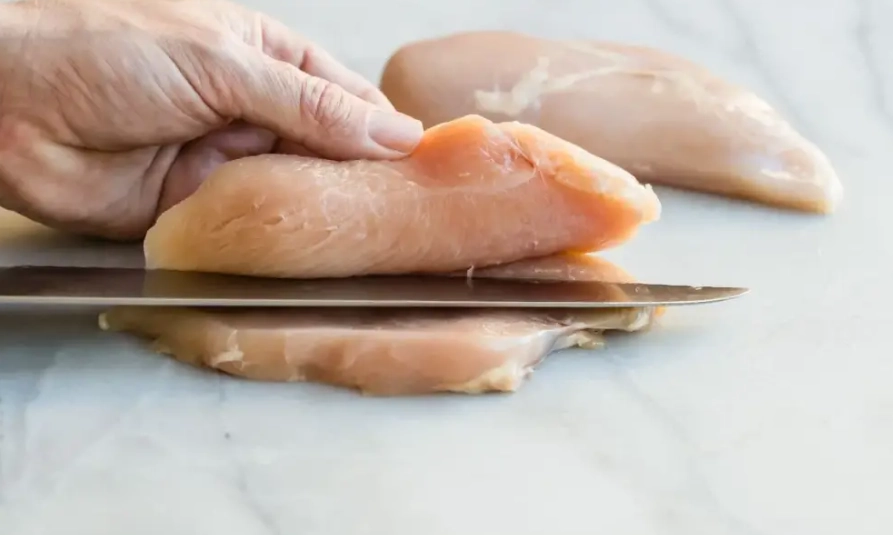
What You'll Learn Inside
Why Bother Butterflying? (It's Not Just About Speed)
Sure, a butterflied breast cooks in half the time. That's a major win on a Tuesday night. But the benefits run deeper.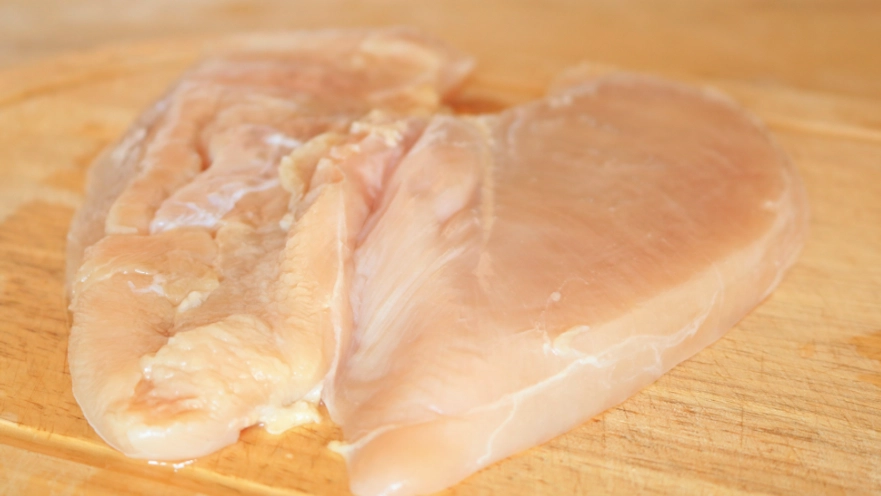
Even Cooking is the Holy Grail. A standard chicken breast can vary from 3/4 inch to over 2 inches thick. Thermal dynamics don't care about your dinner plans; the thin part will overcook while waiting for the thick part to be safe. Butterflying creates a consistent canvas, so every bite reaches the ideal internal temperature of 165°F (74°C) at roughly the same moment. The USDA recommends this temperature for safety, and pulling it at 160°F allows for perfect carry-over cooking.
Maximum Flavor Absorption. More surface area means more room for marinades, rubs, and seasonings to cling. Instead of flavor just on the outside, it penetrates more effectively throughout the thinner piece.
Versatility for Days. That flat, even cutlet is a blank slate. You can pound it even thinner for schnitzel or chicken parmesan, roll it around a filling for a roulade, or simply throw it on a screaming hot grill for perfect char marks in minutes.
I learned this the hard way. For years, I thought my marinade was the problem. I'd soak breasts for hours, only to get that same disappointing texture. The day I finally mastered the butterfly cut was the day I stopped being afraid of cooking plain chicken breast.
How to Butterfly a Chicken Breast: The Detailed Guide
Let's get to the main event. You need a sharp chef's knife, a stable cutting board, and one boneless, skinless chicken breast. A sharp knife is non-negotiable—a dull one will tear the meat and make the process frustrating and dangerous.
The Step-by-Step Process
- Find the Seam. Place the breast on your board. You'll notice one side is smoother (the outer side) and one has a loose flap of meat and maybe a tendon (the inner side). Place it so the inner side is up and the thicker long side is facing you. Locate the natural seam where the two main muscle sections meet, running along the side.
- Anchor and Slice. Place your non-dominant hand flat on top of the breast to anchor it firmly. With your sharp knife held parallel to the board, start slicing into the thicker side of the breast, right along that natural seam. Imagine you're trying to open a paperback book without separating the pages.
- The "Almost-Through" Cut. Continue slicing horizontally, using a smooth back-and-forth sawing motion, keeping the knife level. Your goal is to stop about 1/2 inch from the opposite edge. Do not cut all the way through. That last half-inch acts as a hinge.
- Open the Book. Open the breast up along the cut. It should now lie flat, resembling a butterfly or a heart. You'll see it's much larger and thinner.
- The Optional (But Recommended) Pound. Even after butterflying, the end where the hinge is might be a bit thicker. For absolute perfection, place the opened breast between two sheets of plastic wrap or inside a large zip-top bag. Using a rolling pin, meat mallet, or even the bottom of a heavy skillet, gently pound it out to an even 1/2-inch thickness. Don't beat it violently—gentle, even thumps work best.
How to Cook Your Perfectly Butterflied Breast
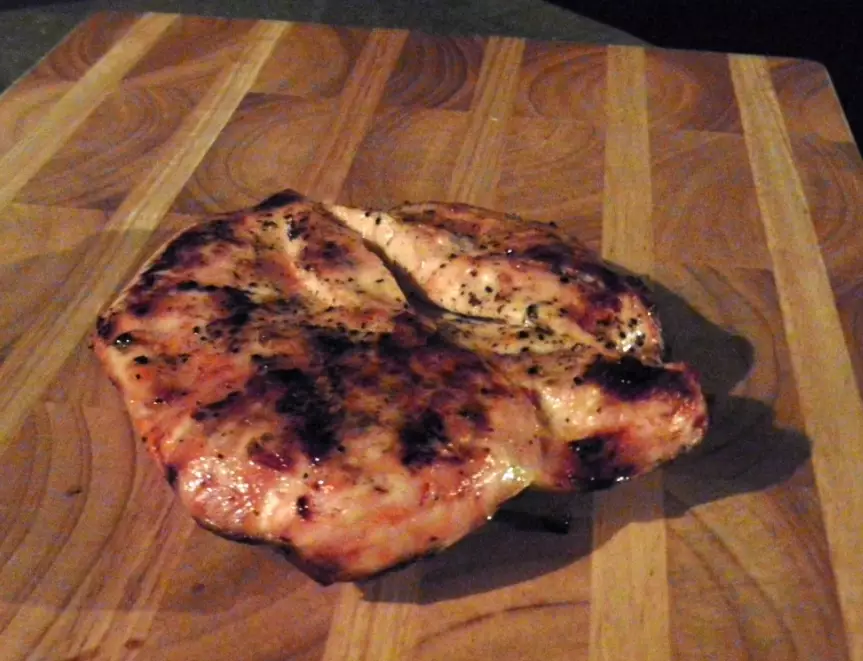
Now for the fun part. That uniform cutlet is ready for almost any high-heat method. Here’s a quick comparison to help you choose.
| Method | Best For | Time & Temp Guide | Key Tip |
|---|---|---|---|
| Pan-Searing | Crispy skin (if using), fast weeknights, pan sauces. | 3-4 mins per side in a hot skillet (preferably cast-iron or stainless steel). | Let the pan get hot before adding oil. Don't move the chicken for the first 2 minutes to get a good sear. |
| Grilling | Summer cookouts, smoky flavor, char marks. | 3-5 mins per side over direct medium-high heat (approx. 400°F/200°C). | Oil the grates well. Use a meat thermometer to avoid guesswork. |
| Baking/Roasting | Hands-off cooking, cooking multiple breasts evenly. | 15-18 mins at 400°F (200°C) on a baking sheet. | For extra juiciness, bake on a bed of vegetables or a wire rack. |
| Air Frying | Quick, crispy results with less oil. | 10-12 mins at 375°F (190°C), flip halfway. | Don't overcrowd the basket. A light spray of oil helps browning. |
The Universal Rule: Use a digital meat thermometer. Insert it into the thickest part. Pull the chicken off the heat at 160-162°F (71-72°C). Residual heat will carry it to the safe 165°F while it rests. Let it rest for 5-10 minutes before slicing—this lets the juices redistribute. Cutting in too soon sends all those precious juices onto your cutting board.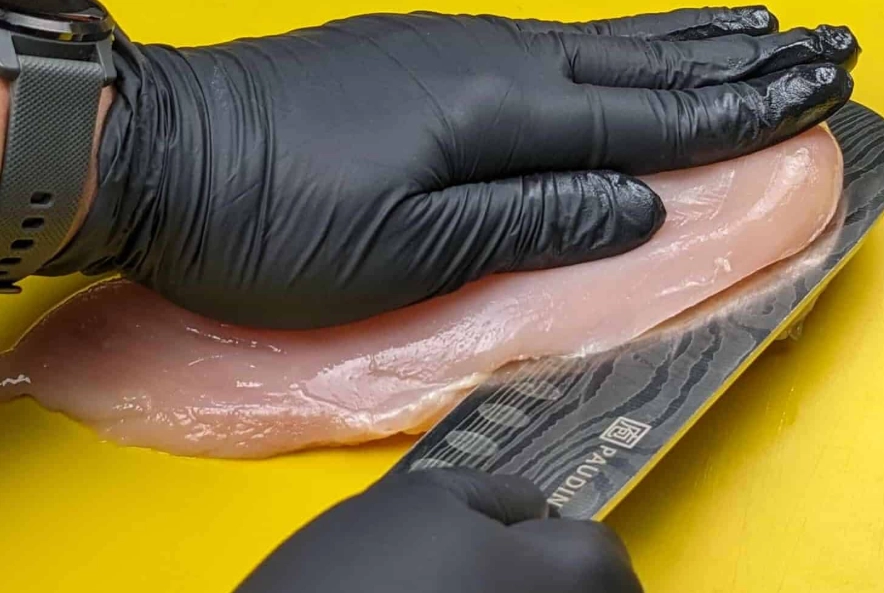
Putting It Into Practice: A Simple Lemon-Herb Butterflied Chicken
Let's make a meal. This is my go-to 20-minute dinner.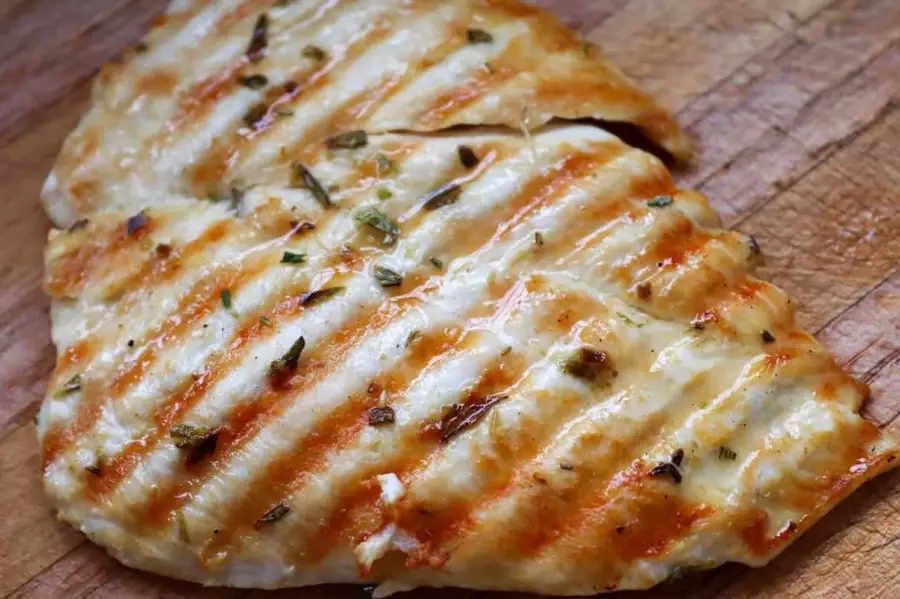
Ingredients: 2 butterflied (and optionally pounded) chicken breasts, 2 tbsp olive oil, zest and juice of 1 lemon, 2 cloves minced garlic, 1 tsp dried oregano (or 1 tbsp fresh), salt, black pepper, a handful of fresh parsley.
Method: In a bowl, mix the olive oil, lemon zest, lemon juice, garlic, oregano, a big pinch of salt, and a few cracks of pepper. Add the chicken breasts and coat them well. You can cook immediately, but 15 minutes of marinating is great.
Heat a skillet over medium-high heat. Add a drizzle of oil. Shake off excess marinade from the chicken and place it in the hot pan. Cook for 3-4 minutes without touching it, until you see a golden-brown crust forming. Flip and cook for another 3-4 minutes until cooked through (check with a thermometer!).
Transfer to a plate, sprinkle with fresh parsley, and let rest. You can deglaze the pan with a splash of chicken broth or white wine and a pat of butter to make a quick sauce while the chicken rests. Serve with a simple salad or roasted veggies.
See? No more dry chicken. Just fast, flavorful, reliable results.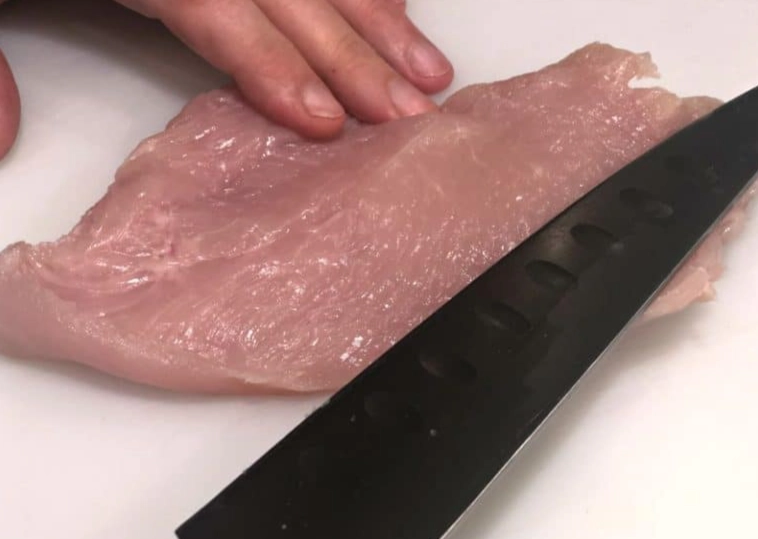
Your Butterflying Questions, Answered
Related Articles