Perfect Electric Stove Fried Chicken: Temperature & Technique Guide
You've got your chicken pieces, your seasoned flour, and a heavy pot. You're ready for crispy, golden, juicy fried chicken. But then you stare at the electric stove dials. Medium? Medium-high? How do you translate "perfect frying temperature" to this glass-top or coil burner? This is where most home cooks hit a wall. I've been there, and I've ruined a few batches figuring it out. The magic number for oil temperature is between 350°F and 375°F (175°C - 190°C). But hitting and holding that sweet spot on an electric stove is the real trick. It's not just about the dial setting; it's about understanding how your appliance behaves.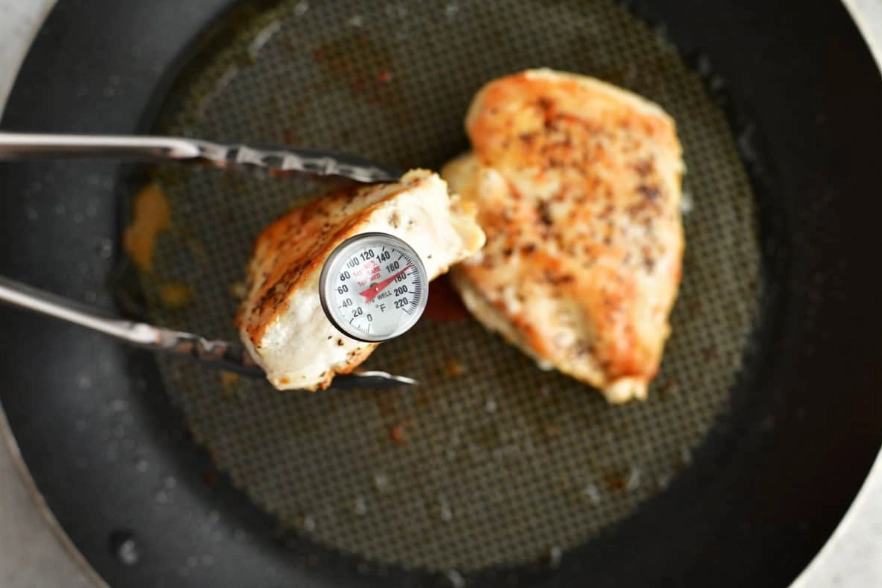
What You'll Learn
Why Getting the Oil Temperature Right is Non-Negotiable
Think of oil temperature as the conductor of your fried chicken orchestra. Too low, and the music is a soggy, greasy mess. Too high, and it's a burnt, bitter disaster. Here's the science in plain English.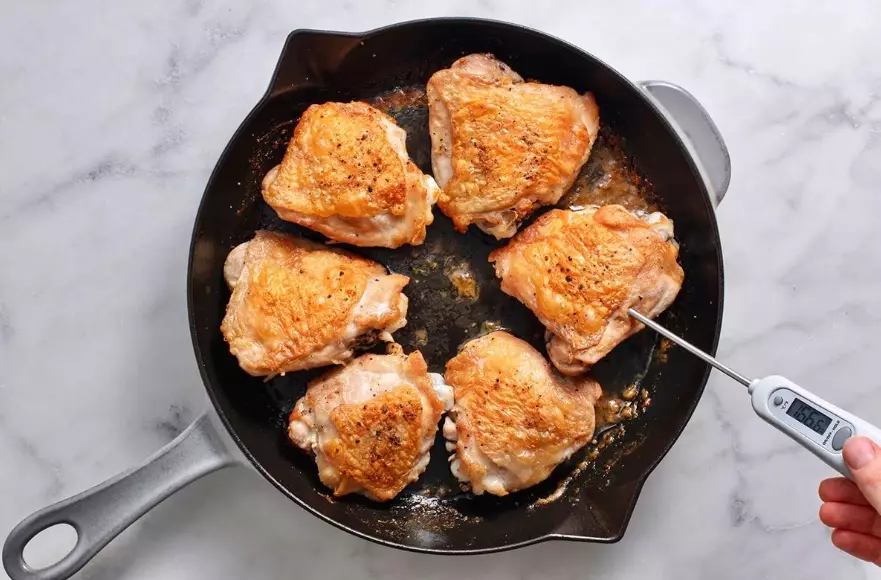
Oil below 350°F (175°C) is timid. It seeps into the breading instead of instantly sealing it. The chicken soaks up the fat like a sponge, resulting in a pale, limp, and oily crust. The meat also cooks slower, leading to dry, overcooked chicken by the time the outside is done. It's the number one reason for disappointing fried chicken.
Oil above 375°F (190°C) is aggressive. It burns the outside coating before the heat can travel to the center of the meat. You get a dark brown or black crust that tastes bitter, while the chicken underneath is dangerously undercooked. It's a food safety hazard and a waste of good ingredients.
The Golden Temperature Range: 350°F to 375°F
This isn't a single number; it's a working zone. You'll start at the higher end (around 370°F) because adding cold chicken will cause the temperature to drop—a phenomenon more pronounced on electric stoves due to their slower response. You want it to settle into the middle of the zone.
Different cuts and sizes behave slightly differently. Here's a quick reference table I use:
| Chicken Piece | Target Start Oil Temp | Approx. Cook Time | Internal Temp When Done |
|---|---|---|---|
| Boneless, Skinless Thighs/Breasts | 365°F - 370°F (185°C) | 5-7 minutes | 165°F (74°C) |
| Bone-in Thighs & Drumsticks | 360°F - 365°F (182°C) | 10-13 minutes | 175°F (80°C) |
| Wings | 370°F - 375°F (190°C) | 8-10 minutes | 165°F (74°C) |
| Whole Chicken (Cut into 8-10 pieces) | 355°F - 360°F (180°C) | 12-15 minutes (larger pieces) | 165°F Breast, 175°F Dark |
Dark meat with bones (thighs, legs) can handle a slightly longer, slightly lower fry because the fat and connective tissue need more time to break down without the outside burning. That's why I target a touch lower temp for them.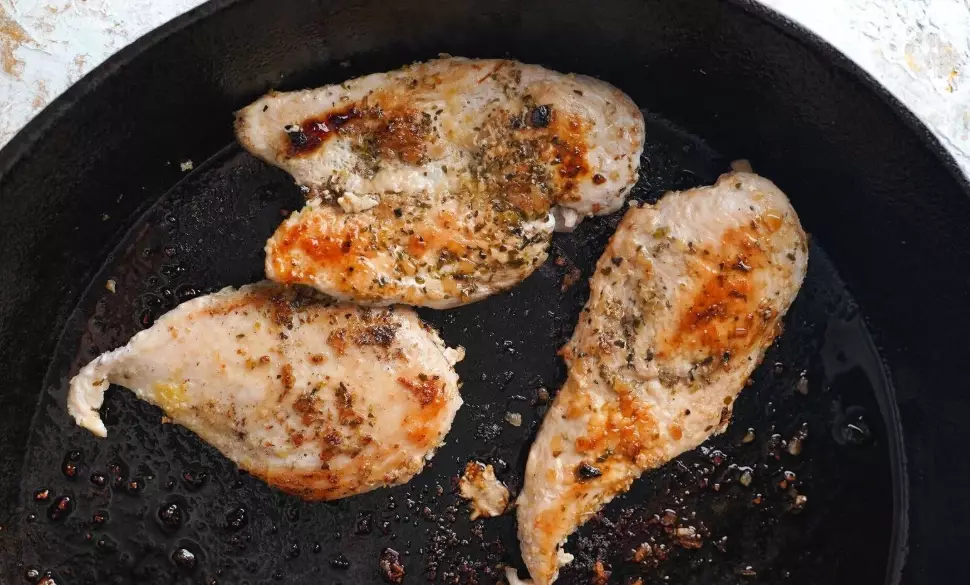
How to Set Your Electric Burner: It's Not Just "Medium-High"
This is the critical translation step. "Medium-high" on a gas stove delivers instant, adjustable heat. On an electric stove, the coil or element cycles on and off to maintain an average temperature. This creates lag and hot spots if you're not careful.
My standard process for a standard 10-inch cast iron or heavy-bottomed Dutch oven, filled 1.5 to 2 inches deep with oil:
- Start High: Turn the burner to High (8 or 9 on a 1-10 dial) to bring the oil up to temperature quickly. Use a clip-on deep-fry or candy thermometer. Don't guess.
- The Pre-Heat Drop: Watch the thermometer like a hawk. As it approaches 375°F, reduce the burner setting. This is key. I typically dial it back to a solid 6 or 6.5.
- Test and Stabilize: The temperature will overshoot a bit, then settle. Let it find its equilibrium around 365-370°F before adding your first batch of chicken.
Your stove might vary. My old coil stove needed a 7 to maintain, while my newer glass-top performs best at a 6. Consider your first batch a test to learn your appliance's personality.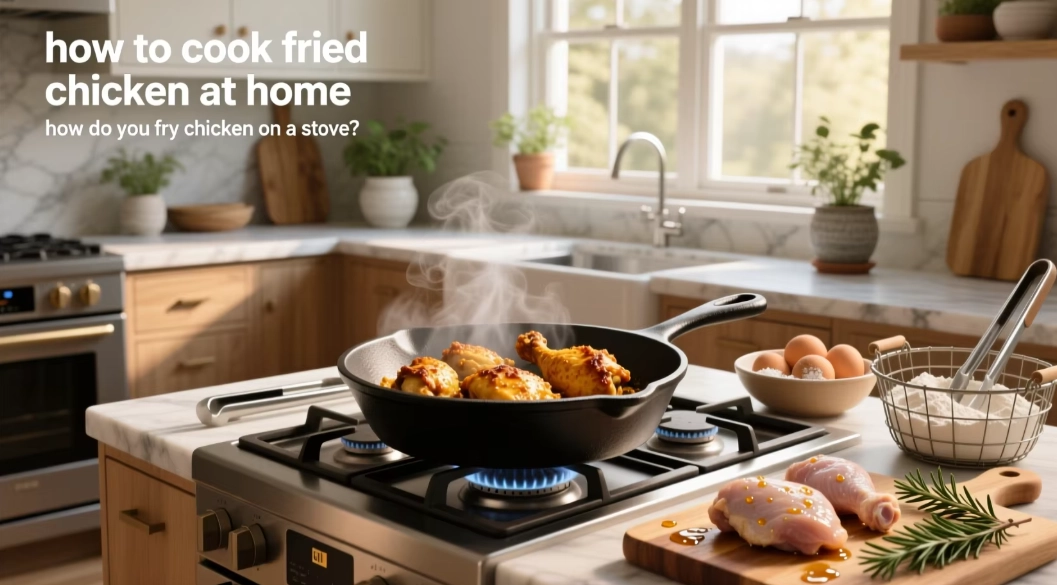
The Foolproof Step-by-Step Electric Stove Frying Process
Let's walk through a real session, frying a mix of thighs and drumsticks.
1. Prep is 80% of the Battle. Pat your chicken bone-dry with paper towels. Moisture is the enemy of crispness and causes violent oil splatter. Season your flour or batter well. Let the dredged chicken sit on a rack for 5-10 minutes—this helps the coating adhere.
2. Choose Your Oil Wisely. You need a high smoke point oil. My go-to is peanut oil (smoke point 450°F). It's neutral and reliable. Canola or vegetable oil work too. Avoid olive oil (too low smoke point) or butter (it will burn).
3. Heat Management During Frying. Add your first batch of chicken pieces gently, don't crowd the pot. I do 3-4 pieces at a time in a 5-quart Dutch oven. The temperature will drop to about 340°F. This is normal. Here's the expert move: Instead of immediately cranking the heat, give it a minute. Let the electric element cycle back on naturally. Monitor the thermometer. If after 90 seconds it's not climbing back above 350°F, then nudge the dial up one notch. Small adjustments prevent wild swings.
4. The Finish and Rest. When the chicken is deep golden brown and has reached the safe internal temperature (use an instant-read thermometer!), transfer it to a wire rack set over a sheet pan—not paper towels. Paper towels trap steam and make the bottom crust soggy. The rack keeps it crisp all around. Let it rest for at least 5 minutes. The carryover cooking will finish the job, and the juices will redistribute.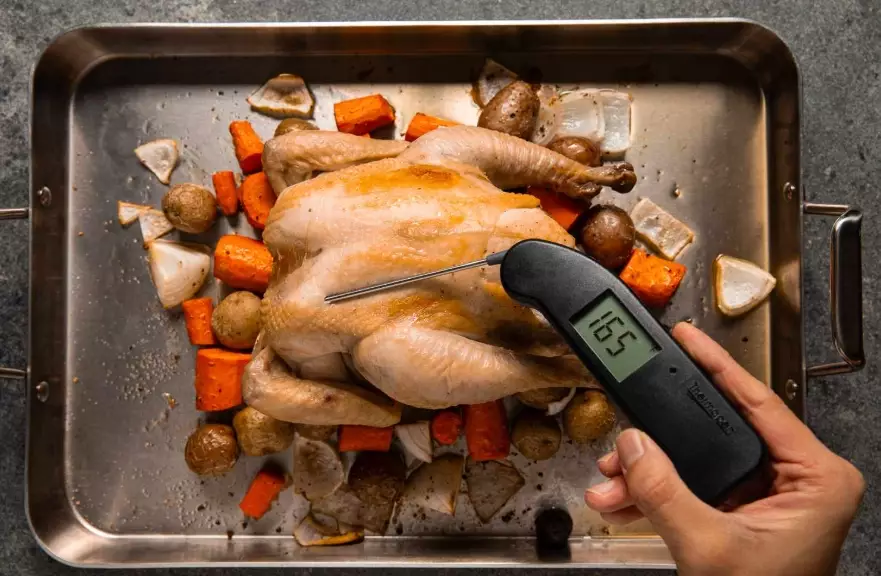
Troubleshooting Common Electric Stove Frying Issues
Even with the right temperature, things can go sideways. Here's how to fix them.
Issue: The outside is dark but the inside is raw. This is classic "too hot, too fast." Your oil was likely above 380°F. Next time, start lower and monitor more closely. For now, you can finish the chicken in a 375°F oven until it reaches a safe internal temperature, though the crust may suffer.
Issue: The crust is soggy and pale, and the chicken is greasy. The oil was too cold. You either didn't let it recover between batches, or you overcrowded the pot. Remember, electric heat recovers slowly. Be patient, fry in smaller batches, and always bring the oil back to 365°F+ before adding more chicken.
Issue: The chicken is sticking to the bottom of the pot. You moved it too soon. When you first add chicken, let it fry undisturbed for at least 2-3 minutes. This allows a crust to form that will naturally release from the pot. Jostling it early tears the coating.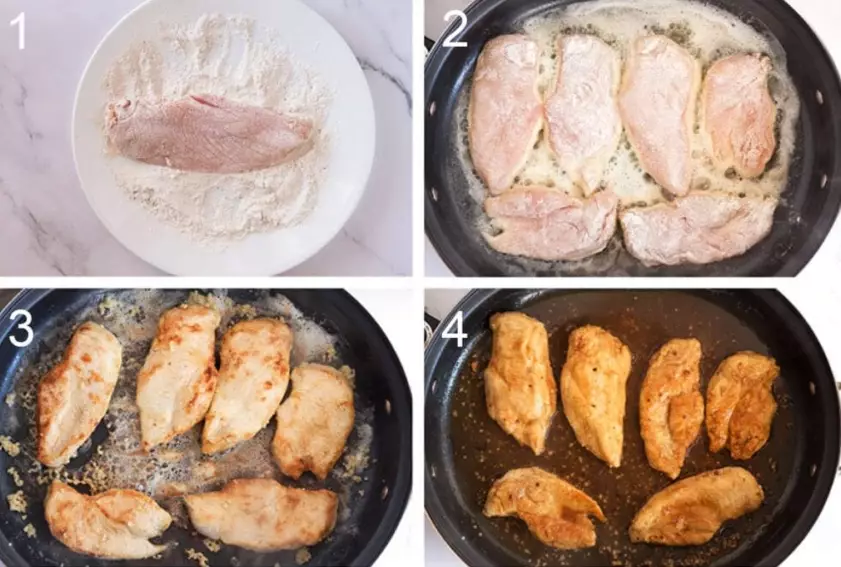
Your Fried Chicken Questions, Answered
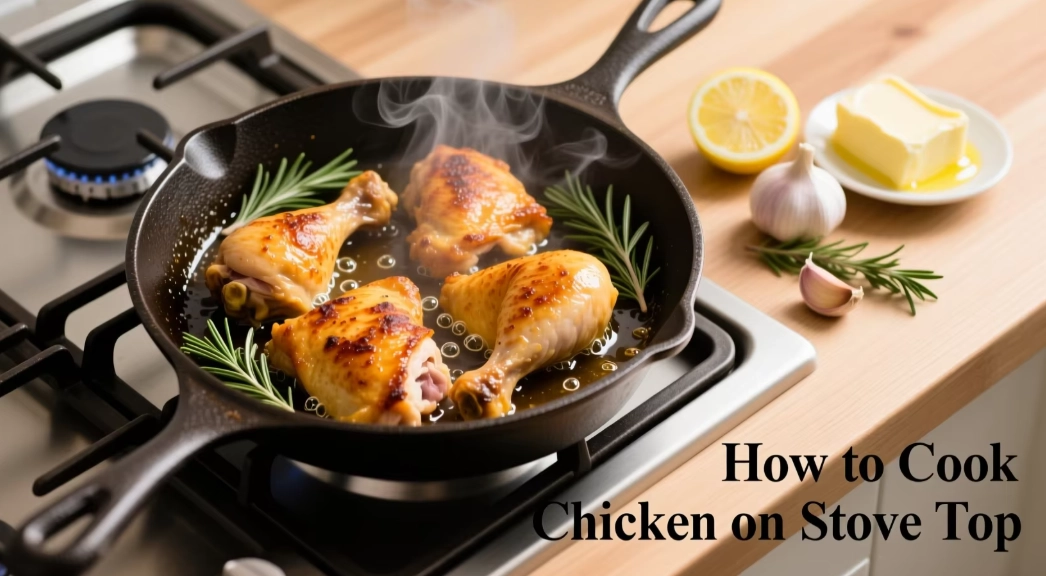 Mastering the temperature for frying chicken on an electric stove is about respect—for the science of heat, for the quirks of your appliance, and for the process itself. It's not harder than using a gas stove, just different. Once you understand that the dial setting is a starting point, not a decree, and you let your thermometer be your guide, you'll consistently produce fried chicken with a shatteringly crisp crust and succulent, flavorful meat that no takeout joint can match. Start with a high heat to preheat, dial it back to maintain, fry in small batches, and always use that wire rack. Now, go preheat that oil.
Related Articles