The Ultimate Guide to Fresh Chicken Wings: From Market to Plate
Let's talk about fresh chicken wings. You see them at the butcher counter, all plump and promising, and think, "Tonight's the night for something great." But then reality hits. They steam instead of crisp in the oven. The skin turns rubbery. Or worse, you bite into a piece that's raw near the bone. I've been there, standing over a disappointing tray, wondering where it all went wrong. After more years of trial and error in my kitchen than I'd like to admit, I've learned it's not about fancy equipment. It's about understanding the ingredient itself—from the moment you pick it up at the store to the second it hits your plate. This guide is that understanding, boiled down.
What's Inside This Guide?
What Exactly Are Fresh Chicken Wings?
"Fresh" isn't just a marketing word. In the U.S., the USDA defines "fresh" poultry as never having been held below 26°F (-3.3°C). That means it hasn't been frozen solid. You'll find them in the chilled meat section, not the freezer aisle. They have a shorter shelf life but, in my opinion, a better texture and flavor potential if handled right.
A whole fresh chicken wing has three parts: the drumette (looks like a mini drumstick), the flat or wingette (the middle part with two bones), and the tip (the pointy end, often removed). Most packages you'll see are either "whole wings" (all three parts) or "party wings" (drumettes and flats, separated).
How to Choose the Best Fresh Chicken Wings at the Store
This is where most mistakes happen before you even get home. Don't just grab the first pack.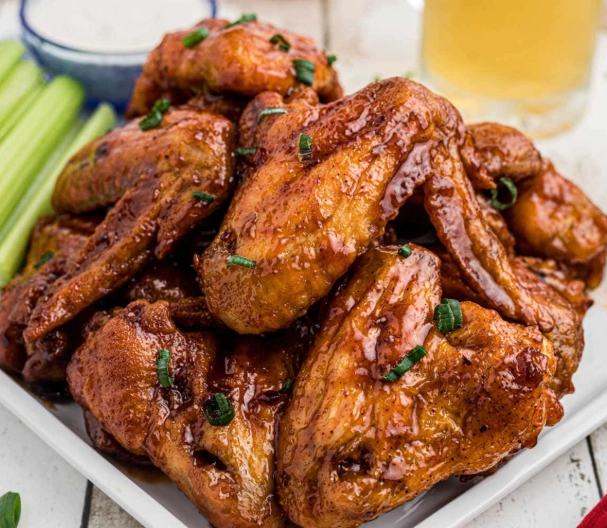
- Check the Color and Smell: The skin should be pinkish-beige and moist, not gray or slimy. Give the package a quick sniff through the plastic (discreetly). It should smell clean, mildly like chicken, absolutely not sour or ammonia-like.
- Look at the Pack Date and Use-By Date: This is non-negotiable. Pick the pack with the furthest "sell by" or "use by" date. Fresh poultry spoils fast.
- Examine the Package: Avoid packs with lots of bloody liquid or juice pooling at the bottom. A little moisture is normal, but a pool indicates potential breakdown or old stock.
- Size Matters, But Not How You Think: For even cooking, try to pick wings that are roughly the same size within the pack. A mix of jumbo and small wings will cook unevenly. For general purposes, medium-sized wings (about 2-3 oz per piece) are the most forgiving.
I once bought a pack because it was on a "manager's special" discount. The date was that day. Big mistake. By the time I got them prepped a few hours later, the smell was off. I had to toss them. Lesson learned: never bargain-hunt with fresh poultry.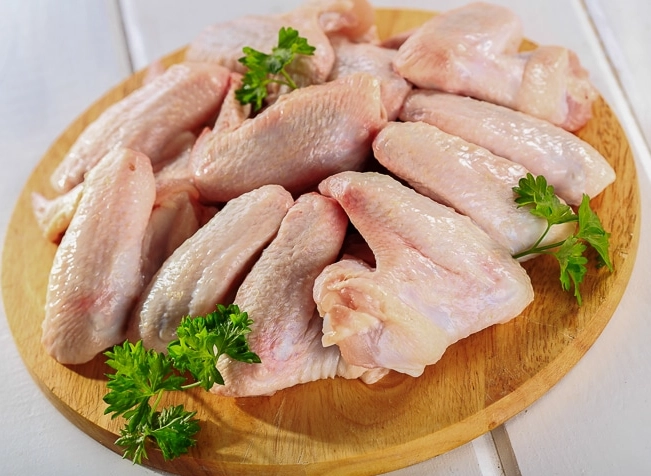
How to Cook Fresh Chicken Wings: The Core Methods
Here’s the breakdown of the most common ways to cook your wings. Each has its personality.
| Method | Best For | Crispiness Level | Hands-On Effort | Key Tip |
|---|---|---|---|---|
| Oven-Baking | Healthier, hands-off, large batches | High (with technique) | Low | Use a wire rack. Dry the wings thoroughly first. |
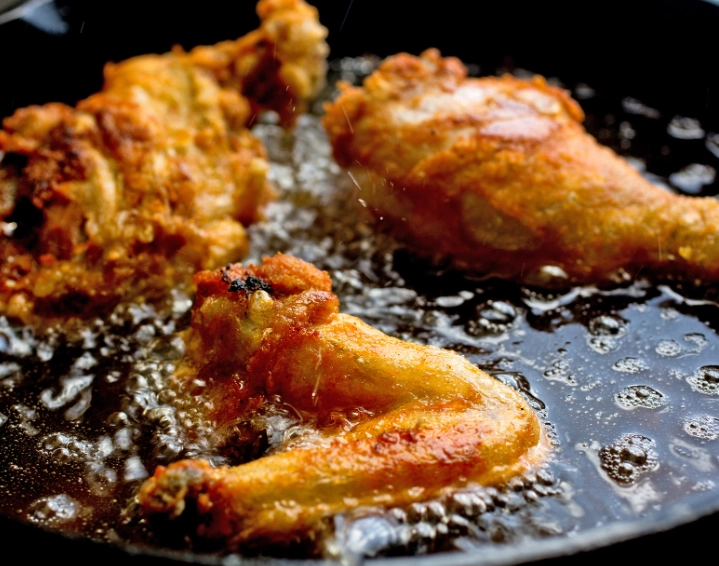
| Deep-Frying | Ultimate crisp, classic texture | Very High | Medium/High | Maintain oil temp at 375°F (190°C). Don't overcrowd. |
| Air Frying | Quick, less oil, small batches | High | Low | Shake the basket mid-cook. Pat wings extremely dry. |
| Grilling | Smoky flavor, char marks | Medium/High | Medium | Use indirect heat to cook through, then sear over direct heat. |
The universal first step, regardless of method, is drying the wings. This is the single most overlooked trick. Pull them from the package, pat them aggressively dry with paper towels. For extra insurance, leave them uncovered on a rack in the fridge for an hour or even overnight. You want that skin bone-dry. Moisture is the enemy of crisp skin.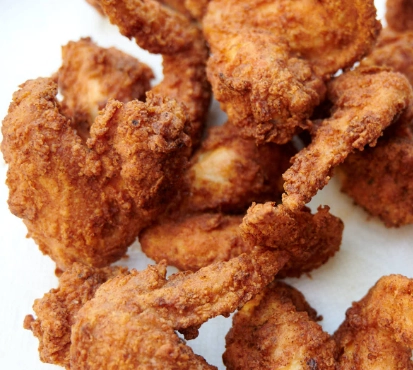
The Baking vs. Frying Debate
Frying gives you that iconic, shatteringly crisp crust quickly. Baking can get you 95% of the way there with less mess and guilt. The secret to baked wings isn't just high heat—it's using a wire rack set over a baking sheet. This allows hot air to circulate around the entire wing, cooking it evenly and preventing the bottom from steaming in its own fat. I prefer baking for weeknights and frying for game day.
A Foolproof Oven-Baked Crispy Wings Recipe
Let's get specific. This is my go-to method when I'm feeding a crowd and want minimal fuss with maximum reward.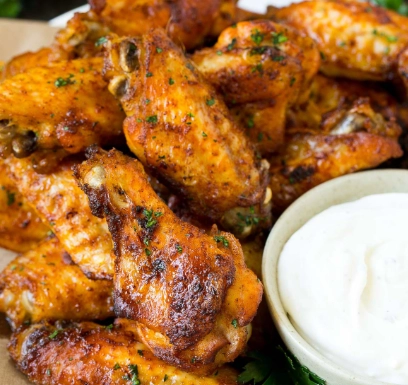
Ingredients:
- 2 lbs fresh chicken wings, split into drumettes and flats
- 1 ½ tbsp baking powder (NOT baking soda!)
- 1 tsp kosher salt
- ½ tsp black pepper
- 1 tsp garlic powder
- ½ tsp paprika (optional, for color)
Steps:
- Dry: Pat the wings relentlessly dry with paper towels. Place them in a large bowl.
- Coat: Sprinkle the baking powder, salt, pepper, garlic powder, and paprika over the wings. Toss with your hands until every surface is evenly coated. The baking powder is the magic—it alters the skin's pH, helping it brown and crisp dramatically without adding flavor.
- Rest: Arrange the wings in a single layer on a wire rack set over a rimmed baking sheet. Leave them uncovered in the fridge for at least 1 hour, up to overnight.
- Bake: Preheat your oven to 425°F (220°C). Bake the wings on the middle rack for 25 minutes.
- Flip & Finish: Flip each wing over. Reduce the oven temperature to 375°F (190°C) and bake for another 20-25 minutes, until deeply golden brown and the internal temperature reaches 165°F (74°C) at the thickest part.
- Sauce (Optional): Toss immediately in your favorite sauce, or serve dry with sauce on the side for dipping.
Why baking powder? It's a trick borrowed from Chinese cooking for crispy pork. It works wonders on chicken skin. Just be sure it's aluminum-free baking powder to avoid any metallic aftertaste.
Global Flavor Twists: Sauces and Rubs
The plain crispy wing is a perfect canvas. Here’s how to paint it with flavors from around the world. Always sauce hot wings right out of the oven or fryer.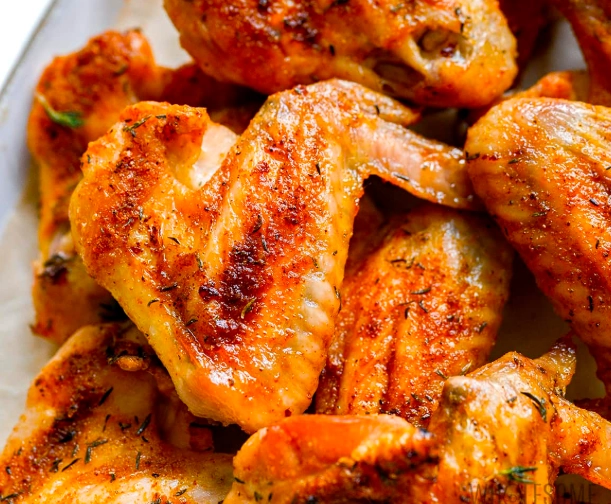
Classic Buffalo: Melt ¼ cup unsalted butter with ½ cup Frank's RedHot sauce. Simple, perfect. Add a pinch of garlic powder if you're feeling fancy.
Korean Yangnyeom: This is a sticky, sweet, and slightly spicy glaze. Simmer 3 tbsp gochujang (Korean chili paste), 2 tbsp honey, 1 tbsp soy sauce, 1 tbsp rice vinegar, 1 minced garlic clove, and 1 tsp grated ginger until thickened.
Lemon Pepper Dry Rub: Toss hot wings with the zest of one lemon, 2 tsp freshly cracked black pepper, 1 tsp salt, and 1 tsp garlic powder. The heat from the wings wakes up the lemon oil.
Thai Sweet Chili Lime: Mix ⅓ cup Thai sweet chili sauce with the juice of one lime and a handful of chopped cilantro. Bright and addictive.
My personal favorite for a dry wing? A heavy sprinkle of Old Bay seasoning right after they come out of the oven. It's not traditional, but the celery salt and paprika combo is incredible.
How to Store Fresh Chicken Wings Safely
Fresh means perishable. According to the USDA Food Safety guidelines, you should cook or freeze fresh poultry within 1-2 days of purchase. Don't leave them in the fridge for a "maybe later this week" plan.
- In the Fridge: Keep them in their original packaging if you'll use them the same day. Otherwise, transfer to a shallow airtight container or resealable bag. Place it on the bottom shelf to prevent juices from dripping onto other foods.
- For Freezing: If you can't use them in time, freeze them. Pat dry, spread on a baking sheet to freeze individually, then transfer to a heavy-duty freezer bag, squeezing out all the air. They'll keep for up to 9 months. Label with the date. Thaw in the fridge overnight, never on the counter.
- After Cooking: Leftover cooked wings can be refrigerated for 3-4 days. Re-crisp them in an air fryer or a 400°F oven for a few minutes. The microwave will make them soggy.
Fresh Chicken Wings FAQ
Working with fresh chicken wings is a simple pleasure that rewards a little know-how. It's about respecting the ingredient—handling it safely, preparing it with purpose, and cooking it with confidence. Start with a good pack, dry it well, and don't be afraid of high heat. Now go turn that pack of fresh wings into something memorable.
Related Articles