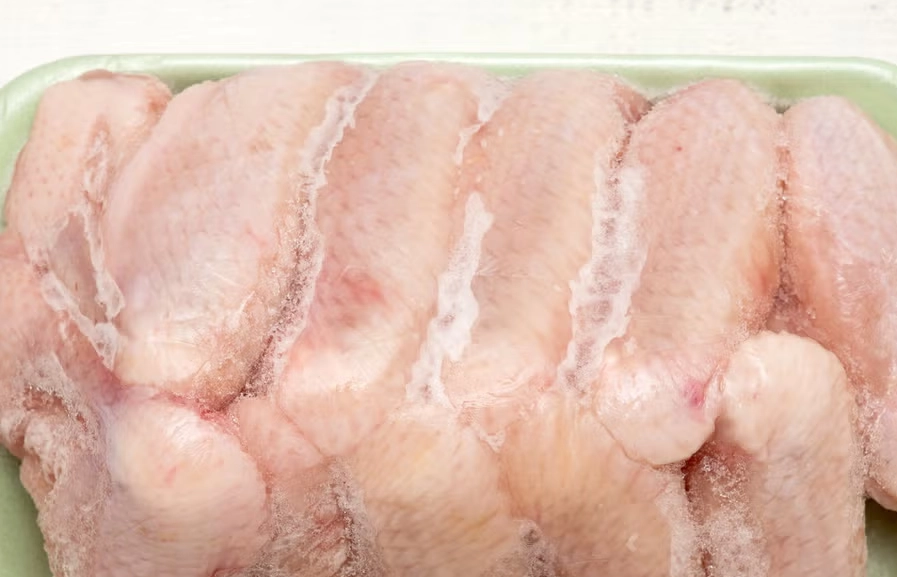
The Ultimate Guide to Safely Thawing Frozen Chicken
You stare at the rock-hard chicken breast in your freezer. Dinner is in two hours. Panic starts to creep in. Sound familiar? We've all been there. Thawing frozen chicken isn't just about impatience; it's a critical step where food safety and meal planning collide. Get it wrong, and you risk bacterial growth or a ruined texture. Get it right, and you're on your way to a perfect meal.
Forget the old "leave it on the counter" advice—that's a one-way ticket to the danger zone (40°F to 140°F, where bacteria multiply fastest). As someone who's cooked professionally and managed a home kitchen for over a decade, I've seen every thawing mistake in the book. The core question isn't just "how long," but "how long safely" for your specific situation.
Let's cut through the confusion. This guide breaks down the three USDA-recommended methods, gives you precise timelines for every cut, and shares the subtle tricks most cooking sites never mention.
What You'll Find in This Guide
How to Thaw Chicken in the Refrigerator
This is the method the USDA's Food Safety and Inspection Service recommends above all others. It's slow, predictable, and keeps the chicken at a safe, constant temperature below 40°F.
Here’s the exact process:
Step 1: Plan Ahead. This is not a last-minute method. Transfer the sealed package of frozen chicken from the freezer to a refrigerator shelf (not the door, where temperatures fluctuate). Place it on a plate or in a shallow dish to catch any drips.
Step 2: Let Time Do the Work. Do not open the package. Leave it alone. A common error is constantly checking and poking it, which does nothing but let cold air out.
Step 3: Know When It's Ready. Fully thawed chicken will be cool to the touch but pliable, with no ice crystals in the flesh or packaging juices. Once thawed, chicken can safely stay in the fridge for 1-2 additional days before cooking.
How to Thaw Chicken in Cold Water
Need chicken thawed in a few hours, not a few days? The cold water bath is your best friend. It's faster than the fridge but requires a bit more attention.
The Critical Rule: The water must be cold, never warm or hot. Warm water will start cooking the outer layers while the inside remains frozen, creating a perfect breeding ground for bacteria.
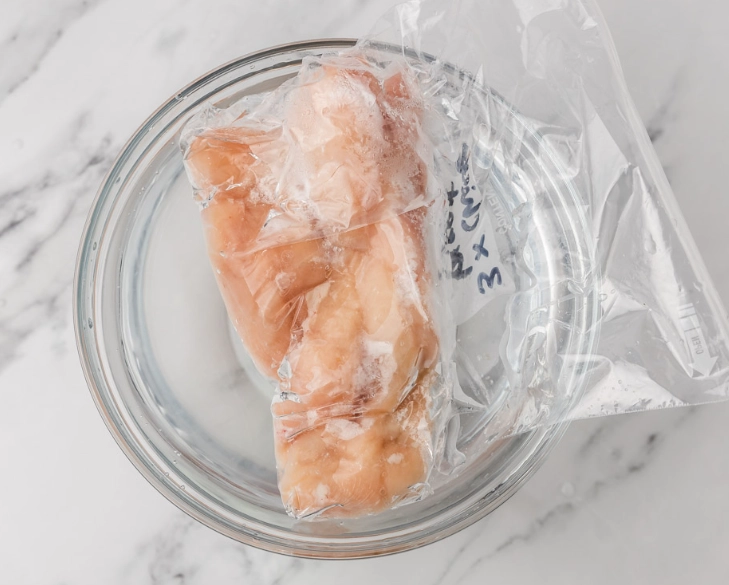
Step 1: Double-Bag the Chicken. Even if your chicken is in a sealed package, put it inside a leak-proof plastic bag (like a large Ziploc). Squeeze out the air and seal it tightly. This prevents waterlogging and cross-contamination.
Step 2: Submerge in Cold Tap Water. Fill a large bowl, pot, or clean sink with cold water. Submerge the bagged chicken completely.
Step 3: Change the Water Every 30 Minutes. This is the non-negotiable part most people skip. The water will warm up to room temperature. To keep it safely cold, you must drain and refill with fresh cold water every half hour. Set a timer.
Step 4: Cook Immediately. Chicken thawed by this method must be cooked as soon as it's pliable. Do not refreeze it and do not put it back in the fridge to cook later.
How to Thaw Chicken in the Microwave
I'll be honest: I dislike this method. It's uneven and often starts cooking parts of the chicken. But in a true pinch, it works. The key is to use the "defrost" or low-power setting and to be prepared to cook the chicken immediately after.
Step 1: Remove All Packaging. Take the chicken out of any store wrapping, foam tray, or plastic. Place it on a microwave-safe plate.
Step 2: Use the Defrost Function. If your microwave has a "poultry" or "defrost by weight" setting, use it. If not, use the lowest power setting (often 30% or 50% power).
Step 3: Stop and Separate Frequently. Microwave in short bursts (1-2 minutes). After each burst, stop, open the door, and separate any pieces that have thawed. Flip the chicken over. The edges will thaw much faster than the center.
Step 4: Check for Icy Spots. The moment the chicken is mostly pliable but still cool, with perhaps a few small icy spots in the thickest part, stop microwaving.
Thawing Timelines: A Cut-by-Cut Breakdown
"How long" depends entirely on the size and density of the cut. A thin cutlet and a whole bird live in different time universes. This table gives you realistic, tested timelines for standard 1-pound packages.
| Chicken Cut | In the Refrigerator (at 40°F or below) | In Cold Water (water changed every 30 min) | In the Microwave (on defrost setting) |
|---|---|---|---|
| Boneless, Skinless Breasts (2 pieces, ~1 lb) | 12 to 24 hours | 1 to 2 hours | 4 to 6 minutes per pound, with pauses |
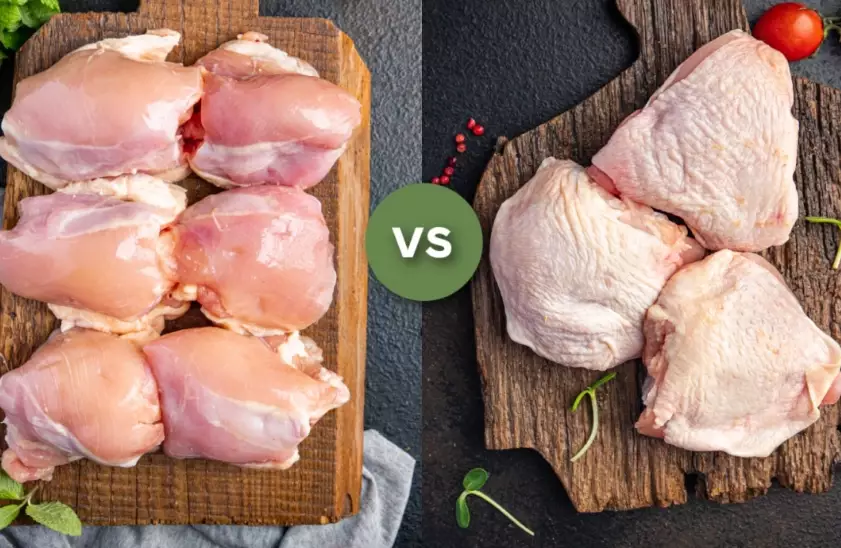
| Bone-in Chicken Thighs or Drumsticks (4 pieces, ~1 lb) | 24 to 36 hours | 2 to 3 hours | 6 to 8 minutes per pound, with pauses |
| Whole Chicken (3 to 4 lbs) | 24 hours per 5 lbs (A 4-lb bird takes ~2 full days) |
30 minutes per pound (A 4-lb bird takes ~2 hours) |
Not recommended. Extremely uneven. |
| Ground Chicken (1 lb package) | 24 hours | 1 to 1.5 hours | 3 to 5 minutes, breaking up clumps often |
Notice the huge range for refrigerator thawing? That's because fridge temperatures vary. A packed fridge running at 38°F will thaw slower than an empty one at 34°F. Always use the longer estimate as your guide.
5 Common Thawing Mistakes (And How to Avoid Them)
After years in kitchens, these are the errors I see constantly. Avoiding them is the difference between a safe, juicy meal and a disappointing (or risky) one.
Mistake 1: Thawing on the Counter at Room Temperature. This is the big one. The outer layer of the chicken can reach unsafe temperatures long before the inside thaws, allowing bacteria like Salmonella to multiply rapidly. Never do this.
Mistake 2: Not Changing the Cold Water. That initial cold water bath becomes lukewarm within 30-45 minutes. If you don't change it, you're essentially using the "danger zone" method. Set that timer.
Mistake 3: Thawing in the Original Store Packaging. That styrofoam tray and plastic wrap are not watertight for a cold-water bath, and they're not always microwave-safe. Always transfer to a sealed bag or container for water/microwave methods.
Mistake 4: Refreezing Microwave-Thawed Chicken. I can't stress this enough. If you use the microwave, you've committed to cooking that chicken right then and there. You cannot change your mind and refreeze it.
Mistake 5: Assuming "Thawed" Means "Warm." Properly thawed chicken, especially from the fridge, should still feel cool—around 40°F. If it's room temperature, it's been in the danger zone too long. When in doubt, toss it out. It's not worth the risk.
Your Thawing Questions, Answered
The bottom line? Patience and planning with the refrigerator method yield the safest, highest-quality results. The cold water method is a reliable plan B when time is short. The microwave is an emergency tool. By understanding the timelines and the rules behind each method, you'll never have to face a frozen chicken block with dread again. You'll have a clear, safe path to getting dinner on the table.
Related Articles