How Many Calories in Thin Sliced Chicken Breast? Your Complete Nutrition Guide
Quick Guide
- The Raw Truth: Calories and Macros in Thin Sliced Chicken Breast
- From Raw to Cooked: The Calorie Transformation (This is Where People Mess Up)
- Navigating the Grocery Store: What to Look For (and Avoid)
- Making It Taste Good: Low-Calorie Recipe Ideas That Actually Work
- Your Burning Questions, Answered (FAQs)
- Putting It All Together: Your Action Plan
Let's cut right to the chase. You're probably here because you're trying to eat better, maybe lose a few pounds, or pack on some lean muscle. And chicken breast, especially the thin sliced kind, keeps popping up as the go-to recommendation. It's everywhere—from your fitness buddy's meal prep containers to every "healthy" recipe blog. But when you're standing in the grocery aisle, staring at packages labeled "thin sliced," you hit a wall. How many calories are you actually signing up for? Is it really that much better than the regular stuff?
The Raw Truth: Calories and Macros in Thin Sliced Chicken Breast
First things first. Let's talk about the baseline, straight from the package, no heat applied. The most reliable source for standard food composition data is the USDA FoodData Central. According to their data for skinless, boneless chicken breast, the numbers for a raw 3-ounce (about 85-gram) serving are pretty consistent.
But here's the key thing about "thin sliced." It's not a different cut of meat. It's the same lean breast meat, just cut thinner. This means the calorie and protein density per ounce is identical to a thicker breast. The difference is portion control and cooking time. A "serving" might just be more pieces.
So, for a 3-oz (85g) serving of raw, skinless, boneless chicken breast (which is roughly the size of a deck of cards or the palm of your hand), you're looking at:
- Calories: Around 120-130 calories. Let's use 125 as a solid average.
- Protein: A whopping 26 grams. This is the star of the show.
- Fat: Only about 2-3 grams, and very little of it is saturated.
- Carbohydrates: Zero. Zilch. Nada.
Now, your average thin sliced chicken breast piece from the store usually weighs between 2 to 4 ounces raw. If you're counting calories, you must weigh it. Assuming one piece is about 3 oz, the calories in that single thin sliced chicken breast piece would be roughly 125.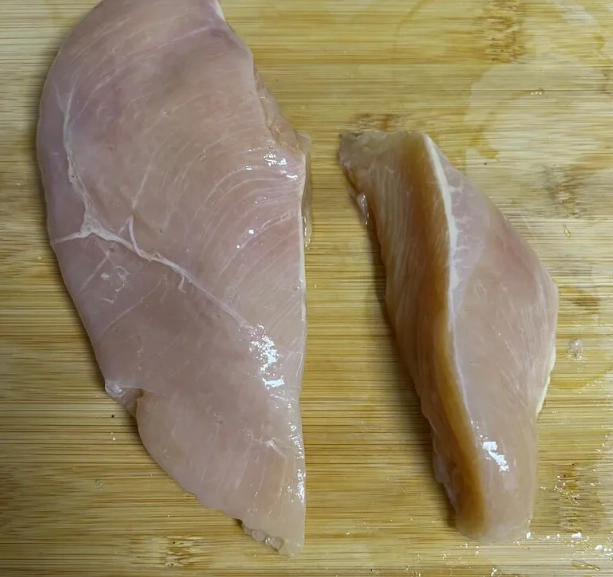
But what if you're comparing it to other parts of the chicken? Or other meats? Context is everything.
| Protein Source (3 oz raw, skinless) | Approximate Calories | Protein (g) | Fat (g) | Best For... |
|---|---|---|---|---|
| Chicken Breast (Thin Sliced) | 125 | 26 | 2.5 | Maximum protein, minimum calories/fat |
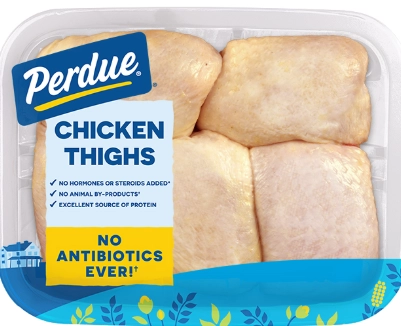
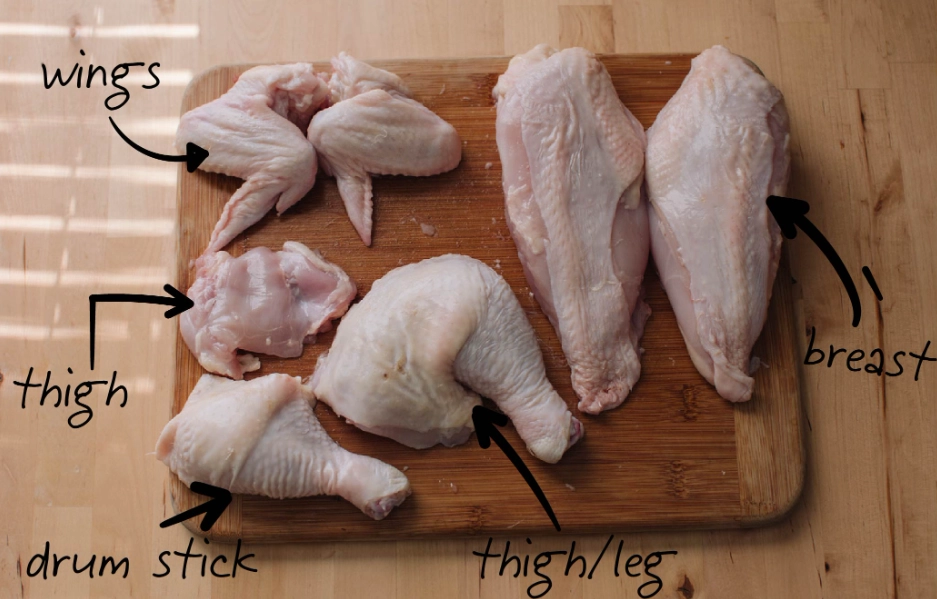
| Chicken Thigh | 180 | 22 | 10 | Flavor, juiciness, higher fat intake |
| 93% Lean Ground Turkey | 140 | 22 | 6 | Versatility in recipes |
| Top Sirloin Steak | 160 | 26 | 6 | Iron content, variety |
| Salmon Fillet | 180 | 22 | 10 | Healthy omega-3 fats |
See the pattern? For pure, lean protein efficiency, it's hard to beat chicken breast. The calories in thin sliced chicken breast give you the biggest protein bang for your caloric buck. The CDC emphasizes protein as a crucial nutrient for maintaining muscle mass and overall body function, especially as we age.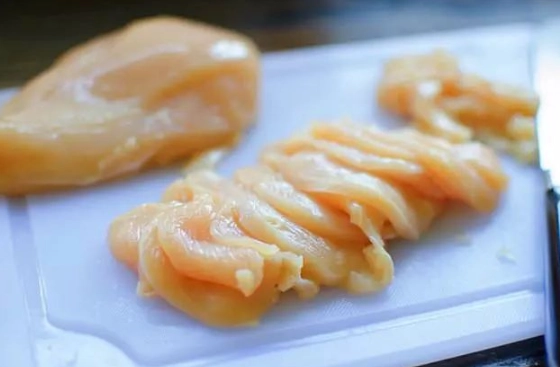
From Raw to Cooked: The Calorie Transformation (This is Where People Mess Up)
Okay, this is the most important section in this entire guide. You almost never eat raw chicken (I hope!). Cooking changes everything—the weight, the water content, and therefore the calorie concentration.
When you cook chicken breast, it loses water. A lot of it. On average, chicken breast loses about 25% of its raw weight during cooking. So that 3 oz (85g) raw piece becomes about 2.25 oz (64g) cooked.
Here's the critical mistake: If you look up "cooked chicken breast" in your calorie tracker and log 3 oz, you're actually logging the calories for about 4 oz of *raw* chicken. You've just overestimated your calories by about 30%! This is why so many people get frustrated—they think they're in a deficit but aren't seeing results.
The golden rule: Always track your meat as raw weight. Weigh it before it hits the pan. The calories on the USDA label are for the raw product. If you must track cooked, you need to use entries specifically for the cooked weight and know your cooking method.
How Cooking Methods Change the Game
Not all heat is created equal. The method you choose can add zero calories or a significant amount. Let's break down the calories in thin sliced chicken breast after different cooking methods for a 3 oz raw starting portion.
- Grilling or Broiling: This is the purest method. Little to no added fat. You might use a 5-second spray of oil (~40 calories), but most drips off. Final Cooked Calories: ~125-165.
- Baking/Roasting: Similar to grilling. If you put it on a rack, fat drips away. If you bake it in a marinade, you'll consume some of that. Final Cooked Calories: ~125-180.
- Pan-Searing (with oil): This is the tricky one. A tablespoon of olive oil has 120 calories. If you use it to sear, the chicken absorbs some. I'd estimate adding 50-80 calories. Final Cooked Calories: ~175-205.
- Poaching or Boiling: Cooked in water or broth. Zero added fat calories. Some nutrients leach into the water, but calories stay the same. Final Cooked Calories: ~125. (Fair warning: this can be bland, but it's great for shredding).
- Air Frying: A champion for crispy results with minimal oil. A quick spray might add 20-30 calories. Final Cooked Calories: ~145-155.
So, what's the best method? For minimizing added calories in thin sliced chicken breast, poaching, grilling, or air frying are top contenders. For maximizing flavor without going overboard, a light sear with a measured amount of oil or a flavorful dry rub before baking works wonders.
Navigating the Grocery Store: What to Look For (and Avoid)
Walk into any supermarket, and you'll see a wall of chicken options. "Thin sliced" is just one of them. Here's how to decode the labels so you know exactly what you're bringing home.
- Plain Thin Sliced Chicken Breast: This is your ideal target. Ingredients should just say: "Chicken Breast." Nothing else.
- "Enhanced" or "Seasoned" Thin Sliced Chicken Breast: Tread carefully. These are often injected with a solution of water, salt, sodium phosphates, and sometimes flavorings. The pros? It stays juicier if you overcook it. The big cons? Added sodium (sometimes a lot), extra weight you pay for (that water), and potentially hidden sugars or calories. The nutrition label will reflect the calories in this thin sliced chicken breast *with* the solution. It might still be low-cal, but you're getting less actual meat per pound.
- Organic vs. Conventional: From a pure calorie and macro standpoint, there's no difference. The calories in an organic thin sliced chicken breast are identical to a conventional one. The choice here is about farming practices, antibiotic use, and personal values, not nutrition labels.
- Pre-Cooked Grilled Chicken Strips: The ultimate convenience play. The calories are usually listed clearly. Watch for sodium content (it's often high) and added sugars in glazes or seasonings. They're perfect for throwing on a salad but can be pricier.
My personal take? I buy the plain, non-enhanced thin sliced breasts 90% of the time. I control the salt and flavor. The 10% is when I'm in a desperate rush and grab the pre-cooked strips for a salad. They're a lifesaver, but I drain and rinse them quickly to reduce some of the surface sodium—a weird hack, but it works.
Making It Taste Good: Low-Calorie Recipe Ideas That Actually Work
Let's be honest. Eating plain, dry chicken breast every day is a fast track to quitting your diet. The beauty of thin sliced chicken breast is its quick cooking time and versatility. Here are a few ways to keep the calories in thin sliced chicken breast meals low without sacrificing flavor.
1. The 5-Minute Lemon Herb Sauté:
Throw a 3-oz thin slice into a hot non-stick pan (or one with a 1-second spray of oil). Cook 2-3 minutes per side. In the last minute, squeeze fresh lemon juice over it, throw in a handful of chopped fresh herbs (parsley, dill, chives), and a crack of black pepper. Serve with steamed veggies. Calories: ~140.
2. "Breaded" Air Fryer Chips:
Dip thin slices in beaten egg white, then coat in a mixture of panko breadcrumbs and grated Parmesan (half and half). A light spray of oil, then air fry at 400°F for 6-8 minutes until crispy. The Parmesan adds flavor so you use less breading. Calories for 3 oz prepared: ~200.
3. The Big Salad Protein:
Grill or bake a bunch of thin slices with a simple spice rub (paprika, garlic powder, onion powder, salt). Let cool and slice into strips. Keep them in the fridge. Toss a handful on a massive bed of greens, veggies, and a light vinaigrette. This is my weekly meal prep staple. The calories in the thin sliced chicken breast portion are fixed, so you can go wild with the volume of veggies.
4. Stir-Fry Star:
Because they're thin, they cook in a flash. Cut into bite-sized pieces, stir-fry with a ton of broccoli, bell peppers, mushrooms, and snap peas. Use a sauce of low-sodium soy sauce, minced garlic, ginger, and a tiny bit of honey or cornstarch to thicken. The key is more veggies than chicken.
The goal isn't deprivation. It's smart, flavorful swaps.
Your Burning Questions, Answered (FAQs)
Does freezing affect the calories in thin sliced chicken breast?
No. Freezing itself does not change the calorie or nutritional content. However, if the chicken was packaged with an added solution (that "enhanced" label), the nutritional info includes that from the start. Always check the label on the package you're actually cooking from.
Is there a difference in calories between fresh and frozen thin sliced chicken breast?
Not inherently. A plain, frozen thin sliced chicken breast will have the same calories as a fresh one of the same weight. The issue, again, is with added solutions. Some frozen products are more likely to have them to prevent freezer burn and maintain texture. Read. The. Label.
How do calories in thin sliced chicken breast compare to ground chicken?
It depends on the leanness of the ground chicken. 99% lean ground chicken is nearly identical to breast meat. 93% lean ground chicken has more fat, and therefore more calories. Ground chicken can also include dark meat, which is higher in fat. If you're aiming for the lowest calories in thin sliced chicken breast scenario, stick with the sliced breast or 99% lean ground.
Should I remove the little bits of fat I see on the edges?
For absolute calorie minimization, yes. Trimming that small bit of visible fat will shave off a few calories and a gram of fat. Is it a huge difference for one serving? Not really. Over a week, maybe. I usually trim it because I prefer the texture without it, not strictly for the calories.
Is thin sliced chicken breast good for weight loss?
It's an excellent tool. Its high protein content helps you feel full and satisfied (satiety is key!), and its low calorie count allows you to create a satisfying, voluminous meal without blowing your calorie budget. The Mayo Clinic highlights the importance of satiety and nutrient-dense foods for sustainable weight loss. Thin sliced chicken breast fits that bill perfectly. But remember, no single food causes weight loss; it's about your overall diet.
How does it fit into a muscle-building diet?
It's a staple for a reason. Building muscle requires protein—both total daily intake and often spreading it across meals. Having a reliable, low-fat, high-protein source like thin sliced chicken breast makes hitting your protein targets easier without excessive calories from fat, allowing you to control your overall surplus more precisely.
Putting It All Together: Your Action Plan
Alright, we've covered a lot. Let's simplify it into a few actionable steps you can take right now.
Step 2: Track Raw. Invest in a cheap kitchen scale. Weigh your chicken raw and use the raw calorie count (~125 cal per 3oz/85g). This is the single most accurate thing you can do.
Step 3: Cook Clean. Favor cooking methods that add little to no extra fat: grilling, baking, air frying, poaching. If you use oil, measure it with a spoon, don't just pour from the bottle.
Step 4: Flavor Wisely. Use herbs, spices, citrus, vinegar, and salt-free seasoning blends. Be heavy-handed with these, cautious with oily marinades and sugary sauces.
Step 5: Build Your Plate. Make the chicken the protein anchor. Fill half your plate with non-starchy vegetables, a quarter with the chicken, and the remaining quarter with a complex carb like quinoa, sweet potato, or brown rice if it fits your plan.
Understanding the calories in thin sliced chicken breast is more than memorizing a number. It's about understanding how that number changes, how to find it on a label, and how to use this incredibly versatile food to support your health and fitness goals without driving yourself crazy with boredom.
It's not magic. It's just a really, really good tool. And now you know exactly how to use it.
Related Articles
![Why is it considered [false] even though there is a contract and there is a tran](/images/870a5535509ff5816d8b14e19f68b56c.png "Why is it considered [false] even though there is a contract and there is a tran")