Skinless Chicken Thigh Calories: Nutrition Facts and Cooking Tips
Let's cut straight to the chase. A skinless chicken thigh is one of the most underrated pieces of meat for anyone watching their calories but still craving flavor. I've been cooking with chicken for over a decade, and I've seen too many people default to dry chicken breast because they think it's the only "healthy" option. That's a mistake. A skinless thigh packs more taste, stays juicier, and when you look at the calories, it's a smart choice for balanced eating.
What's Inside This Guide
Calories and Nutrition Facts of a Skinless Chicken Thigh
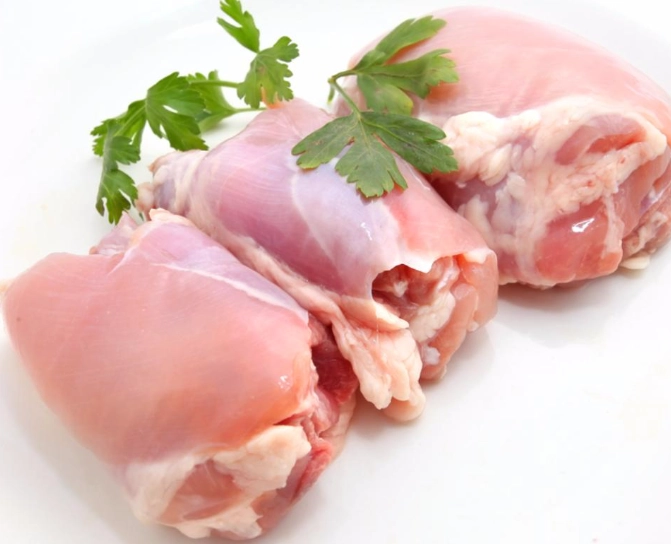
So, how many calories are we talking about? For a typical 4-ounce (113-gram) serving of raw, boneless, skinless chicken thigh, you're looking at around 170 to 190 calories. That's according to the USDA FoodData Central database, which is my go-to for reliable nutrition info. But calories are just one part of the story.
Detailed Nutritional Breakdown
Here’s what you get in that 4-ounce serving, based on USDA data:
- Calories: About 180
- Protein: Roughly 22 grams – this is the big win. Protein keeps you full and helps build muscle.
- Fat: Around 9 grams, with only 2.5 grams being saturated fat. The rest is mostly unsaturated, which is better for heart health.
- Carbohydrates: Zero. That makes it perfect for low-carb or keto diets.
- Other nutrients: Good amounts of iron, zinc, and B vitamins like niacin and B6.
I remember when I first checked these numbers. I was surprised that the fat content wasn't higher. Most of the fat in chicken is in the skin, so removing it cuts calories significantly. A skin-on thigh can have over 250 calories for the same size, mostly from added fat.
How to Cook Skinless Chicken Thighs for a Healthy Diet
Cooking method matters more than you think. You can turn a lean cut into a calorie bomb if you're not careful. My rule of thumb: avoid deep-frying and go for methods that use little or no added oil.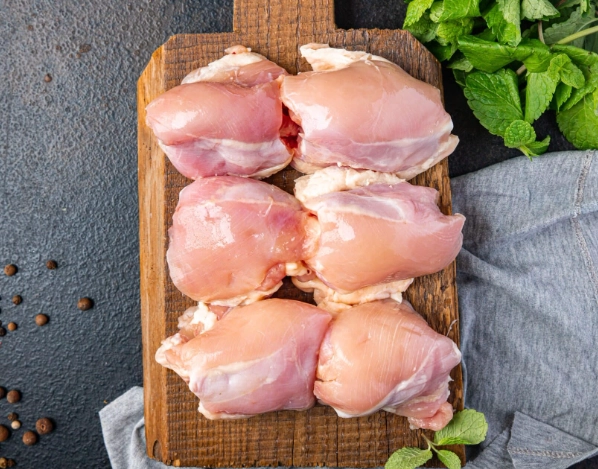
Best Cooking Methods to Retain Nutrients
Let me walk you through three methods I use weekly. They're simple, fast, and keep the calories in check.
Baking or Roasting: Preheat your oven to 400°F (200°C). Season the thighs with herbs, garlic, and a pinch of salt. Place them on a baking sheet lined with parchment paper – no oil needed if you use non-stick paper. Bake for 25-30 minutes until the internal temperature hits 165°F (74°C). This method locks in juices without adding fat. I often do a batch on Sunday for quick meals during the week.
Grilling: If you have a grill, even better. The high heat sears the outside, keeping moisture inside. Marinate the thighs in something acidic like lemon juice or yogurt for 30 minutes to tenderize. Grill for 6-8 minutes per side. The smoky flavor is fantastic, and you drain away any excess fat.
Braising or Stewing: This is my secret for ultra-tender meat. Brown the thighs quickly in a pan with a teaspoon of oil, then add broth, tomatoes, and veggies. Simmer covered for 45 minutes. The liquid keeps calories low, and you end up with a hearty one-pot meal. Last winter, I made a skinless chicken thigh chili that was under 300 calories per bowl.
One mistake I see all the time? People overcook skinless thighs because they fear undercooking. That leads to dry, tough meat. Use a meat thermometer. Trust me, it's a game-changer.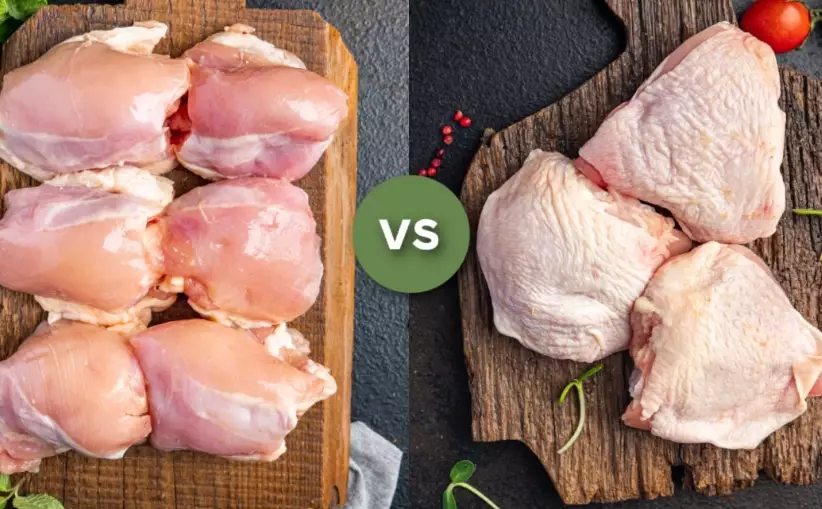
Skinless vs. Skin-On Chicken Thigh: A Calorie Comparison
Let's put the numbers side by side. This table shows why skipping the skin makes such a difference for calorie control. Data is for a 4-ounce raw portion, sourced from USDA.
| Chicken Thigh Type | Calories | Total Fat (g) | Protein (g) |
|---|---|---|---|
| Skinless, boneless | 180 | 9 | 22 |
| With skin, bone-in | 260 | 18 | 20 |
| Skinless, bone-in | 200 | 10 | 21 |
See that? Removing the skin saves you about 80 calories and cuts fat nearly in half. The protein stays high. If you're trying to lose weight, this swap is a no-brainer. I've coached friends who switched from skin-on to skinless, and they dropped a few pounds without feeling deprived.
Now, compare it to other cuts. A skinless chicken breast has around 165 calories per 4 ounces, but less fat (about 3.5 grams) and similar protein. Thighs are slightly higher in calories but more flavorful and moist. For me, the trade-off is worth it – I'd rather enjoy my food than force down bland breast.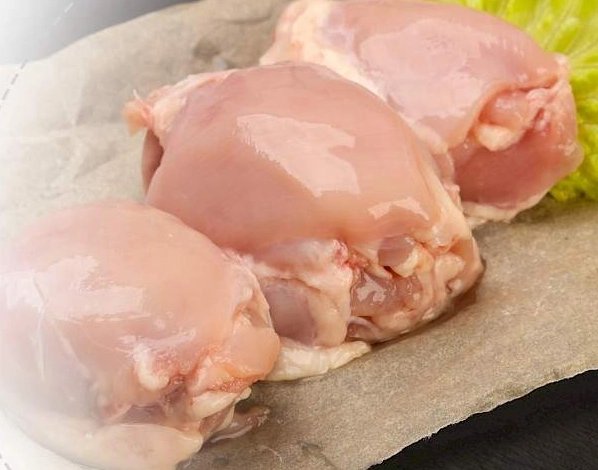
Expert Tips and Common Mistakes to Avoid
After years in the kitchen, I've picked up a few tricks. Here’s what most blogs don't tell you.
First, don't buy pre-trimmed skinless thighs if you can avoid it. They often cost more, and you lose control over trimming. I buy thighs with skin, remove it myself, and save the skin to render fat for cooking (but that's for another day). It takes 30 seconds per thigh – just grip the skin with a paper towel and pull.
Second, seasoning is key. Skinless thighs have less natural fat, so they can taste bland if you just salt them. I use a rub: paprika, onion powder, black pepper, and a touch of cumin. Let it sit for 10 minutes before cooking. The flavors penetrate better.
A common error? Using too much oil. A spray bottle with olive oil is your friend. One spritz per thigh is enough for searing. I've seen recipes call for tablespoons of oil, which adds 120 calories per tablespoon. That defeats the purpose.
Also, consider portion size. A 4-ounce serving is plenty for most meals. I weigh mine raw to be precise. Restaurants often serve 8-ounce portions, doubling the calories. At home, pair it with veggies like broccoli or a salad to bulk up the meal without many extra calories.
One more thing: don't skip the rest time after cooking. Let the thighs sit for 5 minutes before cutting. The juices redistribute, so you don't lose moisture and end up with dry meat. This little step makes a huge difference.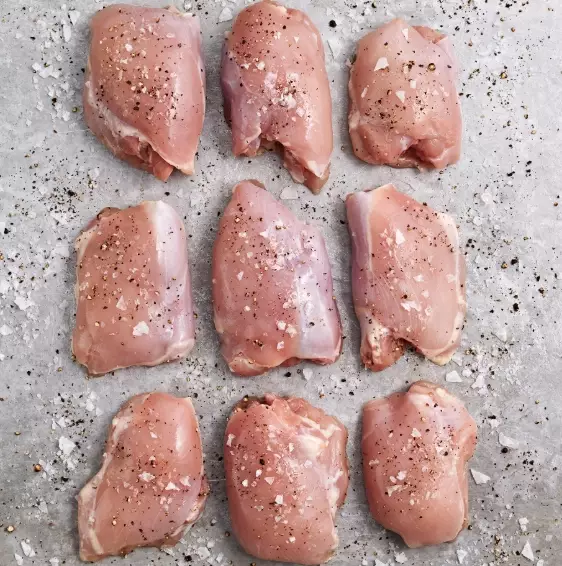
Your Questions Answered (FAQ)
Related Articles