White Meat vs Dark Meat Chicken: Nutrition, Flavor & Best Uses
You're at the grocery store, staring at the chicken section. Boneless skinless breasts are on sale, but those thighs look so much more flavorful. Which one do you grab? If you've ever wondered why a chicken breast and a chicken thigh can taste and feel like they're from different planets, you're not alone. The white meat vs dark meat debate isn't just about preference; it's rooted in chicken biology, nutrition science, and cooking chemistry. Let's cut through the confusion.
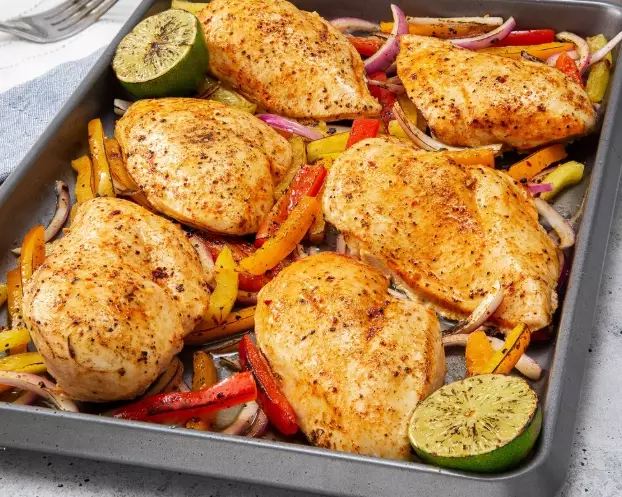
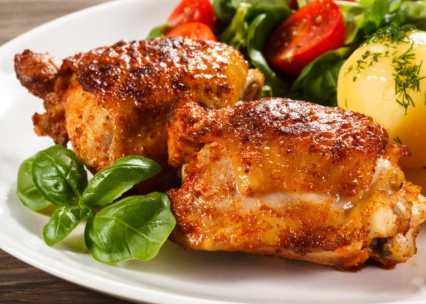
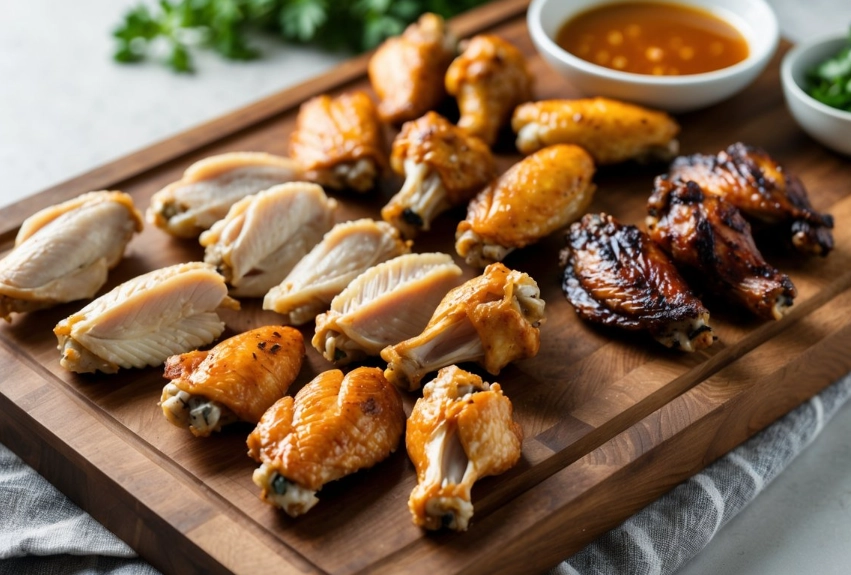
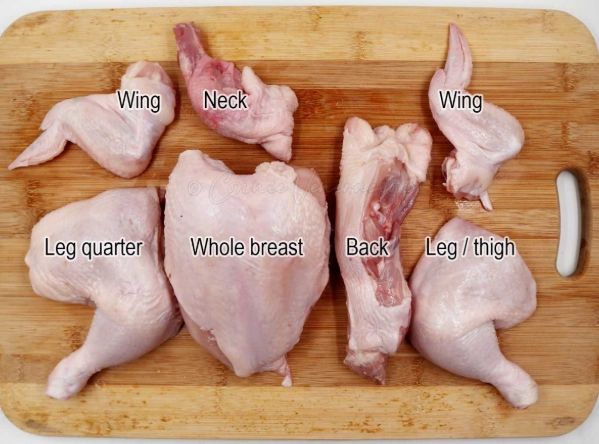
Here's the bottom line upfront: white meat (breast, wings) is lean, mild, and cooks fast but dries out easily. Dark meat (thighs, drumsticks) is richer, more forgiving, and packed with deeper flavor due to more fat and connective tissue. Your choice should depend on your recipe, health goals, and frankly, how much margin for error you want in the kitchen.
What's Inside This Guide?
What Exactly Is the Difference Between White and Dark Meat?
It all comes down to the type of muscle and what the chicken uses it for. Think about it. A chicken spends most of its life walking around. Its legs and thighs are constantly working, requiring endurance. Muscles built for sustained activity need a steady supply of oxygen, which is delivered by a protein called myoglobin. Myoglobin is dark red, giving these muscles their characteristic darker hue.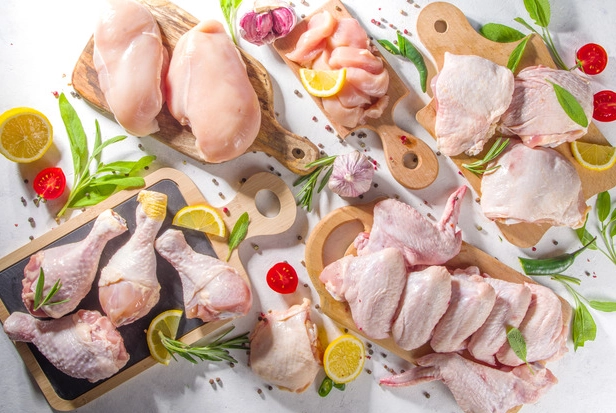
The breast and wings, however, are for short, explosive movements—flapping to escape a predator or get up to a roost. These are "fast-twitch" muscles that don't require the same constant oxygen supply, so they have much less myoglobin and appear pale or white.
The Nutrition Battle: A Detailed Breakdown
Let's get specific. Here’s a side-by-side look at 100 grams (about 3.5 oz) of cooked, skinless meat, based on data from the USDA's FoodData Central.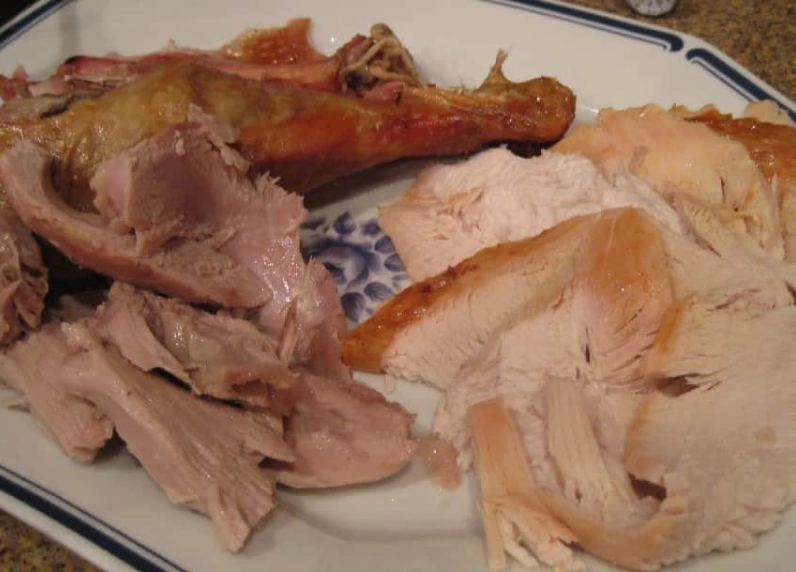
| Nutrient | Chicken Breast (Skinless) | Chicken Thigh (Skinless) | Why It Matters |
|---|---|---|---|
| Calories | 165 kcal | 209 kcal | Dark meat has about 27% more calories, almost entirely from fat. |
| Protein | 31g | 26g | Breast is the undisputed protein champion, perfect for muscle building. |
| Total Fat | 3.6g | 10.9g | The big difference. But note: thigh fat is about 40% monounsaturated (the good kind). |
| Saturated Fat | 1.0g | 3.0g | Still a relatively low amount compared to red meat. |
| Iron | 0.9mg (5% DV) | 1.3mg (7% DV) | Dark meat wins, thanks to its higher myoglobin content. |
| Zinc | 0.9mg (8% DV) | 2.4mg (22% DV) | A significant advantage for dark meat, crucial for immunity. |
The takeaway? If your primary goal is maximizing protein while minimizing calories and fat, skinless chicken breast is your best friend. It's the default choice for bodybuilders and strict diets.
But if you're looking at overall nutrition, dark meat brings more to the table—literally. The extra iron and zinc are important, especially if you don't eat red meat. The fat content also means it keeps you fuller for longer. A Harvard Health article on dietary fats reminds us that the type of fat matters more than the total amount, and the fat in chicken thigh is largely unsaturated.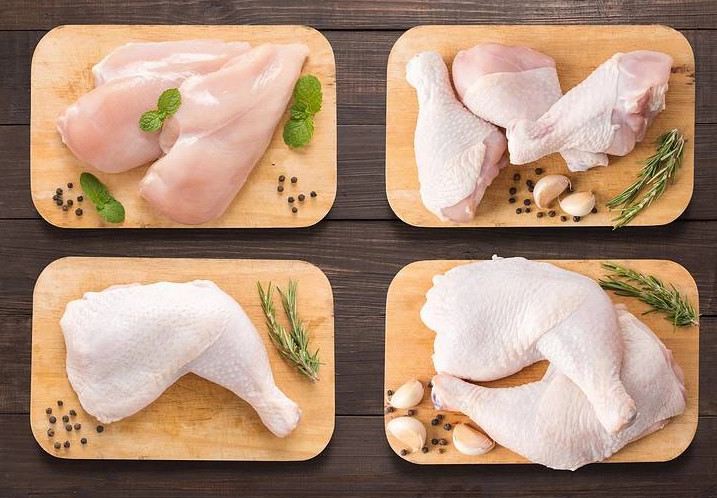
Flavor & Texture: Why Dark Meat Tastes "More"
Fat is flavor. It's that simple. The higher fat content in dark meat carries flavor compounds and provides a richer, more savory mouthfeel. It also has more connective tissue (collagen), which breaks down during slow cooking into gelatin, giving you that fall-off-the-bone tenderness and unctuous, juicy texture that white meat can only dream of.
White meat, being lean, has a very mild, almost blank canvas flavor. This isn't a bad thing—it makes it incredibly versatile and perfect for absorbing marinades and sauces. But its low fat means it has almost no margin for error during cooking. Go a few minutes too long, and those protein fibers tighten up, squeezing all the moisture out. You're left with that familiar, dry, stringy texture.
I've ruined more chicken breasts than I care to admit by trying to multitask. Dark meat? It's forgiving. It stays juicy even if you overcook it a bit because the fat and connective tissue protect it.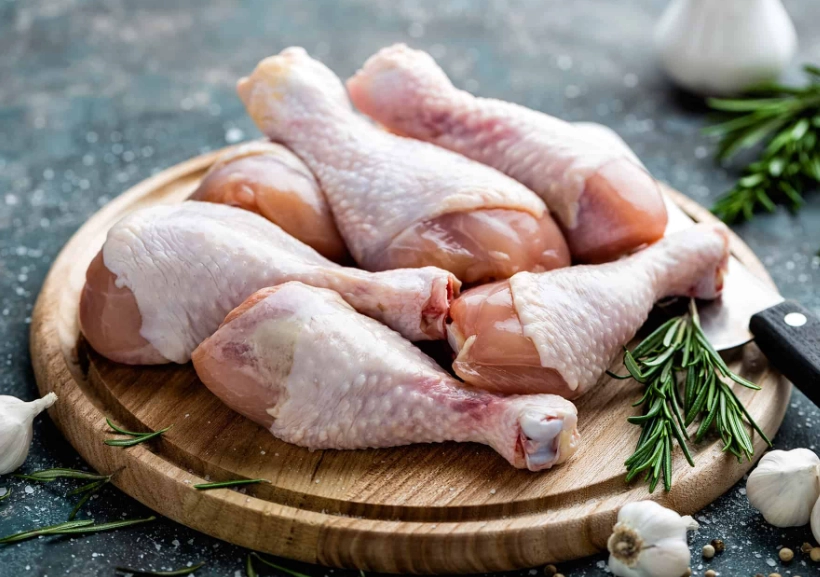
How to Cook White Meat Chicken (Without Drying It Out)
This is the million-dollar question. The key is understanding that white meat is done at a lower temperature than you think.
The Golden Rule: Use a Thermometer
Stop guessing. The USDA recommends cooking chicken to 165°F (74°C) for safety. However, white meat starts to dry out around 155°F (68°C). The trick is to pull it off the heat at 155-160°F. The residual heat will carry it to a safe 165°F while it rests. This rest period is non-negotiable—it lets the juices redistribute.
Best Cooking Methods
Pan-Searing & Oven-Finishing: Get a great sear in a hot pan, then transfer to a 375°F (190°C) oven to finish. This gives you control.
Sous Vide: The ultimate cheat code. Cook breast at 145°F (63°C) for 1.5-2 hours. It comes out impossibly juicy, like a premium cut.
Brining or Wet-Marinating: Soaking in saltwater (brine) or an acidic marinade (like yogurt or buttermilk) helps the meat retain moisture during cooking.
Mastering Dark Meat Chicken Techniques
With dark meat, you're working with its strengths, not fighting its weaknesses. It loves two things: time and higher heat to render fat and break down connective tissue.
Champion Methods for Dark Meat
Roasting/Baking: High heat (400-425°F / 200-220°C) crisps the skin (if on) and cooks the meat through beautifully.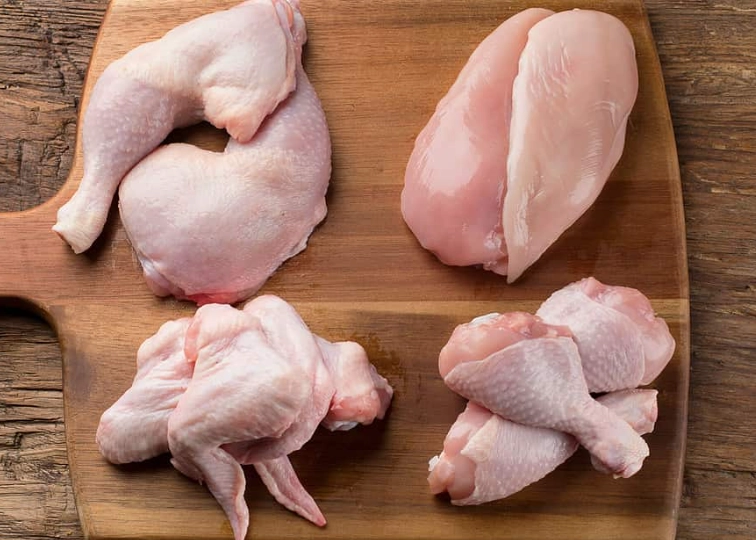
Braising & Stewing: Low and slow in liquid. The collagen melts, creating its own luxurious sauce. Think coq au vin or chicken curry.
Grilling: The fat drips, causing flare-ups that add smoky char. Keep thighs over medium-high indirect heat to avoid burning.
Don't be afraid of the bone and skin for dark meat. They add immense flavor and protect the meat. You can always remove the skin after cooking if you're cutting calories.
How to Choose: A Practical Decision Guide
Stop stressing at the meat counter. Use this flowchart in your head:
Choose White Meat (Breast) if:
- Your primary goal is high protein, low calorie/fat.
- You're making a dish where a mild flavor is key (e.g., chicken salad, a creamy pasta sauce).
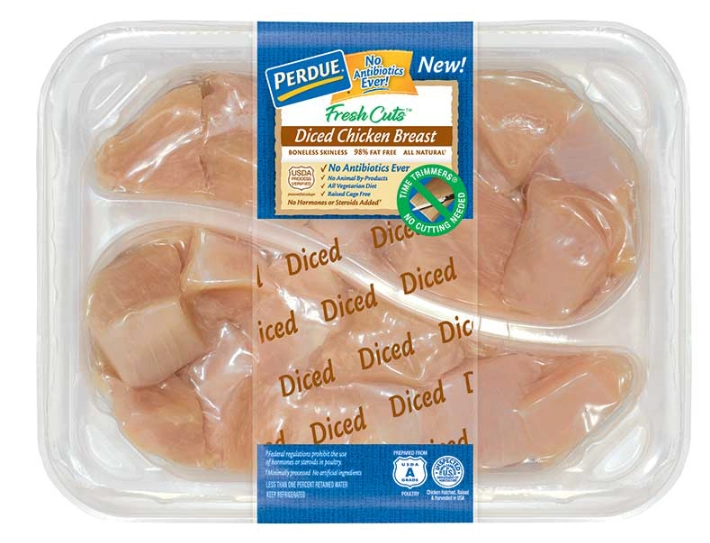
- You need quick-cooking, uniform pieces for a stir-fry or sauté.
- You're cooking for someone who is genuinely put off by the texture or look of dark meat.
Choose Dark Meat (Thighs/Drums) if:
- Flavor and juiciness are your top priorities.
- You're using a slow, wet cooking method (braise, stew, slow cooker).
- You're grilling or roasting and want a more forgiving cut.
- You're on a budget (thighs are often cheaper).
- You're feeding a family and know kids often prefer the more flavorful, easy-to-eat drumstick.
Here’s a real-world scenario: Planning a week of dinners for a family of four?
Monday (Stir-fry): Use thinly sliced breast for speed.
Wednesday (Sheet Pan Dinner): Go with bone-in thighs—they won't dry out in the hot oven alongside potatoes and broccoli.
Friday (Comfort Food): Make a rich, braised chicken thigh curry in the slow cooker.
See? There's room for both.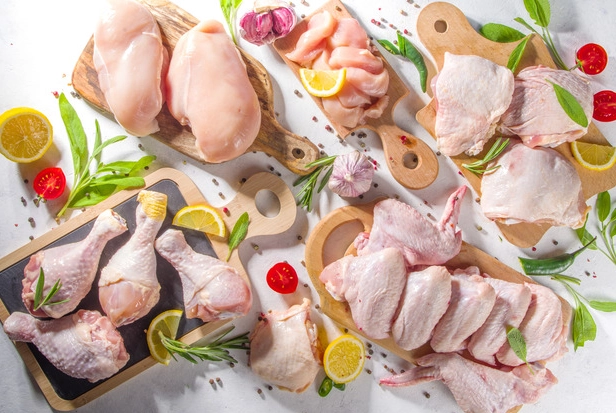
Your Chicken Questions, Answered
So next time you're facing that meat case, you'll know it's not just a random choice. It's a strategic decision based on biology, nutrition, and the meal you want to create. White meat for lean precision, dark meat for robust, forgiving flavor. Master both, and you've unlocked the full potential of one of the world's most versatile proteins.
Related Articles