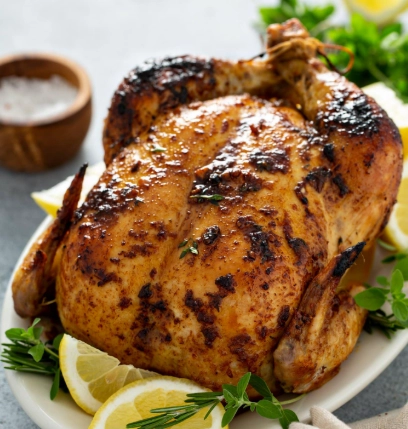
White Meat vs Dark Meat Chicken: Your Ultimate Guide
You’re at the grocery store, staring at the chicken section. Breasts, thighs, wings, whole birds. You grab the boneless, skinless breasts because that’s what you always get. But a little voice wonders about those thighs—they look juicier, and they’re cheaper. What’s the real difference between white meat and dark meat chicken? It’s more than just color. It’s about flavor, texture, nutrition, and picking the right tool for the job. Let’s settle this once and for all.
Here's What We'll Cover
What is White Meat and Dark Meat, Really?
It all comes down to muscle fiber and myoglobin. Dark meat comes from muscles the chicken uses constantly—legs and thighs for walking. These muscles are full of slow-twitch fibers designed for endurance. They need a steady oxygen supply, which is delivered by a protein called myoglobin. Myoglobin is dark red, giving the meat its richer hue and flavor.
White meat comes from muscles used for short bursts—the breast and wings for flapping. These are fast-twitch fibers. They get energy from glycogen stored in the muscle, not constant oxygen from the blood, so they have much less myoglobin. That means paler color and a milder taste.
The Quick Breakdown: White meat = breast, wings (the parts that don't work as hard). Dark meat = thighs, drumsticks (the parts that do all the walking). The back is a mix, but it's usually not sold as a primary cut.
The Nutrition Battle: Is One Healthier?
This is where people get it wrong. For years, white meat was crowned the "healthy" champion because it's leaner. But health isn't just about calories and fat. Let's look at the data per 100g of cooked meat (source: USDA FoodData Central).
| Nutrient | Chicken Breast (Skinless) | Chicken Thigh (Skinless) | What It Means For You |
|---|---|---|---|
| Calories | ~165 | ~209 | Breast wins for pure calorie count. |
| Total Fat | ~3.6g | ~10.9g | The big difference. Thigh has more saturated fat too (~3g vs ~1g). |
| Protein | ~31g | ~26g | Both are excellent sources. Breast is slightly more protein-dense. |
| Iron | ~0.9mg | ~1.3mg | Thigh provides about 45% more heme iron, which your body absorbs easily. |
| Zinc | ~1.0mg | ~2.4mg | Thigh has over twice as much, crucial for immunity. |
| B Vitamins (B6, B12, Niacin) | High | Very High | Both are great, but dark meat is often richer in B12. |
See the trade-off? White meat is leaner and lower in calories. Perfect if that's your primary goal. But dark meat brings more minerals and vitamins to the table. That extra fat? It's not all bad. It carries flavor and helps you feel fuller. The Harvard T.H. Chan School of Public Health notes that the type of fat and overall diet pattern matters more than fixating on individual cuts.
My take? Calling one "healthier" is pointless. If you're on a strict cut, breast is your friend. If you're active and need sustained energy and nutrients, a thigh is a fantastic choice. Variety is the real winner.
How to Cook Each Type Perfectly (No More Dry Breast)
Here’s the secret most recipes don't spell out: white meat and dark meat have different ideal internal temperatures. Treating them the same is the number one reason for disappointment.
Cooking White Meat (Breast, Tenders)
White meat is low in fat and connective tissue. It goes from juicy to sawdust in a matter of minutes. The target is precision.
Target Internal Temp: 150°F to 155°F (65°C to 68°C). Yes, lower than the old 165°F rule. At 150°F, held for just a few minutes, it's perfectly safe (pasteurization is a function of both time and temperature) and incredibly juicy. Let it rest for 5-10 minutes—the temperature will rise a bit and the juices will redistribute.
Best Methods: Quick pan-searing, grilling over direct/indirect heat, baking at a high temp (400°F+), or poaching. Brining (soaking in saltwater) for 30 minutes is a game-changer for moisture.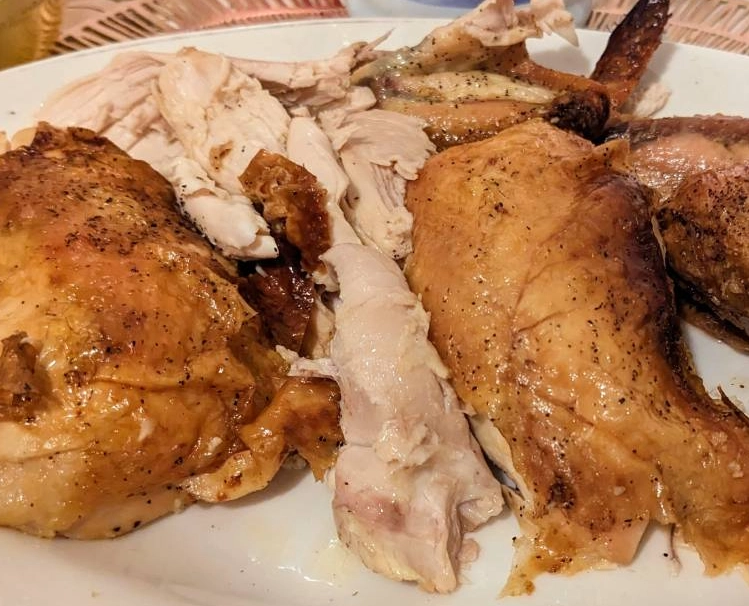
Pro Mistake to Avoid: Pounding breasts to an even thickness isn't just for schnitzel. A 1-inch thick breast cooks through before the thin end turns to rubber. Use a rolling pin or skillet—it takes 30 seconds and changes everything.
Cooking Dark Meat (Thighs, Drumsticks)
Dark meat is forgiving. It has more fat and collagen, which needs time and heat to melt into gelatin, making it succulent.
Target Internal Temp: 165°F to 175°F (74°C to 79°C). You can even go to 180°F+ for fall-off-the-bone tenderness in braises. The higher fat content protects it from drying out.
Best Methods: Braising, stewing, slow-roasting, grilling (hard to overcook), and confit. The skin gets super crispy when roasted, which is a huge bonus.
I learned this the hard way roasting my first whole chicken. I pulled it at 165°F in the breast, but the thighs were rubbery. Now I start the bird breast-side down, shield the breast with foil if it's browning too fast, and aim for 165°F in the thigh, knowing the breast will be a perfect 155°F.
How to Choose: A Simple Decision Guide
Stop guessing. Ask yourself these questions next time you're planning a meal:
Choose White Meat (Breast) if:
- Your primary goal is maximum lean protein per calorie.
- You're making something where a mild, clean flavor is key, like a creamy pasta, chicken salad, or a dish with a delicate sauce.
- You need quick-cooking slices for stir-fries or sandwiches.
- You're cooking for someone who is genuinely fat-averse.
Choose Dark Meat (Thigh) if:
- Flavor and juiciness are your top priorities.
- You're cooking a one-pot meal, curry, stew, or anything that simmers.
- You're grilling and fear dryness.
- You're on a budget (thighs are almost always cheaper per pound).
- You're meal-prepping for the week, as thighs reheat much better without becoming chalky.
Choose a Whole Chicken or Mix if:
- You want the best of both worlds for a family.
- You're roasting and can use different temps for different parts (spatchcocking helps).
- You value versatility and making stock from the carcass.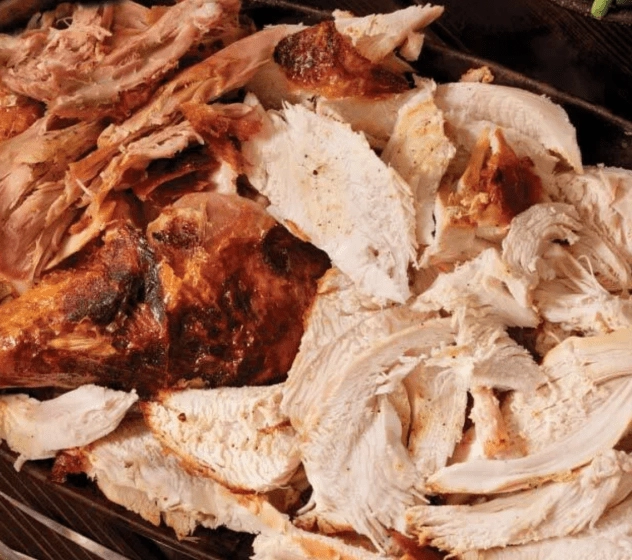
Your Burning Questions Answered
You're using too high heat over too long a time. Try this: get one side of your grill screaming hot for searing, and leave the other side on low or off (indirect heat). Sear the breasts for 2-3 minutes per side over the hot zone to get marks, then move them to the cool side, close the lid, and let them cook through gently. This is the "sear and slide" method. A digital thermometer is non-negotiable here—pull them at 155°F.
You can, but you must adjust. If the recipe involves long, slow cooking (like a braise or curry), breast meat will overcook and shred. It's better for quick-cooking dishes. If you must swap, reduce the cooking time significantly. For a 45-minute simmer, add the breast pieces in the last 15-20 minutes. And consider adding a touch more fat (olive oil, butter) to the sauce to compensate for the leanness.
This is an outdated fear. Dietary cholesterol (from food) has a much smaller effect on blood cholesterol for most people than once thought. The bigger concerns are saturated and trans fats. While dark meat has more saturated fat than white, it's not an extreme amount, especially if you remove the skin. The American Heart Association focuses on overall dietary patterns—plenty of veggies, whole grains, and lean proteins—rather than vilifying specific foods. A skinless thigh as part of a balanced diet is perfectly fine.
Two words: flavor and forgiveness. In a professional kitchen, consistency is king. Dark meat is harder to mess up. It stays juicy across a wider temperature range and delivers a richer, more satisfying taste that stands up to bold seasonings. White meat requires more finesse to shine. It's not that chefs hate breast meat—a perfectly cooked breast is a thing of beauty—but the margin for error is slim. For home cooks seeking guaranteed delicious results, thighs are the safer, more rewarding bet.
So, the next time you face that meat case, you'll know. Need something lean and quick? Grab the breast. Want something flavorful, forgiving, and budget-friendly? The thighs are calling. Or, get a whole bird and enjoy the spectrum. Understanding the difference between white and dark meat isn't just trivia—it's the key to unlocking better, more confident cooking every single time.
Related Articles