Dark Meat Chicken Explained: Nutrition, Cooking & More
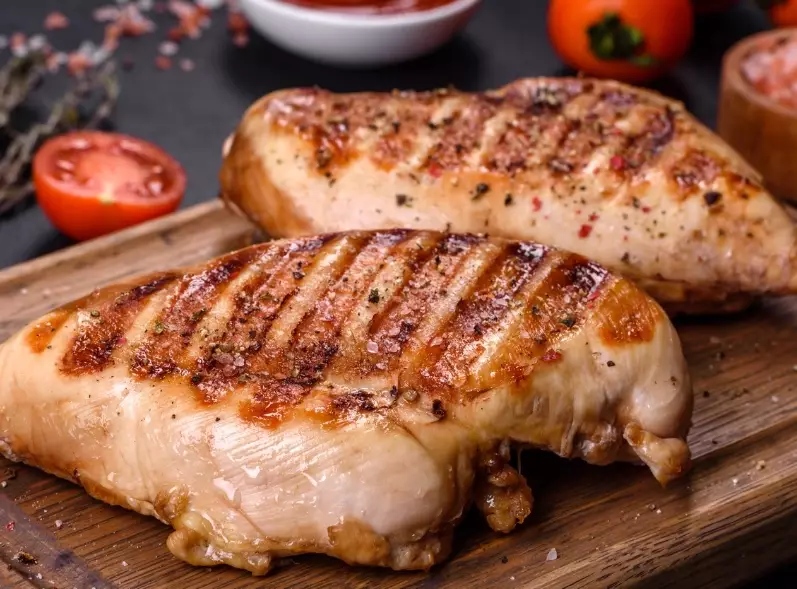
Let's cut through the confusion right away. Dark meat in chicken refers to the legs and thighs—the drumsticks and the pieces around the bird's thigh. It's darker in color because these muscles are used more for sustained activity (like walking and standing), so they contain more of a protein called myoglobin, which stores oxygen and gives the meat its reddish-brown hue. This also means they have a bit more fat and connective tissue, which translates to more flavor and juiciness when cooked. The breast and wings, used for quick bursts of flight, are the white meat. That's the simple answer, but there's a lot more to the story that affects how you cook, eat, and think about nutrition.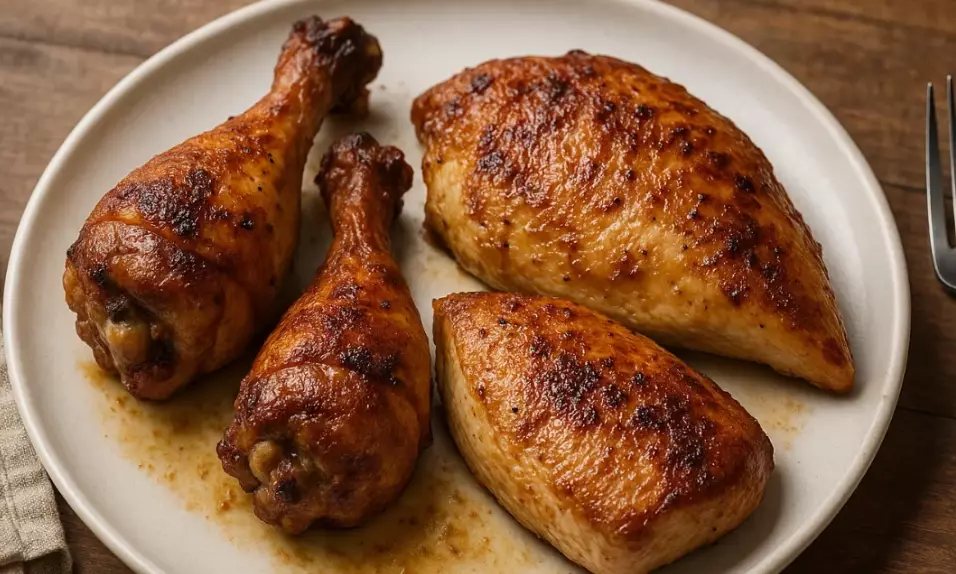
What You'll Learn in This Guide
What Exactly Is Dark Meat?
Think of a chicken walking around a farmyard. Which parts are doing all the work? The legs. They're constantly moving, supporting weight, and providing stability. Muscles built for endurance need a steady supply of oxygen. Myoglobin is the protein that holds that oxygen in muscle tissue, and it's dark red. More myoglobin equals darker meat. It's the same reason why a duck breast or a beef steak is dark—those muscles are built for work.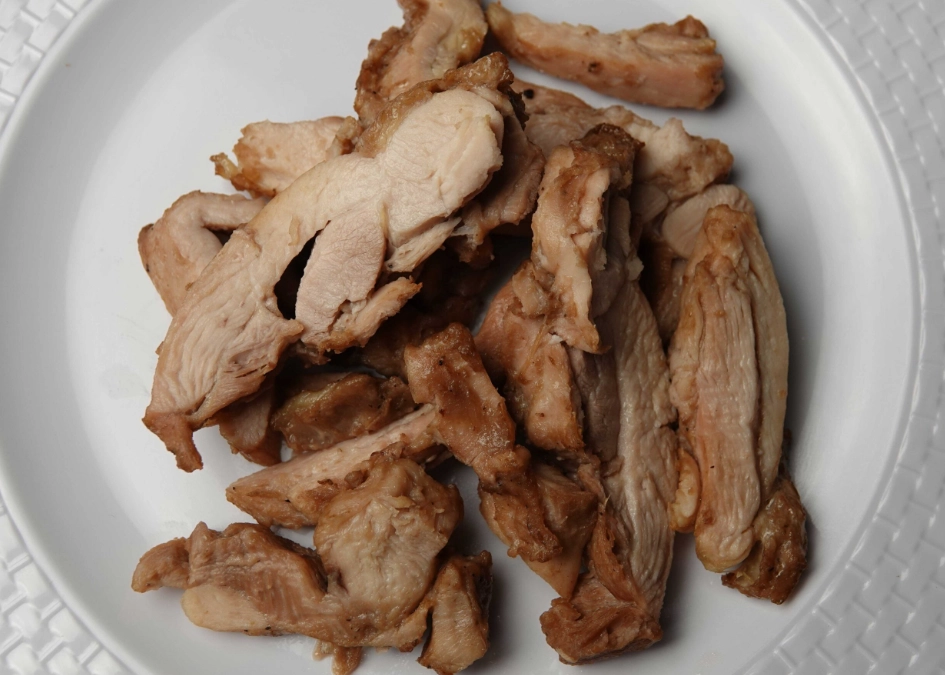
The primary cuts of dark meat are:
- Thighs: The top part of the leg, attached to the body. This is the king of dark meat for many cooks. It's a single, generously sized piece with a bone often still in, sometimes sold skin-on or skinless, boneless.
- Drumsticks: The lower part of the leg. They're fun to eat, have a great handle (the bone), and are perfect for parties or family dinners.
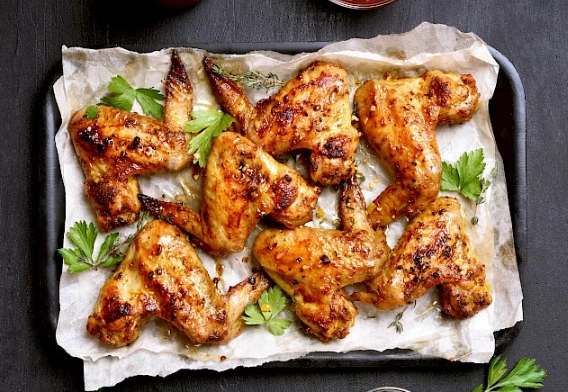
You might also find "leg quarters," which are the thigh and drumstick still attached. Wings are a bit of a gray area—the drumette (the part that looks like a mini drumstick) has darker meat than the wingtip, but wings are generally categorized with white meat.
The key takeaway isn't just the color. It's the structural composition. That extra myoglobin comes with a slightly higher fat content (mostly monounsaturated fat, the good kind) and more collagen, a type of connective tissue. When cooked low and slow, collagen melts into gelatin, creating that incredible, fall-off-the-bone tenderness and mouthfeel that white meat can only dream of.
Dark Meat vs. White Meat: A Detailed Comparison
It's not a battle of good vs. bad. It's a choice based on your goal for the meal. Here’s a breakdown of how they stack up, using data from the USDA FoodData Central as a reference.
| Aspect | Dark Meat (Skinless Thigh) | White Meat (Skinless Breast) |
|---|---|---|
| Calories (per 100g cooked) | ~209 calories | ~165 calories |
| Total Fat | ~10-12g | ~3.5g |
| Protein | ~26g | ~31g |
| Iron | Significantly higher (about 1.3mg) | Lower (about 0.9mg) |
| Zinc & B Vitamins | Generally higher levels | Slightly lower levels |
| Flavor & Moisture | Rich, savory, inherently juicy. Forgiving during cooking. | Milder, leaner. Can dry out easily if overcooked. |
| Best Cooking Methods | Braising, stewing, roasting, grilling, frying. Thrives with longer, slower heat. | Quick searing, baking at high heat, poaching. Requires precise timing. |
| Price | Typically less expensive. | Typically more expensive. |
Looking at this, calling dark meat "unhealthy" is a massive oversimplification. Yes, it has more fat and calories, but it also delivers a powerhouse of essential nutrients like iron and zinc. For someone who is active, or for growing kids, that extra nutrient density is a huge benefit. The fat content is what makes it satiating and flavorful, meaning you might feel satisfied with a smaller portion than you would with a bland, dry breast.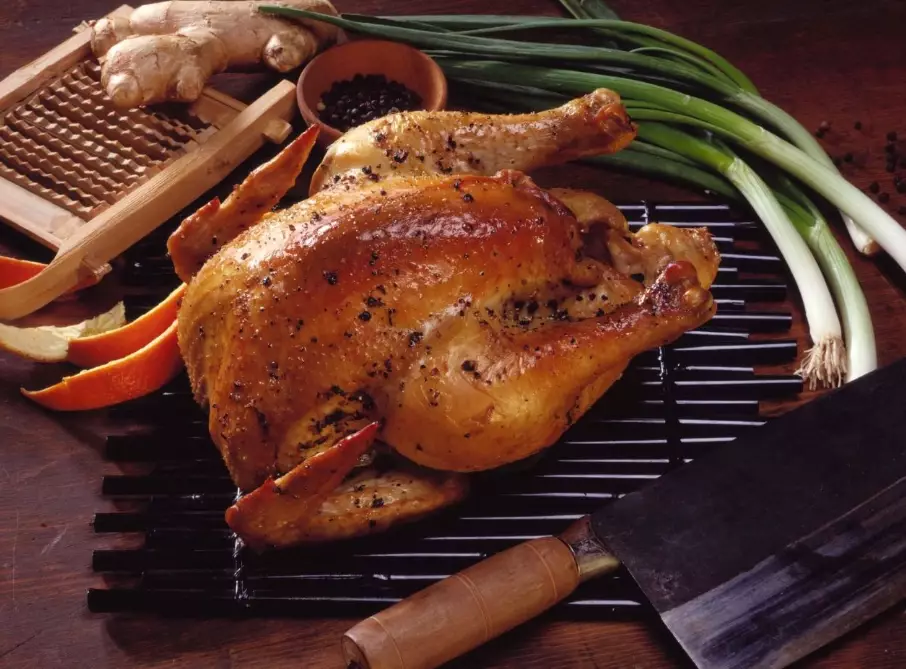
How to Cook Dark Meat Chicken Perfectly
Here’s where dark meat truly shines. Its forgiving nature makes it a home cook's best friend. The higher fat and collagen content act as a built-in safety net against dryness. You have a much wider margin for error compared to a chicken breast.
The Golden Rule: Aim for Higher Internal Temperature
Forget the 165°F (74°C) you memorize for breasts. For dark meat, you want to go higher. I target 175°F to 185°F (79°C to 85°C). Why? At that temperature range, the tough collagen fibers have had enough time and heat to fully break down and transform into succulent gelatin. If you pull dark meat at 165°F, it can still be a bit rubbery and chewy near the bone. Let it go a bit longer, and it becomes magical.
My Go-To Weeknight Roasted Thighs:
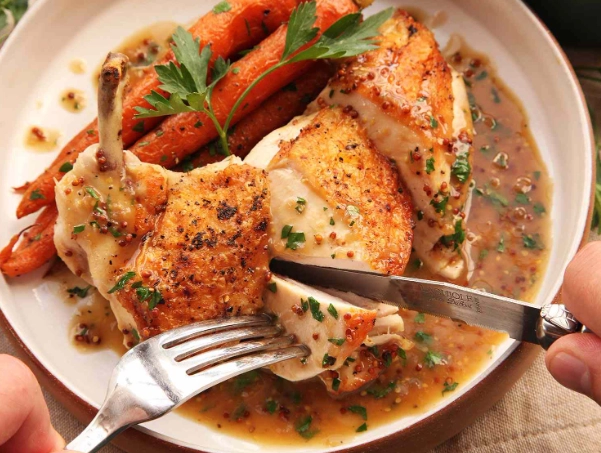
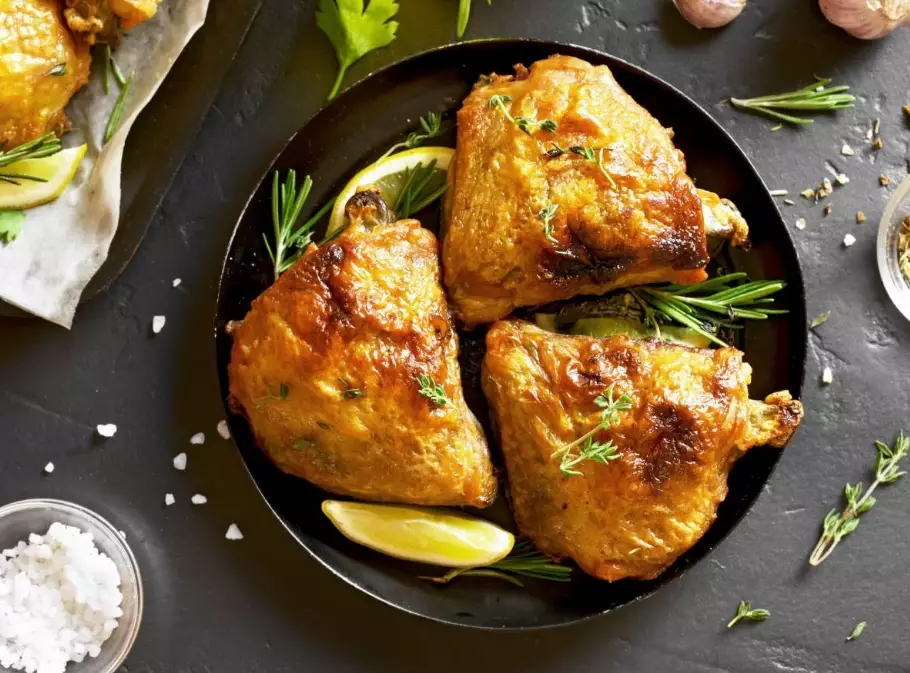
This is less of a rigid recipe and more of a template. Pat bone-in, skin-on thighs dry. Rub with olive oil, salt, pepper, and whatever dried herbs you like (paprika and thyme are great). Place them skin-side up on a baking sheet. Roast at 425°F (220°C) for about 35-45 minutes. You don't need to check the temp every minute. Just roast until the skin is crackling-crisp and the juices run clear. Let them rest for 5 minutes. The result? Crispy skin, incredibly juicy meat, and almost zero fuss.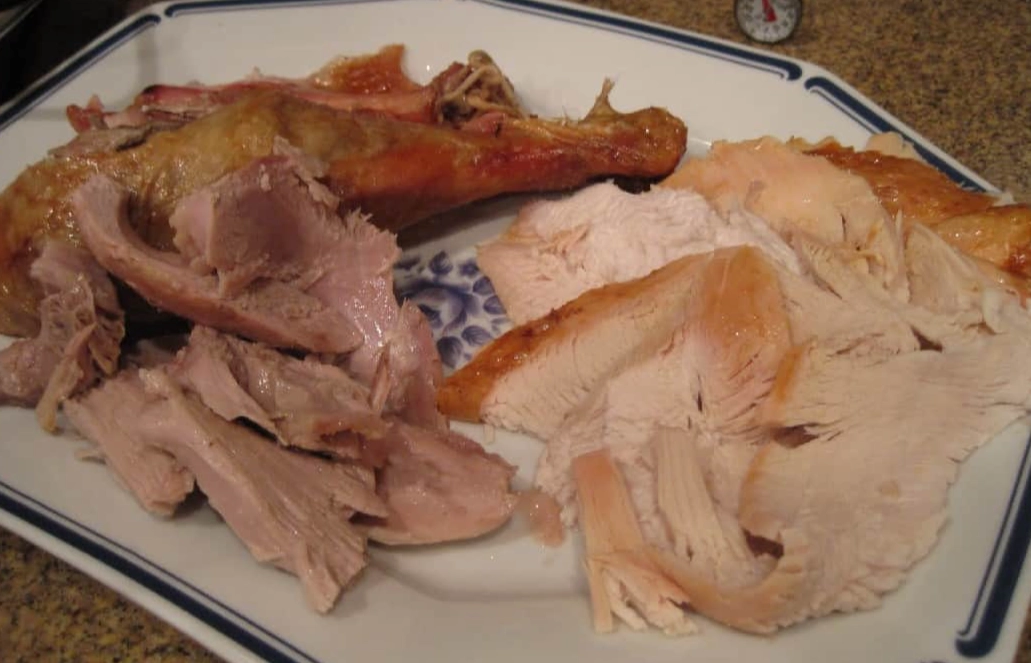
Other Can't-Miss Methods:
- Braising/Stewing: Think coq au vin, chicken cacciatore, or a simple curry. The slow, moist cooking environment is perfect for breaking down dark meat into tender perfection.
- Grilling: Drumsticks and thighs are grill champions. The fat drips down, creates flavor, and protects the meat from drying out. Use a medium heat to cook through without charring the outside too fast.
- Instant Pot / Slow Cooker: Dark meat is ideal for these set-and-forget appliances. It will never get dry.
Common Myths and Expert Insights
I find that a lot of home cooks, even experienced ones, have two big misconceptions. First, they think the extra fat alone is what makes dark meat taste better. It helps, but it's really the conversion of collagen to gelatin during proper cooking that creates that luxurious texture. Second, they treat it with the same kid gloves as white meat, pulling it off the heat too soon. Don't be afraid of the higher internal temperature. Embrace it. That's where the magic happens.
Another unspoken truth? For meal prep, dark meat reigns supreme. A roasted chicken thigh reheats beautifully the next day, staying moist. A reheated chicken breast often turns into a cardboard-like experience.
Myth 1: Dark meat is unhealthy. We've debunked this. In a balanced diet, the nutrient profile of dark meat is excellent. The fat difference between a skinless thigh and a skinless breast is about 6-8 grams. In the context of a whole meal, that's minimal, and it provides flavor and satiety.
Myth 2: It's only for stews. Absolutely not. I use boneless, skinless thighs for quick sautés, stir-fries, and even sliced thin for sandwiches. They cook faster than breasts because you don't have to worry as much about timing.
Myth 3: The color means it's undercooked. No. The dark color around the bone, especially in younger birds, is due to marrow leaching through the porous bone during cooking. It's perfectly safe to eat and is not a sign of rareness. Chicken must always be cooked to a safe internal temperature to eliminate pathogens like salmonella.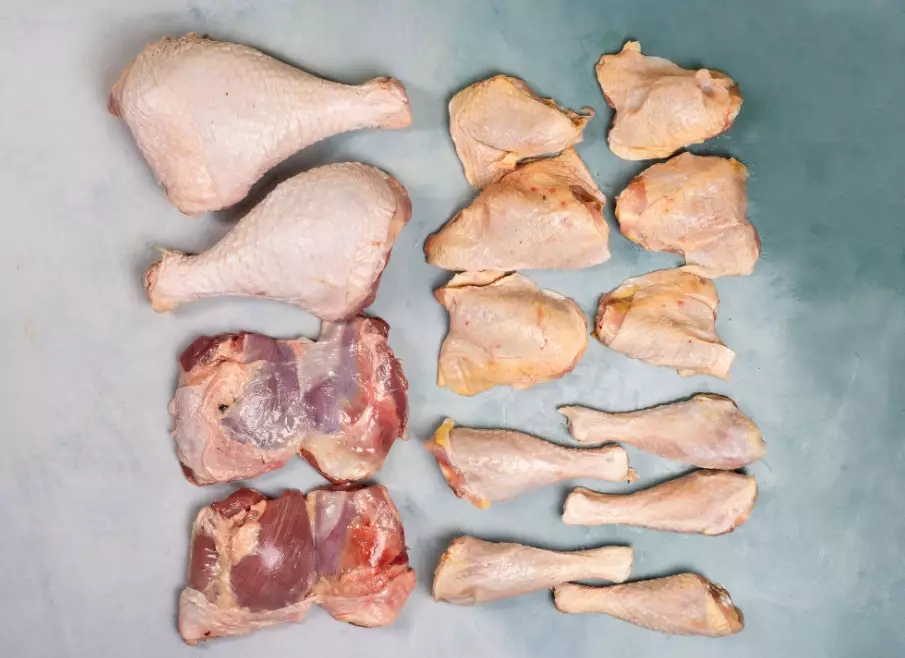
Your Dark Meat Questions Answered
 Can I substitute dark meat for white meat in any recipe?
Related Articles