White Meat on Chicken: Breasts, Tenders, Wings & More
You're at the grocery store, staring at the poultry section. Recipe calls for "chicken white meat." Your brain goes: breast, obviously. But is that it? What about those little strips? The wings? It's not as straightforward as you think, and getting it wrong can mess up your cooking. Let's clear this up once and for all.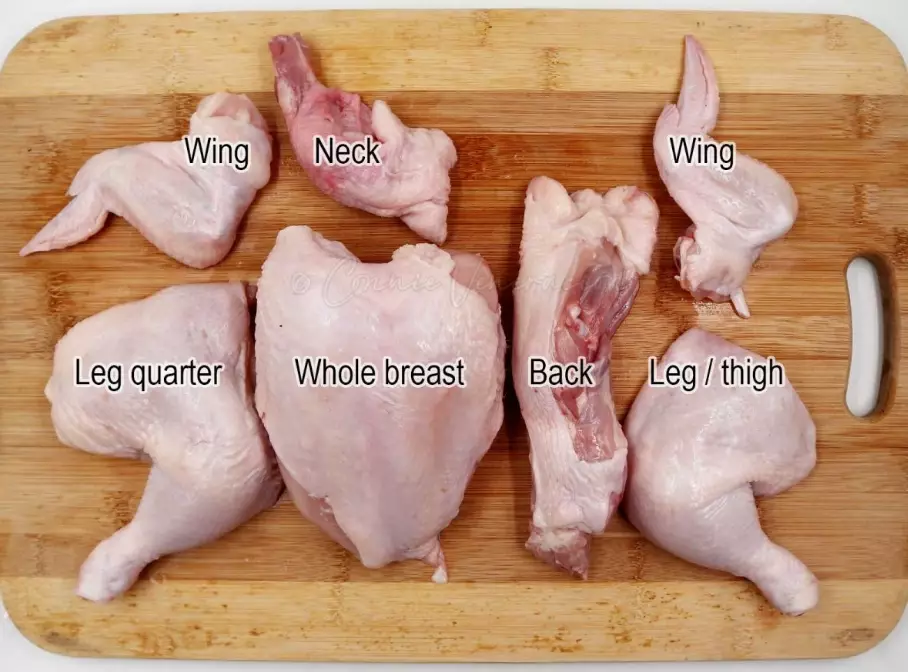
White meat refers to the muscles chickens use for quick, short bursts of energy – like flapping. They're fueled by glycogen and have less myoglobin (an oxygen-storing protein), giving them a lighter color. This isn't just trivia; it affects texture, flavor, and how you should cook it. The main white meat cuts are the breast and the tenderloin. But here's the twist most blogs miss: parts of the wing are also technically white meat, though they behave differently in the kitchen.
What You'll Learn in This Guide
The Three Main White Meat Cuts on a Chicken
Let's break down each part, because not all white meat is created equal. Knowing the specifics changes how you shop and cook.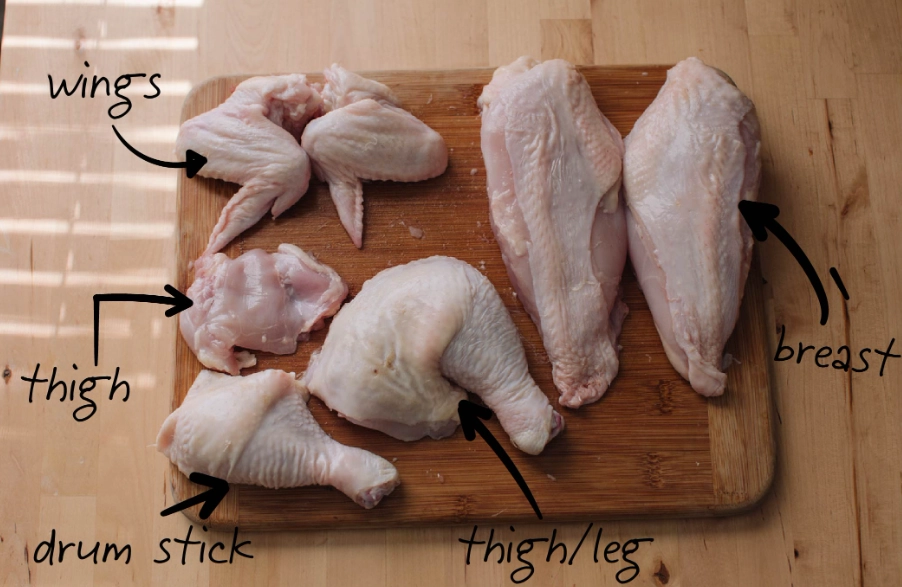
1. The Chicken Breast
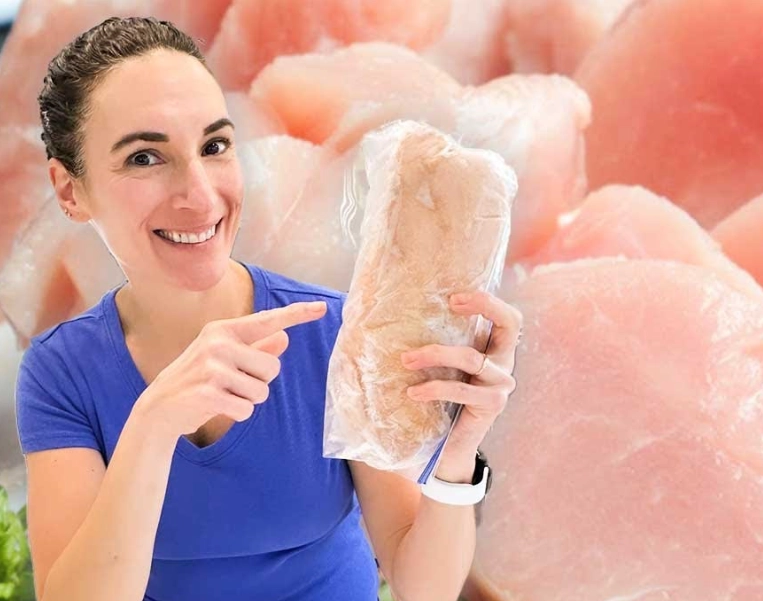
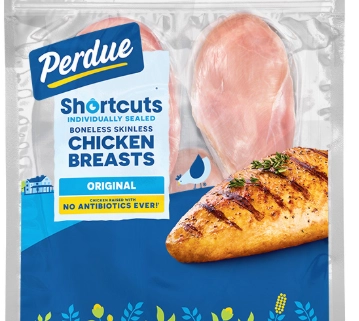
This is the king of white meat. It's the large, lean muscle on either side of the breastbone. When you buy "chicken breast," you're usually getting a boneless, skinless half-breast. But it comes in other forms:
- Boneless, Skinless Breast: The default healthy option. Super lean, cooks fast, but has zero margin for error – overcook it by a minute and it's sawdust.
- Bone-In, Skin-On Breast: My personal favorite for flavor. The bone acts as a heat buffer, cooking the meat more evenly. The skin crisps up and bastes the meat in its own fat. It's harder to find, but worth asking the butcher.
- Split Breast: A bone-in breast with the backbone removed. A good middle ground.
Here's a pro tip nobody tells you: most supermarket breasts are huge now – think 8 to 12 ounces each. They're from selectively bred birds. This causes a big problem: the thick end cooks much slower than the thin tail. The solution? Butterfly them (slice horizontally almost all the way through and open like a book) or pound them to an even thickness. It takes two extra minutes and guarantees even cooking.
2. The Chicken Tenderloin (or Tender)
That little strip of meat tucked underneath the main breast. It's not a separate muscle from the breast; it's actually the pectoralis minor, while the main breast is the pectoralis major. It's more tender (hence the name) because the muscle fibers are shorter and it gets worked less.
You can buy them separately, often labeled "chicken tenders." They're perfect for quick stir-fries, skewers, or chicken fingers because they're uniformly sized and cook in under 10 minutes. The downside? They're even leaner than the breast and can dry out in a flash. I always marinate them, even if it's just for 20 minutes in some yogurt or buttermilk.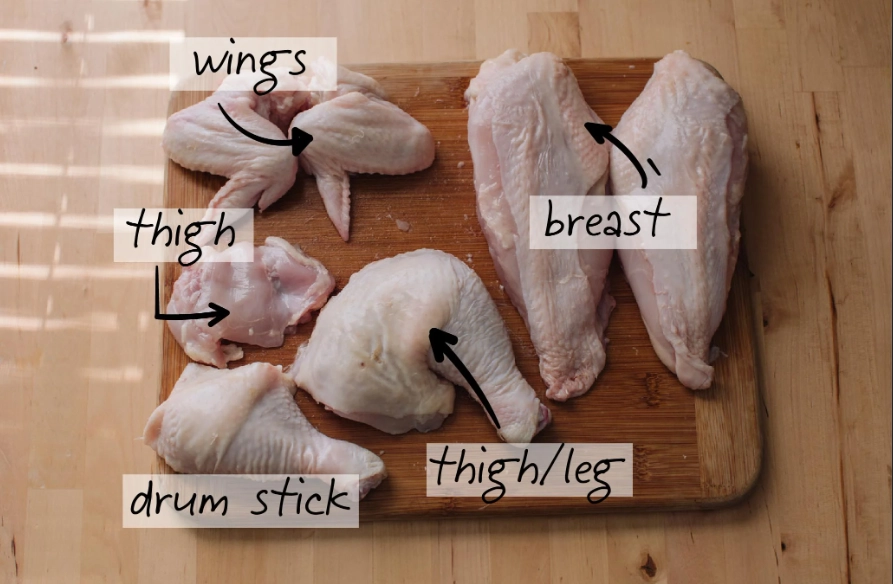
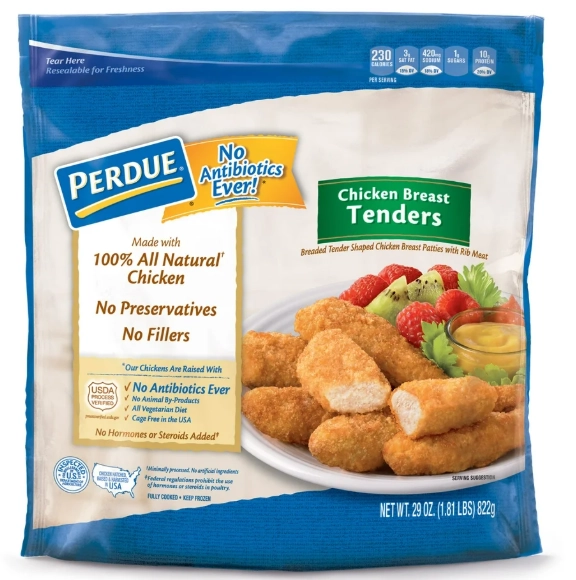
Watch Out: Don't confuse "chicken tenders" (the cut) with "chicken tenders" (the breaded, fried appetizer). The appetizer can be made from any cut, often processed breast meat. Always check the packaging.
3. The Chicken Wing (Yes, Really)
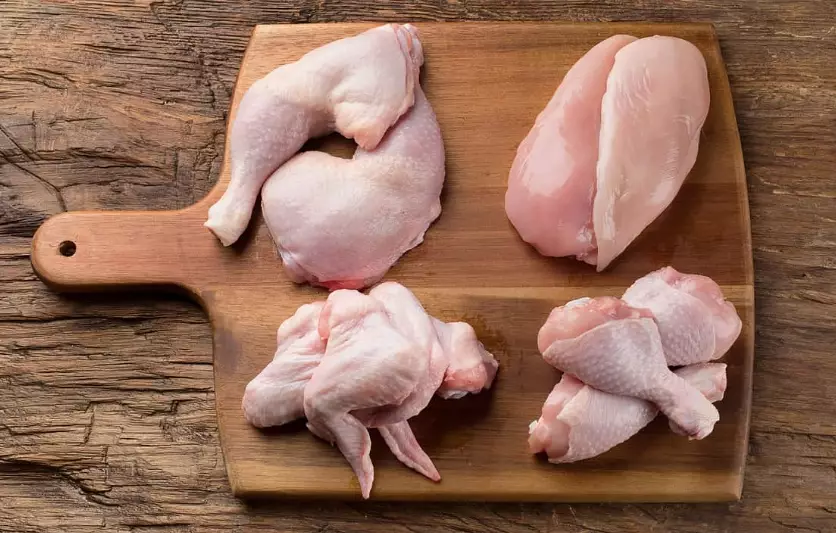
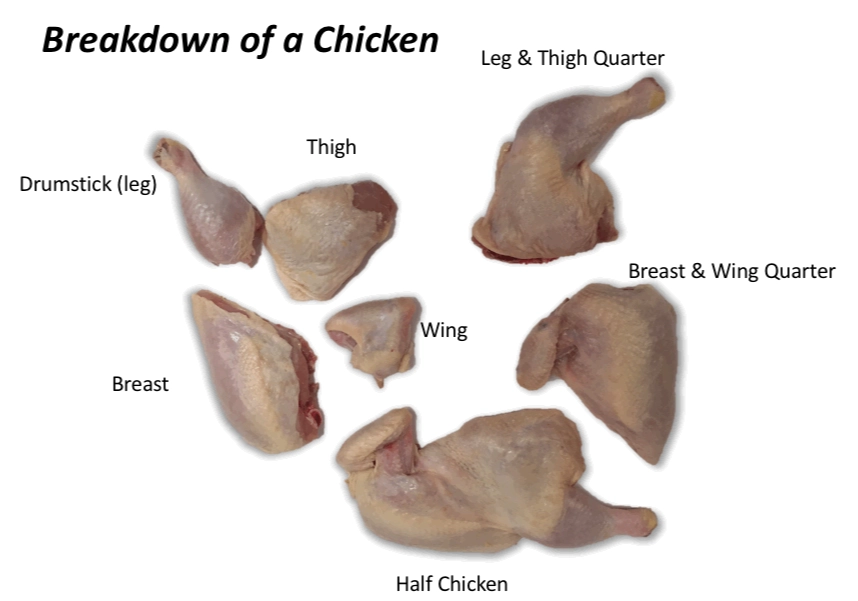
This is where things get interesting. The wing has three parts: the drumette (looks like a mini drumstick), the flat or wingette (the middle part with two bones), and the tip (usually discarded). The meat on the drumette and the flat is white meat. It's from the breast muscle group.
But wait, you say, wings are juicier and more forgiving than breast! That's because of the high skin-to-meat ratio and the connective tissue around the joints. The skin protects the meat and renders fat during cooking, while the connective tissue breaks down into gelatin, adding moisture. So while it's biologically white meat, its culinary behavior is a hybrid. Treating a wing like a breast (e.g., baking it naked at high heat) is a mistake. They need that skin and benefit from longer, slower cooking to break down the connective tissue, even when fried.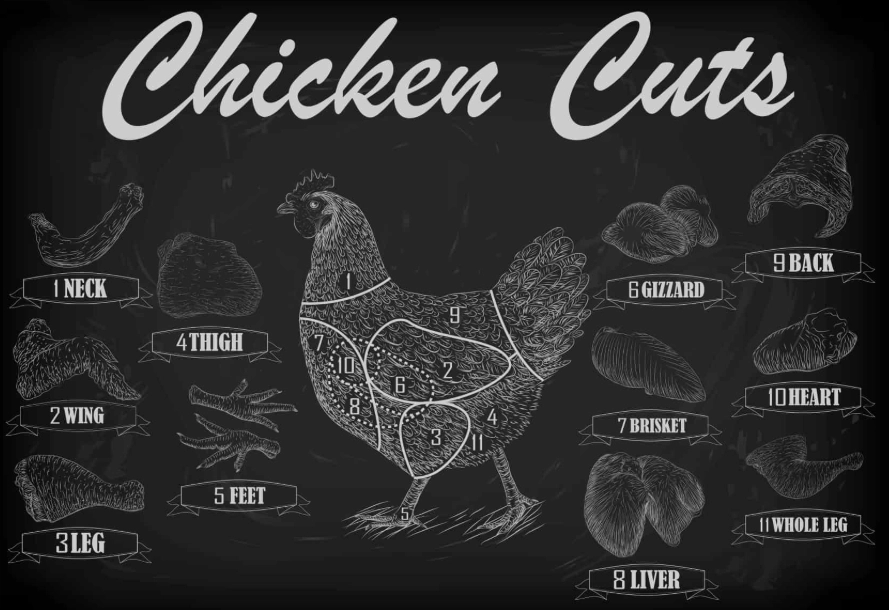
White Meat vs. Dark Meat: Nutrition, Flavor & Use
Why does this distinction matter? It's not just color. The difference between white and dark meat (thighs, legs) is like the difference between a sprinter and a marathon runner.
| Aspect | White Meat (Breast/Tender) | Dark Meat (Thigh/Leg) |
|---|---|---|
| Primary Muscles | Breast (Pectoralis major/minor) | Legs (Drumstick, Thigh) |
| Muscle Use | Fast-twitch, short bursts (flying) | Slow-twitch, sustained (walking/standing) |
| Key Nutrient: Fat | Very low (approx. 1-3g per 100g cooked, skinless)* | Higher (approx. 9-13g per 100g cooked, skinless)* |
| Key Nutrient: Protein | High (approx. 31g per 100g cooked) | High (approx. 26g per 100g cooked) |
| Iron Content | Lower | Significantly higher |
| Flavor & Texture | Milder, leaner, can be dry if overcooked | Richer, more "chicken-y," juicier, more forgiving |
| Best Cooking Methods | Quick-cook: Grilling, sautéing, baking (with care) | Versatile: Braising, roasting, grilling, frying |
| Price | Generally more expensive | Generally more affordable |
*Nutrition data sourced from the USDA FoodData Central database. These are approximations; values vary.
Here's my take after years of cooking: choosing white vs. dark isn't about "better" or "worse." It's about purpose. Need a lean, high-protein canvas for a flavorful sauce? Go breast. Making a cozy stew where richness is key? Thighs win every time. The biggest mistake I see home cooks make is applying dark meat techniques (long, slow braising) to a chicken breast. You'll end up with stringy, dry meat. Conversely, throwing a thigh on a hot grill for 6 minutes a side will leave it tough and chewy near the bone.
How to Cook White Meat Chicken Without Drying It Out
This is the million-dollar question. Dry, bland chicken breast is a universal kitchen tragedy. It doesn't have to be. Forget the old "cook until juices run clear" advice—it's too vague and often leads to overcooking.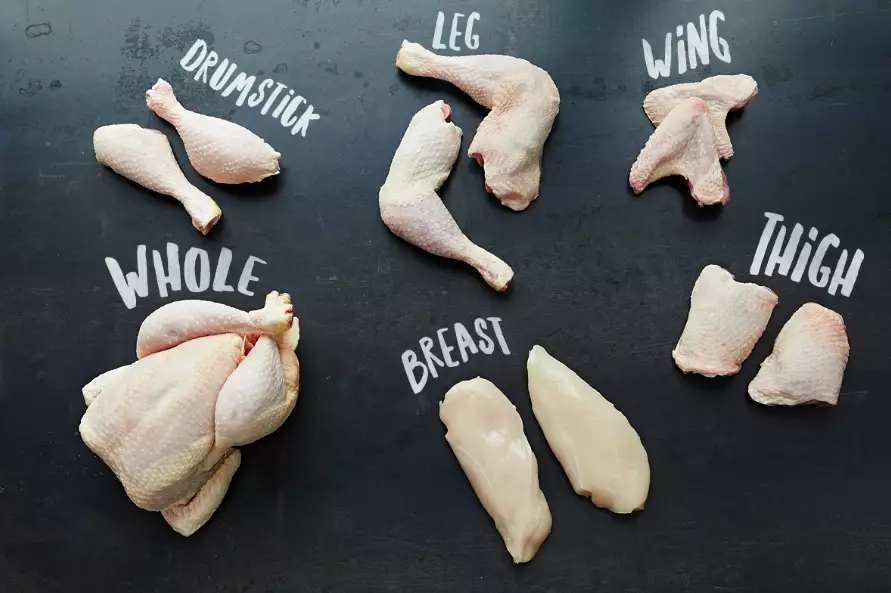
The Non-Negotiable Rule: Use a meat thermometer. It's the single best investment for cooking poultry. The USDA recommends cooking chicken to 165°F (74°C) for safety. However, you can pull white meat off the heat at 155-160°F (68-71°C). Carryover cooking will bring it up to 165°F while it rests. This keeps it juicier.
Brine or Dry-Brine: Soaking chicken in a saltwater solution (brine) or just salting it heavily an hour before cooking (dry-brine) changes the game. The salt helps the muscle proteins retain more moisture. Even 30 minutes makes a difference.
Pound to Even Thickness: As mentioned, those giant breasts are uneven. A few whacks with a rolling pin or pan creates a uniform cutlet that cooks evenly from edge to edge.
Embrace High Heat, Then Rest: For breasts, get your pan or grill screaming hot. Sear quickly to lock in juices (this is a bit of a myth—it mostly creates great flavor via the Maillard reaction), then finish at a slightly lower heat or in the oven. Always let it rest for 5-10 minutes after cooking. This allows the juices, which have been driven to the center, to redistribute. Cutting immediately sends all those juices onto your cutting board.
For wings, the strategy flips. You often want to cook them slower to render the fat and crisp the skin. Baking at 400°F after a light coating of baking powder (which alters the skin's pH for extra crispiness) works wonders. Or, double-fry them for the ultimate crispy texture.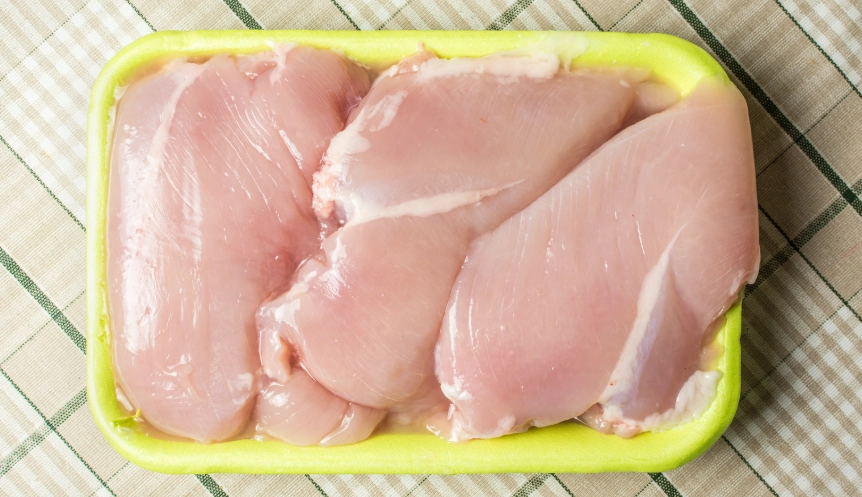
Frequently Asked Questions About Chicken White Meat
 Are chicken wings considered white meat for dietary purposes (like the USDA)?
So, there you have it. White meat on a chicken isn't just the breast. It's a category defined by muscle function, leading to specific cuts—breast, tenderloin, and wing meat—that each demand a slightly different approach in the kitchen. Understanding the "why" behind the color and texture empowers you to choose the right cut and cook it properly, turning what can be a boring, health-driven choice into something genuinely delicious and satisfying.
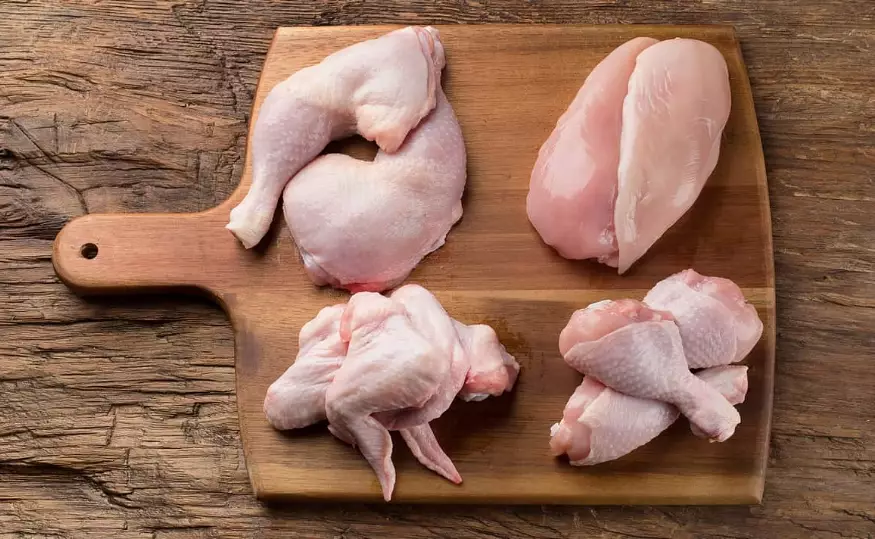 The next time you're meal planning, think about the role the chicken will play. Need a lean protein to slice over a salad? Grab a breast and brine it. Making quick fajitas on a weeknight? Tenderloins are your friend. Hosting a game day party? Wings, treated with respect for their unique composition, will be the star. It's all white meat, but knowing the details makes all the difference.
Related Articles