Perfect Fried Chicken Temperature in Celsius: A Complete Guide
Getting fried chicken right isn't about guesswork. It's a science, and the most critical number you need to know is 74°C. That's the safe internal temperature for cooked chicken, according to food safety authorities like the USDA Food Safety and Inspection Service. But if you stop there, you might end up with dry, chewy breast meat. The real secret, the one that separates good fried chicken from legendary fried chicken, lies in understanding the nuances for different cuts and mastering the tools to measure it.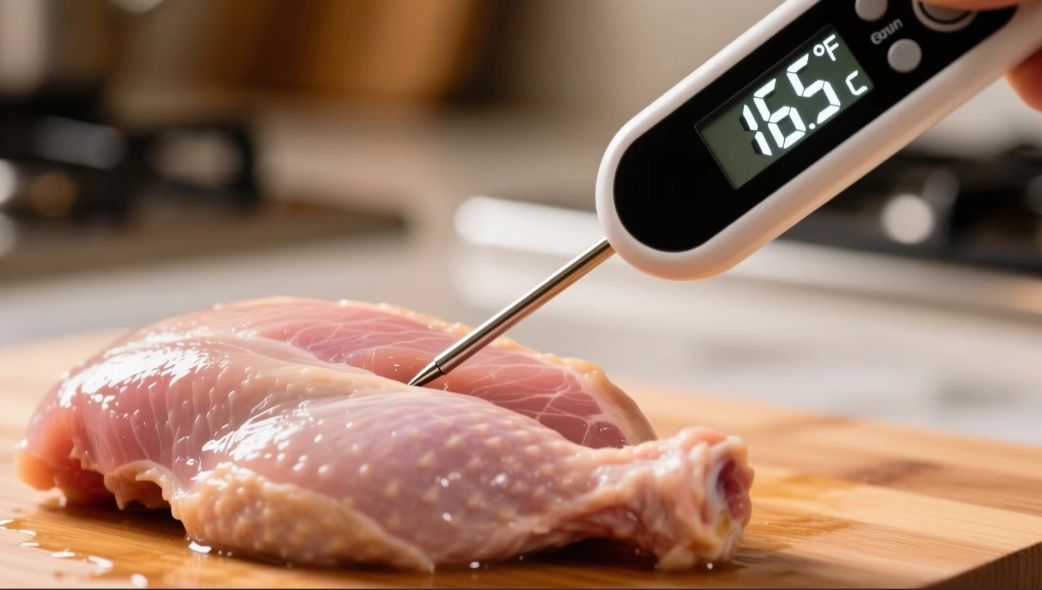
I've ruined more batches than I care to admit by focusing solely on the oil temperature. The sizzle sounds great, the color looks perfect, but then you cut into a piece and it's raw near the bone. Or worse, it's cooked to 74°C but tastes like sawdust. This guide is what I wish I had years ago.
What You'll Learn in This Guide
Why Internal Temperature is Your Most Important Metric
Everyone talks about oil temperature (and yes, 175-180°C is a good range for golden frying). But that only governs the crust. The inside of the chicken cooks at its own pace, influenced by the size of the piece, whether it's bone-in or boneless, and even how cold it was when it hit the oil.
Relying on color or cooking time is a recipe for inconsistency. Juices running clear? Not a reliable indicator. A 20-minute fry time? That might work for wings but will fail miserably for a large thigh. The only way to guarantee both safety and quality is to measure the internal temperature with a good instant-read thermometer.
Think of it this way: you're not just cooking to kill bacteria (which happens at 74°C). You're cooking to achieve the perfect texture. Breast meat proteins begin to tighten and squeeze out moisture rapidly after hitting about 68°C. Dark meat, with more fat and connective tissue, actually benefits from going a bit higher to become tender and juicy.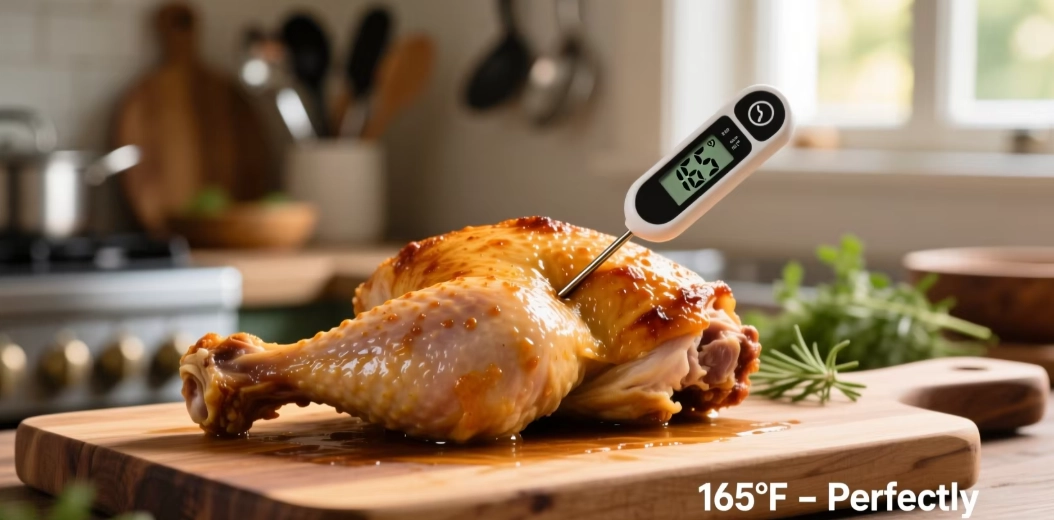
The Complete Fried Chicken Temperature Guide (Celsius)
This table is your quick-reference bible. Forget the single "74°C" rule. Here’s the detailed breakdown.
| Chicken Cut | Minimum Safe Temp (Food Safety) | Optimal Temp for Juiciness & Texture | Key Target Area for Thermometer |
|---|---|---|---|
| Chicken Breast (Boneless) | 74°C | 68-70°C (then rest) | Thickest part of the meat |
| Chicken Breast (Bone-in) | 74°C | 70-72°C (then rest) | Near, but not touching, the bone |
| Chicken Thighs & Legs (Bone-in) | 74°C | 75-80°C | Deepest part, near the joint |
| Chicken Wings (Whole) | 74°C | 74-77°C | Meaty part of the drumette |
| Whole Chicken (Cut into pieces) | 74°C in all pieces | Follow piece-specific temps above | Measure each piece type separately |
The Resting Carryover Secret: When you pull chicken out of hot oil, its internal temperature continues to rise by 2-4°C as the heat redistributes. This is called carryover cooking. That's why pulling breast meat at 68-70°C is genius—it glides up to a safe and perfectly juicy 72-74°C while it rests on a wire rack for 5-10 minutes.
How to Measure Fried Chicken Temperature Accurately
This is where most home cooks slip up. It's not just about sticking in a probe.
Choosing and Using Your Thermometer
Ditch the old analog oven thermometer. You need a digital instant-read thermometer. The Thermapen is the industry gold standard for speed and accuracy, but there are many good, affordable alternatives.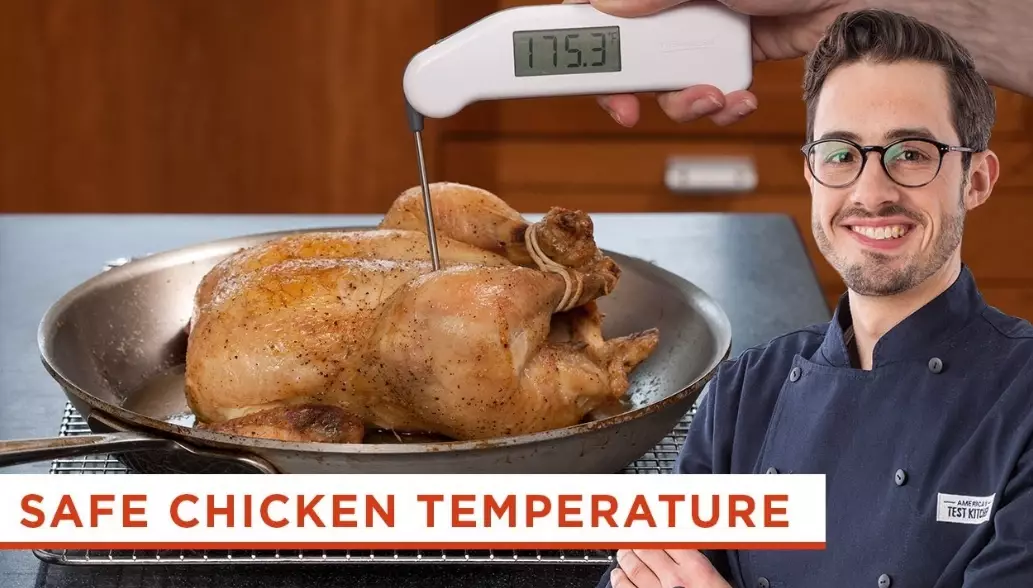
Here’s the correct technique:
- Wait for the Right Moment: Don't start poking pieces early. Start checking temperatures about 3/4 of the way through your estimated fry time.
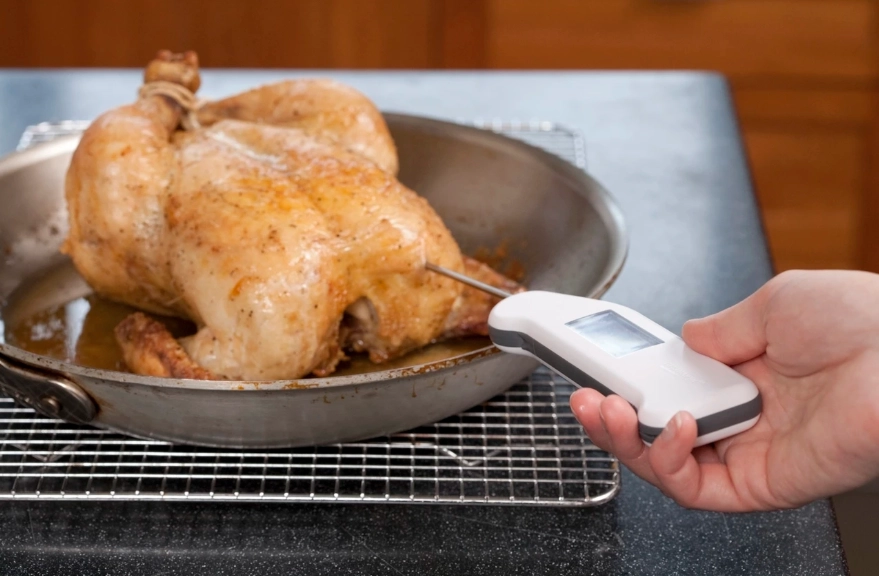
- Find the Cold Spot: Insert the probe into the thickest part of the meat. For bone-in pieces, aim for the area closest to the bone without actually touching it. Bone conducts heat differently and will give a false, lower reading.
- Check Multiple Pieces: Don't assume all pieces are done at once. A large thigh will take longer than a wing. Check the largest piece of each type in your batch.
A mistake I see constantly? People measure the temperature right at the surface of the meat, which is much hotter than the center. You need to get that probe deep into the geometric center.
Common Fried Chicken Temperature Mistakes
Let's troubleshoot the usual suspects.
Mistake 1: The Single-Temp Mindset. Using 74°C for everything. Result? Dry breasts. Use the tailored temps from the chart above.
Mistake 2: Frying at Oil That's Too Hot. Cranking the heat to 200°C+ will give you a dark, bitter crust long before the inside reaches a safe temperature. You're left with a burnt outside and raw inside. Maintain a steady 170-180°C.
Mistake 3: Not Accounting for Carryover Cooking. If you cook breast meat to 74°C in the oil, it will soar to 78°C or higher while resting. That's the express lane to dryness.
Mistake 4: Crowding the Pan. Adding too many cold chicken pieces at once causes the oil temperature to plummet. The chicken then sits in warm oil, soaking up grease instead of frying crisply, and the internal temperature takes forever to rise. Fry in small batches.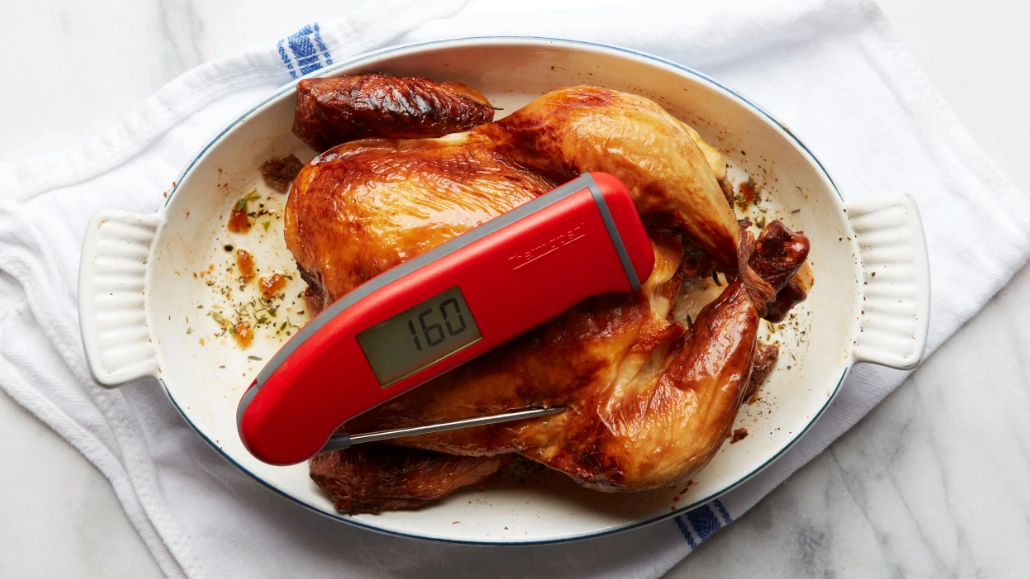
Your Fried Chicken Temperature Questions, Answered
 Why is my fried chicken tough even though I followed the temperature guide?
Related Articles