Perfect Roast Chicken: Time, Temperature & Doneness Guide
You search for "how long to roast chicken in the oven" because you want a simple answer. I get it. But here's the truth no one tells you upfront: giving you a single number is a recipe for dry, disappointing chicken. The time depends entirely on what you're roasting—a whole bird, thighs, or breasts—and its weight. More importantly, time is just a guideline; the real secret lies in the internal temperature. After roasting hundreds of chickens, I've learned that focusing solely on the clock is the most common mistake home cooks make. Let's fix that.
Your Roasting Roadmap
The Foolproof Roast Chicken Timetable
Okay, let's start with the numbers you came for. This table is your quick-reference cheat sheet. Remember, these times are for a preheated oven at 400°F (200°C), which is a great all-purpose roasting temperature for golden skin and even cooking.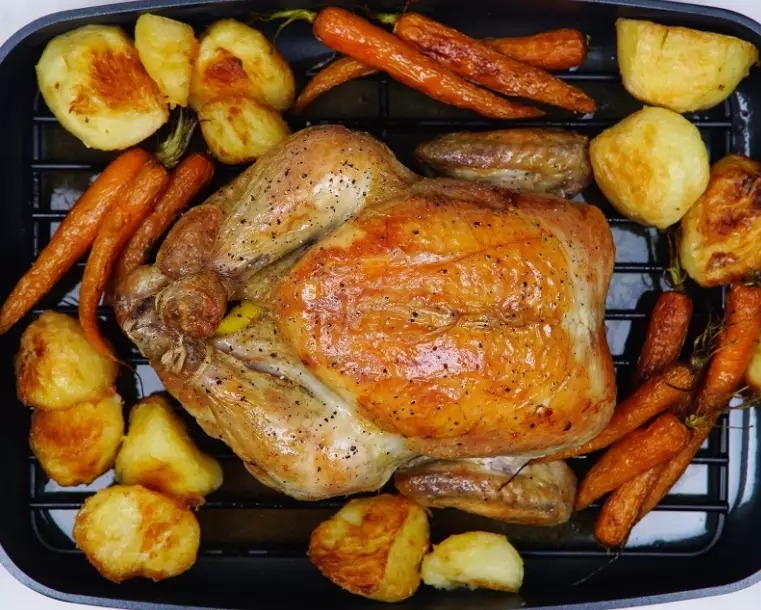
| What You're Roasting | Approximate Weight | Estimated Roast Time at 400°F | Target Internal Temp |
|---|---|---|---|
| Whole Chicken | 3 to 4 lbs (1.4-1.8 kg) | 70 to 90 minutes | 165°F (74°C) in the thickest part of the thigh |
| Whole Chicken | 5 to 6 lbs (2.3-2.7 kg) | 90 to 120 minutes | 165°F (74°C) in the thickest part of the thigh |
| Bone-in, Skin-on Chicken Thighs | 5-7 oz each (140-200g) | 35 to 45 minutes | 175-185°F (79-85°C) for fall-apart tenderness |
| Bone-in, Skin-on Chicken Breasts | 10-12 oz each (280-340g) | 30 to 40 minutes | 165°F (74°C) |
| Boneless, Skinless Chicken Breasts | 6-8 oz each (170-225g) | 20 to 25 minutes | 165°F (74°C) |
| Chicken Legs (Drumsticks & Thighs attached) | 10-12 oz each (280-340g) | 40 to 50 minutes | 175°F (79°C) in the thigh |
See how the times vary? A 3-pound chicken and a 6-pound chicken are worlds apart. And notice the different target temperatures for thighs versus breasts. Thighs have more connective tissue that breaks down beautifully at a slightly higher temp, making them juicier, not drier.
Why a Meat Thermometer Beats the Clock Every Time
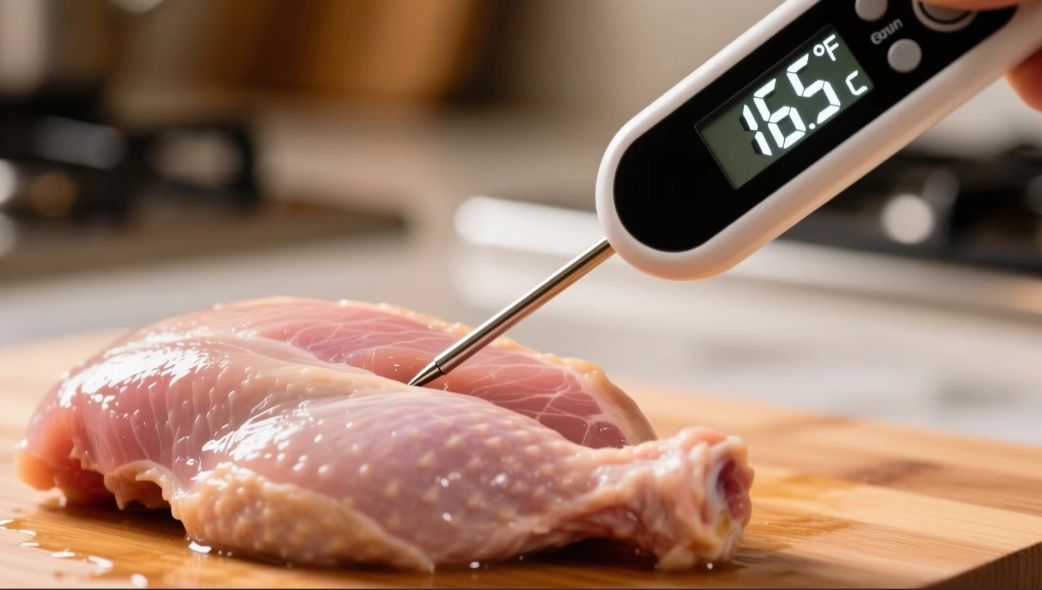
If you take one thing from this guide, let it be this: buy an instant-read digital meat thermometer. It costs less than a takeout meal and will transform your cooking. Time estimates are just that—estimates. Your oven's calibration, the starting temperature of the chicken (was it cold from the fridge?), and even the type of roasting pan can change the cooking time by 10-15 minutes.
A thermometer tells you the truth. The USDA recommends cooking all poultry to a minimum safe temperature of 165°F (74°C) to eliminate harmful bacteria. You can find this guideline on their Food Safety and Inspection Service website. But for quality, especially for dark meat, going a bit higher (175°F-185°F) yields better texture.
Step-by-Step: How to Roast a Whole Chicken Perfectly
Let's walk through a 4-pound whole chicken scenario. This is the Sunday dinner classic.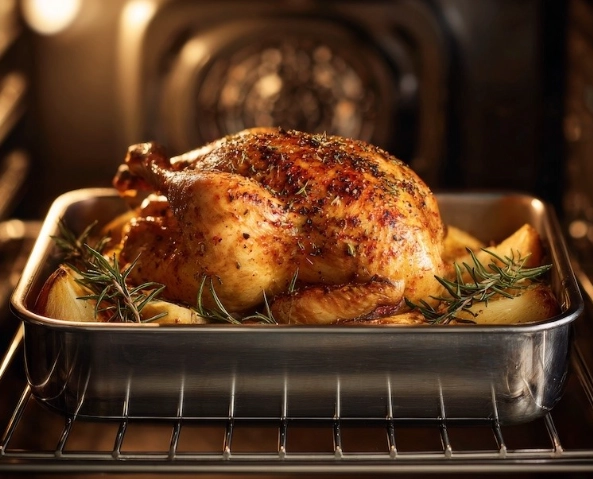
1. Prep is Non-Negotiable
Pat the chicken extremely dry with paper towels, inside and out. This is the single most effective step for crispy skin. Moisture is the enemy of crispness. Season generously with salt and pepper under the skin on the breasts and all over the outside. Let it sit uncovered in the fridge for an hour, or even overnight. This dry-brines the meat, seasoning it deeply and drying the skin further.
2. Trussing and Temperature
I'm not a fan of intricate trussing. Just tuck the wingtips behind the shoulders and tie the legs together with kitchen twine. This helps it cook evenly. Preheat your oven to 400°F (200°C). Place the chicken on a rack in a roasting pan, breast-side up.
3. The Roast and The Rest
Roast for about 20 minutes per pound. So, for our 4-pound bird, start checking at around 70 minutes. Insert the thermometer into the thickest part of the inner thigh, avoiding the bone. When it reads 160°F, take it out. Do not skip the rest. Tent it loosely with foil and let it sit for 15-20 minutes. The juices redistribute, and the temperature will coast up to a safe 165°F+ while the meat becomes incredibly juicy.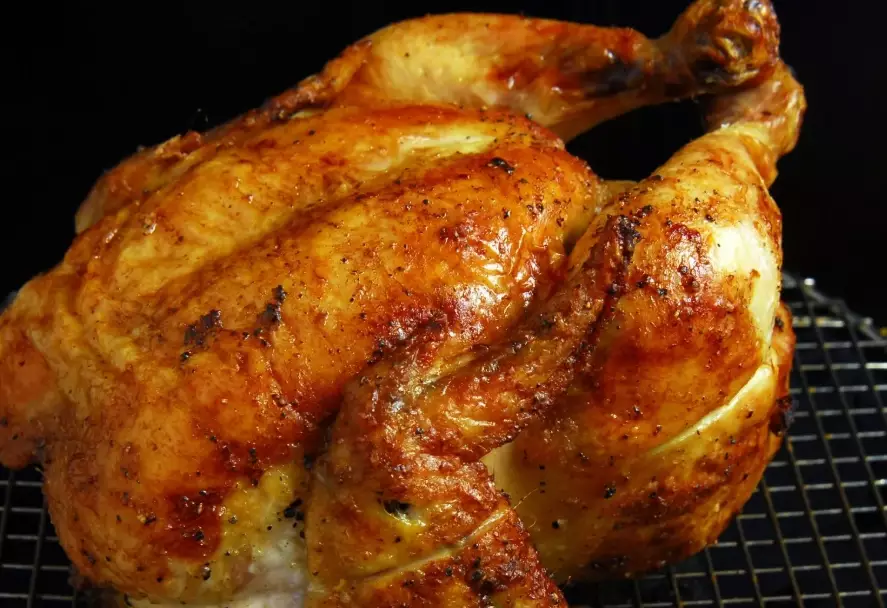
Mastering Chicken Pieces: Breasts, Thighs & Legs
Pieces are weeknight heroes. They cook faster, but each has its own personality.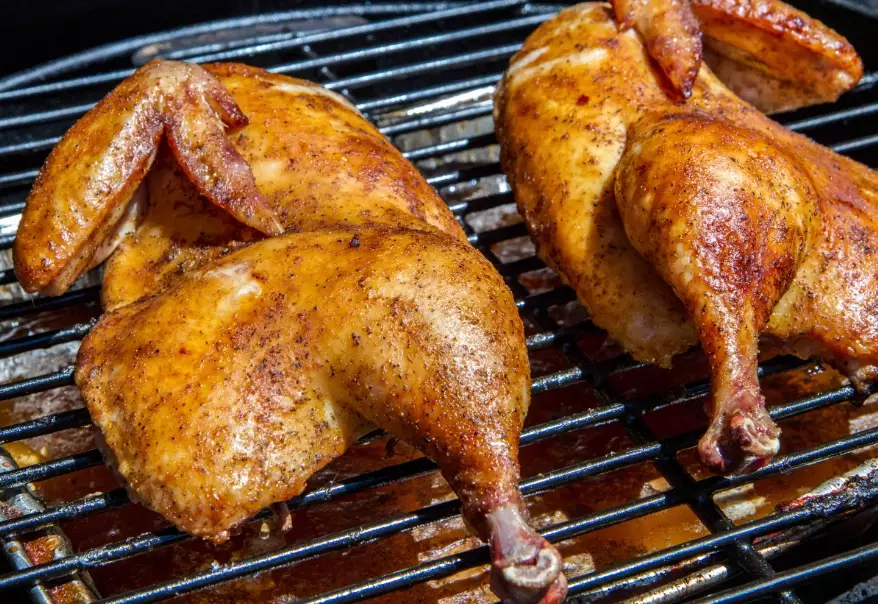
Bone-in, skin-on thighs are forgiving. Their higher fat content means you can roast them longer to get the skin super crispy and the meat tender. Don't be afraid of that 175-185°F range.
Chicken breasts, especially boneless ones, are the trickiest. They have little fat and dry out fast. Cook them to exactly 165°F and no further. Consider pounding them to an even thickness so the thin end doesn't overcook while the thick center catches up.
My personal favorite for a quick meal? A sheet pan with a mix of thighs and chopped vegetables (potatoes, carrots, broccoli) tossed in oil. Everything roasts together at 400°F for about 40 minutes. One pan, dinner done.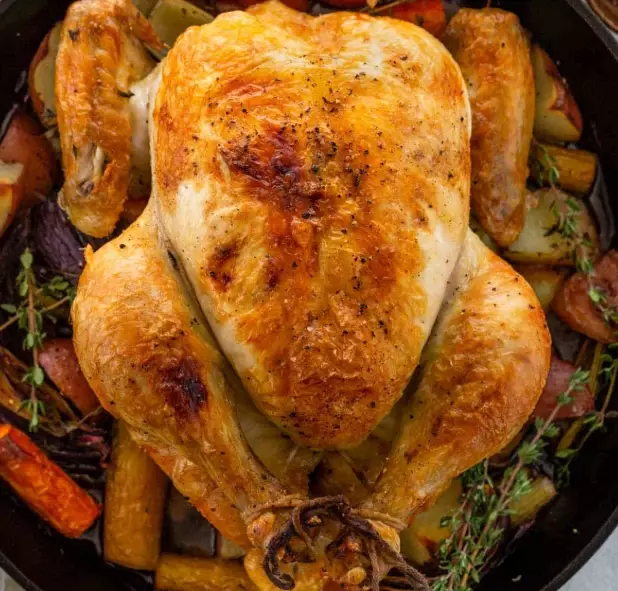
Expert Tricks for Crispy Skin & Juicy Meat
- Start Hot, Finish Steady: Some chefs swear by starting at a high temp (450°F) for 15 minutes to blister the skin, then lowering to 375°F to finish cooking. It works, but 400°F straight through is simpler and nearly as good.
- Butter Under the Skin: Gently separate the skin from the breast meat with your fingers and smear softened herb butter in between. This bastes the meat from the inside as it roasts.
- Elevate the Chicken: Using a roasting rack or even a bed of roughly chopped onions and carrots allows hot air to circulate, cooking the bottom evenly and preventing soggy skin.
- Skip the Basting: This is a non-consensus opinion. Opening the oven door repeatedly drops the temperature and slows cooking. Well-seasoned skin and proper temperature control will give you a better result than constant basting.
Your Top Roasting Questions, Answered
The real answer to "how long to roast chicken" is a combination of weight, cut, oven temperature, and the unwavering guidance of a good thermometer. Ditch the guesswork. Embrace the thermometer. Your future dinners—juicy, flavorful, and perfectly cooked—will thank you.
Related Articles