Dark Meat Chicken: Cuts, Cooking & Flavor Explained
Let's cut straight to the chase. When you ask "what parts are dark meat on a chicken?", you're really asking about flavor, juiciness, and how not to ruin your dinner. The simple answer: the primary dark meat cuts are the thighs and the drumsticks (the legs). There's also a bonus zone—parts of the wings. But if you stop there, you're missing the whole story. Knowing this is just the first step to unlocking why dark meat is often the chef's (and smart home cook's) secret weapon for consistently delicious, forgiving meals.
I learned this the hard way. Early in my cooking life, I'd proudly serve dry, stringy chicken breasts while the succulent, flavor-packed dark meat was treated as a second-class citizen. It was a mistake rooted in not understanding the basic biology of the bird. This guide will not only name the parts but dive into the why and how, turning you into a dark meat advocate.
What You'll Discover in This Guide
What Parts of the Chicken Are Dark Meat?
Forget vague descriptions. Here’s the precise breakdown, from the most iconic dark meat to the often-overlooked areas.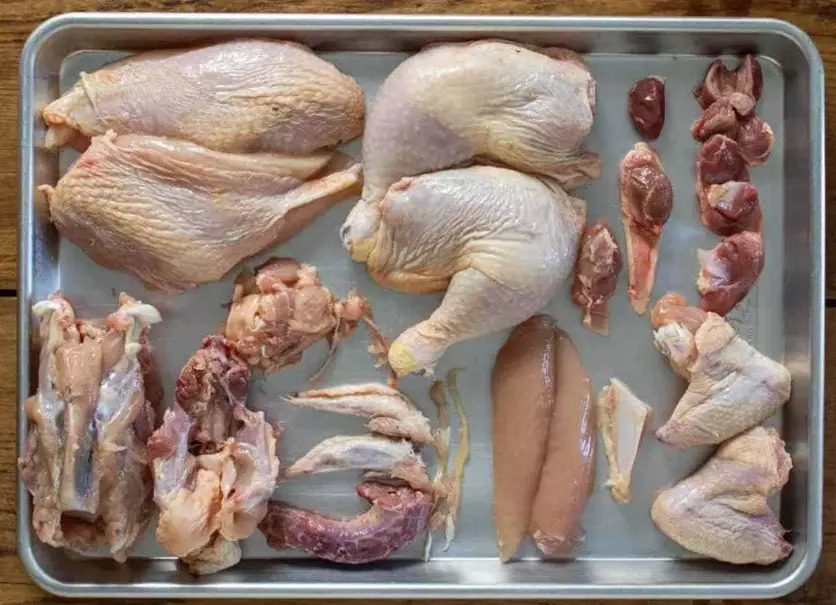
The Two Primary Dark Meat Cuts
These are the undisputed champions of the dark meat world.
The Thigh: This is the gold standard. Located above the knee joint, the thigh is a single, oval-shaped muscle (the quadriceps of the chicken, if you will). It's marbled with fat and has a rich, almost beefy flavor. You can buy it bone-in, skin-on (my preference for maximum flavor), boneless, or skinless. A common supermarket package labeled "chicken legs" often includes both the thigh and drumstick still connected.
The Drumstick: The lower part of the leg, from the knee down. It's easily recognizable by its handle-like bone. The meat is slightly denser and has more connective tissue than the thigh, which breaks down into glorious gelatin during slow cooking. It's the ultimate casual, hands-on eating experience.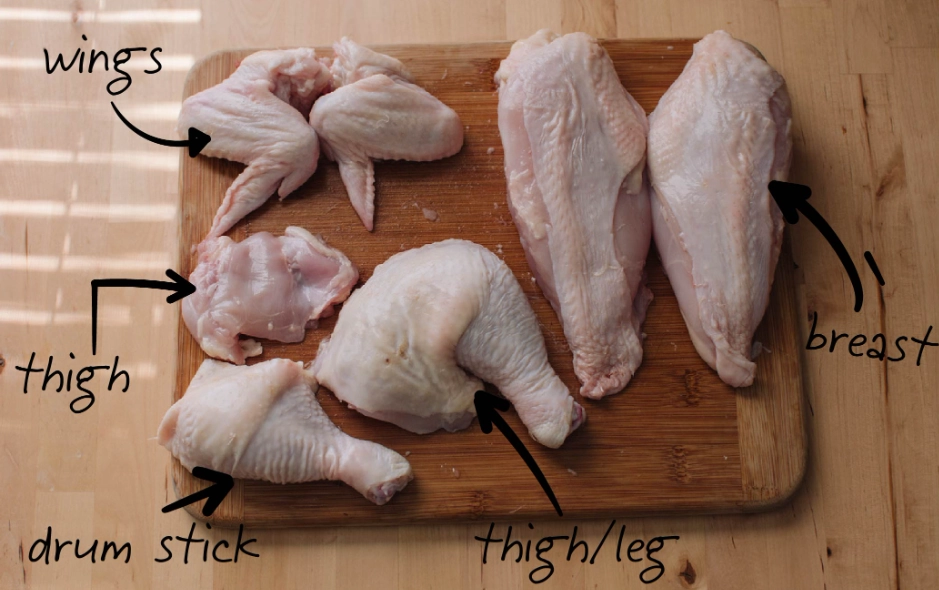
The Bonus Dark Meat Zone
The Wings: This is where it gets interesting. The wing is a hybrid. The meatier sections closest to the body—the drumette and the flat or wingette—are considered dark meat. They have a higher fat content and more myoglobin than breast meat, giving them a darker hue and richer taste, especially noticeable when you bite into a well-cooked wing away from the skin. The very tip (the flapper) is mostly skin and bone.
So, a quick recap: Legs (Thigh + Drumstick) = Always Dark Meat. Wings = Primarily Dark Meat. Everything else (breast, tenderloins) = White Meat.
Dark Meat vs. White Meat: The Science of Flavor and Texture
Why is dark meat dark? It’s not magic; it’s myoglobin and lifestyle. Chickens use their legs and wings for constant standing, walking, and flapping. These muscles are built for endurance, requiring a steady oxygen supply. Myoglobin is a protein that stores oxygen in muscle cells, and it's dark red. More activity = more myoglobin = darker meat.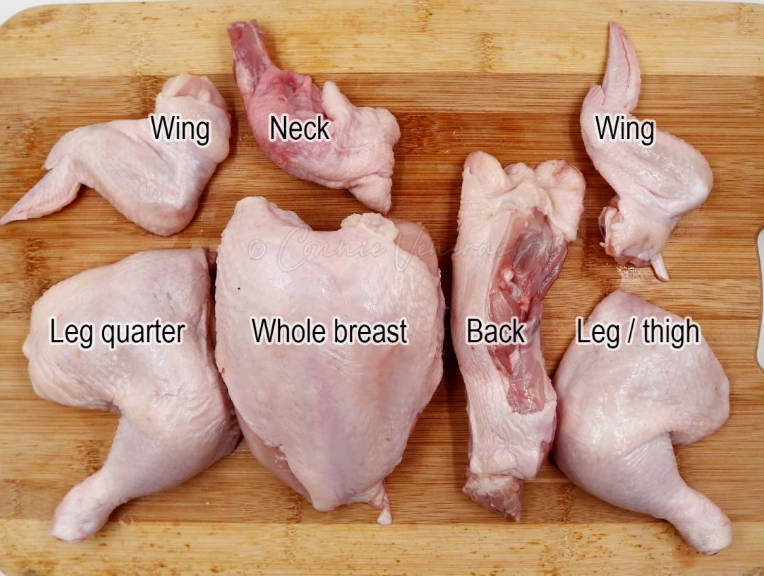
Breast meat, used for brief, powerful bursts (like flying short distances in their ancestral past), has much less myoglobin, hence its pale color.
This biological difference dictates everything on your plate:
| Characteristic | Dark Meat (Thighs, Drumsticks) | White Meat (Breast) |
|---|---|---|
| Color | Deep pink to reddish-brown | Very pale pink to white |
| Fat Content | Higher (around 10-15% fat) | Lower (around 3-5% fat) |
| Flavor | Rich, savory, deeply "chickeny" | Mild, subtle, sometimes bland |
| Texture Cooked | Juicy, tender, forgiving | Can easily become dry and stringy |
| Best Cooking Temp | 175°F (79°C) and above | 165°F (74°C) exactly |
| Muscle Fiber Type | More slow-twitch (endurance) | More fast-twitch (power) |
That higher fat content and connective tissue in dark meat is your safety net. It baste the meat from the inside as it cooks. Overcook a chicken thigh by a few minutes? It's still juicy. Overcook a chicken breast by a few minutes? You've got sawdust. This single fact makes dark meat the superior choice for beginners, weeknight cooks, and anyone who values a stress-free kitchen.
Nutritionally, dark meat has more iron and zinc (thanks to the myoglobin) and slightly more calories from fat. But it's still lean protein. The difference isn't a health deal-breaker unless you're on an extremely strict diet.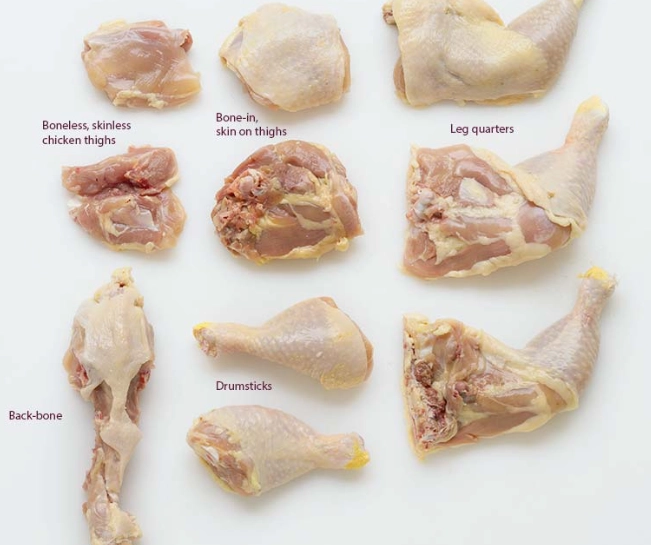
How to Cook Dark Meat Chicken Perfectly Every Time?
The beauty of dark meat is its versatility and resilience. You can throw a lot at it, and it bounces back. Here’s how to leverage that.
The Golden Rule: Cook to Temperature, Not Time. I can't stress this enough. Get an instant-read thermometer. For dark meat, aim for an internal temperature of 175°F to 185°F (79°C to 85°C). Wait, isn't chicken safe at 165°F? Yes, but at 165°F, the tough collagen and connective tissue in the legs haven't fully melted into gelatin. Pushing it to 175°F+ transforms that tissue, making the meat phenomenally tender and succulent. This is the non-consensus tip many recipes miss—they treat all chicken to the same 165°F standard, doing a disservice to dark meat.
Top Cooking Methods for Dark Meat:
- Braising & Stewing: The absolute best method. Submerged in liquid (think coq au vin, chicken cacciatore) and cooked low and slow, dark meat becomes fall-off-the-bone tender. The liquid becomes infused with flavor.
- Roasting/Baking: High heat (400°F/200°C+) to crisp the skin, then finish at a moderate temp to cook through. Always start skin-side up. The rendered fat drips down, basting the meat.
- Grilling: Use indirect heat. Sear over high heat to mark it, then move to a cooler part of the grill to cook through slowly. The fat prevents it from drying out over the flames.
- Pan-Searing & Sautéing: Great for boneless thighs. Get your pan screaming hot, render the skin-side until golden and crisp, then flip to finish cooking. The fond (browned bits) left in the pan makes an incredible pan sauce.
I personally swear by sous vide for dark meat. Cooking thighs at 165°F for 2-4 hours, then blasting them under a broiler or in a hot pan for crisp skin, gives you a texture that's impossible to achieve by any other method—uniformly juicy from edge to edge. It’s a game-changer.
Honestly, my go-to weeknight dinner is seasoning bone-in, skin-on thighs with just salt, pepper, and smoked paprika, roasting them at 425°F for about 35-40 minutes until the skin is crackling and the internal temp hits 180°F. Zero fuss, maximum reward.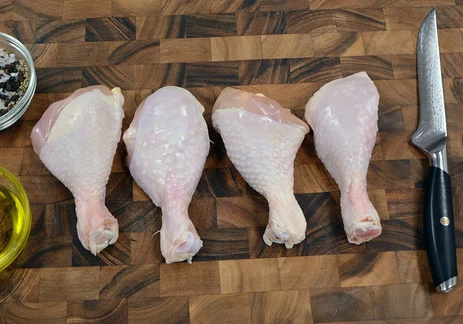
Your Dark Meat Questions, Answered
So, the next time you're at the meat counter, skip the overpriced, high-maintenance breasts and grab a pack of thighs or drumsticks. You're not just buying a cheaper cut; you're buying flavor, juiciness, and culinary peace of mind. Understanding what parts are dark meat on a chicken is the first step to consistently better meals.
Related Articles