The Golden Rule of Frying Chicken: Why 350°F (177°C) Is Key
Let's cut to the chase. After frying chicken for over a decade, from backyard cookouts to small catering gigs, I can tell you the single most common mistake is getting the oil temperature wrong. It's not about the seasoning or the brand of flour. It's the heat. The sweet spot, the number that separates a soggy, greasy mess from a shatteringly crisp, juicy masterpiece, is 350°F (177°C). This isn't just a random number; it's the result of food science and a lot of trial and error. If you remember nothing else, remember 350. This guide will explain why it works, how to nail it every time, and what to do when things don't go as planned.
What You'll Learn in This Guide
The Science Behind 350°F: Oil, Water, and the Perfect Crust
Think of frying as a race. On one side, you have the intense heat of the oil trying to cook the chicken and evaporate the moisture inside. On the other side, you have the water inside the chicken trying to escape as steam. At 350°F, these forces reach an optimal balance.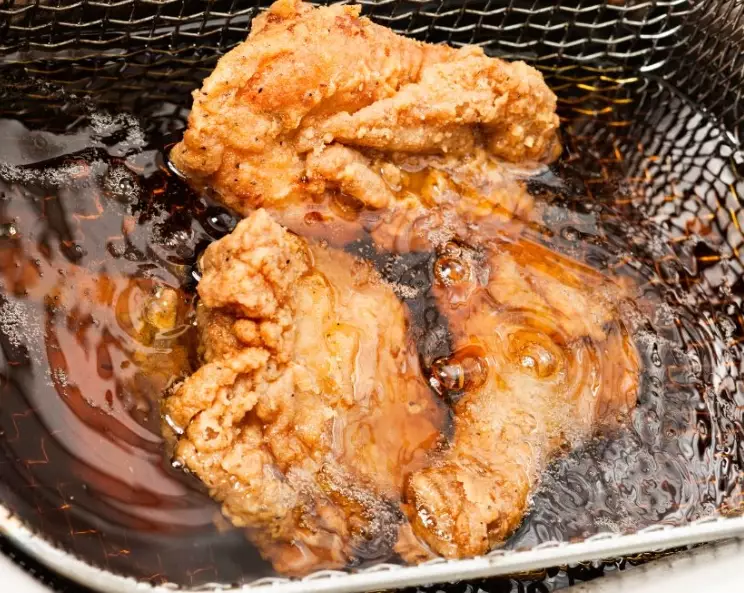
If the oil is too cold (say, 300°F or below), the race is slow. The oil seeps into the crust before it has a chance to set, resulting in a greasy, heavy coating. The chicken takes forever to cook, drying out the interior before the outside is even golden. It's a lose-lose situation.
If the oil is too hot (above 375°F), the race is a sprint. The outside crust browns and burns almost instantly, locking the steam inside. This can leave you with a beautifully dark, crispy shell hiding undercooked, even raw meat near the bone. I've seen it happen more times than I'd like to admit.
This principle is backed by culinary science. The Maillard reaction—the complex chemical process that creates browning and deep flavor—kicks into high gear around 300°F. At 350°F, you're perfectly in the zone for maximum flavor development without crossing into acrid, burnt territory.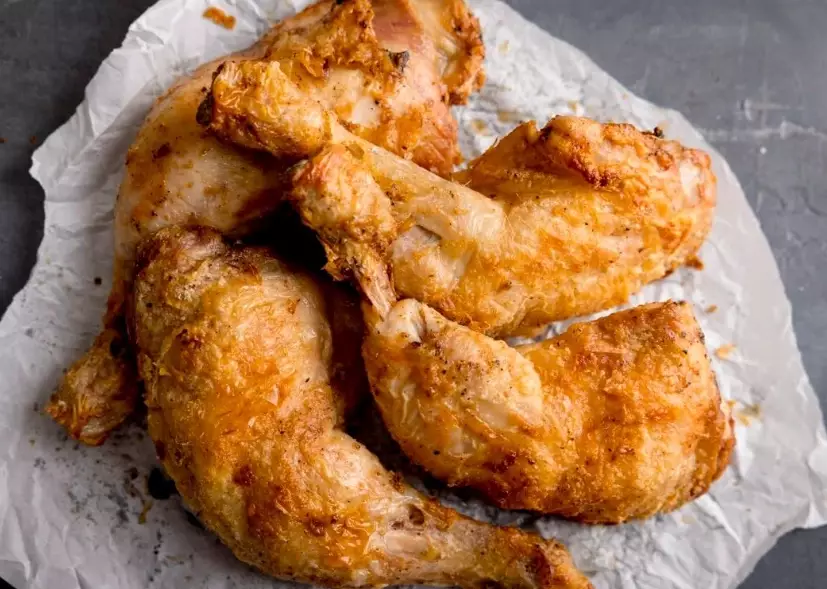
How to Maintain the Perfect Frying Temperature
Here's the hard truth: your oil won't stay at 350°F. When you add cold chicken, the temperature will plummet. Your job is to manage that drop and bring it back up. This is where most home cooks panic.
Choosing and Using Your Thermometer
Guessing is for amateurs. You need a good instant-read or deep-fry thermometer. The candy/deep-fry thermometers with a clip are ideal. Don't rely on your stove's dial or the "ideal" marking on a cheap pot. I learned this the hard way when a batch of wings turned into charcoal because my stove's "medium-high" was actually pushing 400°F.
Start by heating your oil to about 365-370°F. Why higher? Because adding the chicken will cause a drop of 15-25 degrees. You want it to land right in the 350°F zone after the initial plunge.
The Art of the Fry: Batch Size and Recovery
This is the most critical practical skill. Do not overcrowd the pot. Crowding is the #1 cause of temperature crash and soggy chicken. The oil needs room to circulate and recover heat.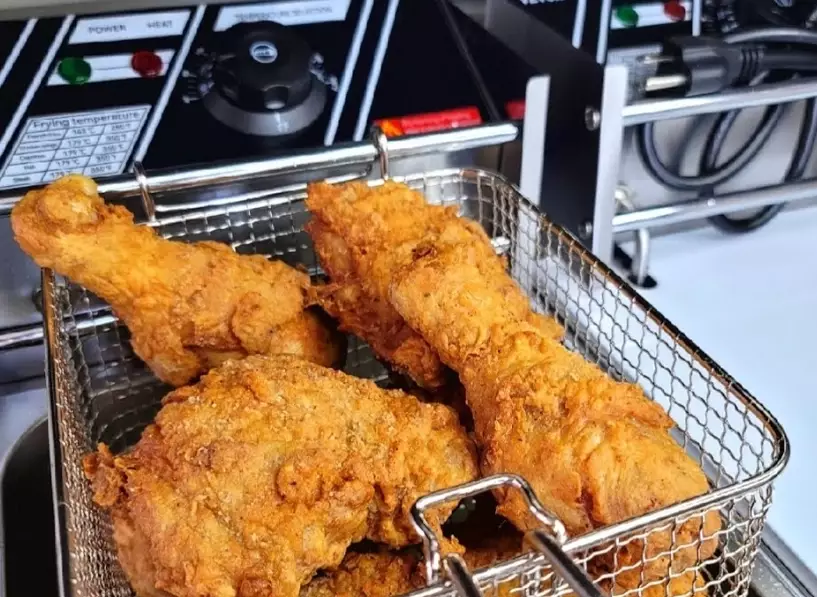
My rule of thumb: The chicken pieces should not touch each other when first added, and they should occupy no more than one-third to one-half of the oil's surface area. Fry in small batches. Let the oil fully recover to 365°F before adding the next batch. Yes, it takes longer. Yes, it's worth it.
Use a heavy-bottomed pot (like a Dutch oven) which retains heat better than a thin pot, helping to stabilize the temperature after adding chicken.
Adjusting for Different Chicken Parts (Breasts, Thighs, Wings)
While 350°F is the universal starting point, slight adjustments in technique are needed for different cuts. Bone-in, skin-on is always best for deep frying—the bone insulates the meat, and the skin creates incredible texture.
| Chicken Cut | Target Oil Temp | Approx. Fry Time | Key Consideration |
|---|---|---|---|
| Wings | 350°F - 375°F | 10-12 minutes | Higher temp can yield extra crisp skin. Smaller size means less temp drop. |
| Drumsticks & Thighs | 345°F - 355°F | 12-15 minutes | Stick close to 350°F. Denser, with more connective tissue that needs time to render. |
| Breasts (bone-in) | 340°F - 350°F | 14-18 minutes | Lean meat can dry out. A slightly gentler fry ensures it cooks through without overcooking the exterior. |
| Chicken Tenders/Strips | 350°F | 4-6 minutes | Cook very quickly. Monitor closely to avoid overcooking. |
Always, always verify doneness with a meat thermometer. The USDA recommends an internal temperature of 165°F (74°C) for poultry. Pull the chicken out at about 160°F, as carryover cooking will raise the temp those last few degrees.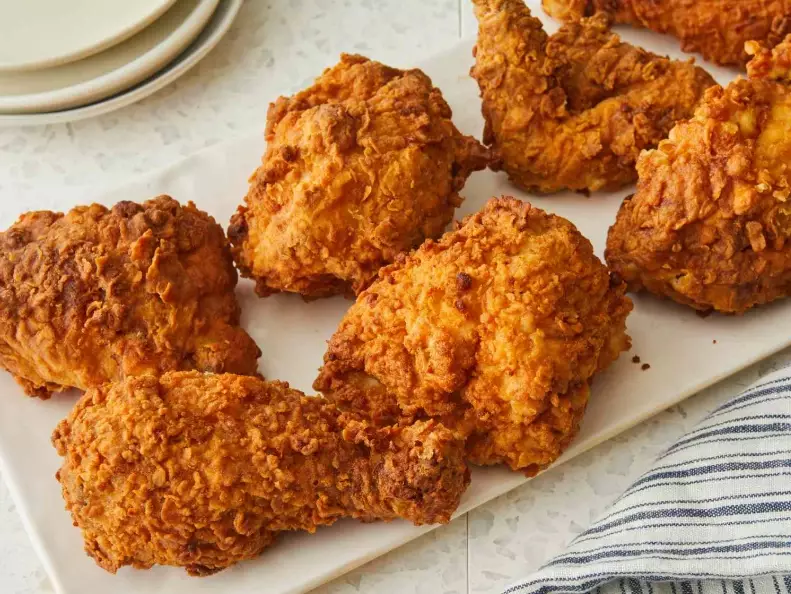
Common Mistakes That Ruin Your Oil Temperature
Let's talk about the subtle errors that don't get enough attention.
Mistake 1: Not Patting the Chicken Dry. This is non-negotiable. Surface water turns to steam instantly, causing violent oil splatter and a massive, unnecessary temperature drop. Take five minutes to thoroughly dry every piece with paper towels. Your oil stability will thank you.
Mistake 2: Using a Wet Batter Straight from the Fridge. If you're using a wet batter (like for Korean fried chicken), make sure it's not ice-cold. A cold batter can shock the oil. Let it sit out for 15-20 minutes to take the chill off.
Mistake 3: Frying Straight from the Fridge. Similarly, let your seasoned, floured chicken sit at room temperature for 20-30 minutes before frying. This reduces the thermal shock when it hits the oil.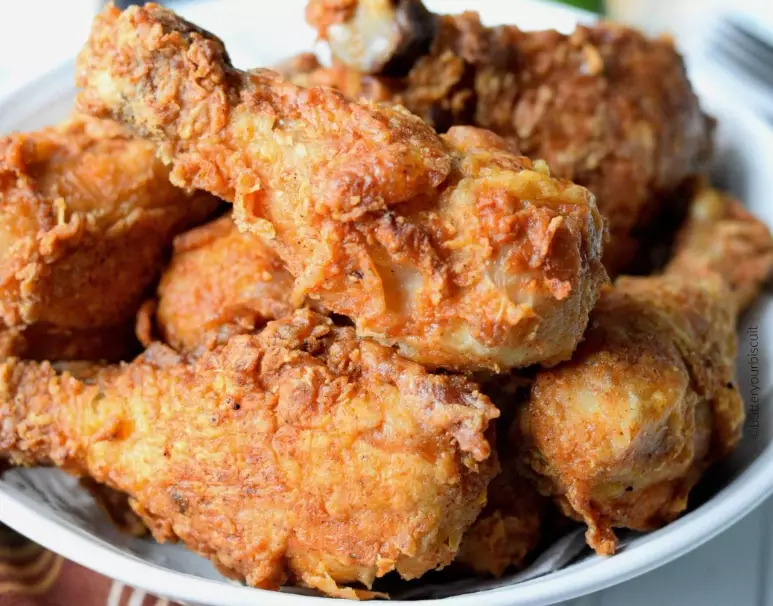
Mistake 4: Not Letting the Oil Reheat Between Batches. Impatience is the enemy of crispiness. If you add the next batch while the oil is at 320°F, you're now frying at too low a temperature. Wait for the signal—the oil should be back at your starting temp (365°F+), actively shimmering, not just vaguely hot.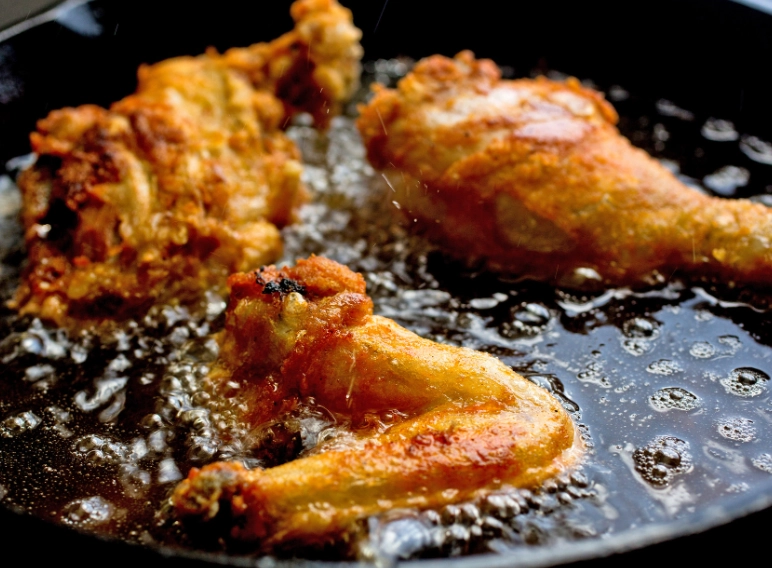
Your Fried Chicken Temperature Questions, Answered
Why does my chicken burn on the outside but stay raw inside?
Your oil is almost certainly too hot. You're creating that crust-lock I mentioned earlier. The exterior sets and burns before heat can travel inward. Dial the initial temperature down to 340-350°F and verify with a thermometer. Also, ensure your chicken pieces are relatively uniform in size so they cook evenly.
Can I reuse oil after deep frying chicken?
Yes, you can, usually 2-3 times. Let it cool completely, then strain it through a fine-mesh sieve lined with cheesecloth or a coffee filter to remove any burnt bits. Store it in a dark, cool place in a sealed container. The oil will degrade with each use, developing off-flavors and a lower smoke point. If it smells acrid, looks dark and viscous, or smokes at a normal temperature, it's time to discard it.
How does an air fryer temperature compare to deep frying for chicken?
It's a completely different mechanism. An air fryer is a powerful convection oven. You can't directly translate the 350°F deep-fry temp. For air fryer "fried" chicken, you typically need a higher temperature (around 380°F-400°F) and a generous coating of oil spray on the breading to help it crisp up, since it's not submerged. The result is different—lighter, less rich, and often less evenly crisp than true deep-frying. It's a great healthier alternative, but it's not the same.
What's the best oil for deep frying chicken?
You want an oil with a high smoke point and a neutral flavor. My top choices are peanut oil (great flavor, high smoke point of ~450°F), canola oil (very neutral, affordable), and vegetable oil blends. Avoid olive oil (low smoke point, strong flavor) and butter (it will burn instantly).
My chicken is always soggy after a few minutes out of the fryer. What am I doing wrong?
This is a two-part issue. First, you might be under-frying slightly. Make sure it's cooked long enough for the crust to fully set and become sturdy. Second, and this is crucial, you must drain it properly. Don't just pile it on a plate. Use a wire rack set over a baking sheet. This allows air to circulate all around, preventing steam from getting trapped underneath and turning the bottom crust soggy. Paper towels on a plate are okay, but a rack is superior.
Mastering the temperature is what elevates fried chicken from a greasy gamble to a reliable triumph. It gives you control. Start with a trusty thermometer, respect the 350°F rule, manage your batches, and pay attention to the details like drying your chicken. The result isn't just food; it's a perfectly executed piece of cooking, with a crust that crackles and meat that bursts with juice. Now go heat that oil.
Related Articles