The Ultimate Guide to Thawing Frozen Chicken Safely & Quickly
What You'll Learn
- Why Getting Thawing Right Is a Big Deal (It's Not Just Hype)
- The Three Champion Methods for Thawing Frozen Chicken
- Thawing Frozen Chicken: Method Comparison at a Glance
- Myths, Mistakes, and What NOT to Do
- Your Top Thawing Frozen Chicken Questions, Answered
- Advanced Tips & The Texture Factor
- Putting It All Together: A Simple Thawing Roadmap
Let's be honest. We've all been there. It's 5 PM, you're staring at a rock-solid block of frozen chicken in the freezer, dinner plans are crumbling, and the temptation to run it under hot water or—gasp—leave it on the counter is real. I've definitely done it in a pinch years ago, and let's just say I got lucky nothing bad happened. But knowing what I know now about food safety, it makes me cringe.
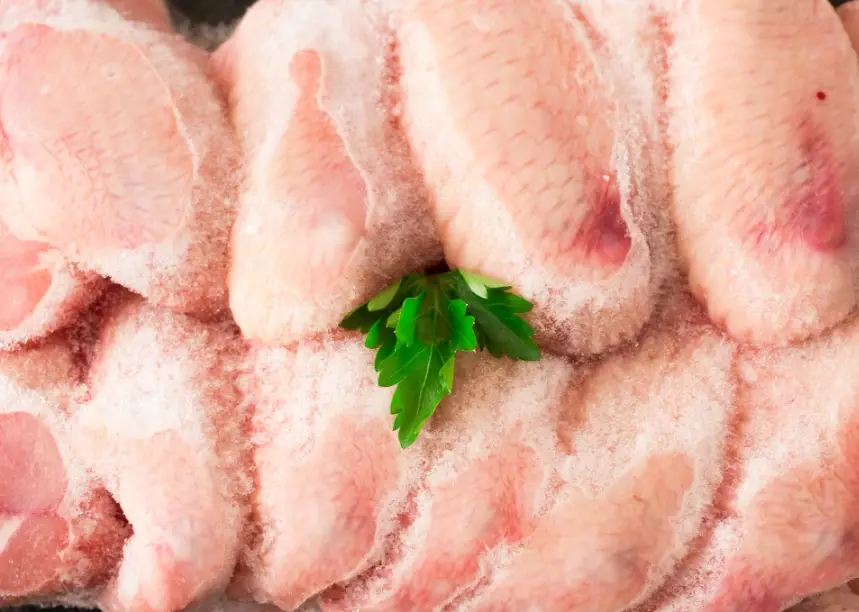
Thawing frozen chicken isn't just about convenience; it's the first critical step in preventing foodborne illness and ensuring your meal turns out juicy and flavorful, not dry and dangerous. The process of thawing frozen chicken correctly is a non-negotiable kitchen skill. Yet, so many myths and bad habits persist.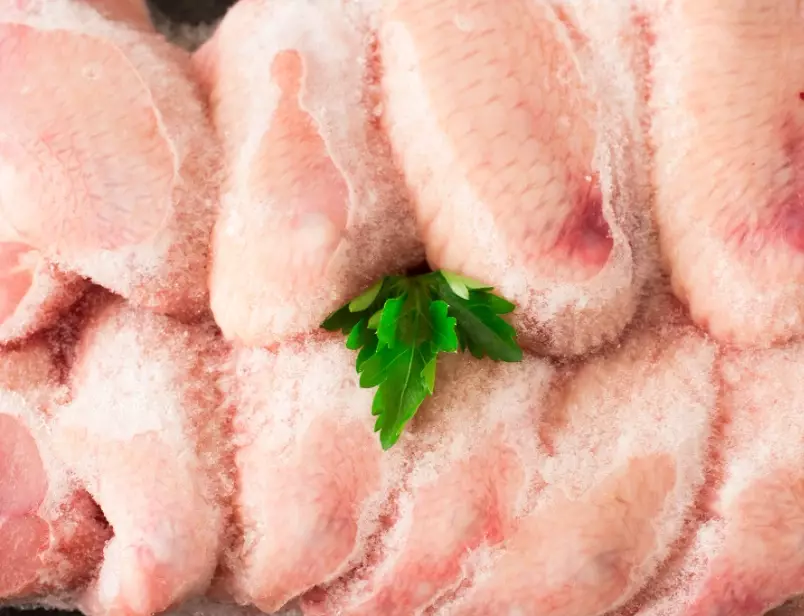
This guide is here to cut through the noise. We'll walk through every single method, explain the why behind the rules, and tackle those questions you're too embarrassed to ask. Forget dry, scientific manuals. Think of this as a chat with a friend who's obsessed with getting this right.
Why Getting Thawing Right Is a Big Deal (It's Not Just Hype)
Okay, first things first. Why can't you just chuck that frozen chicken breast straight into a pan or the oven? Well, you technically can, but you'll end up with a charred outside and a frozen, raw inside. Not ideal. But the bigger reason is safety.
Raw chicken can harbor bacteria like Salmonella and Campylobacter. Freezing puts these bugs to sleep, but it doesn't kill them. When you start thawing frozen chicken, you're waking them up. The goal is to keep the chicken out of the "Danger Zone"—the temperature range between 40°F (4°C) and 140°F (60°C) where bacteria multiply like crazy.
Leaving chicken to thaw on the kitchen counter is the single biggest mistake people make. At room temperature, the outer layers of the chicken enter the Danger Zone long before the inside is thawed. Bacteria have a field day, potentially reaching levels that can make you seriously sick, even after cooking. The USDA is crystal clear on this: never thaw food at room temperature.
So, proper thawing is about control. Controlling temperature to keep bacteria growth in check, and controlling the process to get you to dinner time without a hitch.
The Three Champion Methods for Thawing Frozen Chicken
According to food safety experts, there are only three methods that are considered safe for thawing frozen chicken. Let's break them down from the gold standard to the quick fix.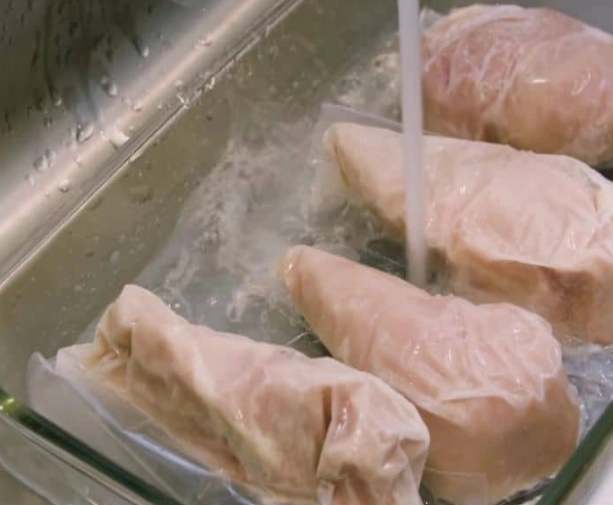
Method 1: Thawing in the Refrigerator (The Gold Standard)
This is the method recommended by every food safety authority, from the U.S. Food and Drug Administration (FDA) to the CDC. It's the safest, hands-down. Why? Because it keeps the chicken at a safe, constant temperature (below 40°F) throughout the entire process.
How to do it right:
- Plan Ahead: This is not a last-minute method. Place the sealed package of frozen chicken on a plate or in a shallow dish (to catch any drips) on the bottom shelf of your fridge. This prevents cross-contamination.
- Timing is Everything: As a general rule, allow about 24 hours for every 5 pounds of chicken. A single breast might take 8-12 hours, a whole bird can take 2-3 days. Yes, days. This is where planning comes in.
- Post-Thaw Window: Once fully thawed in the fridge, chicken is good for 1-2 additional days before cooking. You've bought yourself some flexibility.
I know, I know. "Who plans their chicken thawing three days in advance?" It sounds excessive. But honestly, once you get in the habit of moving tomorrow's dinner from the freezer to the fridge before you go to bed, it becomes second nature. The payoff is consistently better texture and zero stress about safety.
The Pros: Safest method. Best for texture and moisture retention. Gives you a multi-day cooking window.
The Cons: Requires forethought. It's slow.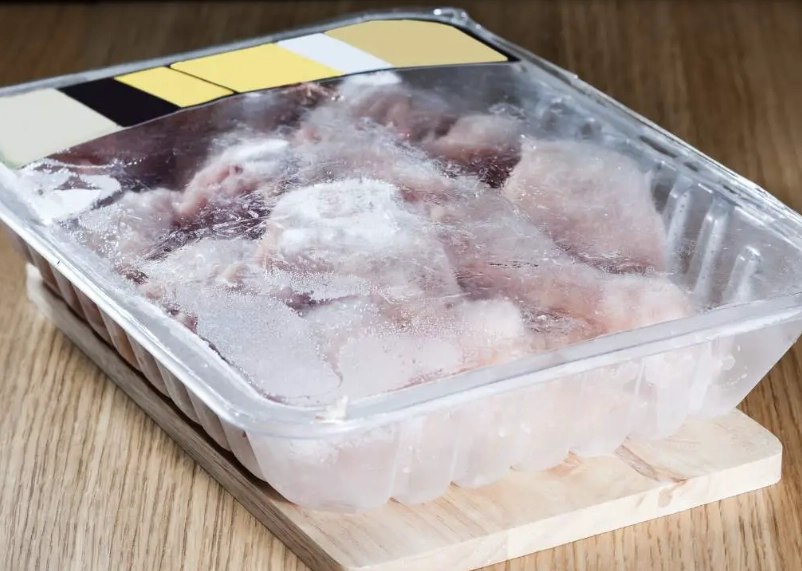
Method 2: Thawing in Cold Water (The Speedy, Safe Alternative)
Need to thaw frozen chicken faster, but don't want to gamble with safety? Cold water thawing is your best friend. It's significantly faster than the fridge and, if done correctly, keeps the chicken out of the Danger Zone.
The critical step everyone misses: The water must be cold, and you must change it every 30 minutes. Warm water is a safety hazard, and stagnant water will warm up.
Step-by-Step:
- Ensure your chicken is in a leak-proof plastic bag or its original vacuum-sealed packaging. Submerging the package directly is a no-go—it can allow waterborne bacteria in and waterlogs the chicken.
- Submerge the bagged chicken in a large bowl, pot, or clean sink filled with cold tap water.
- Set a timer for 30 minutes. When it goes off, drain the water and refill with fresh cold water.
- Repeat until thawed. Estimate about 30 minutes per pound. A one-pound pack of breasts will take about 30-60 minutes.
- Cook immediately after thawing. Do not refreeze or put it back in the fridge for later. Bacteria may have started to wake up on the surface.
This method is fantastic for that "oh no" moment when you forgot to plan. It's my go-to for thawing frozen chicken breasts for a weeknight stir-fry.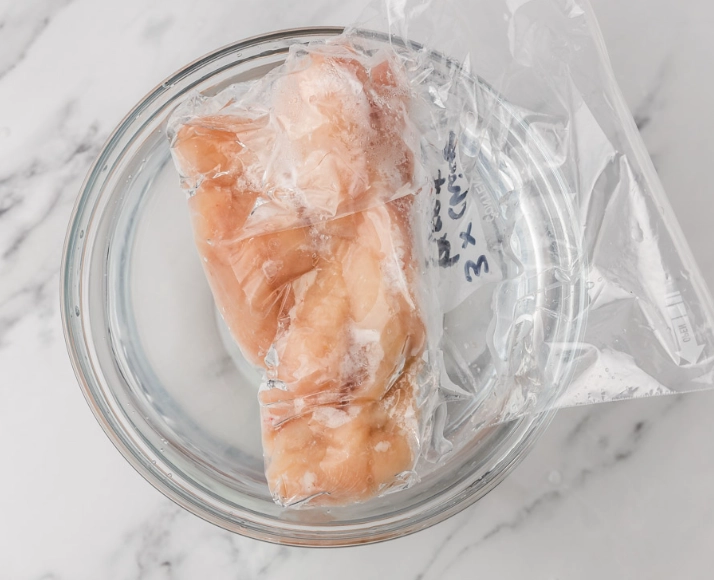
Method 3: Thawing in the Microwave (The Last-Resort Hail Mary)
Let's talk about the microwave. It's the fastest way to thaw frozen chicken, full stop. But it's also the trickiest and the one most likely to give you partially cooked, rubbery edges while the center is still an ice cube.
Most modern microwaves have a "defrost" or "thaw" setting based on weight. Use it. The power is lowered to try and heat evenly.
Key rules for microwave thawing:
- Remove any packaging not marked as microwave-safe. Place the chicken on a microwave-safe plate.
- Use the defrost function and enter the weight accurately.
- Pause halfway through the cycle. Separate pieces if possible, flip them over, and break apart any sections that have started to thaw.
- Cook immediately after thawing. This is non-negotiable. The microwave process can bring parts of the chicken into the Danger Zone very quickly. Transfer it straight to your preheated pan or oven.
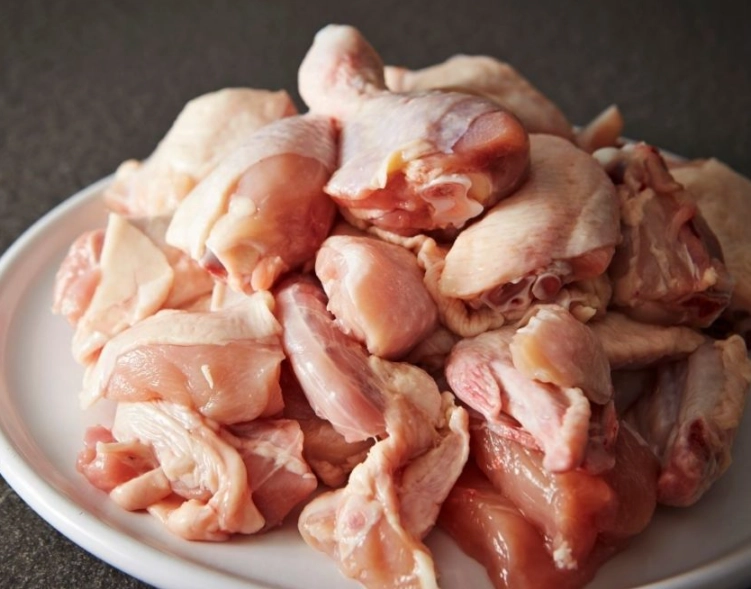
Pro-tip: If you're going to cook the chicken in a sauce or stew, it's sometimes better to start cooking it from partially frozen on a low stove setting, breaking it apart as it thaws in the pan, rather than wrestling with a microwave. The texture often survives better.
Thawing Frozen Chicken: Method Comparison at a Glance
| Method | Time Required (for 1 lb) | Safety Level | Texture Result | Best For | Critical Rule |
|---|---|---|---|---|---|
| Refrigerator | 8-12 hours (overnight) | Excellent (Gold Standard) | Best (Juicy, even) | Meal planning, whole birds, bulk packs | Plan ahead. Place on a plate. |
| Cold Water | 30-60 minutes | Very Good (If done correctly) | Very Good | Last-minute dinners, smaller cuts | Use cold water, change every 30 min, cook immediately. |
| Microwave | 5-10 minutes | Good (Requires caution) | Risky (Can be partially cooked) | True emergencies, small pieces for immediate cooking | Use defrost setting, cook immediately after. |
See? A quick look tells you what you're in for. The fridge is for planners, cold water is for savvy weeknight cooks, and the microwave is your emergency button.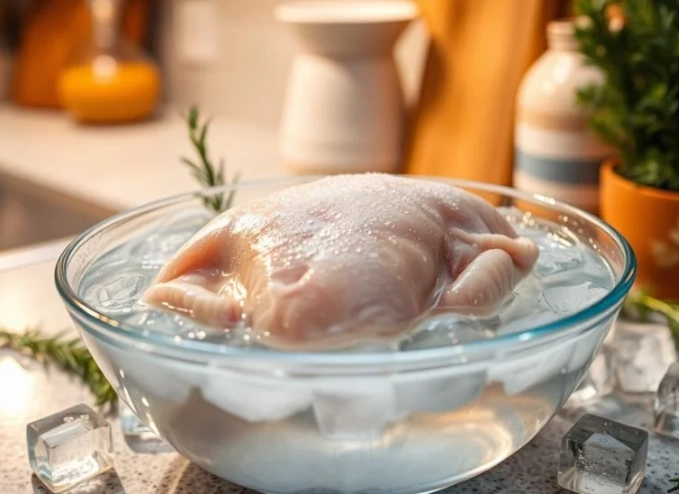
Myths, Mistakes, and What NOT to Do
This is where we separate kitchen lore from science. Let's bust some myths wide open.
Myth 1: "It's fine to thaw on the counter for a few hours."
No. Just no. This is public enemy number one. Even in a cool kitchen, the outer layer of the chicken spends hours in the perfect breeding ground for bacteria. The risk is simply not worth the minor convenience. The process of thawing frozen chicken requires temperature control, which the counter utterly fails to provide.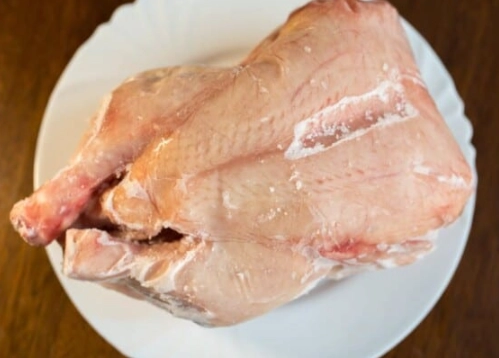
Myth 2: "Hot water thaws it faster and the heat kills germs."
Dangerous logic. Hot water will start to cook the outside of the chicken while the inside remains frozen, creating an uneven mess and pushing the outer layers deep into the Danger Zone. It's a surefire way to ruin texture and compromise safety.
Myth 3: "You can't refreeze chicken once it's thawed."
This one has a kernel of truth but needs clarification. According to the USDA, you can refreeze chicken that was thawed in the refrigerator without ever entering the Danger Zone. However, there will be some loss of quality (more moisture loss, potentially drier texture). If you thawed it via cold water or microwave, you should cook it first, then you can freeze the cooked chicken. Never refreeze raw chicken that's been thawed using a non-refrigerator method.
Myth 4: "A whole frozen chicken is too big to thaw in the fridge."
Not true. It just takes time—often 2-3 days for a large bird. The fridge method scales perfectly. Just make sure there's enough space for air to circulate around it.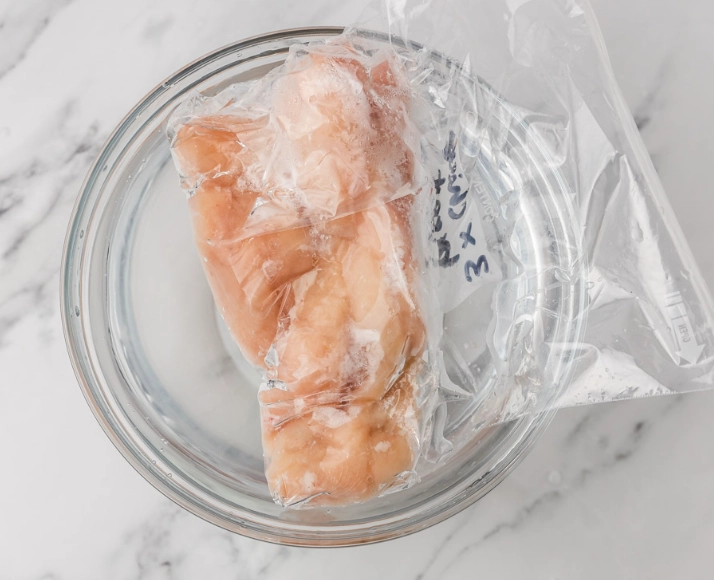
Your Top Thawing Frozen Chicken Questions, Answered
I get questions about this all the time. Here are the real ones from real kitchens.
- Roast/Bake: Add at least 50% more cooking time. Use a meat thermometer to ensure the thickest part reaches 165°F (74°C).
- Simmer/Stew: This works great. Add the frozen chicken directly to your soup or sauce and simmer until cooked through.
- Use an Instant Pot/Pressure Cooker: These are designed for cooking from frozen. Follow trusted recipes for timing.
The downside? The exterior can dry out or overcook before the interior is done, and browning is nearly impossible. Thawing first almost always gives a superior result, but cooking from frozen is a viable safety fallback.
Advanced Tips & The Texture Factor
Once you've mastered safe thawing, you can level up to perfect texture. Thawing method directly impacts juiciness.
Brining for the Win: If you have the time, consider brining your chicken after thawing, especially lean cuts like breasts. A simple brine (1/4 cup salt + 4 cups water for a few hours) helps the meat retain incredible moisture during cooking. It's a game-changer for preventing dry chicken.
The Drip Loss Problem: When ice crystals form during freezing, they puncture cell walls. When thawing, this moisture (called drip loss) leaks out. Faster thawing (like cold water) can lead to slightly more drip loss than slow fridge thawing, which gives cells more time to reabsorb some moisture. This is why fridge-thawed chicken often seems juicier.
Honestly, the difference between a perfectly thawed chicken breast and one that's been zapped in the microwave or left on the counter is night and day. One cooks up plump and tender, the other can be stringy and dry, even if you hit the right internal temperature.
Putting It All Together: A Simple Thawing Roadmap
Let's make this actionable. Here's your decision tree for the next time you face that frozen pack:
- When did you remember you needed chicken?
- Last night or this morning: Use the Refrigerator Method. You're a planner. Enjoy your superior chicken.
- A few hours before dinner: Use the Cold Water Method. You're a pragmatic cook. Set that timer.
- 30 minutes before dinner: Use the Microwave Method with extreme caution, or pivot to a recipe that allows cooking from frozen (soup, stew, pressure cooker).
- Prepare your workspace. Have a plate for the fridge, a bowl for water, or a microwave-safe dish ready.
- Follow the core rule for your chosen method. Don't skip steps (changing water, using defrost setting).
- Handle post-thaw chicken with care. Pat it dry with paper towels before cooking for better browning. Clean all surfaces, utensils, and your hands with hot, soapy water.
- Cook to the safe internal temperature of 165°F (74°C), measured with a reliable meat thermometer in the thickest part. This is the final, non-negotiable safety step.
The process of thawing frozen chicken is a bridge between the freezer and a fantastic meal. Building that bridge with safe materials (cold temps, time management) ensures you and everyone you're cooking for cross it without a hitch.
It might seem like a fussy detail, but in the world of home cooking, mastering these fundamentals is what separates stressful meals from enjoyable ones. It turns a potential source of anxiety ("Is this chicken safe?") into a simple, routine step you don't even have to think about. And that's a win for any cook.
Related Articles