How to Cook a Whole Chicken in the Oven: A Foolproof Guide
I used to think roasting a whole chicken was some fancy chef skill. My first attempt? A dry, tasteless bird that made me swear off poultry for weeks. But after years of trial and error—and learning from butchers and home cooks—I cracked the code. Cooking a whole chicken in the oven doesn't have to be intimidating. It's actually one of the simplest, most rewarding meals you can make. Let's dive in.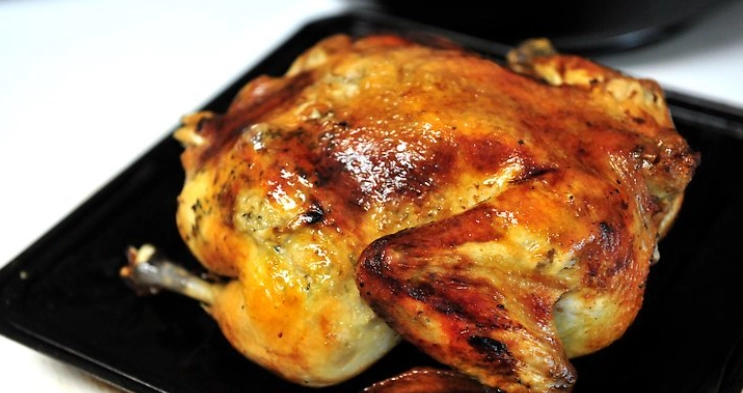
What You'll Learn in This Guide
How to Choose the Right Chicken for Roasting
Not all chickens are created equal. Grab the wrong one, and your roast might turn out tough or bland. Here's what I look for.
Size matters. A 4 to 5-pound bird is ideal for most ovens and feeds about four people. Anything bigger can cook unevenly. I avoid anything over 6 pounds unless I'm feeding a crowd.
Type is key. I prefer air-chilled chickens. They're dried with air instead of water, which means crispier skin and more concentrated flavor. Brands like Bell & Evans or Mary's Chicken are good options, but your local butcher often has the best stuff. Organic or free-range birds tend to have better texture, but they're pricier. If you're on a budget, a standard roaster works fine—just don't skip the seasoning.
One thing most recipes don't tell you: check the packaging date. Freshness impacts juiciness. I aim for chickens packed within the last couple of days. Frozen can work, but thaw it completely in the fridge for 24 hours. Rushing thawing leads to dry spots.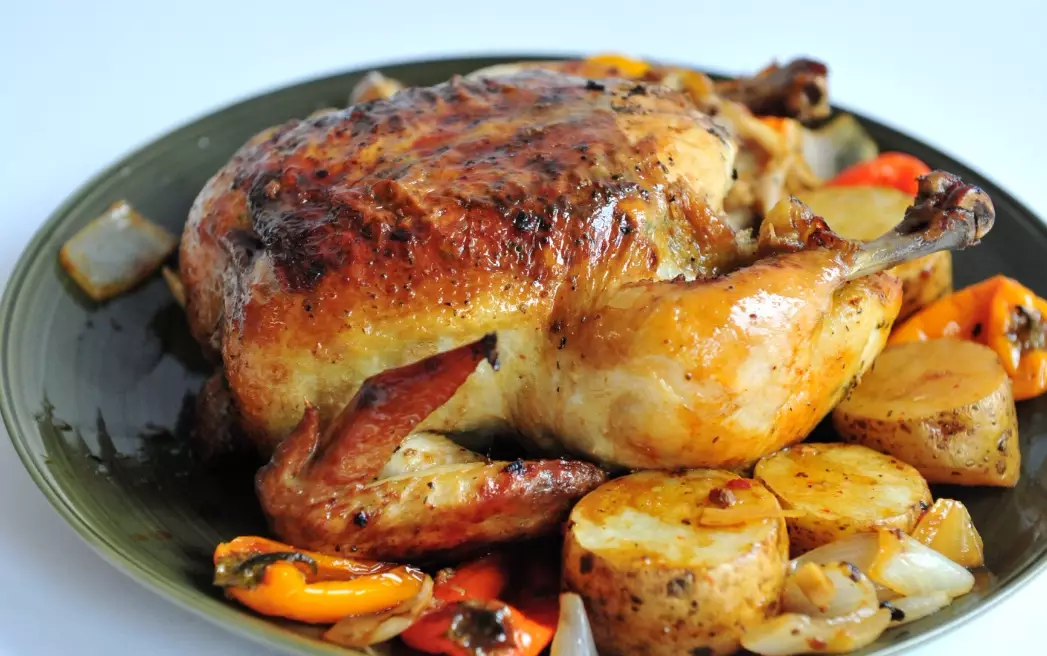
Essential Preparation Steps Before the Oven
This is where most people mess up. Rushing preparation guarantees a mediocre roast. Take your time here.
To Rinse or Not to Rinse?
The USDA advises against rinsing raw poultry because it can spread bacteria. I skip it. Pat the chicken dry with paper towels instead. Moisture is the enemy of crispy skin. Get it as dry as possible, inside and out.
Seasoning Like a Pro
Salt is non-negotiable. I use about 1 teaspoon of kosher salt per pound of chicken. Apply it evenly, including under the skin and inside the cavity. For flavor, rub with olive oil, then add herbs like rosemary, thyme, and garlic. Don't just sprinkle on top—get under the skin. It makes a huge difference.
Brining vs. dry brining. Wet brining (soaking in saltwater) adds moisture but can dilute flavor. I lean toward dry brining: salt the chicken and let it sit uncovered in the fridge for 4-24 hours. It draws out moisture, then reabsorbs it, seasoning deeply and drying the skin for crispiness. Most home cooks overlook this, but it's a game-changer.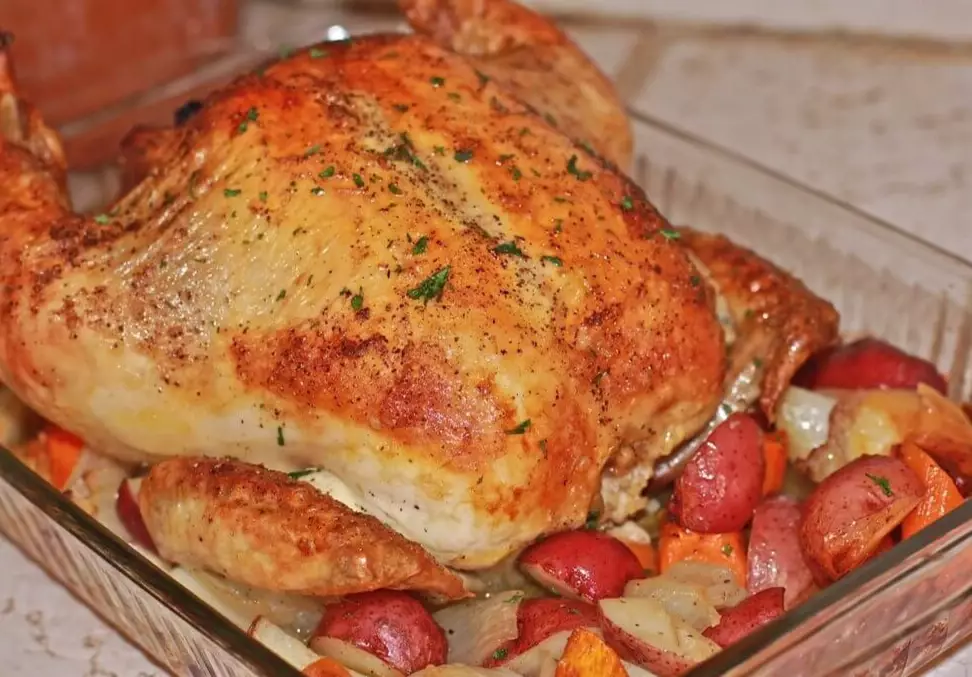
Trussing the Chicken
Trussing—tying the legs together—helps cook evenly. But here's a non-consensus view: I often skip it. Leaving the legs loose allows heat to circulate better, especially in a convection oven. If you truss, use kitchen twine loosely. Too tight, and the thighs take forever to cook.
The Roasting Process: Temperature, Time, and Tools
Now for the main event. Cooking a whole chicken in the oven is mostly hands-off, but a few details matter.
Preheat your oven to 425°F (220°C). Yes, that's high. A hot start crisps the skin. Place the chicken breast-side up on a rack in a roasting pan. The rack elevates the bird, letting heat circulate. No rack? Use chopped vegetables like onions and carrots as a bed.
Roast for 15 minutes at 425°F, then reduce the heat to 375°F (190°C). This initial blast seals in juices. Total cooking time depends on weight. Here's a table I rely on:
| Chicken Weight | Approximate Total Time | Internal Temp (Breast) |
|---|---|---|
| 3-4 lbs | 60-75 minutes | 165°F (74°C) |
| 4-5 lbs | 75-90 minutes | 165°F (74°C) |
| 5-6 lbs | 90-105 minutes | 165°F (74°C) |
But forget timing alone. Use a meat thermometer. Insert it into the thickest part of the breast, avoiding bone. The USDA recommends 165°F for safety. Pull the chicken out at 160°F—it'll carryover cook to 165°F while resting. Overcooking is the top reason for dry meat.
Basting? I rarely do it. Opening the oven lowers temperature and slows cooking. If you baste, do it quickly in the last 20 minutes. Better yet, trust the fat rendering from the skin to keep things moist.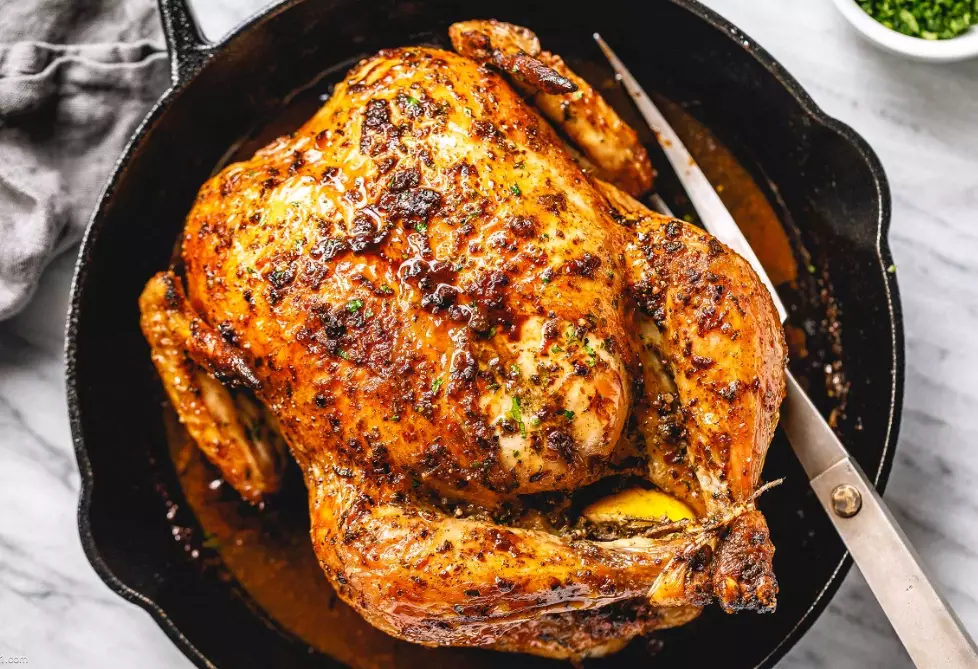
Expert Tip: For extra-crispy skin, during the last 10 minutes, brush the chicken with melted butter or oil and crank the heat back to 425°F. Watch closely to avoid burning.
Pro Tips for Consistently Juicy Results
These are the little things that separate good roast chicken from great.
Let it rest. After roasting, tent the chicken loosely with foil and let it sit for 15-20 minutes. This allows juices to redistribute. Cutting too soon releases all that moisture, leaving you with dry meat. I know it's tempting, but wait.
Roast vegetables underneath. While the chicken rests, toss potatoes or carrots in the pan drippings and roast them at 400°F for 20 minutes. Zero waste, amazing flavor.
My controversial take: try spatchcocking. That means removing the backbone and flattening the chicken. It cooks faster and more evenly, especially for larger birds. I do this for weeknight dinners—cuts cooking time by a third. But for a classic presentation, whole roasting is fine.
Oven calibration matters. If your oven runs hot or cold, adjust accordingly. An oven thermometer costs $10 and saves countless meals. I learned this after burning a chicken because my oven was 25 degrees off.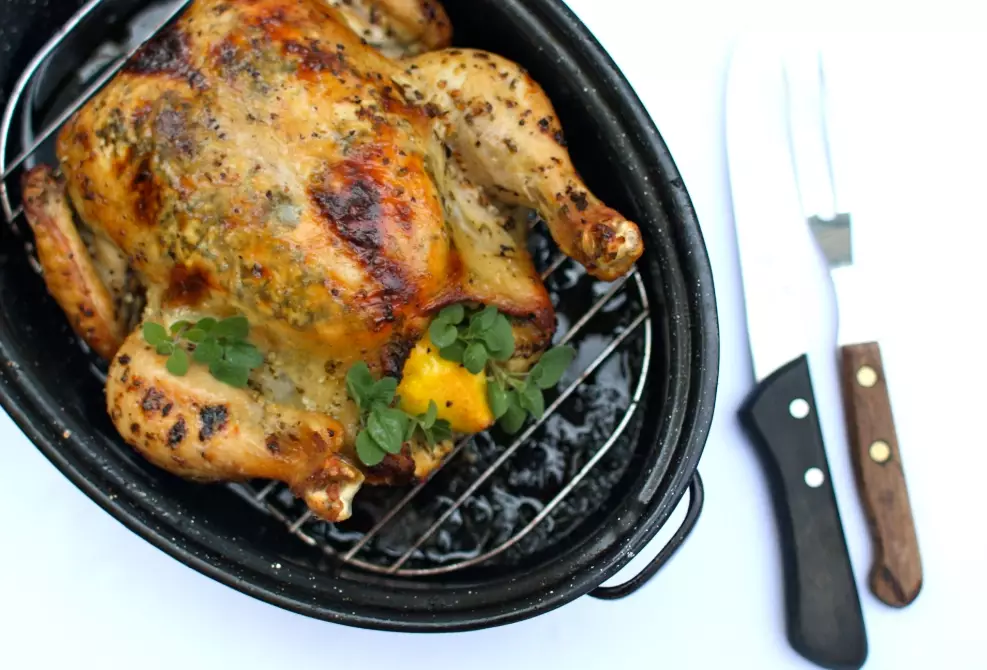
How to Carve and Serve Your Roast Chicken
Carving seems daunting, but it's straightforward. Use a sharp knife and a sturdy cutting board.
First, remove the legs. Cut through the skin between the leg and body, then pop the joint and slice off. Separate thighs from drumsticks if desired. Next, slice off the wings. For the breast, make a horizontal cut along the breastbone, then slice downward to remove each half. Cut into slices.
Serve with sides like mashed potatoes, roasted veggies, or a simple salad. The carcass? Don't toss it. Simmer with water, onions, and herbs for homemade stock. It's liquid gold for soups.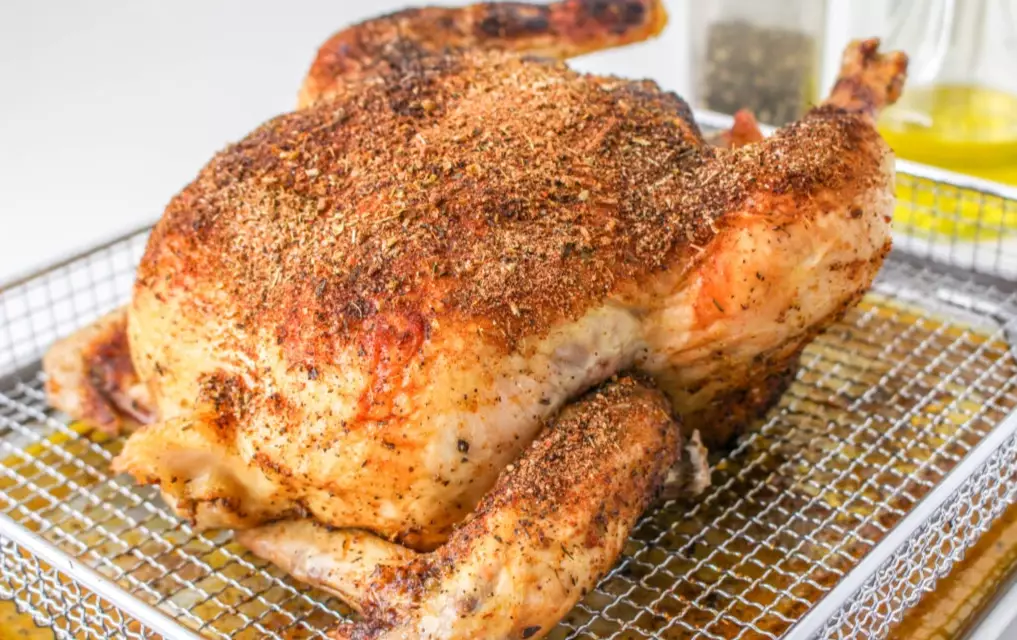
Frequently Asked Questions About Roasting a Whole Chicken
 Roasting a whole chicken might seem basic, but mastering it opens up a world of easy, impressive meals. Start with a good bird, season well, trust your thermometer, and let it rest. You'll nail it every time.
Related Articles