White Meat Chicken Cuts: A Complete Guide to Breast, Tender & Wings
You grab a pack of chicken at the grocery store, aiming for a healthy, lean dinner. The label says "white meat," but what does that actually include? If you think it's just the breast, you're missing out on some of the most versatile and delicious parts of the bird. As someone who's prepped, cooked, and yes, even dried out more chicken than I'd like to admit over the years, I'm here to give you the full picture. White meat refers specifically to the muscles that get little use, resulting in lighter color and leaner protein. Let's cut through the confusion and get into the details of each cut, how to cook them right, and where to find the best value.
Your Quick Guide to Chicken White Meat
What Exactly is White Meat Chicken?
It's all about anatomy and activity. White meat comes from the pectoral muscles—the breast and the attached tenderloins—and, contentiously, the wings. These muscles are used for brief, powerful bursts (like a chicken flapping). They're fueled by glycogen and have fewer blood vessels and less myoglobin (an oxygen-storing protein) than dark meat. That's why they're pale and cook up with that familiar, mild flavor and drier texture if you're not careful.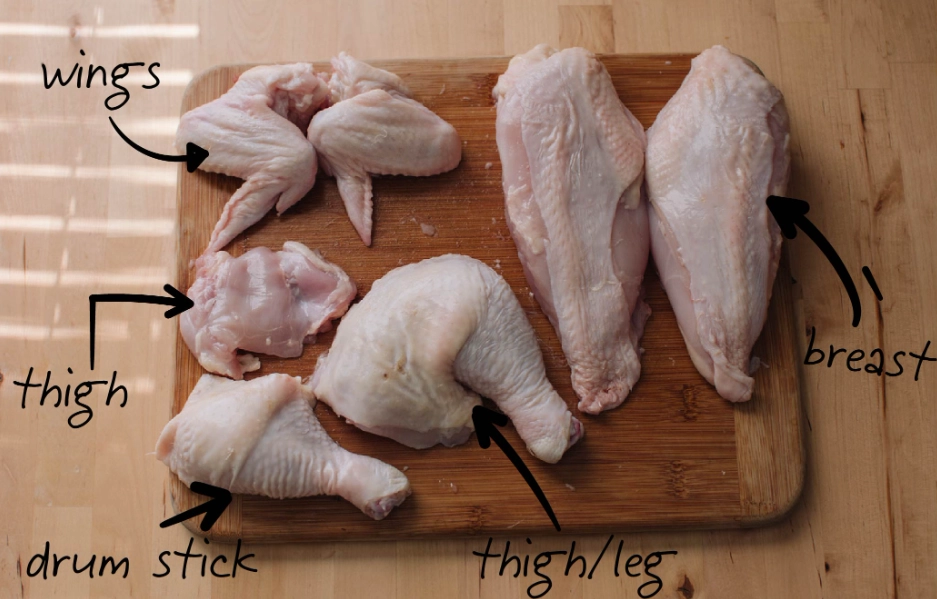
Dark meat, from the legs and thighs, is for sustained activity like walking and standing. More myoglobin, more fat, more flavor, more juiciness. It's a fundamental difference that dictates how you should handle each type.
My take: The biggest mistake beginners make is treating all white meat the same. A thick breast steak and a flimsy tenderloin need wildly different approaches on the grill or in the pan. One size does not fit all.
The Three Primary White Meat Cuts
Let's break down what you're actually looking at in the meat aisle or on a menu.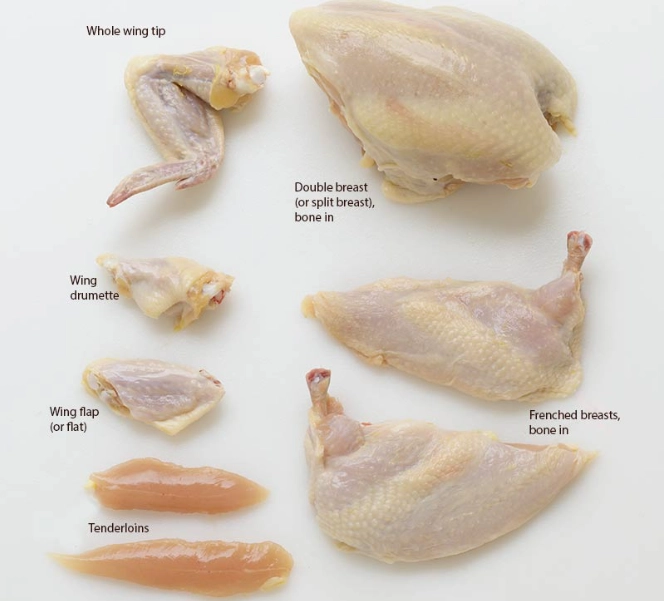
1. Chicken Breast: The Main Event
This is the big one. A whole chicken breast is actually two halves (lobes) connected by a keel bone. You'll find it sold in every form imaginable.
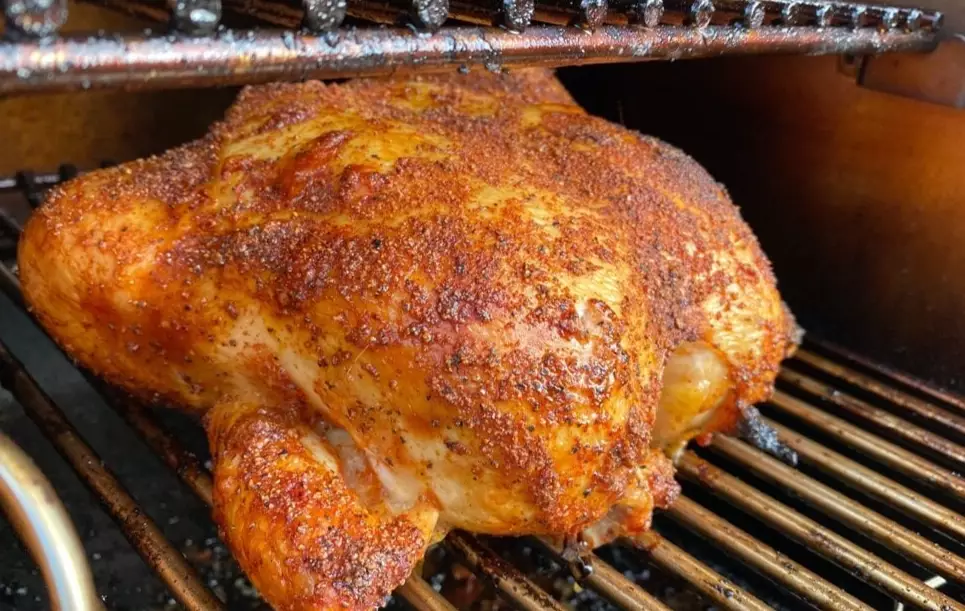
- Bone-in, Skin-on: The gold standard for flavor and moisture. The bone acts as a heat buffer, and the skin renders fat and creates a crispy shield. Perfect for roasting or grilling. Often the cheapest per pound.
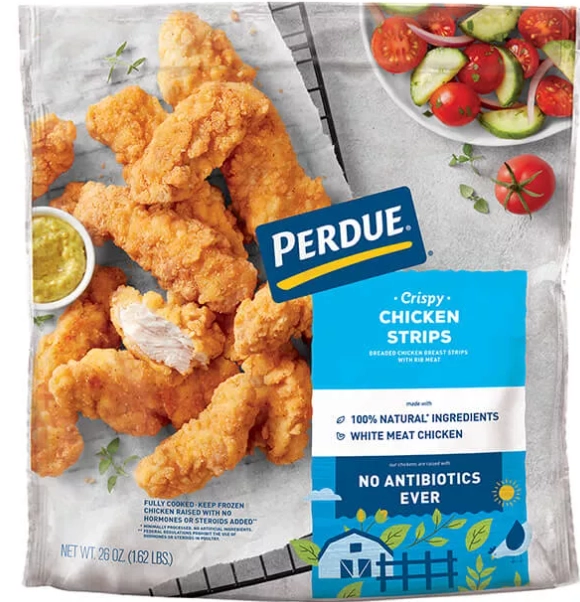
- Boneless, Skinless (B/S): The convenience king. It's lean, cooks fast, and is easy to slice. This is what most "healthy" recipes call for. The trade-off? It's the most prone to drying out. A packet of these from a major brand like Purdue or Tyson will run you $4-$7 per pound.
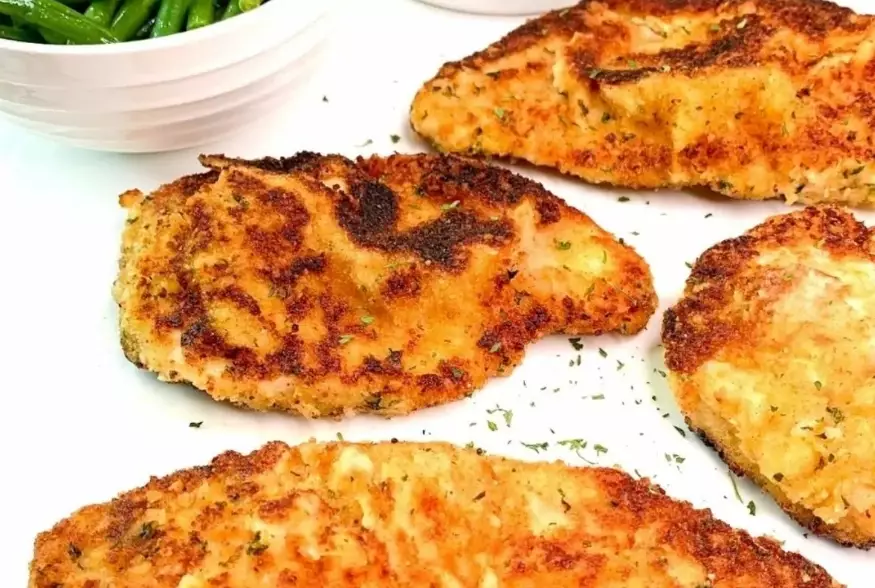
- Cutlets: Boneless breasts that have been pounded thin. They cook in minutes and are ideal for quick sautés, chicken piccata, or sandwiches.
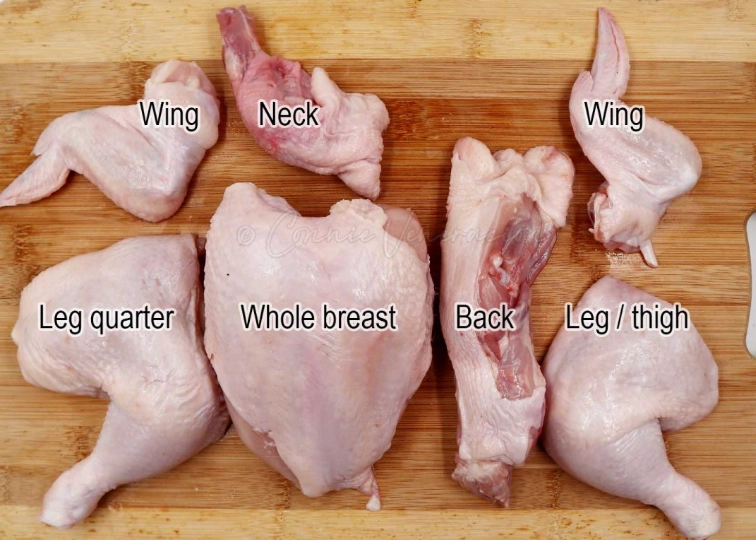
- Breast Tenderloins: Wait, aren't those separate? Often confused, but these are the small, loose strips of meat attached to the underside of each breast lobe. They're sometimes sold separately as "chicken tenders."
2. Chicken Tenderloin: The Underrated Gem
This isn't just a cut-up breast. The tenderloin is a distinct, small muscle (pectoralis minor) that lies underneath the main breast. It's the most tender part of the entire bird because it does the least work.
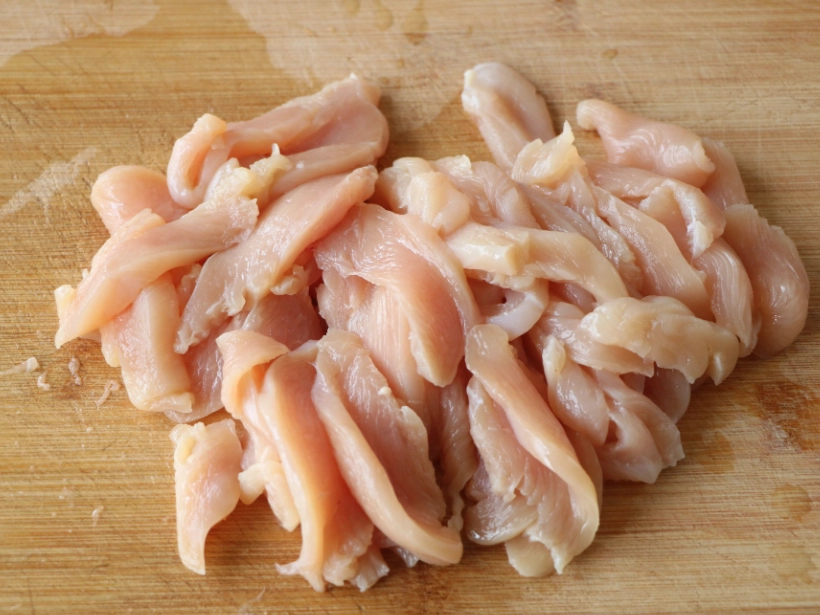
You can buy them attached to the breast, or packaged solo. They're fantastic for stir-fries, skewers, or where you want bite-sized, consistently tender pieces. They cook even faster than breast meat, so watch them like a hawk. Overcook them for 30 seconds, and they turn into little rubber erasers.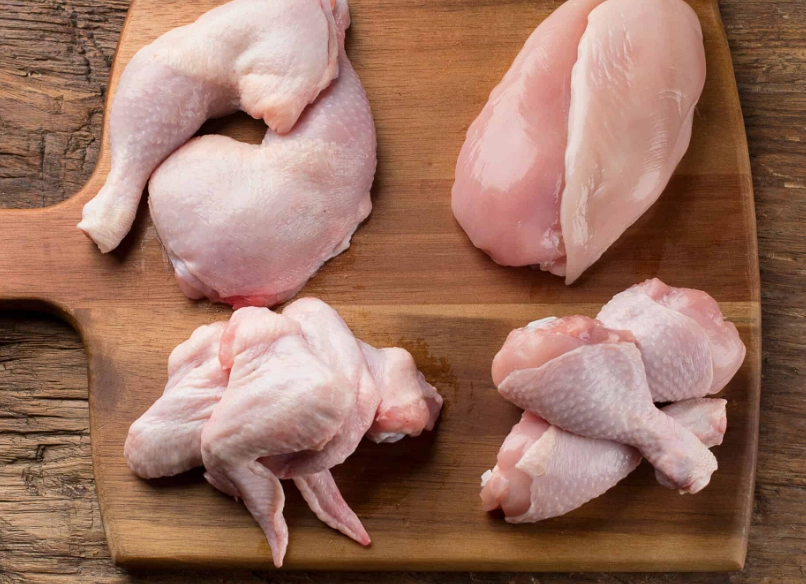
3. Chicken Wings: The Controversial Entry
Here's where things get spicy. Anatomically, the wing is a limb, similar to the leg. However, in culinary and nutritional labeling (especially in the US), the two main edible parts—the drumette and the flat or wingette—are classified as white meat by bodies like the USDA. The third part, the wing tip, is mostly skin and bone.
Why the classification? The wing muscles are used for short bursts of flight, fitting the "white meat" physiological profile more closely than the walking muscles of the leg. The skin-to-meat ratio is high, making them seem fattier, but the underlying muscle itself is lean. Try finding a "boneless skinless chicken wing"—that meat is pale.
Most people don't buy wings for their lean protein content; they buy them for game day. But if you're counting, know that they fall under the white meat umbrella, even if they behave very differently in a buffalo sauce bath.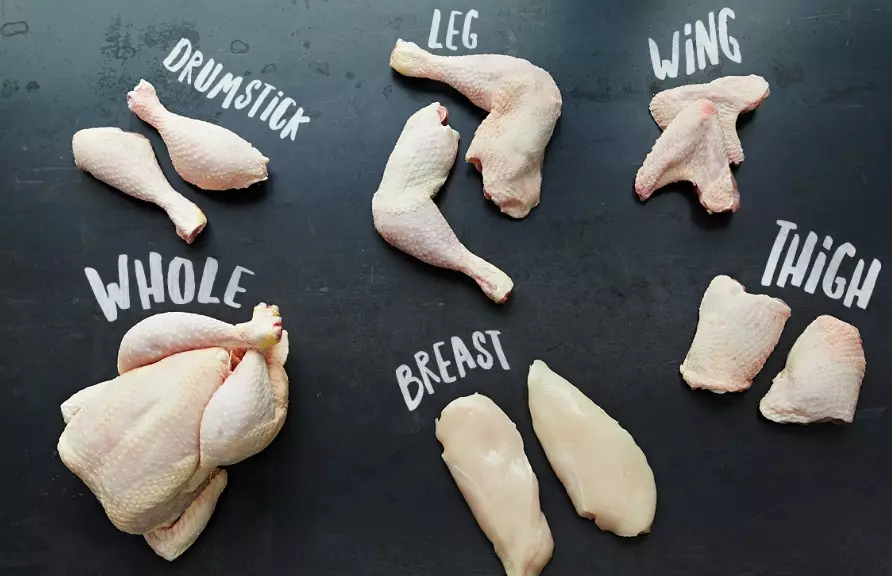
White Meat Nutrition: How Do the Cuts Stack Up?
Let's get specific. Data from the USDA FoodData Central tells the real story. This is for a 100-gram (3.5 oz) cooked portion, which is about the size of a deck of cards.
| Cut (Cooked, No Skin) | Calories | Protein | Total Fat | Saturated Fat | Key Notes |
|---|---|---|---|---|---|
| Boneless, Skinless Breast | 165 | 31g | 3.6g | 1.0g | The lean protein champion. Lowest in fat, highest in protein by weight. |
| Boneless, Skinless Tenderloin | ~160 (est.) | ~30g (est.) | ~3.5g (est.) | ~1.0g (est.) | Nutritionally nearly identical to breast meat. The difference is in texture and cooking time. |
| Chicken Wing (Meat & Skin, Fried) | ~320 | ~20g | ~22g | ~6g | The numbers skyrocket with skin and frying. The meat alone is lean, but it's rarely eaten that way. |
| Boneless, Skinless Thigh (For Comparison) | 209 | 26g | 10.9g | 3.0g | Noticeably more fat and calories, but also more iron and zinc. |
The takeaway? For pure, lean protein, boneless skinless breast and tenderloin are virtually tied. Wings, in their popular form, are a different nutritional beast entirely due to preparation.
How to Cook White Meat Chicken Perfectly Every Time
This is where experience pays off. Dry, stringy chicken is a tragedy you can avoid.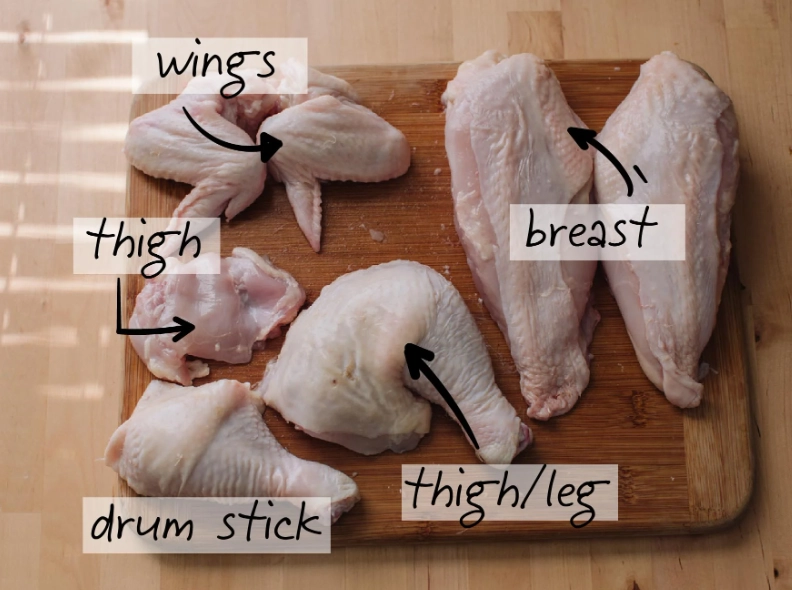
The Non-Negotiables
- Use a Thermometer: Guesswork fails. The USDA safe temperature is 165°F (74°C). For breast meat, I pull it off the heat at 160°F. Carryover cooking will take it the rest of the way, preserving more moisture.
- Brine or Dry-Brine: Soaking in a saltwater solution (or just salting ahead of time) helps the meat retain water during cooking. For a quick brine, dissolve 1/4 cup salt and 2 tbsp sugar in 4 cups water, submerge breasts for 30-60 minutes.
- Let it Rest: After cooking, let the meat rest for 5-10 minutes before cutting. This allows the juices, which have rushed to the center, to redistribute.
Best Methods Ranked for Juiciness
- Sous Vide: The undisputed king for precision. Cook breast at 145-150°F for 1-2 hours. It comes out impossibly juicy, almost like a delicate steak. Requires equipment.
- Pan-Searing + Oven Finish: My go-to for thick breasts. Get a great sear in a hot skillet, then transfer to a 400°F oven to finish. This gives you crust and even cooking.
- Poaching: Underrated. Gently simmer breast in broth or seasoned water until 160°F. The result is incredibly moist, shreddable meat perfect for salads or soups. It looks bland but tastes great.
- Grilling: High and fast. Keep the lid down to create an oven-like environment. Direct heat for marks, then move to indirect to finish without charring.
- Air Frying: Excellent for smaller cuts like tenders or cutlets. The rapid air circulation creates a nice exterior quickly. Spray lightly with oil. Cook at 375°F for 10-12 minutes, flipping halfway.
Baking alone? It's easy to dry out. If you must bake, cover with parchment or foil for the first half of cooking to trap steam.
Smart Buying and Storing Strategies
Where and how you buy makes a difference in quality and cost.
At the Grocery Store: Look for plump, moist-looking meat with no grayish spots or strong odor. The "sell-by" date should be several days away. I often find better prices on family packs of bone-in, skin-on breasts. You can easily debone and skin them at home, freeze the bones for stock, and save money.
Butcher vs. Supermarket: A local butcher might have air-chilled chicken (dried with air instead of water), which often has better texture and more concentrated flavor. It costs more, but for a special meal, it's worth it. Supermarket chicken is typically water-chilled, which can lead to that pale, water-logged look and more splatter in the pan.
Storage: Keep raw chicken in its original packaging on a plate on the bottom shelf of the fridge. Use within 1-2 days of purchase. For freezing, re-package in airtight freezer bags, pressing out all the air. Label with the date. Use within 9-12 months for best quality. Thaw slowly in the fridge, never on the counter.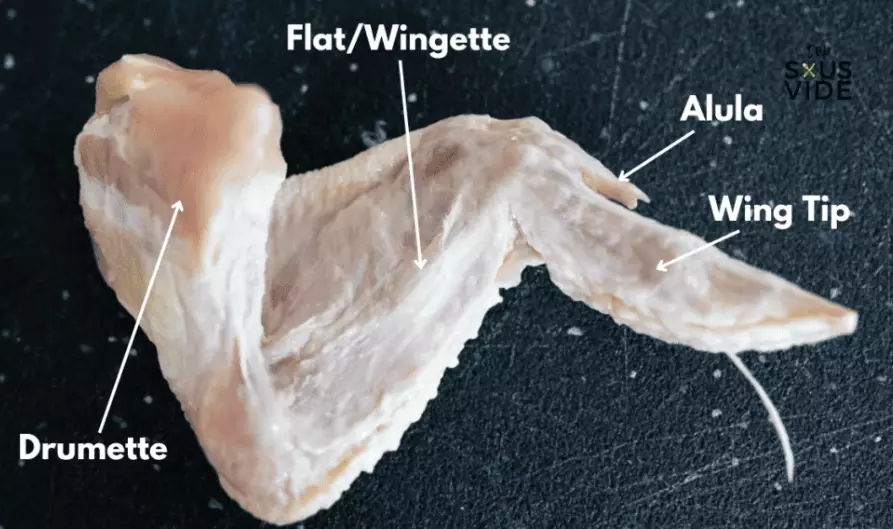
Your White Meat Chicken Questions Answered
Related Articles