Perfect Fried Chicken Oil Temperature & Frying Time Guide
Let's cut to the chase. The single biggest reason homemade fried chicken fails isn't the seasoning or the batter. It's getting the oil temperature and frying time wrong. Too hot, and you get a burnt, bitter crust with raw meat inside. Too cold, and you're left with a greasy, soggy, pale mess that soaks up oil like a sponge. I learned this the hard way after years in a busy kitchen and countless batches at home. This guide isn't about vague advice; it's the precise, actionable system for perfect fried chicken every single time.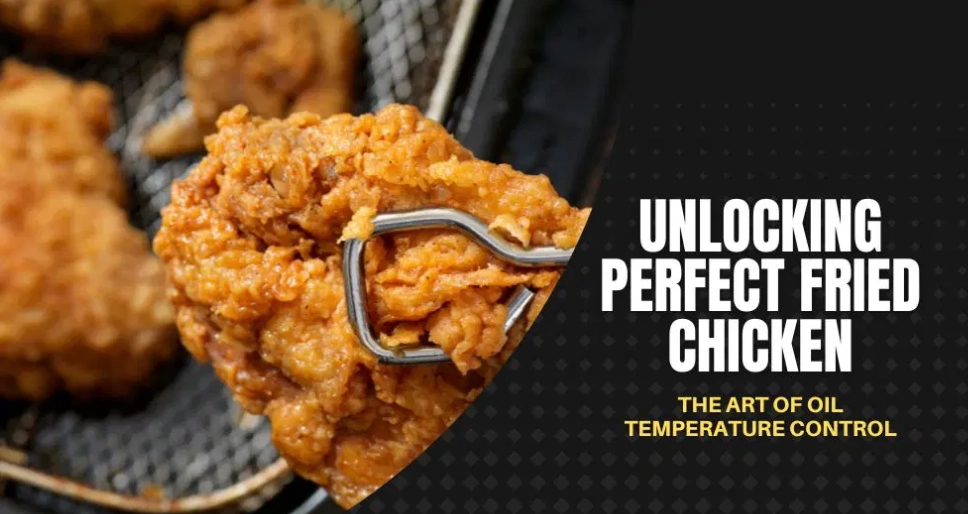
What You'll Learn in This Guide
The One Golden Rule of Frying Temperature
Forget the single number you see everywhere. Here's the professional approach: your frying oil needs to be between 325°F and 375°F (163°C - 190°C). But it's not static.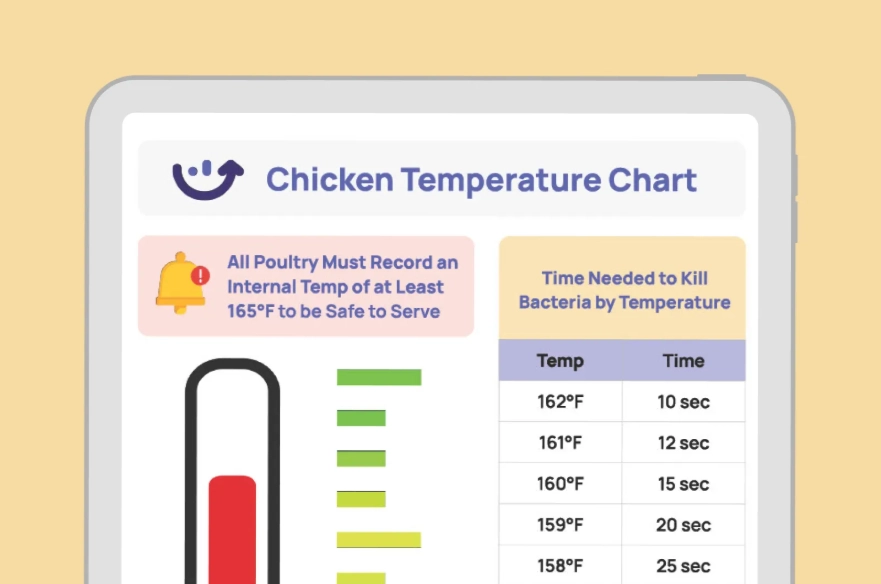
You start on the higher end, around 350°F to 365°F (177°C - 185°C). This initial high heat instantly seals the crust, creating a barrier that keeps moisture in and excess oil out. The moment you add cold chicken, the temperature will plunge—sometimes by 20-25 degrees. That's expected. Your job is to maintain it in that 325-350°F window for the remainder of the cook.
If you just set it to 350°F and walk away, the oil will get too hot as the chicken cooks, leading to a dark, bitter coating. You need to babysit the thermometer and adjust the burner.
The Ultimate Fried Chicken Time & Temp Chart
Time is useless without context. A "10-minute" fry time means nothing if we don't specify the cut, size, and starting temperature. This chart is your cheat sheet. All times assume chicken is dredged and at room temperature (not straight from the fridge), fried in oil maintained at 325-350°F.
| Chicken Cut | Approximate Weight/Size | Frying Time | Target Internal Temp | Key Visual & Texture Cues |
|---|---|---|---|---|
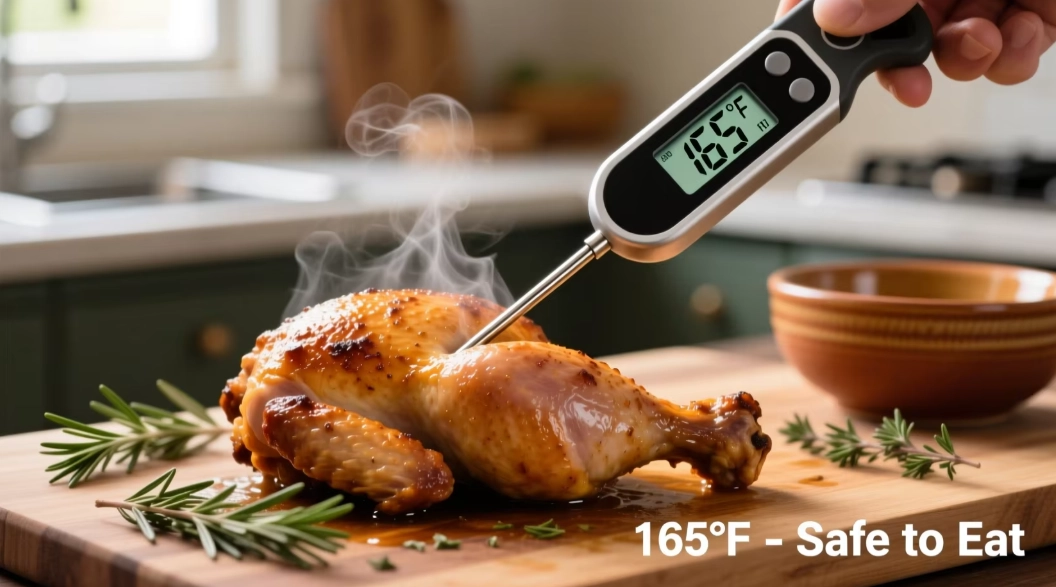
| Wings (Drumettes & Flats) | 2-3 oz each | 10 - 12 minutes | 165°F (74°C) | Deep golden brown, crispy skin that shatters. Float when done. |
| Thighs (Bone-in, Skin-on) | 5-7 oz each | 12 - 15 minutes | 175°F (79°C) | Rich, dark brown crust. Meat should be incredibly juicy, almost falling off the bone. |
| Drumsticks | 4-5 oz each | 12 - 14 minutes | 175°F (79°C) | Even browning all around. Joint end will be dark. Meat pulls cleanly from bone. |
| Breast (Bone-in, Skin-on) | 8-10 oz each | 14 - 18 minutes | 165°F (74°C) | Trickiest. Crust golden, not dark. Use a thermometer to avoid dryness. |
| Boneless, Skinless Thighs/Breasts | 4-6 oz strips/tenders | 5 - 7 minutes | 165°F (74°C) | Cook fast. Golden yellow, not deep brown. Overcooks easily. |
See how bone-in thighs need a higher internal temp? That's because the connective tissue and fat render best at 175°F, making them more tender and juicy. Breast meat at 175°F turns to cardboard. This detail matters.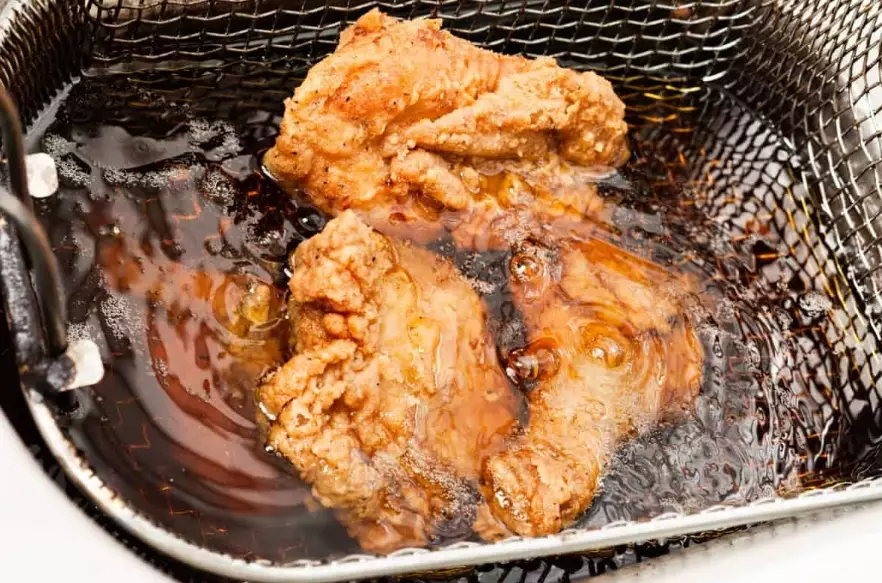
Picking the Right Oil (It's Not Just About Smoke Point)
Everyone talks about smoke point. Yes, you need an oil with a high smoke point (above 400°F), but flavor and cost are just as important.
- Peanut Oil: My top choice. High smoke point (450°F), neutral flavor that lets the chicken seasoning shine, and it creates an exceptionally crisp crust. It's what many Southern restaurants use. The downside? Cost and allergen concerns.
- Vegetable/Canola Oil: The reliable workhorse. Neutral flavor, high smoke point (400-450°F), and affordable. It's a perfect all-rounder. Don't let food snobs tell you otherwise.
- Avocado Oil: Fantastic high smoke point (520°F) and health halo, but it's expensive and, in my opinion, imparts a faint grassy note that doesn't belong on classic fried chicken. Save it for searing steaks.
You can reuse oil 2-3 times if you strain it through a fine-mesh sieve or cheesecloth after it cools completely. Once it becomes dark, foamy, or smells off, it's time to replace it.
How to Check if Your Oil is at the Right Temperature?
If you don't have a thermometer, you're guessing. But here are the old-school methods in a pinch: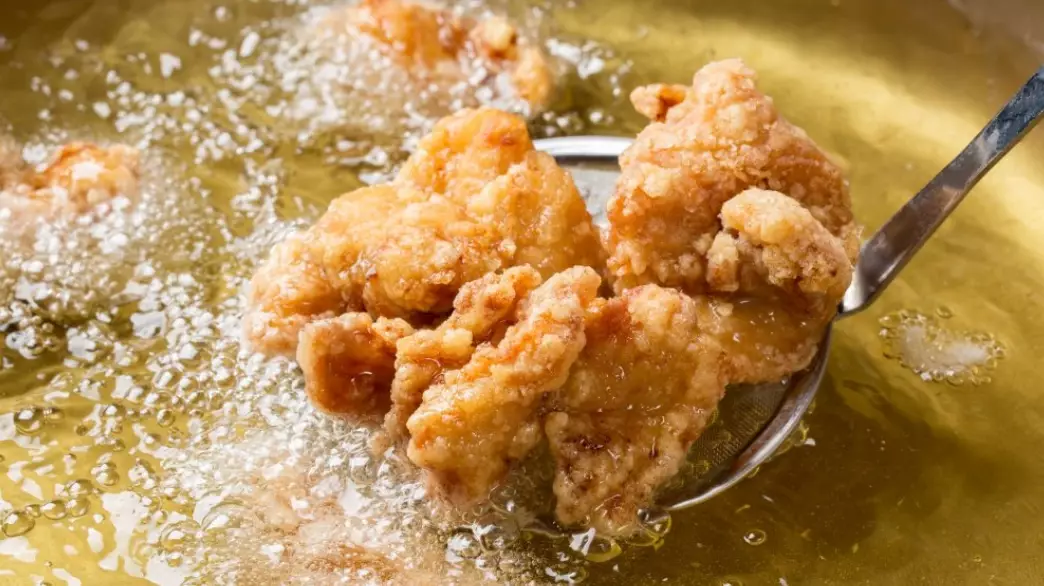
The Wooden Chopstick or Spoon Handle Test
Stick the end of a wooden chopstick or a wooden spoon handle into the oil. If steady, vigorous bubbles immediately form around the wood, the oil is around 350°F. Few, lazy bubbles mean it's too cold. A furious, violent bubble storm means it's too hot.
The Bread Cube Test
Toss a 1-inch cube of white bread into the oil. It should turn golden brown in about 60 seconds. If it browns in 30 seconds, it's too hot. Takes 90 seconds? Too cold.
But honestly, just get a decent instant-read or clip-on deep fry thermometer. It removes all doubt. When you clip it to the pot, make sure the tip isn't touching the bottom, or you'll get a false, higher reading.
3 Critical Mistakes That Ruin Fried Chicken (Beyond Temp & Time)
Here’s the stuff most recipes gloss over.
1. Frying Straight from the Fridge. Ice-cold chicken is the enemy of even cooking. It causes that massive oil temperature crash we talked about, and the center might still be cold when the outside is done. Let your dredged chicken sit on a rack at room temperature for 20-30 minutes before frying. This simple step is a game-changer.
2. Overcrowding the Pot. This is the #1 cause of soggy chicken. Adding too many pieces at once drops the oil temperature too much, too fast, and it can't recover. The chicken stews in warm oil instead of frying. Fry in small batches. Be patient. Let the oil reheat fully between batches.
3. Not Letting It Rest on a Rack. Never, ever dump fried chicken on a paper towel-lined plate. The bottom steams, and the crust gets soggy. Always place it on a wire rack set over a sheet pan. This allows air to circulate all around, keeping every inch crispy.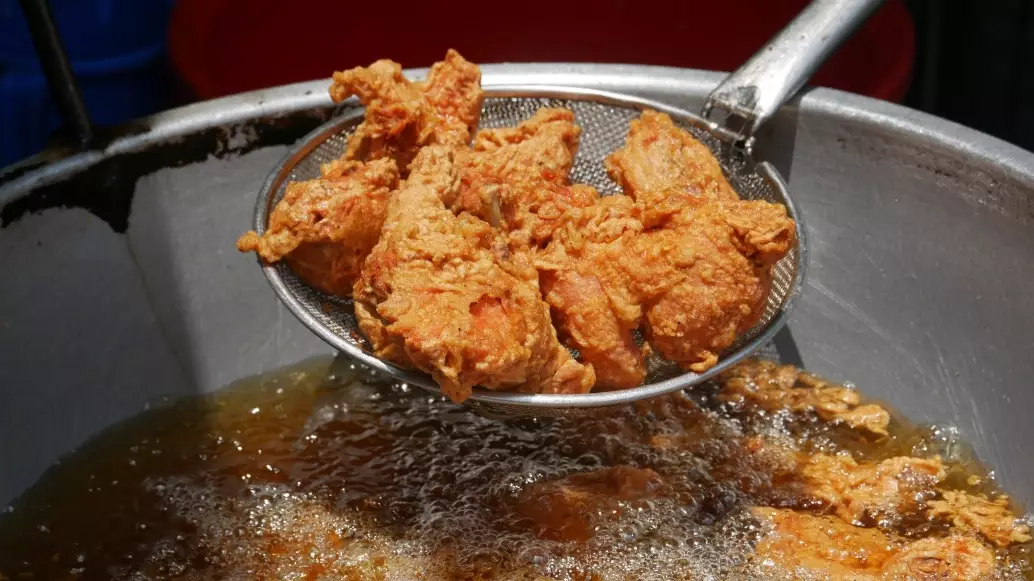
Your Fried Chicken Troubleshooting FAQ
 Can I use these same oil temperatures and times for an air fryer?
Mastering fried chicken oil temp and time is a skill, not magic. It requires attention and a bit of practice. Start with the chart, control your heat, avoid overcrowding, and use a rack. Do these things, and you'll move from hoping it turns out to knowing it will be perfect. Now go heat that oil.
Related Articles