Dark Meat on a Chicken: What It Is & Why It's Better
I remember the first time I tried to roast a whole chicken. I followed the recipe perfectly, but when I pulled it out, the breast was dry as cardboard while the legs were still pink near the bone. I was confused. Wasn't all chicken supposed to cook the same? That failure sent me down a rabbit hole, and the answer lies in one simple concept: dark meat versus white meat.
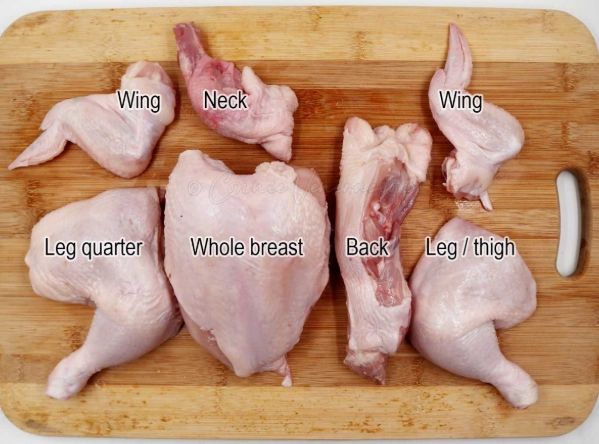
Let's cut right to the chase. On a chicken, dark meat refers to the thighs and the drumsticks (legs). That's it. The wings, depending on which part you're talking about, are a bit of a hybrid but are generally considered white meat. The breast is the poster child for white meat. But this isn't just about color or location. It's about biology, flavor, and a whole lot of misunderstood cooking science.
Most people think dark meat is "fattier" or "less healthy." That's the first myth we need to bust. The real difference is muscle function. Dark meat comes from muscles that are used more frequently—the legs and thighs that power the chicken's walking and standing. This constant use requires a steady supply of oxygen, which is delivered by a protein called myoglobin. More myoglobin equals a darker, redder muscle fiber. White meat, from the breast and wings used for brief bursts of flight, needs less oxygen and has less myoglobin, hence the lighter color.
What's Inside This Guide
What Exactly Is Considered Dark Meat on a Chicken?
Here's the deal, broken down by part:
- Thigh: This is the upper part of the leg, attached to the body. It's arguably the king of dark meat. It's a single, oval-shaped muscle with a bone running through it, often sold as "bone-in, skin-on" or deboned. The meat is exceptionally juicy and flavorful.
- Drumstick: The lower part of the leg. It's easily recognizable by its handle-like shape with a single bone in the center. The meat is slightly firmer than the thigh but shares the same rich, dark quality.
Now, the gray area: the wings. Ask a chef, and you might get a debate. The wing is made of three parts: the drumette (looks like a mini drumstick), the wingette or flat, and the tip. The drumette and wingette contain a mix of light and dark muscle fibers. The USDA classifies them as white meat for nutritional labeling, but many cooks and butchers will tell you they behave more like dark meat in terms of fat content and cooking tolerance. For practical home cooking, treat wings as their own category—they're perfect for frying or baking until crispy.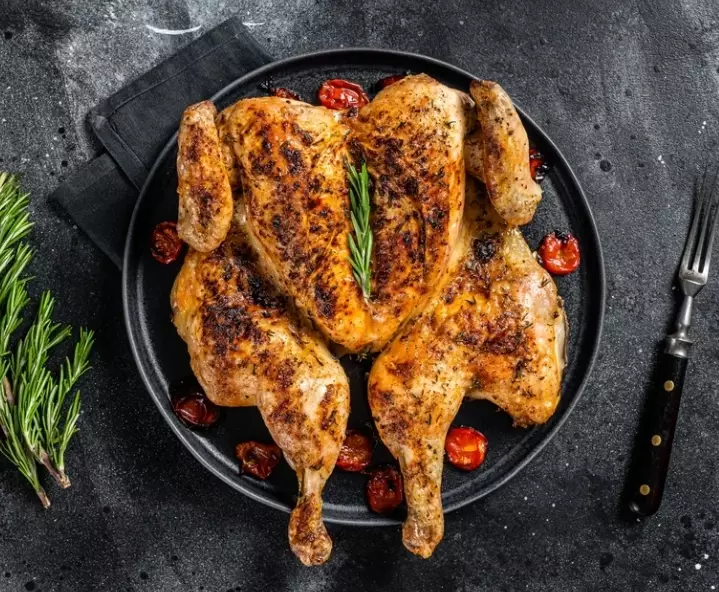
Pro Butcher Tip: When you buy a "whole leg" or "leg quarter," you're getting both the thigh and drumstick still attached. This is a fantastic, economical cut for roasting or grilling because the connective tissue between the joints melts during slow cooking, creating incredible flavor and moisture.
Dark Meat vs. White Meat: It's All About Myoglobin
Myoglobin is the key. Think of it as oxygen storage for muscles. More active muscles need more oxygen on standby, so they have more myoglobin, which is deep red. That's why a chicken's legs are dark and a cow's leg muscles (like a steak) are red, while a chicken's breast is pale.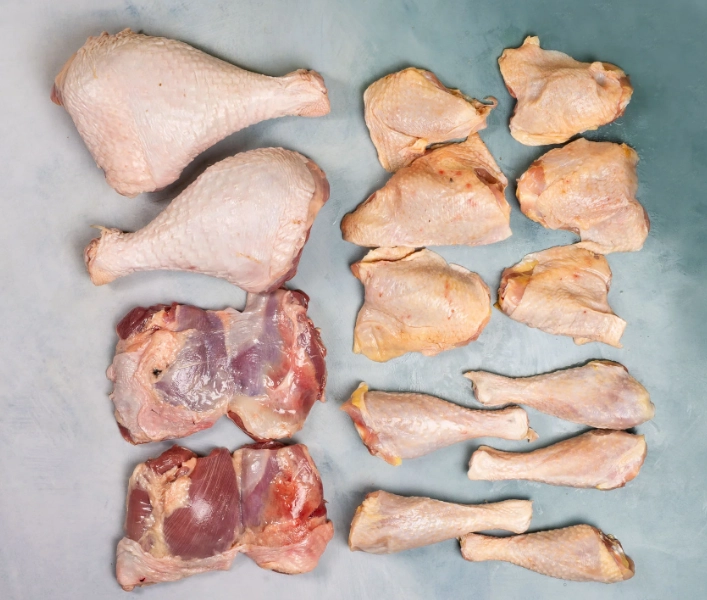
This biological difference creates all the other distinctions we care about in the kitchen.
| Characteristic | Dark Meat (Thighs & Drumsticks) | White Meat (Breast & Wings*) |
|---|---|---|
| Primary Muscles | Legs (walking, standing) | Breast & Wings (short bursts) |
| Key Protein | Higher myoglobin content | Lower myoglobin content |
| Muscle Fiber Type | More slow-twitch fibers (endurance) | More fast-twitch fibers (power) |
| Fat Content | Higher (about 5-9g per 3oz cooked) | Lower (about 1-3g per 3oz cooked) |
| Connective Tissue | More collagen and connective tissue | Less connective tissue |
| Flavor Profile | Rich, savory, deeply "chicken-y" | Mild, clean, slightly sweet |
| Best Cooking Methods | Braising, roasting, stewing, grilling (forgiving) | Quick roasting, pan-searing, poaching (needs care) |
*Wings have a higher fat content than breast, closer to dark meat.
The extra fat and connective tissue in dark meat are its superpowers. Fat carries flavor and provides moisture. Connective tissue, when cooked slowly with moisture, breaks down into gelatin. This gelatin makes sauces lush and gives the meat that fall-off-the-bone tenderness everyone loves in a good stew. White meat, lacking these protections, has a much smaller window between "perfectly juicy" and "dry and stringy."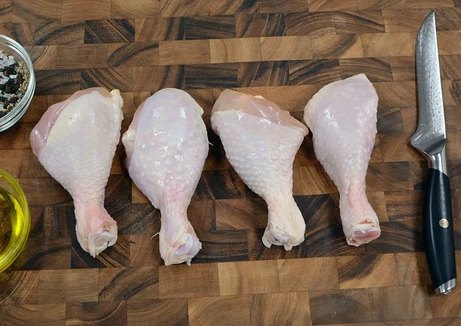
How to Cook Dark Meat Chicken (So It's Never Dry)
Here's where most recipes fail home cooks. They give one cooking time for the whole bird or cut, ignoring the fundamental difference between the two meats. If you cook a breast to 165°F (74°C), the dark meat will be undercooked and rubbery. If you cook the dark meat to its ideal 175-180°F (79-82°C), the breast will be overcooked.
The Golden Rule: Different Temperatures for Different Meats
For food safety, all chicken must reach at least 165°F (74°C). However, for optimal texture:
- White Meat (Breast): Target 160-165°F (71-74°C). Carryover cooking will bring it up safely. Pull it off the heat a few degrees early.
- Dark Meat (Thighs, Drumsticks): Target 175-185°F (79-85°C). This higher temperature is necessary to render the fat and melt the connective tissue into gelatin. At 165°F, dark meat can still be tough and chewy.
My go-to method for a whole chicken? Spatchcock it. Flattening the bird exposes the dark meat to more direct heat, helping it cook faster and more evenly relative to the breast. I also start the chicken breast-side down for the first half of roasting, then flip it. The dark meat shields the breast from the initial intense heat.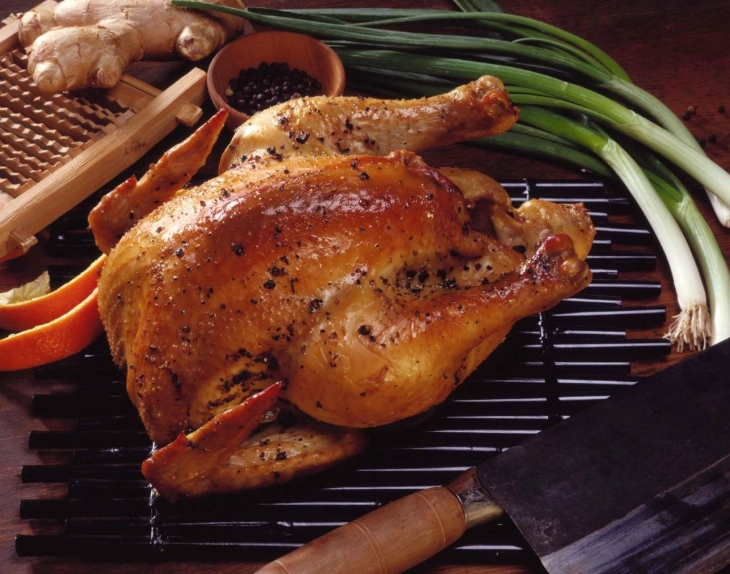
Best Methods for Dark Meat Cuts
Bone-in, Skin-on Thighs: This is the most forgiving cut. Pat the skin dry, season generously, and roast at 425°F (220°C) for 35-45 minutes until the skin is crackling and the internal temp hits 175°F. The bone and skin act as insulators, basting the meat from within.
Boneless Thighs: Perfect for quick weeknight meals. They can stand up to high-heat searing in a pan without drying out. Slice them for stir-fries, cube them for kebabs, or pan-sear and finish with a pan sauce.
Drumsticks: They love a marinade. Because of their shape, they benefit from slower, indirect heat to cook through without burning the outside. Bake at 375°F (190°C) for 40-50 minutes, or braise them in a tomato-based sauce until tender.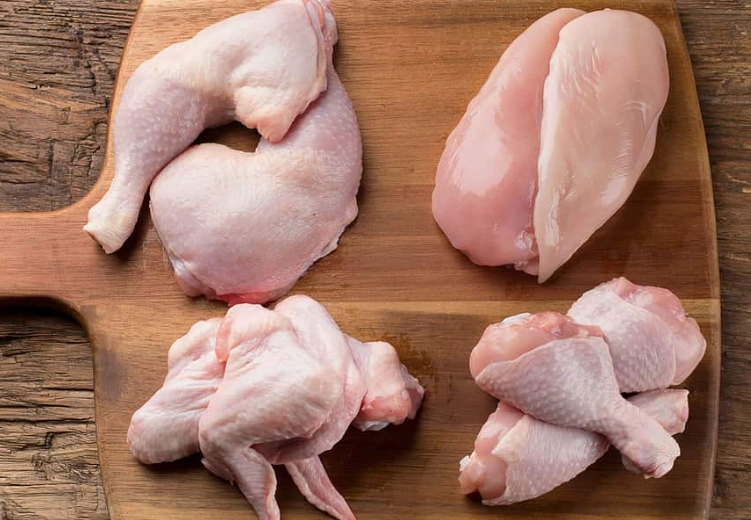
Nutrition Facts: Is Dark Meat Actually Healthier?
This is the big debate. The U.S. Department of Agriculture's FoodData Central database shows the clear numbers per 3-ounce (85g) cooked serving:
- Chicken Breast (skinless): ~165 calories, 31g protein, 3.6g fat.
- Chicken Thigh (skinless): ~210 calories, 26g protein, 9g fat.
Yes, dark meat has more calories and fat. But it's not that simple.
The extra fat is mostly monounsaturated fat—the same heart-healthy kind found in olive oil. It also contains more iron, zinc, and B vitamins (especially B12 and riboflavin) than white meat. The iron in dark meat is heme iron, which your body absorbs more easily than the non-heme iron from plants.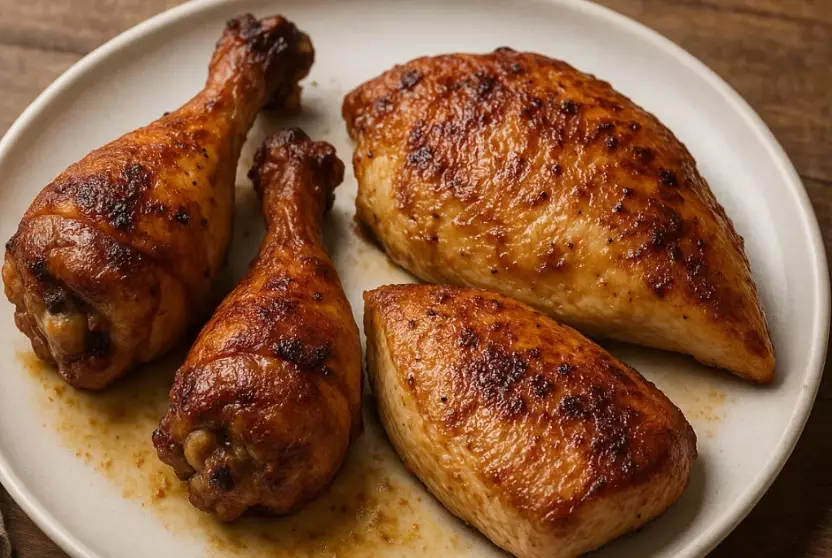
Calling one "healthy" and the other "unhealthy" is a mistake. If you're on a strict, ultra-lean bodybuilding diet, breast meat is your friend. For everyone else, dark meat provides more sustained energy, better satiety (you feel fuller longer), and a richer nutrient profile. The key, as with all things, is portion control and preparation. A skinless thigh is a fantastic part of a balanced diet. A deep-fried, skin-on thigh every day is a different story.
A report from the Harvard T.H. Chan School of Public Health emphasizes that the type of fat and overall dietary pattern matters more than fixating on individual cuts of meat.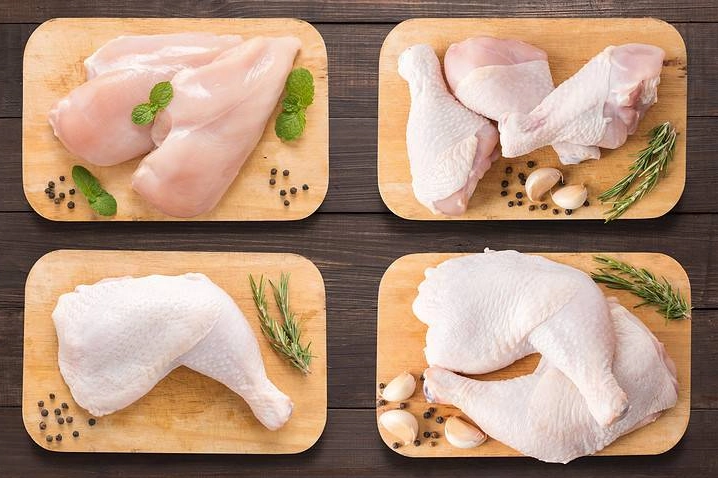
Your Dark Meat Questions, Answered
Related Articles