The Ultimate Guide to Cooking a Whole Chicken: Easy & Perfect Every Time
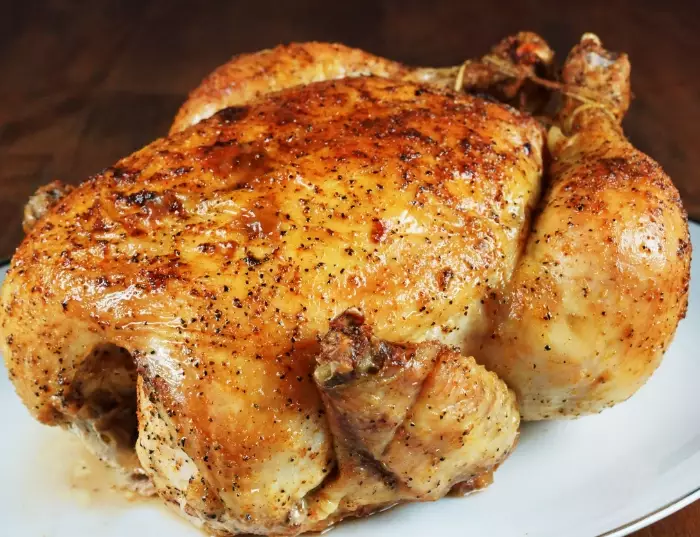
Cooking a whole chicken shouldn't feel like a high-wire act. It's one of the most rewarding, economical, and frankly, delicious things you can do in your kitchen. A perfectly roasted chicken, with crisp, golden skin and juicy, flavorful meat, is a universal sign of a good cook. Yet, so many people are intimidated by it. They worry about undercooking, overcooking, dry breast meat, or soggy skin. I get it. My first attempt years ago resulted in a pale, rubbery-skinned bird that my dog looked at with pity.
But here's the truth: roasting a whole chicken is simple. It's a process built on a few fundamental principles, not a complex recipe. Once you understand the "why" behind each step, you can adapt and improvise forever. This guide isn't just another recipe. It's the framework you need to roast a chicken with confidence, whether it's a Tuesday night dinner or the centerpiece of a Sunday feast.
What You'll Find in This Guide
- Why Bother Roasting a Whole Chicken?
- How to Prepare Your Chicken for Roasting
- Seasoning Methods: Salt, Herbs, and Flavor
- The Roasting Method: Time, Temperature, and Technique
- How Do You Know When the Chicken is Done?
- The Critical Steps: Resting and Carving
- Common Roast Chicken Mistakes (And How to Avoid Them)
- Your Roast Chicken Questions, Answered
Why Bother Roasting a Whole Chicken?
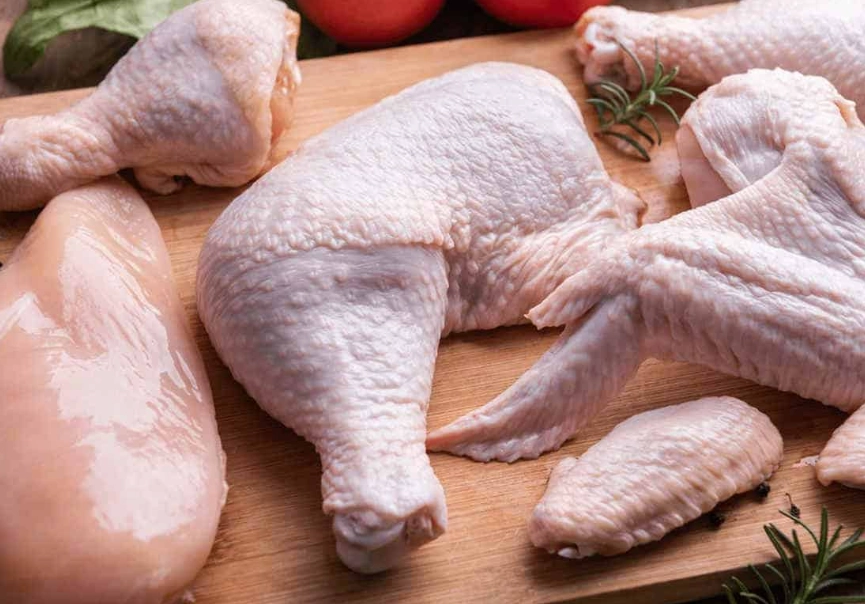
Let's start with motivation. A whole chicken is almost always cheaper per pound than buying parts. You get multiple meals: the roast dinner itself, then leftovers for sandwiches, salads, or soup, and finally, you can make a rich stock from the carcass. It's the ultimate in kitchen efficiency.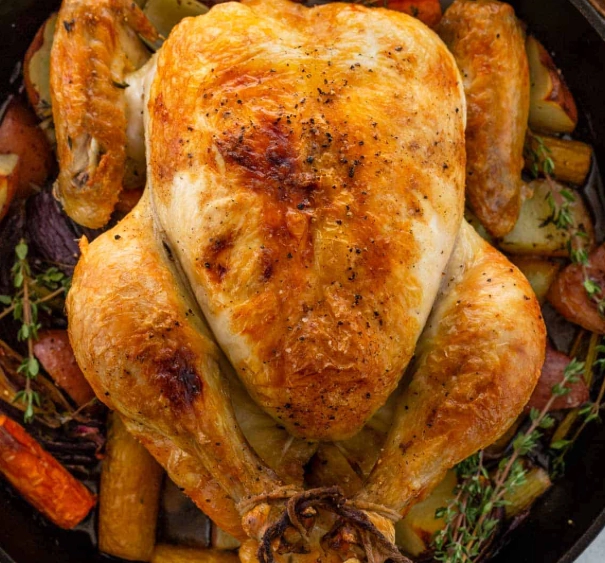
Flavor is the other big reason. Cooking the bird whole keeps the meat incredibly moist. The dark meat (thighs, legs) bastes the white meat (breast) from the inside as the fat renders. You just can't get that synergy from cooking pieces separately.
How to Prepare Your Chicken for Roasting
This is where most people rush, and it shows. Preparation is 80% of the battle.
First, pat it dry. Really dry. I mean, use a whole roll of paper towels if you have to. Moisture is the enemy of crispy skin. Get the outside of the bird and the cavity as dry as possible. This non-negotiable step allows the skin to crisp up instead of steam.
To truss or not to truss? Trussing (tying the legs and wings close to the body) gives you a neat, compact shape that cooks evenly. It's not strictly necessary, but I prefer it. If you don't truss, just tuck the wingtips behind the shoulders to prevent burning.
Seasoning Methods: Salt, Herbs, and Flavor
Seasoning is more than just sprinkling salt on the outside. You have options, and they make a big difference.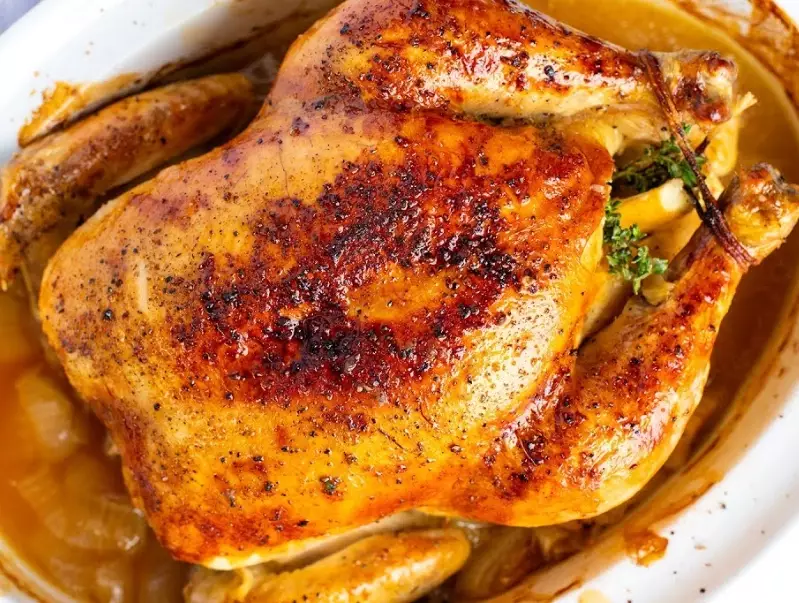
Dry Brining (My Go-To Method)
This is the secret weapon for seasoned, juicy meat and crackling skin. The night before (or even just a few hours before), generously salt the entire chicken, inside and out, with kosher salt. Place it on a rack over a plate, uncovered, in the fridge. The salt draws out moisture, which then dissolves the salt and gets reabsorbed deep into the meat, seasoning it from within. The dry air of the fridge also further dries the skin. The result is profound.
Simple Herb Butter
A classic for a reason. Soften unsalted butter and mix it with chopped herbs (thyme, rosemary, sage), garlic, lemon zest, and black pepper. Gently loosen the skin over the breast meat and thighs with your fingers, and smear about two-thirds of the butter under the skin directly onto the meat. Rub the rest over the outside. This bastes the meat from the inside as it cooks.
The Minimalist Approach
Just salt and pepper, inside and out. Maybe a halved lemon and some garlic cloves in the cavity. It's pure, it's clean, and it lets the flavor of a good chicken shine. Don't underestimate it.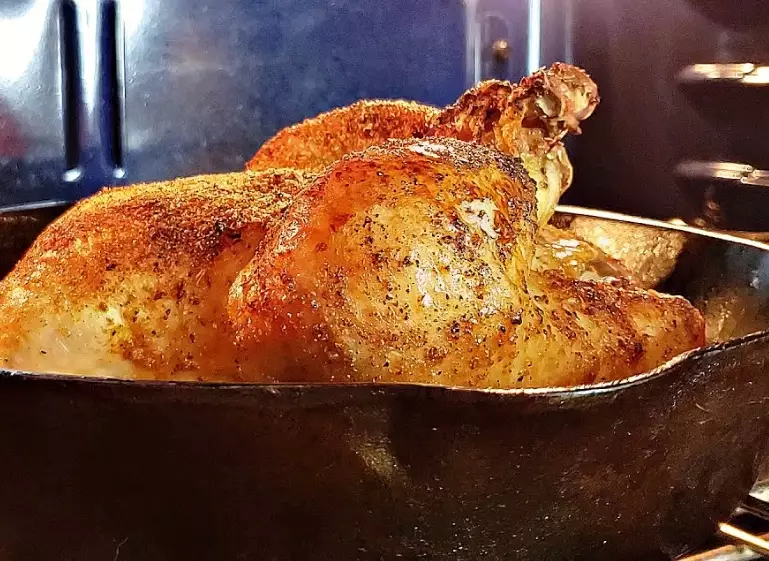
The Roasting Method: Time, Temperature, and Technique
Here's the core process. Preheat your oven to 425°F (220°C). Yes, start hot.
- Place your prepared chicken breast-side up on a rack set inside a roasting pan or rimmed baking sheet. The rack is crucial—it allows hot air to circulate all around the bird for even browning and crisping.
- Put the chicken in the hot oven and roast for 20 minutes. This initial blast of high heat sets the skin and starts the browning.
- After 20 minutes, reduce the oven temperature to 375°F (190°C). This lower temperature allows the inside to cook through gently without burning the outside.
- Continue roasting until done. The total time depends almost entirely on the weight of your chicken.
Here’s a reliable guide. These times are for a chicken at room temperature, starting at 425°F then reduced to 375°F.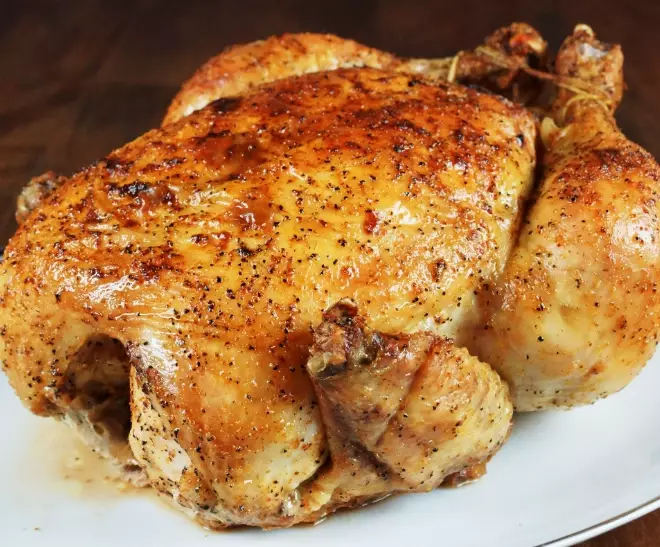
| Chicken Weight | Estimated Total Roasting Time | Internal Temp (Breast) |
|---|---|---|
| 3 to 3.5 lbs (1.4-1.6 kg) | 50 to 60 minutes | 155-160°F (68-71°C) |
| 4 to 4.5 lbs (1.8-2 kg) | 65 to 75 minutes | 155-160°F (68-71°C) |
| 5 to 5.5 lbs (2.3-2.5 kg) | 80 to 90 minutes | 155-160°F (68-71°C) |
I don't recommend basting. Opening the oven door repeatedly lets heat escape, causing uneven cooking. Your chicken will baste itself with its own fat if you've prepared it right.
How Do You Know When the Chicken is Done?
Forget wiggling legs or clear juices as your primary guide. They're unreliable. Use a good instant-read thermometer. It's the single best investment for worry-free cooking.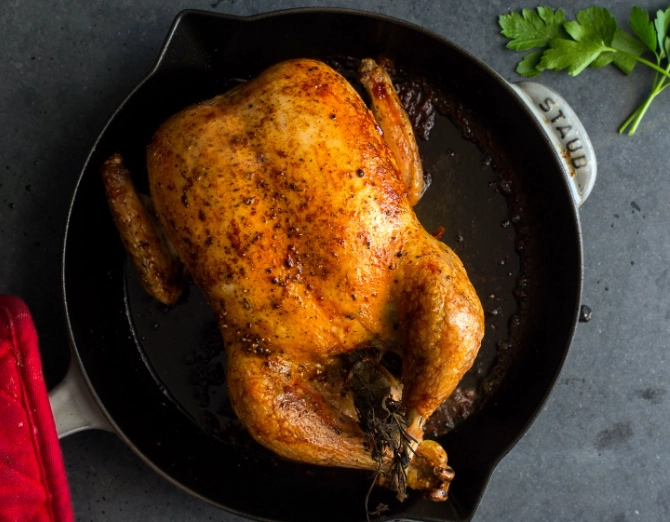
Insert the thermometer into the thickest part of the breast, avoiding the bone. You're aiming for 155-160°F (68-71°C). At this temperature, the breast meat will be perfectly juicy and safe to eat. The thighs should read about 170-175°F (77-80°C). If the breast is done but the thighs aren't, you can carefully return the chicken to the oven, shielding the breast with a small piece of foil if needed.
Carryover cooking will raise the temperature another 5-10 degrees while the chicken rests, bringing the breast to the USDA-recommended 165°F (74°C) without overcooking it.
The Critical Steps: Resting and Carving
Do not, I repeat, do not carve the chicken right out of the oven. This is a tragic mistake. When the chicken comes out, the juices are wildly excited and concentrated in the center. If you cut it, all those juices will flood onto your cutting board, leaving the meat dry.
Transfer the chicken to a clean cutting board or platter and let it rest, loosely tented with foil, for 15 to 20 minutes. This allows the muscle fibers to relax and reabsorb the juices throughout the meat.
Carving: Start by removing the legs (thigh and drumstick together) at the joint. Then separate the thighs from the drumsticks if you like. Next, remove the wings. For the breast, make a long cut down the center of the breastbone, then slice the meat off each side in long, clean slices. It's easier than it sounds. There are great visual guides from sources like America's Test Kitchen if you're a beginner.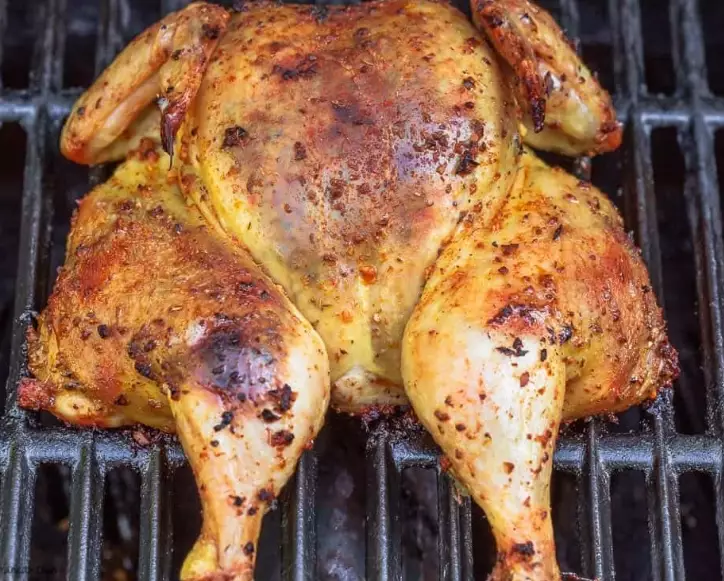
Common Roast Chicken Mistakes (And How to Avoid Them)
Let's diagnose problems before they happen.
Pale, Rubbery Skin: The chicken wasn't dry enough before going in the oven, or the oven temperature was too low. Always pat dry and start with a high temp (425°F).
Dry Breast Meat, Undercooked Thighs: The chicken was too cold when it went in, or it wasn't trussed/tucked, causing the legs to splay out and cook slower. Always let it sit out of the fridge. Using a rack helps air circulate around the legs.
The Bottom is Soggy: You roasted it directly in a pan without a rack. The bird stews in its own juices. Always use a rack.
It Tastes Bland: You only salted the outside. Season aggressively, inside and out. Dry brining solves this.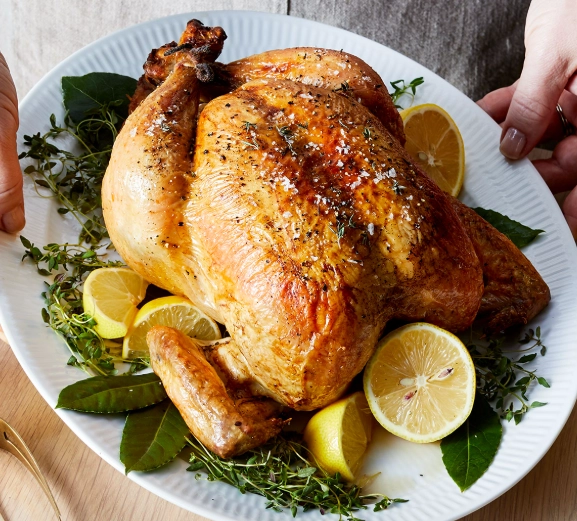
Your Roast Chicken Questions, Answered
Related Articles