Perdue vs Tyson Chicken: The Ultimate Brand Comparison & Buying Guide
Quick Navigation
- Where It All Starts: How They Raise the Chicken
- The Meat of the Matter: Taste, Texture, and Cooking Performance
- The Label Labyrinth: Decoding What You're Actually Buying
- The Price Check: What's the Real Cost?
- Head-to-Head: Picking a Winner for Your Needs
- Your Questions, Answered (The Real Stuff People Ask)
- The Final Slice: Moving Beyond the Brand War
So you're standing in the meat aisle, staring at the wall of plastic-wrapped chicken, and the question hits you: which chicken is better, Perdue or Tyson? It's not just about picking a package. It's about value, taste, what you're feeding your family, and honestly, not feeling confused by all the marketing claims. I've been there too. I've bought both, cooked both, and had my fair share of disappointments and surprises. This isn't about corporate history or stock prices. It's a down-to-earth, practical look at what you get when you bring home a pack of Perdue versus a pack of Tyson.
Let's cut through the noise. Both are giants. You'll find them in virtually every supermarket in America. But that doesn't mean they're the same. Far from it. The differences can affect everything from your weeknight stir-fry to your Sunday roast chicken. We're going to break this down piece by piece—how they raise their birds, what the meat actually tastes and feels like, what all those labels mean, and of course, what you end up paying. By the end, you'll have a clear answer, not just a guess, for which chicken is better, Perdue or Tyson for *your* kitchen.
Where It All Starts: How They Raise the Chicken
This is the foundation. The farm conditions, feed, and policies set the stage for everything else—the meat's flavor, its texture, and frankly, how you feel about buying it. Perdue and Tyson have taken noticeably different paths here, especially in the last decade.
Perdue's Approach: The Antibiotic-Free Pioneer
Perdue made a huge splash back in 2014 when they announced they were removing all antibiotics from their hatcheries. It was a big deal in the industry. Today, they market themselves heavily on this. All Perdue chicken is now raised without any antibiotics, ever. They were one of the first major brands to make this shift, and they've built their modern identity around it.
They also talk a lot about their "American Humane Certified" standards for a portion of their line. Now, animal welfare certifications have layers—some are more rigorous than others—but having any third-party verification is a step. They've invested in things like windows in some barns and slower-growing breeds for their premium lines. You can see their animal welfare commitments detailed on their official animal care page. It's worth a look to see what they define as their standards.
My take? It feels like Perdue is betting on the consumer who reads labels and is worried about antibiotics in the food chain. Whether the premium price is worth it for that peace of mind is a personal call.
Tyson's Approach: Scale and Variety
Tyson is the behemoth. They supply something like 20% of all chicken in the U.S. Their approach has traditionally been about scale and efficiency to meet that massive demand. For years, they were slower than Perdue to move away from antibiotics for growth promotion. However, under consumer pressure, they've made significant changes.
Most Tyson chicken sold in grocery stores today is labeled "No Antibiotics Ever" (NAE) or "Raised Without Antibiotics." It's crucial to check the package, though, because their product line is vast. They also have a range of welfare programs, but they are less likely to feature third-party humane certifications as prominently as Perdue on their core packages. Instead, they have their own "Tyson Farm Check" program. Information on their current policies is available through resources like the U.S. Poultry & Egg Association, which tracks industry-wide practices.
Where Tyson really shines is in offering choice. They have the basic commodity chicken, the NAE line, the organic line (Tyson Organic), and even air-chilled options in some markets. They're trying to cover every possible segment of the buyer.
So, on farming: Perdue presents a more unified, proactive image on antibiotics and welfare. Tyson offers a wider spectrum, from basic to premium, letting you choose your price and priority point. Which leads us to the most tangible part...
The Meat of the Matter: Taste, Texture, and Cooking Performance
All the farming claims are nice, but what happens in the pan? This is where the rubber meets the road. I've cooked pounds and pounds of both, and here's the honest, bite-by-bite breakdown.
Texture: The Big Divide
Texture might be the most noticeable difference for the average cook.
Perdue tends to have a more consistent texture, especially in their premium lines like Perdue Harvestland or Simply Smart. The breast meat is generally tender, with less of the dreaded "woody breast" syndrome—that coarse, tough texture that makes chicken feel like you're chewing on a tire. I find their meat to be reliably fork-tender when cooked properly. It's not always the most flavorful chicken on its own (that often comes down to breed and diet), but it's predictably pleasant to eat.
Tyson's texture can be a bit of a lottery, particularly with their value-priced packs. You're more likely to encounter woody pieces here. However, their upgraded lines—like the Tyson Air Chilled or their Open Nature brand—show a marked improvement. The air-chilling process (where cold air, not water, cools the chicken) results in meat that absorbs less water. This means it sears better, doesn't shrink as much in the pan, and often has a more concentrated chicken flavor. When you get a good pack of their premium product, it's excellent.
Flavor and Juice
Flavor is subjective, but here's the common thread. Mass-market chicken, from any brand, often has a mild flavor. It's a blank canvas. The real difference comes from how it's processed.
Because Perdue and many Tyson products are water-chilled, they can retain a bit of that water. This can sometimes dilute the natural flavor and lead to more pan juices (which is actually just water and protein leaking out). Tyson's air-chilled lines avoid this entirely—they taste more like... chicken. Richer, slightly more savory.
For a simple grilled chicken breast test, I'd give a slight edge to a premium, air-chilled option from either brand. But for everyday use where chicken is going in a sauce, curry, or soup? The difference between their standard offerings is minimal. The sauce is the star there.
Performance in the Kitchen
How does it cook? Does it curl up? Does it release a ton of white gunk?
- Browning: Air-chilled chicken (found in some Tyson and Perdue lines) browns magnificently because the surface is dry. Water-chilled chicken needs to be patted very, very dry with paper towels to achieve a good sear.
- Shrinkage: You'll generally get less shrinkage from air-chilled or higher-quality lines. The cheap packs can shrink by 30% or more as all that added water cooks off.
- Brining: Many value packs are "enhanced" or "marinated" with a solution of water, salt, and sometimes flavorings. This is done to add moisture and flavor. Perdue is known for its "Perfect Portions" which are pre-brined. Tyson has similar products. It's a convenience feature—the chicken is harder to overcook—but it also means you're paying for added water and sodium. Always check the ingredient list if you want just chicken.
When you're trying to decide which chicken is better, Perdue or Tyson, for your specific recipe, think about texture first, then cooking method.
The Label Labyrinth: Decoding What You're Actually Buying
This is where people get lost. "Natural," "Organic," "Hormone Free"—what does it all mean? And how do the brands stack up? Let's translate.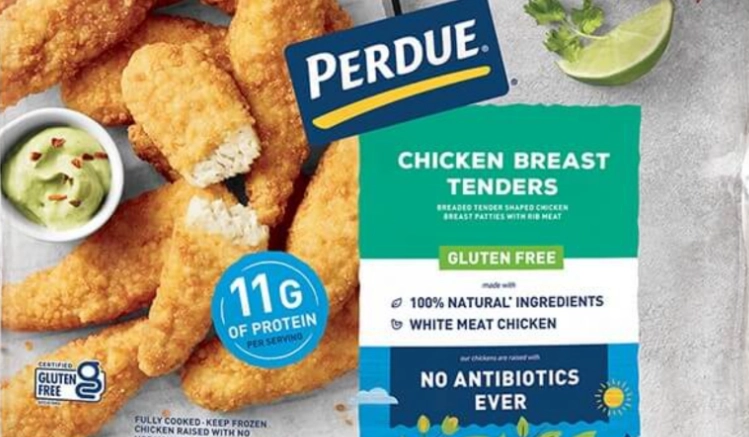
| Label Term | What It Means (Legally) | Perdue's Common Use | Tyson's Common Use | What It *Really* Means for You |
|---|---|---|---|---|
| No Antibiotics Ever (NAE) | Chicken never received antibiotics, from egg to package. | On virtually all products. Their flagship claim. | On many core products, but not all. Check the package. | Addresses public health concerns about antibiotic resistance. No impact on taste. |
| Organic | Must meet USDA Organic standards: 100% organic feed, no antibiotics, outdoor access. | Sold under "Perdue Organic" line. | Sold under "Tyson Organic" line. | Highest welfare and feed standards among major labels. Usually the most expensive. |
| Hormone-Free | Somewhat misleading. It's illegal to use hormones in poultry farming in the U.S. All chicken is hormone-free. | Often still on packaging for marketing. | Often still on packaging for marketing. | A meaningless distinction. Don't pay extra for this claim alone. |
| Natural | Minimally processed, no artificial ingredients. Says nothing about farming. | Used on many products. | Used on many products. | A very weak claim. Almost all fresh chicken qualifies. |
| Air Chilled | Chilled with cold air, not water baths. Absorbs less water. | Offered in some premium lines. | Offered in "Tyson Air Chilled" line. | Better searing, less shrinkage, often better flavor. Worth the upgrade for simple preparations. |
| Humanely Raised / Certified | Varies wildly by certifier (American Humane, Global Animal Partnership). | Prominently uses "American Humane Certified." | Less emphasis on third-party certs; uses internal "Farm Check." | Indicates some welfare standards are audited. Research the specific certification for details. |
See the pattern? Perdue has streamlined its message around "No Antibiotics Ever" as a default. Tyson gives you a menu. This is a key way to answer which chicken is better, Perdue or Tyson. Do you want a brand that has one clear standard, or one that lets you pick from a budget option up to an organic one?
The Price Check: What's the Real Cost?
Let's talk money. Price fluctuates by region, store, and sale, but the general hierarchy holds true.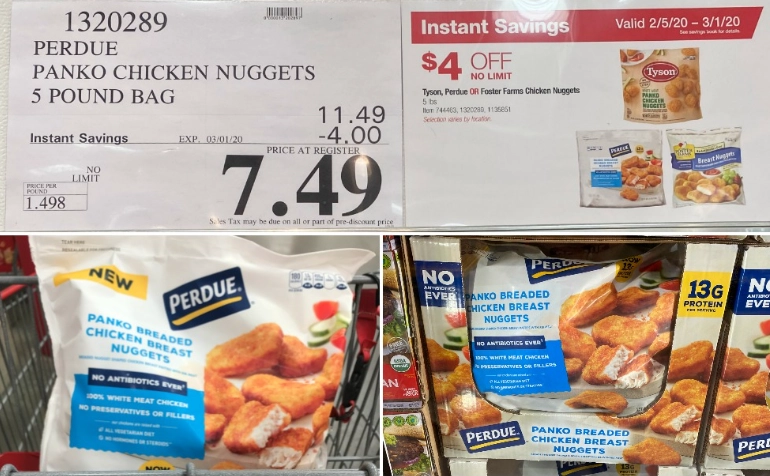
Typically, for a standard pack of boneless, skinless chicken breasts:
- Tyson Value/Classic: Often the cheapest price per pound. This is the loss-leader chicken.
- Perdue Standard (No Antibiotics Ever): Usually sits at a mid-tier price, a step above Tyson's value line.
- Tyson NAE or Perdue Simply Smart: These are comparable, mid-to-upper-mid price.
- Air-Chilled Lines (Both Brands) & Organic Lines (Both Brands): These are the premium price points. Tyson Air Chilled and Perdue Harvestland often go head-to-head here.
Here's the thing about price. The cheapest pack isn't always the best value. If a $3.99/lb pack shrinks by 30% in the pan, you're effectively paying for water at $5.70/lb for the actual meat. A $5.99/lb air-chilled breast that shrinks only 10% gives you more edible meat for your dollar, plus better flavor and texture.
I've done the math in my own kitchen. For a quick weeknight meal where the chicken is diced in a pasta, the cheap stuff is fine. For a center-of-the-plate grilled breast where the chicken is the star, the upgrade is almost always worth it.
Head-to-Head: Picking a Winner for Your Needs
So, which chicken is better, Perdue or Tyson? The final, honest answer is: It depends on what you're making and what you value most. Let's make it simple.
Choose Perdue If...
- Antibiotic-free is your non-negotiable. You want the simplicity of knowing every product in their main line meets this standard.
- You prioritize consistent, tender texture and are particularly wary of woody breast meat.
- You like clear, simple labeling on the front of the package.
- You often buy pre-marinated or pre-portioned chicken for convenience (their "Perfect Portions" are widely praised).
Choose Tyson If...
- Budget is your primary driver. Their value line is often the most affordable.
- You want the widest range of choices in one brand, from basic to organic to air-chilled.
- You're seeking an air-chilled option for superior browning and flavor (their dedicated "Air Chilled" line is strong).
- Availability is key. In some stores, Tyson's selection might be larger or better stocked.
For what it's worth, in my own fridge, I tend to keep both. I buy Tyson Air Chilled when I want to make a great seared chicken cutlet or roast a whole bird. I buy Perdue's simple boneless thighs for making stews or curries where the consistency is reliable. It's not about brand loyalty; it's about tool selection.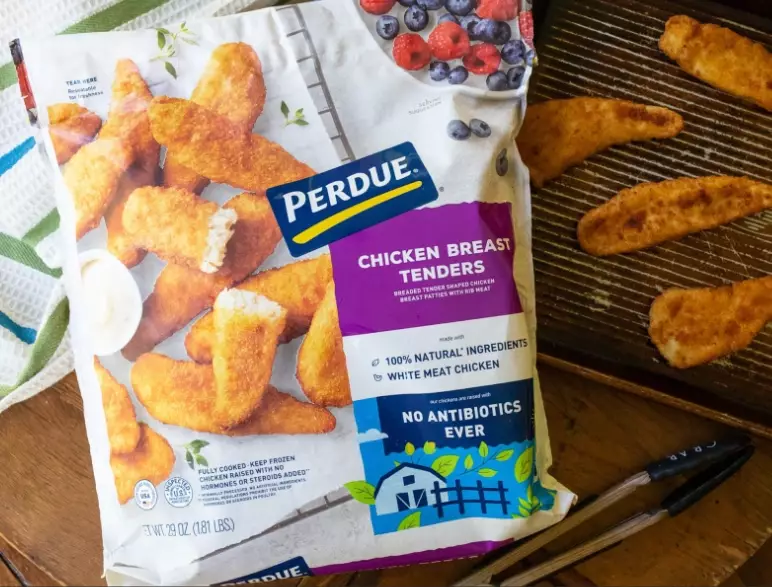
Your Questions, Answered (The Real Stuff People Ask)
Let's tackle the specific, sometimes quirky questions that pop up when people compare these two.
It depends on your definition of "quality." If quality means a firm guarantee of no antibiotics and a high likelihood of tender texture, then Perdue's core line has an edge. If quality means a perfectly seared, flavorful breast from an air-chilled process, then Tyson's premium line can win. The "quality" gap closes when you compare their similar-tier products (e.g., Perdue Harvestland vs. Tyson Air Chilled).
That's the "woody breast" condition. It's a muscle myopathy affecting modern, fast-growing chicken breeds. It's an industry-wide issue, but it seems to appear more frequently in the faster-growing birds used in high-volume, value production. Tyson's move to some slower-growing breeds in certain lines is a direct response to this. Always check for labels mentioning "slow growth" or breeds like "Woodland" for the least chance of chewiness.
Look for "air chilled" on the package. Both brands offer it. Air-chilled chicken, by definition, has no added water from processing. For water-chilled chicken, the USDA allows retention of some absorbed water. There's no consistent winner between Perdue and Tyson on this for their standard lines—it varies by plant and specific product. The ingredient list tells the tale: if only "chicken" is listed, it's not *added*. If "water" or "broth" is listed, it is.
"Ethical" is a complex, personal judgment. Perdue is more vocal and consistent about its animal welfare certifications (American Humane) and its no-antibiotics stance. Tyson operates at a much larger scale and has faced more criticism historically. However, both are large corporations operating within the modern agricultural system. For the highest ethical standards as defined by animal welfare groups, you'd typically look to smaller, pasture-raised brands or products with the highest level of "Global Animal Partnership" certification (like Step 4 or 5), which neither Perdue nor Tyson widely offer at scale.
The Final Slice: Moving Beyond the Brand War
Honestly, obsessing over Perdue vs. Tyson can sometimes miss the bigger picture. The best chicken for you might come from a local farmer, a regional brand, or a store's own premium line. The beauty of the current market is that the competition pushed by Perdue's antibiotic-free move and Tyson's air-chilled innovation has raised the bar for everyone.
Here’s my final, practical advice:
- Ignore the marketing on the front. Flip the package. Read the ingredients and the fine print on certifications.
- Match the chicken to the meal. Don't buy premium air-chilled for chicken salad. Don't buy value packs for a special grilled dinner.
- Experiment. Buy a pack of Perdue Simply Smart and a pack of Tyson Air Chilled. Cook them side-by-side, simply, with just salt and pepper. Your palate and your pan will give you the true answer for which chicken is better, Perdue or Tyson, in your own kitchen.
At the end of the day, both Perdue and Tyson produce safe, widely available chicken that feeds millions of families. One isn't universally "good" and the other "bad." One might just be a better fit for your Tuesday night tacos, your budget, or your personal values. And knowing that difference is what makes you a smarter shopper and a better cook.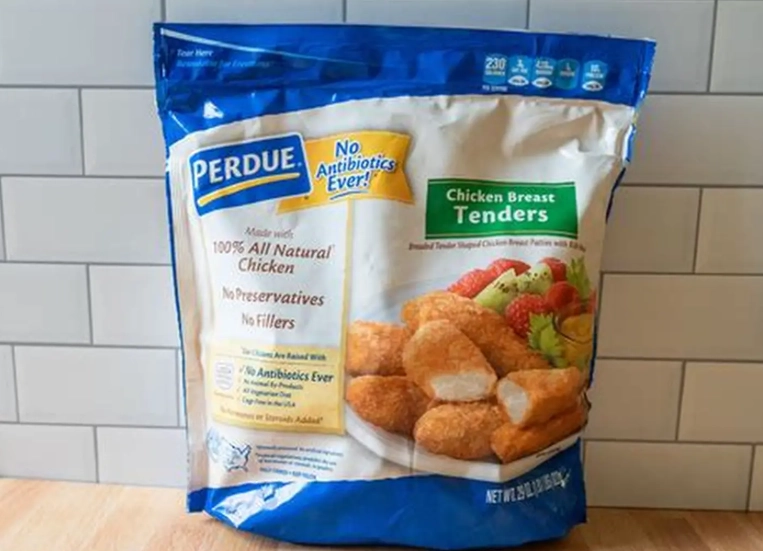
Now, go conquer that meat aisle.
Related Articles