The Perfect Temperature to Fry Chicken Wings (Crispy & Juicy)
Let's cut to the chase. The perfect temperature to fry chicken wings is between 350°F and 375°F (175°C - 190°C). Aim for 365°F (185°C) as your sweet spot. That's the magic number where the skin crisps up beautifully without burning, the fat renders properly, and the inside cooks to juicy perfection without drying out. I've ruined enough batches by guessing to know this isn't just a suggestion—it's the rule.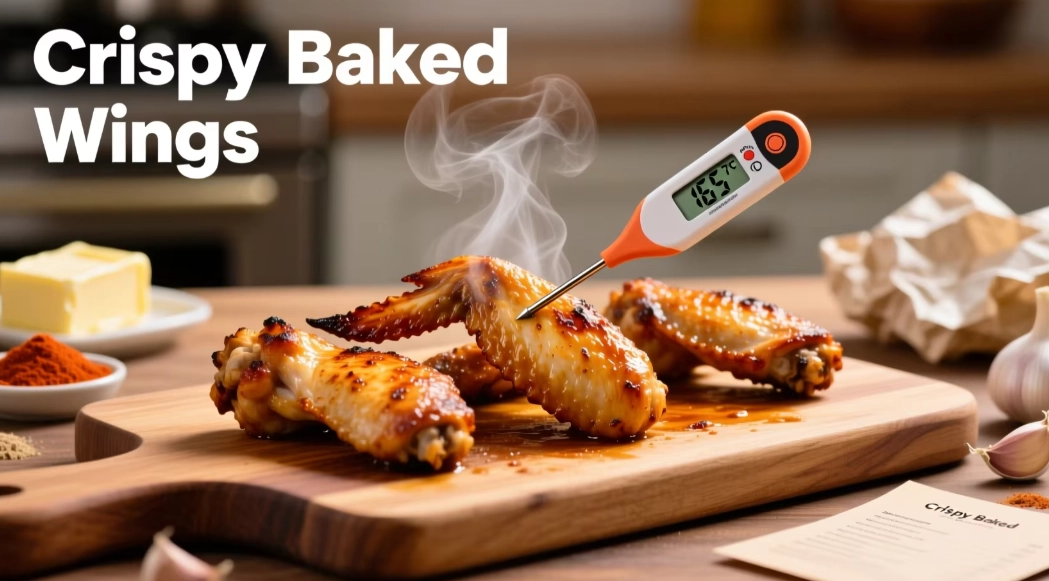
What You'll Learn Here
Why Temperature is Everything (It's Science)
Getting the temperature right isn't about following a recipe—it's about controlling a chemical reaction. When chicken hits hot oil, two crucial things need to happen in sequence.
First, the surface moisture needs to vaporize rapidly to create a seal. This prevents oil from soaking into the skin, which is what makes wings greasy. Too low a temperature (below 325°F), and the moisture leaks out slowly. The wing stews in its own juices and absorbs oil like a sponge. You get a pale, soggy, and oily mess.
Second, the Maillard reaction needs to occur. This is the complex browning process that creates hundreds of new flavor compounds and that deep golden color we love. This reaction kicks into high gear around 285°F and is most efficient in our target range. Too high (above 385°F), and the outside burns before the inside is cooked, leaving you with blackened skin and raw meat near the bone.
Pro Insight: A lot of guides tell you to fry at 350°F. That's safe, but it often takes longer, increasing the risk of drying out the meat. Pushing to 365-375°F gives you a faster, crisper fry with a more secure safety margin against oil absorption. The key is monitoring, not just setting and forgetting.
The Foolproof Step-by-Step Frying Process
Here’s my exact method, honed from years in home kitchens and learning from pitmasters. It works every single time.
1. Prep is 80% of the Battle
Pat your wings absolutely bone-dry with paper towels. Any surface water will cause violent oil splatter and hinder crisping. Season them generously at least 30 minutes before frying, or even overnight. The salt needs time to penetrate and season the meat from within, not just sit on the skin.
2. Heat the Oil Correctly
Use a heavy-bottomed pot or Dutch oven and fill it no more than halfway with oil. Attach your candy/deep-fry thermometer to the side. Heat the oil over medium-high heat to 375°F. Yes, 375°F. We're starting high because adding cold chicken will cause the temperature to plummet by 20-25 degrees, bringing us right into the ideal 350-355°F range for the main cook.
3. Fry in Batches and Manage the Temp
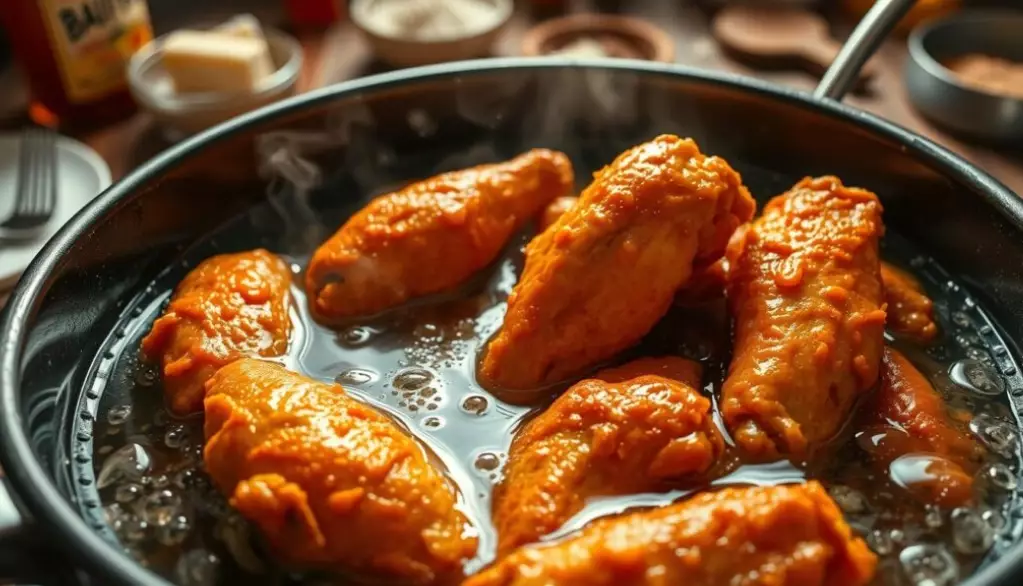
Never crowd the pot. Add wings in a single layer with plenty of space. The temperature will drop. Let it recover to between 350°F and 365°F and maintain it there. Fry for 9-12 minutes. The time varies based on wing size. They should be a deep golden brown and float freely.
4. The Double-Fry Secret (Optional but Game-Changing)
For maximum, shatteringly crisp skin that holds sauce for hours, use the double-fry method. Fry first at 325°F for 8 minutes (this cooks the interior gently). Remove, drain, and let them rest for at least 15 minutes. Then fry again at 375°F for 2-3 minutes until super crispy. This is the method used by the best Korean fried chicken joints.
The 3 Biggest Mistakes Everyone Makes
- Guessing the Temperature: Your eyes lie. Without a thermometer, you're flying blind. A $15 digital thermometer is the best investment you'll make.
- Adding Wet Wings to the Oil: This is the #1 cause of greasy results and dangerous splatters. Dry them like your dinner depends on it.
- Overcrowding the Pot: Dumping all the wings in at once crashes the oil temperature and steams the wings. Fry in small batches. Patience is a crispy virtue.
Choosing Your Oil and Equipment
Not all oils are created equal. You need one with a high smoke point and neutral flavor.
| Oil Type | Smoke Point | Best For | Notes |
|---|---|---|---|
| Peanut Oil | 450°F | Classic, perfect for frying | Neutral taste, high smoke point, my top choice. |
| Vegetable/Canola Oil | 400-450°F | Economical, all-purpose | Widely available, works very well. |
| Avocado Oil | 520°F | High-heat health-conscious frying | Expensive, but very stable and healthy. |
| Shortening | 360-410°F | Old-school crispiness | Can leave a waxy mouthfeel, not my favorite. |
Equipment Checklist: A heavy Dutch oven (holds heat steady), a reliable instant-read or candy thermometer (I trust Thermoworks or Lavatools), a wire rack for draining (not paper towels—they steam the bottom), and a spider strainer or tongs.
The Air Fryer Shortcut (And Its Limits)
Yes, you can "fry" wings in an air fryer. It's a great tool for a lighter, less messy result. But it's not deep frying. The texture is different—more like a very crispy roasted wing.
Air Fryer Method: Pat wings dry, toss with a little oil (1 tbsp for 2 lbs). Cook at 380°F - 400°F for 22-28 minutes, flipping halfway. The higher heat is crucial to mimic frying and render fat. They won't be as uniformly crispy or juicy as deep-fried, but for a weeknight fix with 90% less oil, it's fantastic.
Don't believe recipes that say air fryer wings are identical. They're a great alternative, but the deep fryer's intense, immediate heat and full oil immersion create a unique texture and flavor that convection hot air can't fully replicate. It's okay to prefer one over the other for different situations.
Seasoning and Saucing Like a Pro
The perfect fry deserves perfect flavor. After drying the wings, toss them in a dry rub. My base is 2 parts kosher salt, 1 part black pepper, 1 part garlic powder, and 1 part baking powder (yes, baking powder—it raises the skin's pH for better browning). Let them sit on a rack in the fridge, uncovered, for a few hours. This dries the skin even more (a "dry brine").
For saucing, the cardinal rule: Sauce hot wings with hot sauce, immediately before serving. Toss the freshly fried, hot wings in a bowl with your sauce. The heat helps the sauce cling and set. If you sauce them too early or let them sit, the steam from the wings will soften that perfect crust. For dry-rubbed wings, toss them in the seasoning right after they come out of the fryer and drain.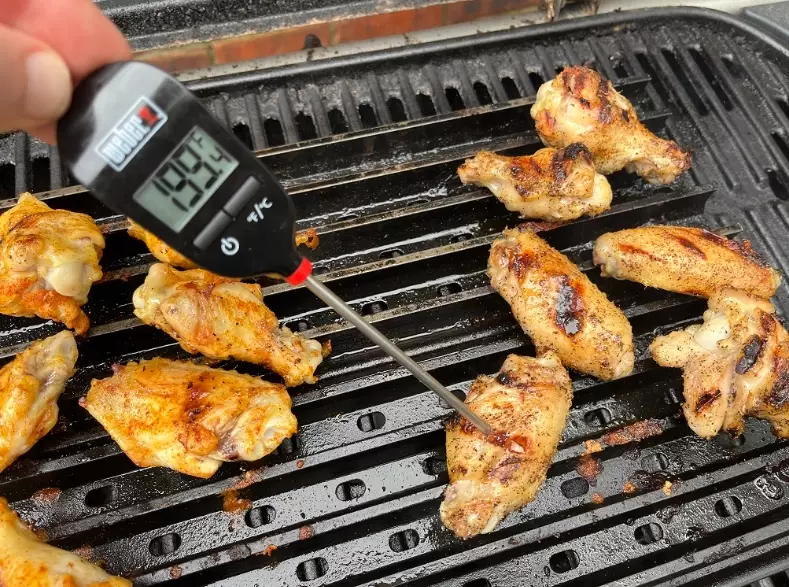
Your Burning Questions, Answered
 Can I reuse the oil after frying chicken wings?
Related Articles