How Long to Cook a Whole Chicken: Ultimate Guide & Timings
Let's cut straight to the chase. The most common answer you'll find online—"20 minutes per pound"—is a recipe for disappointment. It's vague, often wrong, and ignores the real factors that determine doneness: your oven's accuracy, whether the bird is stuffed, and, most importantly, the internal temperature. After roasting hundreds of chickens, I've learned that time is just a guideline. The thermometer is the law.
What You'll Learn in This Guide
Why "Minutes Per Pound" Is a Terrible Way to Cook Chicken
Think about it. Your 4-pound chicken and my 4-pound chicken could be vastly different. One might be a plump, air-chilled bird with a wide cavity. The other might be a compact, water-chilled one. They won't cook at the same rate. Ovens are liars, too. Your 375°F might be my 350°F. Relying solely on time means you're guessing.
The single biggest mistake home cooks make is pulling the chicken out when a pop-up timer pops or a clock dings, without verifying the temperature in the right spots. The thigh joint is the last place to get hot. If it's not at 165°F, you're risking foodborne illness. If the breast has been sitting at 180°F waiting for the thighs to catch up, it's already turned to sawdust.
The Definitive Whole Chicken Cooking Time Chart
Use this table as your starting point, not your finish line. These times are for a chicken brought to room temperature for 30 minutes, trussed, and placed in a preheated oven. Stuffed chickens need 15-30 minutes longer—but again, check the temp of the stuffing itself!
| Chicken Weight | Oven Temperature | Approximate Time (Unstuffed) | Key Internal Temp |
|---|---|---|---|
| 3 lbs (1.4 kg) | 375°F (190°C) | 1 hr – 1 hr 15 min | 165°F in thigh |
| 4 lbs (1.8 kg) | 375°F (190°C) | 1 hr 20 min – 1 hr 30 min | 165°F in thigh |
| 5 lbs (2.3 kg) | 375°F (190°C) | 1 hr 45 min – 2 hrs | 165°F in thigh |
| 6 lbs (2.7 kg) | 350°F (175°C) | 2 hrs – 2 hrs 15 min | 165°F in thigh |
See how the 6-pound bird drops in oven temperature? That's to prevent the skin from burning before the interior is done. A lower, slower roast is better for larger birds.
The Foolproof 7-Step Roasting Process
1. Preparation is Everything
Take the chicken out of the fridge 30-45 minutes before cooking. Pat it bone-dry with paper towels, inside and out. This is the secret to crispy skin. Moisture is the enemy of crispness. Season the cavity generously with salt and pepper. If using herbs or lemon, stuff them in now.
2. Seasoning and Trussing
Rub the entire exterior with a high-smoke-point oil (like avocado or canola), not olive oil, which can burn. Season aggressively with salt and pepper—get it under the skin on the breasts if you can. Truss the legs with kitchen twine. It's not just for looks; it helps the bird cook evenly.
3. The Roast
Place the chicken breast-side down on a rack in a roasting pan. This feels wrong to most people, but it lets the fat from the back and thighs baste the breast meat, keeping it juicy. Roast for about two-thirds of the estimated time in this position.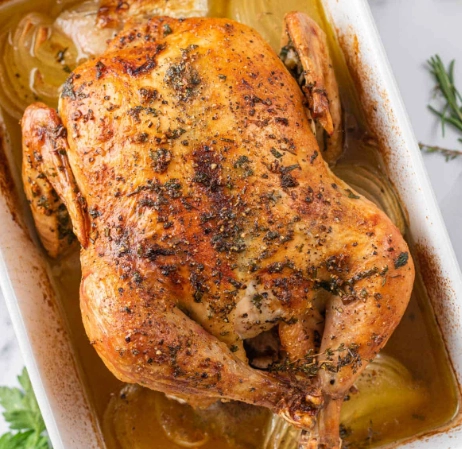
4. The Flip and Finish
Carefully flip the chicken breast-side up. This takes courage but use sturdy tongs and a spoon for support. This final period crisps the breast skin to a golden brown. If the skin is browning too fast, tent loosely with foil.
5. The Temperature Check
When the time is close, start checking. Insert your thermometer into the thickest part of the thigh. If it reads 165°F, check the breast (160°F). If it's stuffed, the stuffing center must also be 165°F.
6. The Non-Negotiable Rest
Transfer the chicken to a cutting board and let it rest for 15-20 minutes. Tent it loosely with foil. This allows the frantic juices to redistribute. If you cut immediately, all those juices will flood the board, leaving you with dry meat.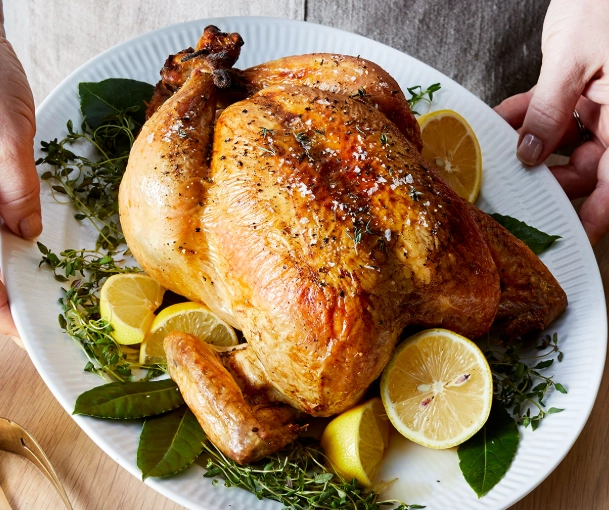
7. Carving and Serving
While it rests, make a quick pan gravy with the drippings. Carve by removing the legs and wings first, then slicing the breast meat against the grain.
Pro Tips From a Decade of Trial and Error
Most guides stop at the basics. Here's what they miss.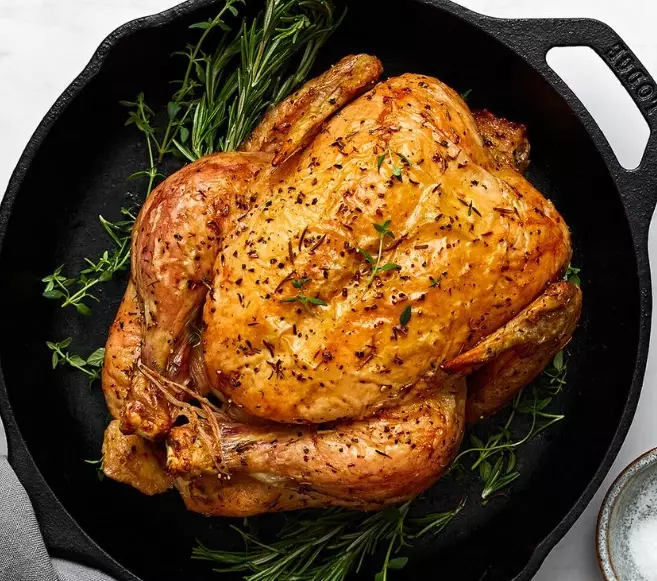
Dry-Brine Overnight: The day before, salt the chicken heavily inside and out, then leave it uncovered on a rack in your fridge. This seasons the meat deeply and dries the skin for ultimate crackle.
The Blast-Heat Finish: If the skin isn't crispy enough after hitting temp, crank the oven to 450°F for 5-7 minutes. Watch it like a hawk.
Butter Under the Skin is Overrated. It often just melts out. For more flavor, mix softened butter with herbs and smear it under the breast skin, but don't expect it to keep things juicier than proper temperature control and resting.
Use the Drippings. Don't discard that golden fat in the pan. Pour off excess fat, deglaze with a splash of white wine or broth, scrape up the browned bits (fond), and simmer for a two-minute gravy. It's flavor gold.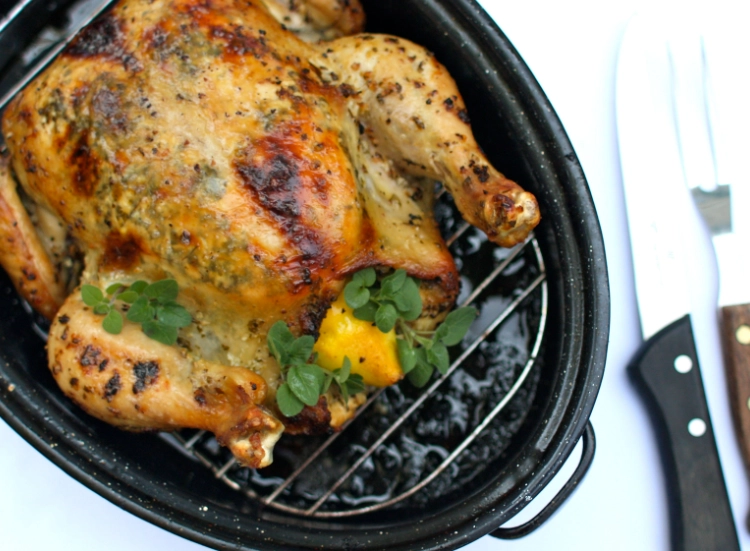
Answers to Your Burning Questions
So, throw out the old "20 minutes per pound" mantra. Arm yourself with a good thermometer, trust the process of temperature and rest, and don't be afraid to cook breast-down. You're not just cooking a chicken; you're guaranteeing a juicy, flavorful, and impressive centerpiece every single time.
Related Articles