Does Chicken Have Gluten? Your Complete Safety and Buying Guide
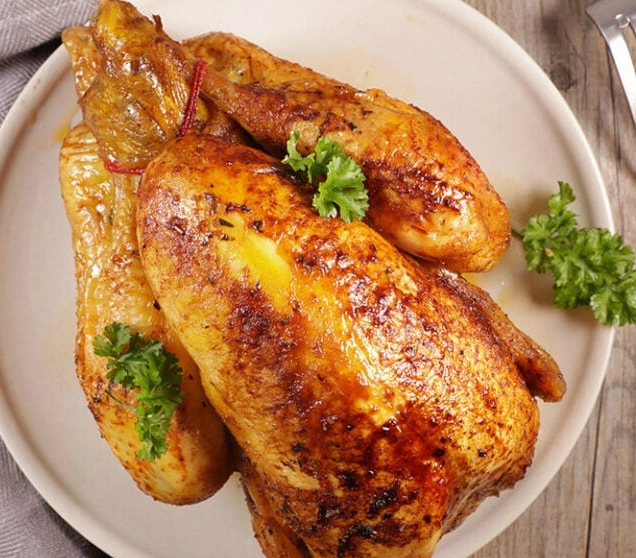
Let's cut straight to the point. A plain, unadulterated chicken breast, thigh, or wing, straight from the bird, contains zero gluten. Gluten is a protein found in wheat, barley, rye, and their derivatives. Chicken is an animal protein. So, in its natural state, chicken is as gluten-free as it gets.
But here's the catch that trips up so many people, especially those new to a gluten-free diet for celiac disease or sensitivity: the chicken itself is rarely the problem. The problem is everything we do to it. The marinades, the coatings, the seasonings, the sauces, and the shared cooking surfaces. Asking "does chicken contain gluten?" is really asking about the entire journey from the farm to your fork. That's where the real risks hide, and that's what we're going to unpack.
Quick Navigation
The Straight Answer: Plain Chicken is Naturally Gluten-Free
Think about what chicken is: muscle, fat, bone, and skin. None of those contain wheat, barley, or rye. Organizations like the U.S. Department of Agriculture (USDA) and the Food and Drug Administration (FDA) classify single-ingredient, whole cuts of meat, poultry, and fish as inherently gluten-free. You don't need a special label to tell you that.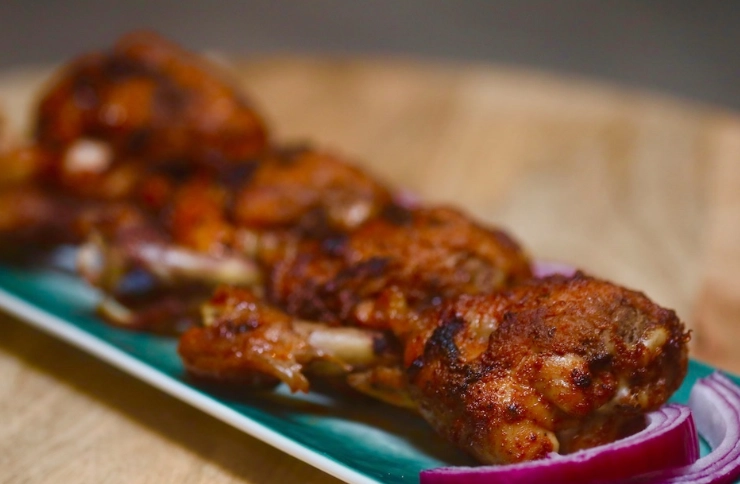
This is the foundational truth. If you're cooking a whole chicken or plain cuts at home from scratch, and you control every ingredient that touches it, you're on solid ground.
But this ideal scenario is not how most of us consume chicken. We buy pre-packaged, pre-seasoned, or ready-to-eat products. We order from restaurants. This is where the simple question gets complicated.
Where Gluten Hides: The Real Danger Isn't the Chicken
Gluten is a master of disguise. It's used as a binder, a thickener, a flavor enhancer, and a texturizer. When it comes to chicken, here are the top culprits you need to be vigilant about.
Marinades, Brines, and Pre-Seasonings
This is the number one hidden source. That "herb and garlic" or "lemon pepper" flavored chicken breast in the supermarket tray? The marinade often contains soy sauce (which is traditionally made with wheat), hydrolyzed wheat protein, or malt vinegar. Brines can include malt-based ingredients for color and flavor.
My personal rule after a decade of gluten-free living: I never, ever buy pre-marinated chicken unless it has a certified gluten-free label. It's just not worth the gamble. The flavoring is never as good as what I can make at home with safe ingredients anyway.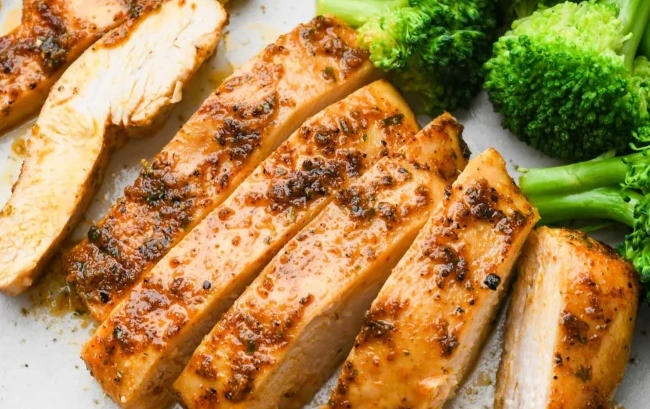
Coatings and Breading
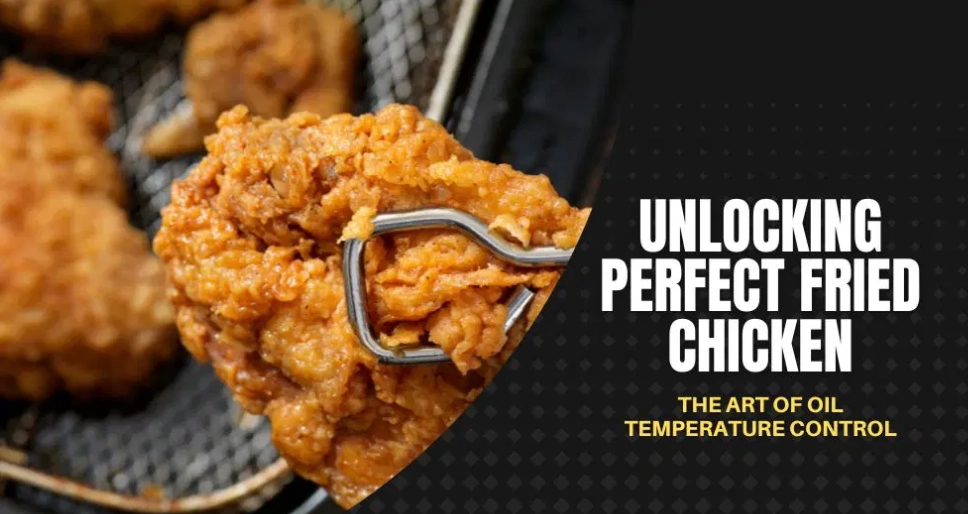
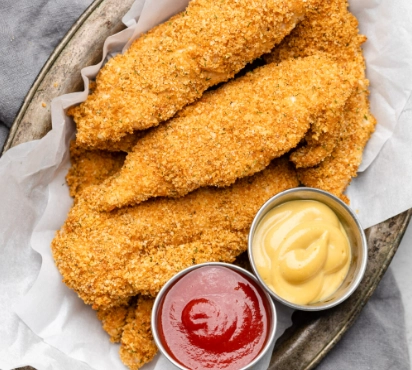
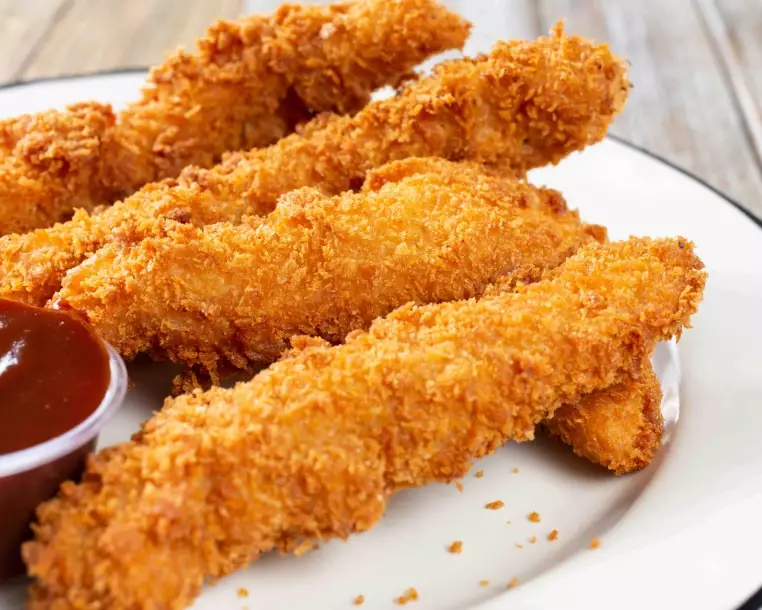
The most obvious one. Fried chicken, chicken nuggets, chicken patties, chicken katsu, schnitzel—these are almost always coated in wheat flour or breadcrumbs. Even "oven-baked" or "crispy" coatings typically use wheat. The safe alternatives are coatings made from cornmeal, certified gluten-free oats, rice flour, or almond flour.
Sauces and Gravies
This is a huge one for restaurant dishes. Chicken Marsala, Chicken Cordon Bleu, Chicken in a cream sauce, or even a simple gravy on roasted chicken often use wheat flour as a thickening agent. Soy sauce-based sauces like teriyaki are almost always a red flag.
Shared Cooking Equipment (Cross-Contamination)
This is the silent threat. It doesn't matter if you order a plain grilled chicken breast if it's cooked on the same grill as flour-dusted buns or breaded chicken cutlets. The same goes for fryers. If the restaurant uses one fryer for French fries (potentially safe) and breaded mozzarella sticks (definitely not safe), the oil becomes contaminated.
Cross-contamination happens at home too. Using the same cutting board, knife, or colander for gluten-containing pasta and then for your chicken salad without a thorough wash in between can cause a reaction.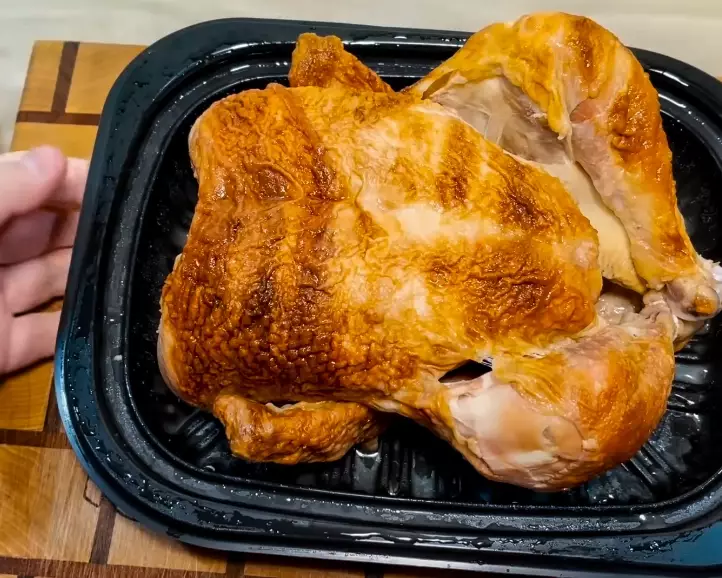
| Chicken Product/Presentation | Primary Gluten Risk | How to Check |
|---|---|---|
| Plain Raw Chicken Breast | Virtually None (if plain) | Check for "contains wheat" allergen statement. Inspect for added broth or solutions. |
| Pre-Marinated Chicken | High (Soy sauce, seasonings) | Look for Certified GF label. Scrutinize ingredient list for wheat, barley, rye, malt. |
| Rotisserie Chicken | Moderate to High | Ask if seasoning/rub contains gluten. Many chains use wheat in their spice blends. |
| Chicken Broth/Stock | Moderate | Some use wheat as a flavor carrier or thickener. Choose brands labeled gluten-free. |
| Breaded/Fried Chicken | Extremely High | Assume it contains gluten unless explicitly stated otherwise and fried in a dedicated fryer. |
| Canned Chicken | Low (but possible) | Usually just chicken and water/salt, but check for modified food starch or other additives. |
A crucial distinction: "Wheat-free" does not mean "gluten-free." A product can be free of wheat but still contain barley (malt) or rye. For those with celiac disease or a severe sensitivity, only the term "gluten-free" as defined by the FDA (less than 20 parts per million of gluten) is a reliable safeguard.
How to Buy and Cook 100% Gluten-Free Chicken
Taking control in your own kitchen is the safest strategy. Here's a step-by-step approach.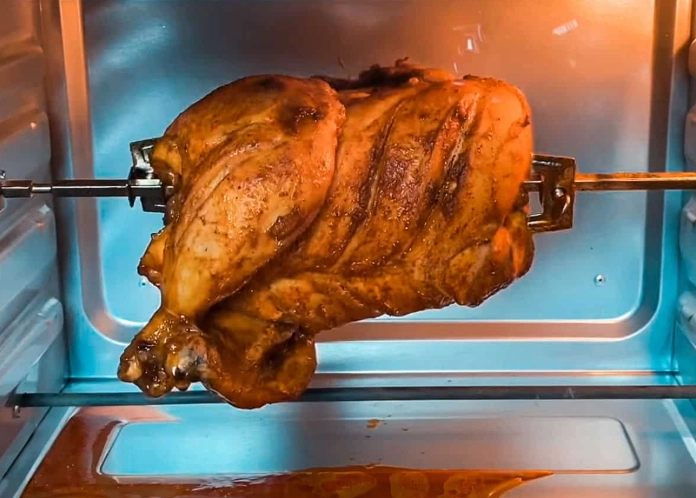
At the Grocery Store
Stick to the perimeter. Go for plain, fresh cuts or frozen plain cuts. Read the label on everything, even on plain chicken. Some brands inject chicken with a broth or saline solution to retain moisture. That broth can contain gluten. The label must list all ingredients, and allergens like wheat must be declared.
I have a go-to brand for frozen chicken that clearly states "100% natural chicken, no additives" on the front. It's a little more expensive, but the peace of mind is worth it.
In Your Kitchen: The Cross-Contamination Clean-Up
Designate tools if you share a kitchen with gluten-eaters. A specific colander for gluten-free pasta, a specific cutting board, and even separate condiments (like butter or mayo) to avoid crumbs from knives. Clean surfaces thoroughly before preparing your gluten-free meal.
When marinating, make your own. Use tamari (a wheat-free soy sauce), fresh herbs, garlic, olive oil, and citrus. It's simpler, cheaper, and you know exactly what's in it.
Dining Out with Confidence: A Celiac's Guide to Chicken Dishes
This is the hardest part. You have to become a polite but firm investigator.
**Don't just ask, "Is the grilled chicken gluten-free?"** That's a yes/no question that often gets a rushed "yes" from a server who doesn't understand cross-contamination. You need to ask specific, process-oriented questions.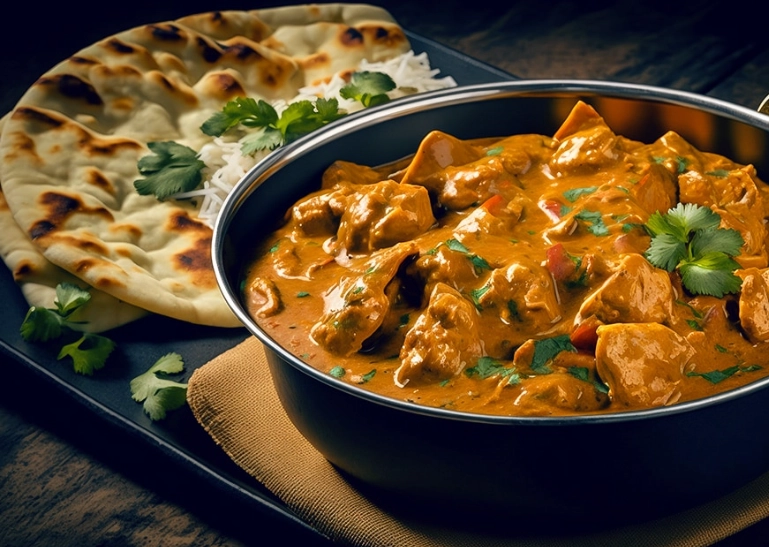
Here's my script:
"I have a serious wheat/gluten allergy. I'm interested in the plain grilled chicken. Can you please check with the kitchen on a few things? Is the chicken marinated or seasoned with anything containing soy sauce, wheat, or malt? Is it cooked on a separate, clean grill or surface away from any breaded items? And are any sauces or sides that come with it gluten-free?"
This communicates the severity and asks the kitchen to think about their process. If the server seems unsure or the answer is vague, I'll often choose a different, simpler dish or even a different restaurant. The Celiac Disease Foundation offers great resources for dining out safely.
Some cuisines are naturally higher risk. Avoid Chinese (soy sauce), Japanese tempura, and most fried chicken places unless they have a dedicated gluten-free protocol. Grilled chicken at a steakhouse or a simple roasted chicken at a farm-to-table restaurant can be safer bets.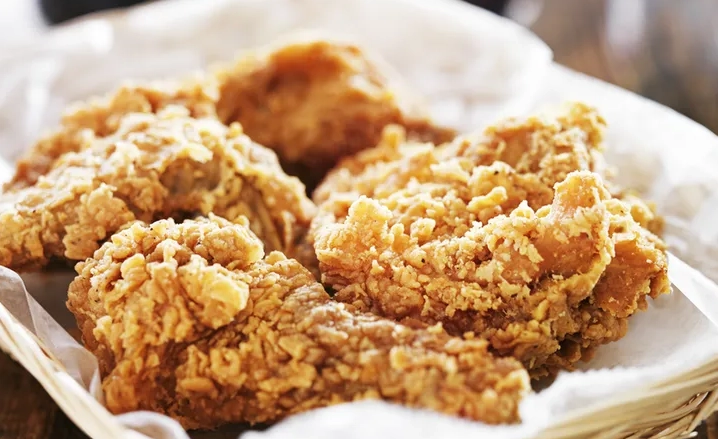
Gluten-Free Chicken FAQ: Expert Answers to Your Tricky Questions
Related Articles