Why Was Perdue Chicken Recalled? A Complete Breakdown of Reasons & Safety
Quick Navigation
So you're standing in your kitchen, maybe you just got back from the store, and you see a news alert or a post online that makes you stop cold: Perdue chicken recalled. Your mind starts racing. Is the pack in your fridge part of it? What's wrong with it? Is it dangerous? And the big one – why was Perdue chicken recalled this time?
It's a scary feeling, honestly. You're trying to feed your family something you think is safe, and then boom, a recall notice. I've been there, staring at a package of chicken nuggets wondering if I should just toss the whole thing. The problem is, the news headlines often just give you the bare minimum – "Perdue Recalls Chicken for Possible Contamination." That's not enough. It doesn't tell you what you really need to know.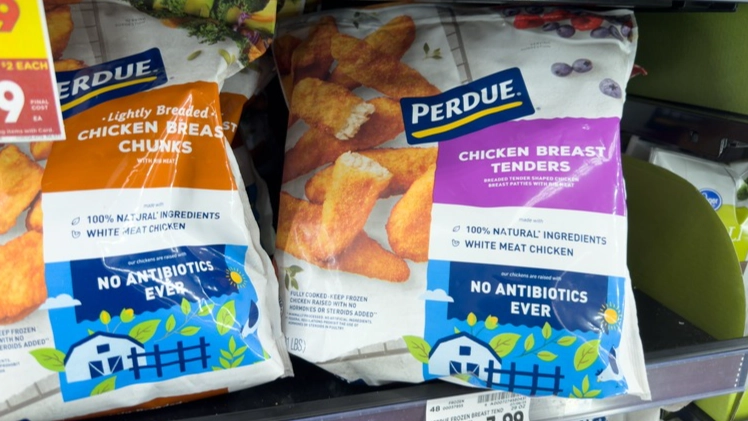
Let's fix that. This isn't just a quick list. We're going to dig into every major reason why Perdue chicken has been recalled over the years. We'll look at the specific pathogens, the scary foreign objects, the labeling mess-ups, and what it all means for you. My goal here is to give you the complete picture, so the next time you hear about a Perdue recall, you won't be left guessing. You'll know exactly what the risks are and what to do.
The Core Reasons: Breaking Down the "Why" Behind the Recalls
When you ask why was Perdue chicken recalled, the answer isn't just one thing. It's a handful of recurring food safety nightmares that have popped up over time. Understanding these reasons is key to understanding the risk.
1. The Invisible Killer: Listeria monocytogenes
This is probably the most serious answer to why Perdue chicken gets recalled. Listeria is a nasty bacterium. For most healthy adults, it might just cause a bad flu-like illness. But for pregnant women, newborns, the elderly, and people with weakened immune systems, it can be life-threatening, causing meningitis or even miscarriage.
The scary part? Unlike most foodborne bugs, Listeria can grow slowly even in refrigerated temperatures. So that chicken sitting in your fridge for a few days could become more dangerous over time, not less. A major recall in 2021 was a classic example. It involved ready-to-eat chicken products, like fully cooked frozen chicken strips and nuggets. The products were already cooked, so consumers might think they're safe to just heat and eat. But if Listeria got in after cooking, during packaging, that's a huge problem. The USDA's Food Safety and Inspection Service (FSIS) is the agency that usually announces these recalls, and you can find their detailed press releases on their official site. It's raw information, straight from the source.
So when you see a recall for Listeria, it's not a minor thing. It's the company and the government acting on a confirmed positive test. They're trying to get ahead of it before people get sick. Sometimes they succeed, but sadly, sometimes illnesses are reported and linked back.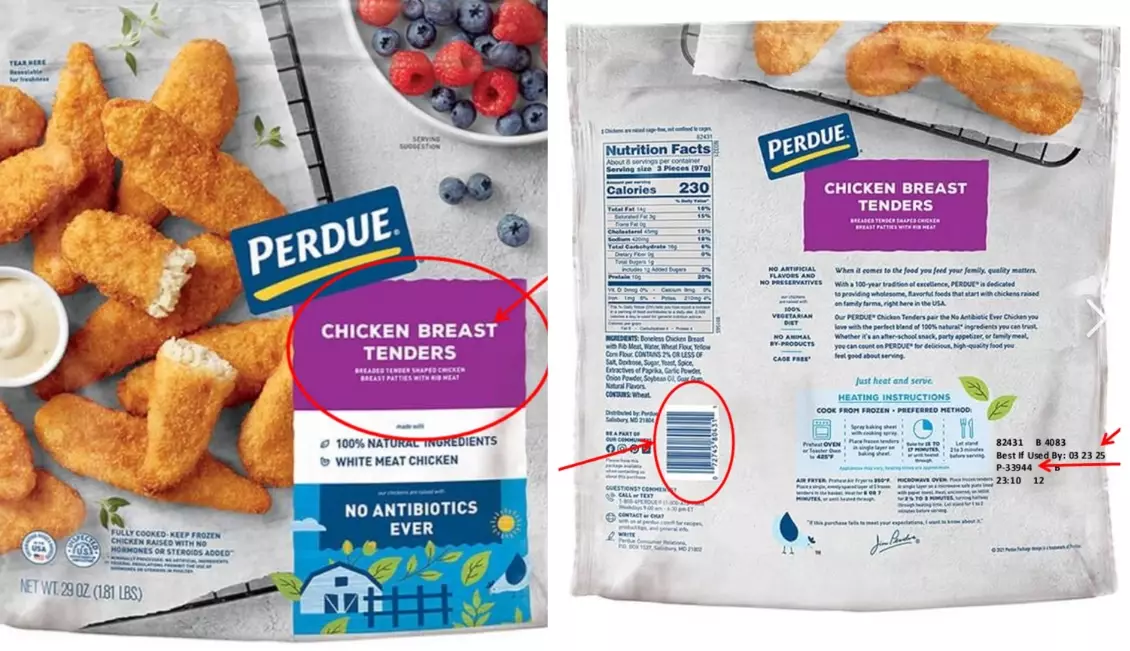
2. What's THAT Doing in My Chicken? Foreign Material Contamination
This one feels almost like a violation, doesn't it? You're not just worried about germs you can't see; you're worried about finding a piece of plastic, metal, or wood in your food. It's a physical hazard, and it's another common reason why Perdue chicken was recalled on several occasions.
Think about a large-scale chicken processing plant. You have conveyor belts, cutting machines, packaging equipment, hard plastic containers. A piece can break off. A worker's glove can tear. It happens. The issue is when the company's safety checks – like metal detectors or visual inspections – fail to catch it.
I remember a specific recall for Perdue's gluten-free chicken nuggets because of possible plastic contamination. Consumers reported finding hard, clear pieces of plastic in the product. Now, biting down on a sharp piece of plastic isn't just disgusting; it's a genuine choking hazard and can cause cuts or dental damage. For parents heating up nuggets for their kids, this is an absolute nightmare scenario.
These recalls are usually initiated by consumer complaints. Someone finds something, reports it, the company investigates, and if they confirm it, they have to pull the product. It points to a breakdown in the production line's quality control at a specific moment in time.
3. The Silent Threat: Undeclared Allergens
This reason might not sound as dramatic as Listeria, but for someone with a severe food allergy, a mislabeled package is just as dangerous. The most common one for Perdue has been undeclared milk.
How does this happen? Often, it's a cross-contact or a labeling error. Maybe a batch of chicken that was supposed to be marinated in a plain solution accidentally got pumped with a solution containing milk powder or whey. Maybe the wrong label was put on the package – a "gluten-free, dairy-free" label goes on a box that contains a milk-based product.
For someone who is severely allergic to milk, consuming even a trace amount can trigger anaphylaxis, a rapid and potentially fatal reaction. So when you see a recall because the label doesn't list milk (or soy, or wheat), it's a serious public health alert. It means the product is fundamentally misrepresented. You can't rely on the ingredient list to keep you safe.
These three reasons – pathogen contamination, foreign materials, and undeclared allergens – cover the vast majority of cases when people ask why was Perdue chicken recalled. But to really see the pattern, it helps to look at a timeline.
A Look Back: Notable Perdue Chicken Recall Events
Let's put some dates and details to these reasons. This table isn't meant to scare you, but to show you the history and scope. It's compiled from public FSIS and FDA recall announcements.
| Year | Products Involved | Reason for Recall | Scope & Impact |
|---|---|---|---|
| 2021 | Fully cooked ready-to-eat chicken products (strips, nuggets, etc.) sold under Perdue, Great Value, and other brands. | Potential contamination with Listeria monocytogenes. | Massive recall affecting millions of pounds of product nationwide. This is a key case study for understanding large-scale pathogen risks. |
| 2020 | Perdue Simply Smart Organics Gluten Free Breaded Chicken Chunks. | Possible presence of extraneous material (specifically, clear flexible plastic). | A targeted recall highlighting foreign material risks in processed, breaded products. |
| 2019 | Perdue Harvestland Organic Grilled Chicken Bites. | Undeclared milk allergen. The product contained milk not listed on the label. | A classic example of an allergen-based recall, posing a high risk to those with milk allergies. |
| 2018 | Perdue Fun Shapes Chicken Breast Patties (dinosaur shapes). | Possible contamination with Salmonella. | Shows that recalls can affect products specifically marketed to children, which is particularly alarming for parents. |
| 2017 | Various raw, frozen chicken products. | Undeclared milk and soy allergens due to a misformulated marinade. | Demonstrates how a single error (wrong marinade) can lead to a broad recall across multiple product lines. |
Looking at this, a pattern emerges. Ready-to-eat items face Listeria risks. Breaded and processed items are vulnerable to foreign material. And allergen issues pop up repeatedly, especially with milk. This history is crucial context for the next question.
What Happens During a Recall? The Process from Discovery to Your Fridge
Okay, so we know why Perdue chicken gets recalled. But what actually triggers the process? And what does Perdue do about it? Let's pull back the curtain.
It usually starts in one of a few ways:
- Routine Testing: The company or FSIS inspectors test a sample from a production lot and get a positive hit for a pathogen like Listeria or Salmonella.
- Consumer Complaint: This is huge. A customer calls or emails saying they found plastic, got sick, or had an allergic reaction. Companies have to take these seriously and investigate.
- Supplier Notification: A company that supplies an ingredient (like a seasoning blend with milk powder) might alert Perdue that a batch was mis-shipped or mislabeled.
Once Perdue confirms there's a problem, they are legally required to notify the FSIS (for meat/poultry) or FDA (for some ready-to-eat items with more complex ingredients). Together, they classify the recall. A Class I recall is the most serious – there's a reasonable probability that eating the food will cause serious health problems or death. That's where Listeria and major allergens land. A Class II recall is for a remote chance of adverse health consequences, and Class III is unlikely to cause any ill effect.
Then comes the public notice. Perdue issues a press release. The FSIS posts a detailed recall notice on their website with product codes, dates, and photos. Retailers are contacted and told to pull the product from shelves.
Here's my personal take on this part: the communication to consumers is often where companies stumble. The press releases can be dense with lot codes and establishment numbers. If you're not savvy about where to find the tiny print on your package, it's easy to be confused. I wish they'd make it simpler – clearer visuals, simpler language. Sometimes it feels like they're more worried about legal liability than making sure my grandma can understand if her chicken is safe.
How to Check YOUR Chicken: A Step-by-Step Guide
This is the most practical information you need. When a recall hits, don't panic. Just follow these steps.
- Don't Open or Eat It: If you suspect your product is part of the recall, stop. Don't taste it to see if it's okay. Don't feed it to your pet.
- Find the Details: Go to the official FSIS Recalls and Public Health Alerts page. Find the specific Perdue recall notice. It will have the clearest, most authoritative information.
- Match the Product: Check your package against the notice. You need to match FOUR things:
- Product Name: Exactly as listed (e.g., "PERDUE Simply Smart Organics Gluten Free Breaded Chicken Chunks").
- Package Size: (e.g., "10-oz. box").
- "Use By," "Best By," or Sell-By Date: This is crucial. It's usually stamped on the side or end of the package.
- Establishment Number: This is the code inside the USDA mark of inspection. It will look like "P-33944" or similar. The recall notice will specify which number is affected.
- What to Do with the Chicken: If it's a match, you have two options:
- Return it: Take it back to the store for a full refund. You usually don't need a receipt for recalled items.
- Dispose of it Safely: If you can't return it, throw it away. Make sure it's in a sealed bag so animals or others can't get to it. Clean your hands, counters, and fridge shelves that touched the package with hot, soapy water.
Moving Forward: How to Protect Yourself and Your Family
Knowing why Perdue chicken was recalled is about more than just understanding the past. It's about making smarter choices now. You can't control what happens at the plant, but you can control what happens in your home.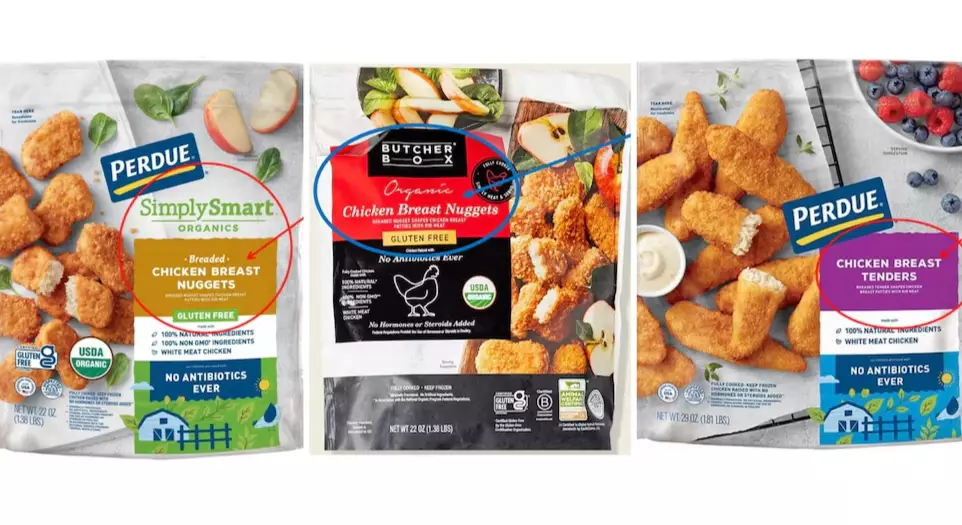
Safe Handling is Non-Negotiable
This is the most powerful tool you have, especially for raw chicken.
- Separate: Use separate cutting boards and utensils for raw chicken. Never let raw chicken or its juices touch ready-to-eat foods like salads or fruit.
- Cook Thoroughly: Use a food thermometer. Chicken must be cooked to an internal temperature of 165°F (74°C) to kill dangerous bacteria like Salmonella and Campylobacter. Color is not a reliable indicator.
- Chill Promptly: Refrigerate or freeze raw chicken within 2 hours of purchasing (1 hour if it's above 90°F outside). Don't thaw chicken on the counter; thaw it in the fridge, in cold water, or in the microwave.
A Thought on Alternatives and Brand Trust
After going through all this, you might be wondering if you should just switch brands forever. Look, no major brand is immune. Recalls are a fact of life in our centralized food system. The real measure of a company isn't whether they ever have a recall—it's how they handle it.
Do they act quickly and transparently? Do they communicate clearly with consumers, or do they hide behind jargon? Do they seem to learn from the incident and invest in better prevention? That's what I look for. Personally, I've been frustrated by the complexity of some recall notices from Perdue and others. It shouldn't be a puzzle to figure out if your food is safe.
Some people choose to move towards smaller, local producers where they can learn about the processing directly, or to spend more on brands that have stronger third-party animal welfare and safety certifications. It's a personal choice based on your budget and risk tolerance.
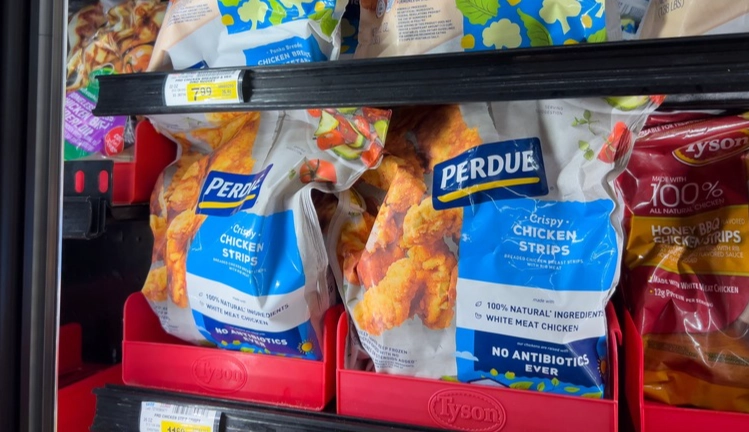
So, the next time you see that headline, "Perdue Chicken Recalled," you won't just feel a spike of anxiety. You'll know the likely reasons why Perdue chicken was recalled – Listeria, plastic, undeclared milk. You'll know it's part of a larger, ongoing challenge in food safety. Most importantly, you'll know exactly where to go for the official information and exactly what to do with the package in your kitchen. That's power. That's turning a scary moment into a manageable one. And that's the goal here.
Keep that FSIS recalls page bookmarked. Handle your chicken with care. And here's hoping your next meal is safe and delicious.
Related Articles