The Ultimate Guide to Safely Defrosting Chicken in the Refrigerator
Let's be honest. You've probably stood in front of your fridge, holding a rock-solid pack of chicken, wondering if it's safe to cook yet. The package says "thaw in refrigerator," but it's frustratingly silent on the how long part. Is it 12 hours? A full day? Two days? That ambiguity is where kitchen anxiety—and sometimes, foodborne illness—starts. I've been cooking professionally and at home for over a decade, and I've seen all the mistakes. The goal here isn't just to give you a number. It's to make you confident that when you pull that chicken out, it's not just thawed, but it's safe, high-quality, and ready for your best recipe.
What's Inside This Guide?
How Long Does It Really Take? Busting the Myths
Forget the "overnight" rule. It's too vague. The real answer depends on three things: the mass of the chicken, its shape, and your fridge's actual temperature. Most home refrigerators hover around 4°C (40°F), which is the safe zone, but older models or overstuffed fridges can be warmer.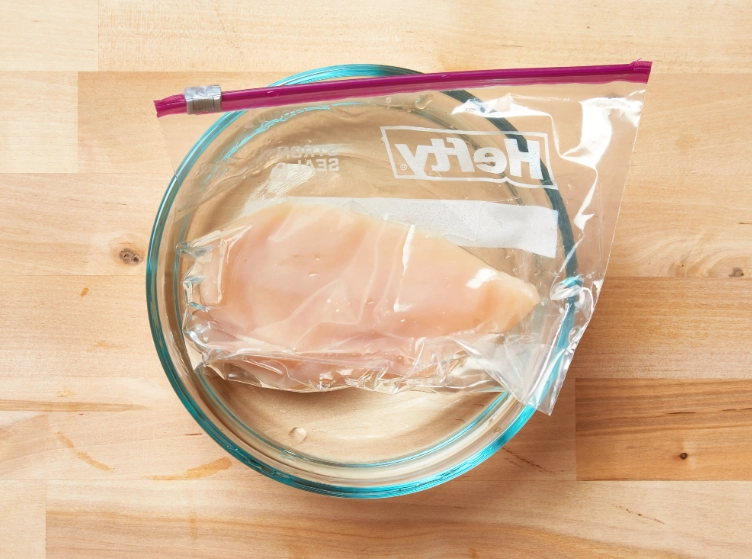
Here’s the breakdown I use and teach, based on USDA guidelines and a lot of real-world testing. This assumes your fridge is at or below 4°C (40°F).
| Type of Chicken | Approximate Weight | Estimated Thawing Time in Fridge | Key Consideration |
|---|---|---|---|
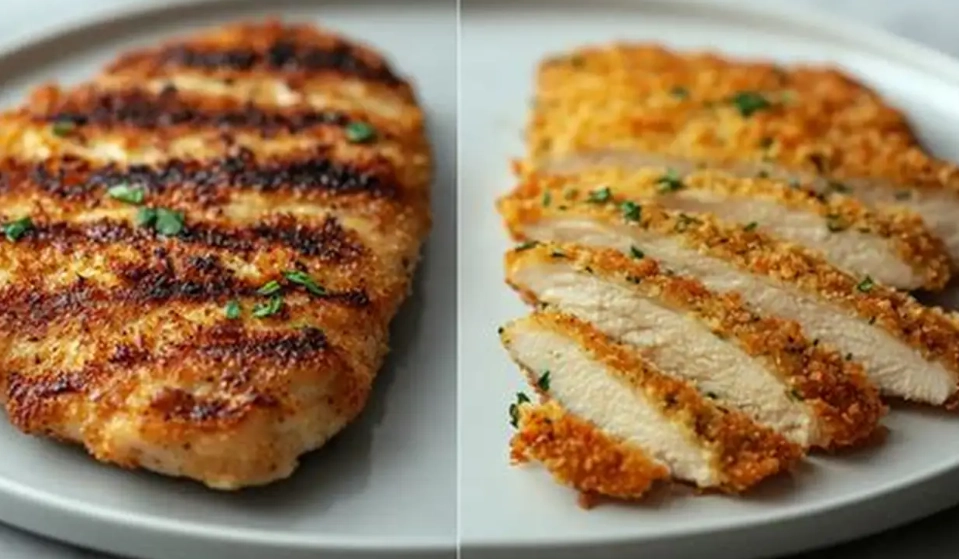
| Boneless, Skinless Breasts | 170-225g (6-8 oz) each | 6 to 12 hours | Lay them flat, not stacked, for even thawing. |
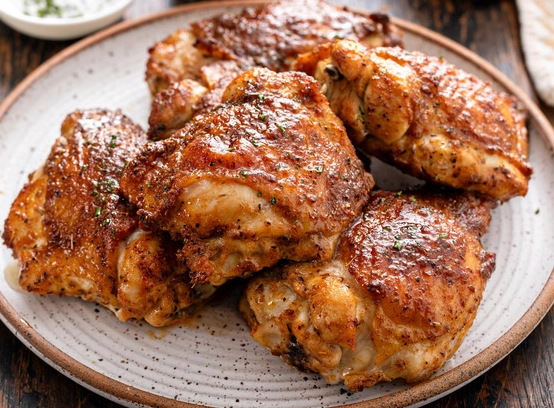
| Bone-in Chicken Pieces (thighs, drumsticks) | 225-340g (8-12 oz) each | 12 to 18 hours | Bone acts as an insulator, slowing the process. |
| Whole Chicken | 1.4 – 1.8 kg (3 – 4 lbs) | 24 to 36 hours | Place it on a tray or plate; the cavity thaws last. |
| Whole Chicken | 2.3 – 2.7 kg (5 – 6 lbs) | 48 hours or more | This is the one that catches people out. Plan ahead. |
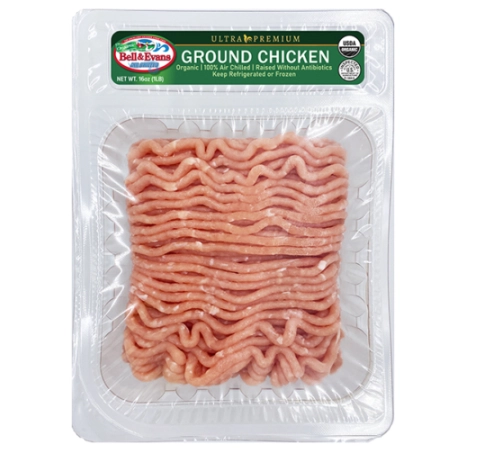
| Ground Chicken | 450g (1 lb) package | 8 to 12 hours | Its dense, compact shape takes longer than you'd think. |
See the range? A small pack of breasts might be ready by dinner if you start in the morning. A large whole chicken is a two-day project. The single most common error I see is underestimating time for larger items, leading to a partially frozen center that gets rushed with unsafe methods.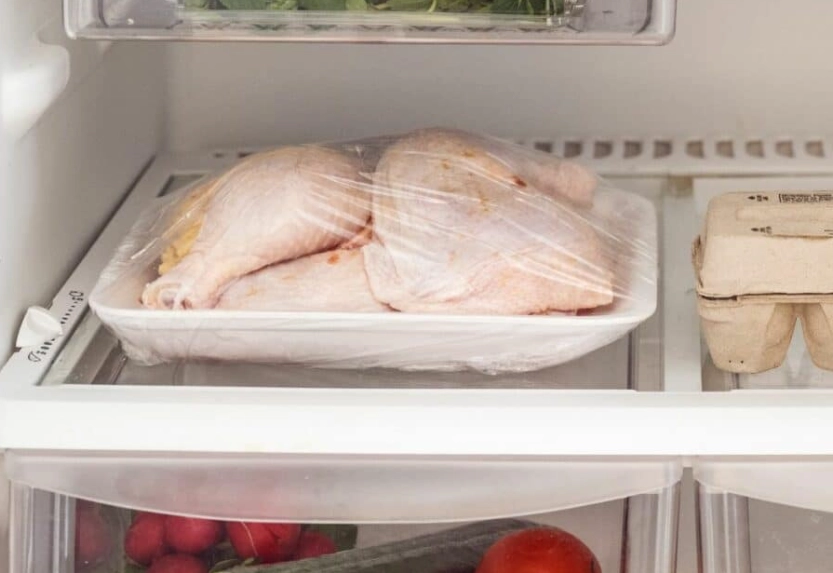
Pro Tip from the Trenches: Your fridge's coldest spot is usually at the back, on a lower shelf. That's the ideal place for thawing. Never thaw on the top shelf or in the door, as drips can contaminate other foods, and temperatures fluctuate too much.
The Foolproof, Step-by-Step Refrigerator Thawing Guide
Let's walk through it. This isn't just "put it in the fridge." A few simple steps make a world of difference in safety and quality.
1. The Setup (Before You Even Unwrap)
Grab a rimmed baking sheet, a large plate with a lip, or a shallow dish. This is non-negotiable. It catches any juices that leak, preventing cross-contamination in your fridge. Place it on a lower shelf.
2. Transfer and Isolate
Take the frozen chicken in its original packaging and place it on your prepared tray or dish. If the packaging is torn, or if it's just loosely wrapped, slip the whole thing into a zip-top bag or wrap it tightly in foil first. Now, leave it alone. Don't poke it. Don't move it around. Let the cold air of the fridge do its slow, steady work.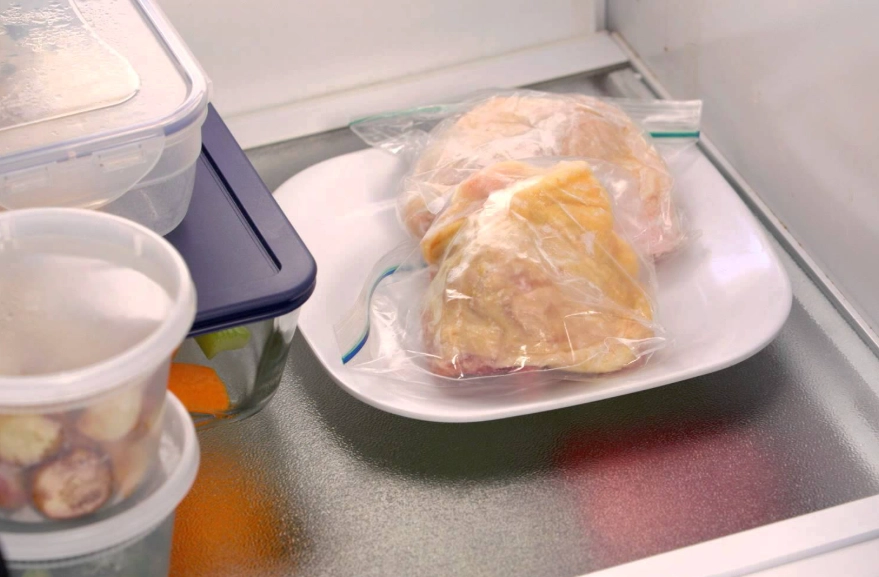
3. The "Is It Done?" Test
After the estimated time has passed, check it. Press the thickest part (for a whole chicken, check near the thigh joint) with your finger. It should feel cool but pliable, with no hard, icy spots inside. The texture should be uniformly soft. If there's any doubt, give it a few more hours. Rushing is the enemy.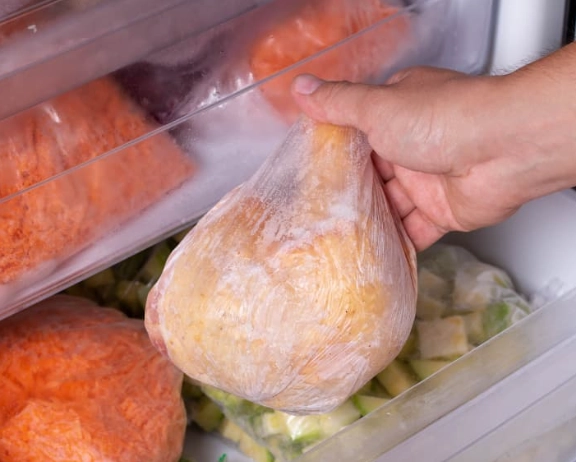
The 3 Biggest Mistakes Everyone Makes (And How to Avoid Them)
I've coached countless home cooks, and these pitfalls come up every time.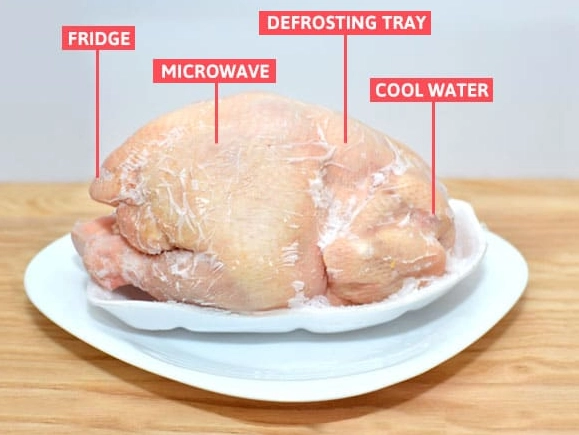
- Mistake #1: Thawing on the Counter. This is the cardinal sin. The outside enters the "danger zone" (between 4°C/40°F and 60°C/140°F) where bacteria multiply rapidly, while the inside is still frozen. The USDA is clear: perishable foods should never be thawed at room temperature. Just don't do it.
- Mistake #2: Assuming "Thawed" Means "Ready to Cook Immediately." Chicken thawed in the fridge is at a safe, cold temperature. You can actually keep it there for an extra 1-2 days before cooking. This is a gift for meal prep! It gives you a buffer. The rule is: cook or refreeze within 1-2 days of being fully thawed.
- Mistake #3: Refreezing Without a Plan. Yes, you can refreeze chicken thawed in the fridge, but there's a catch. The texture will suffer slightly as ice crystals re-form, breaking down cells. It's safe if it never entered the danger zone, but it's best reserved for dishes like soups, stews, or casseroles where texture is less critical.
Your Chicken is Thawed. Now What?
Perfectly thawed chicken is a blank canvas. You have options.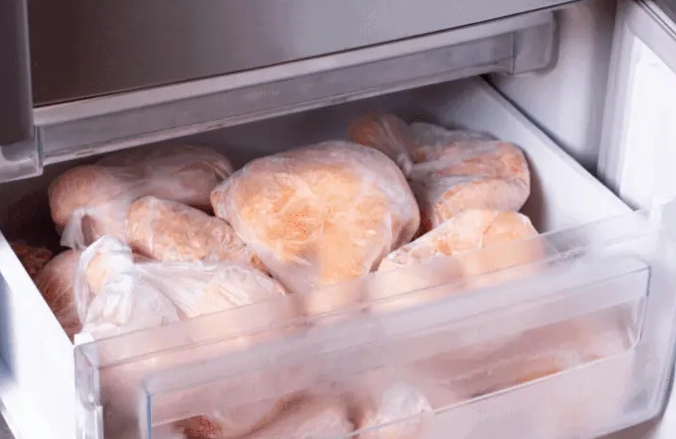
Cook it. This is the best path. Pat it dry with paper towels for better browning. Season well. Whether you're grilling, roasting, or sautéing, you're starting from an ideal point.
Marinate it. Since it's safely cold, you can marinate it right in the fridge for up to 24 hours for extra flavor penetration.
Repurpose it quickly. If life gets in the way and you need another day, you can safely leave it in the fridge. Just make sure it's covered. If you see any off-odors or slimy texture, toss it. Trust your senses.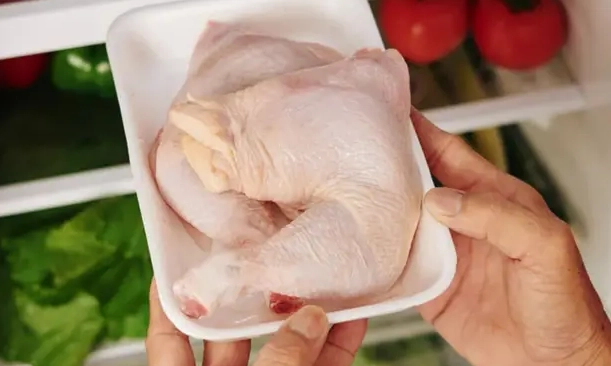
Your Burning Defrosting Questions, Answered
Can I refreeze chicken that's been thawed in the fridge?
Technically, yes, from a safety standpoint if it was thawed properly and never got above 4°C (40°F). The USDA says it's safe. However, I advise against it for premium cuts you plan to grill or pan-sear. Each freeze-thaw cycle degrades texture and moisture. If you must refreeze, do it promptly and plan to use that chicken in a cooked-and-moist application like chicken chili or pot pie filling where the texture change is masked.
My chicken has been in the fridge thawing for two days and still feels a bit icy in the middle. Is it safe?
It's likely still safe, as the outside has been kept cold. The issue is uneven thawing, often caused by a too-cold fridge spot or poor air circulation. Move the package to a different part of the fridge (still on its tray) and give it more time. To finish thawing safely for immediate cooking, you can submerge the sealed package in cold water, changing the water every 30 minutes. Never use warm water.
What's the difference in quality between fridge-thawed and chicken thawed in cold water?
Fridge thawing wins, hands down. The slow process causes less cellular damage from ice crystals, meaning the meat retains more of its natural juices. Cold-water thawing is faster (a few hours) and safe if done correctly, but it can lead to slightly more waterlogged meat if you're not careful. Fridge-thawed chicken simply cooks up firmer and more flavorful. For a weeknight meal, cold water is a fine hack. For a special dinner, always plan for the fridge.
I forgot to take the chicken out. Are there any safe ways to speed up thawing last minute?
We've all been there. The only USDA-recommended safe method for faster thawing is the cold water method. Keep the chicken in its leak-proof packaging. Submerge it in a bowl or sink of cold tap water. Change the water every 30 minutes to keep it cold. A 1-pound package of breasts might take 1-2 hours. A whole chicken will take 3-4 hours or more. Do not use hot water. Do not leave it sitting in stagnant water. And cook it immediately after it's thawed.
The bottom line? Defrosting chicken in the refrigerator isn't a mystery. It's a predictable process that rewards planning. By understanding the true timeframes, setting up correctly, and avoiding the common traps, you transform a basic kitchen task into a guarantee of safety and quality. Your future self, enjoying a perfectly cooked, juicy chicken dinner, will thank you.
Related Articles