Popcorn Chicken Healthy? The Truth About Nutrition & How to Make It Better
Let's cut to the chase. The popcorn chicken you grab from a fast-food drive-thru or the freezer aisle? It's not what anyone would call a health food. A standard serving is typically high in calories, packed with refined carbs, loaded with sodium, and deep-fried in oil that's often reused. But that's not the whole story. The real question isn't just "is popcorn chicken healthy?" but "can it be part of a balanced diet, and how can I make it better?" The answer depends entirely on where it comes from, how it's cooked, and what you pair it with. This guide will strip away the marketing and give you the facts, plus a roadmap for enjoying crispy chicken bites without the guilt.
What You'll Learn in This Guide
What's Really in Popcorn Chicken? A Nutritional Breakdown
To understand if something is healthy, you need to know what's in it. Let's compare a typical restaurant order to a common frozen brand. I'm using data from the USDA FoodData Central and typical restaurant nutrition calculators. Imagine you're ordering a regular side of popcorn chicken from a place like "Crispy Bites" (a fictional composite of popular chains).
| Source | Serving Size | Calories | Total Fat | Saturated Fat | Sodium | Carbohydrates | Protein |
|---|---|---|---|---|---|---|---|
| Fast-Food Restaurant (e.g., "Crispy Bites") | Regular side order (~113g) | ~360 | ~22g | ~5g | ~900mg | ~25g | ~15g |
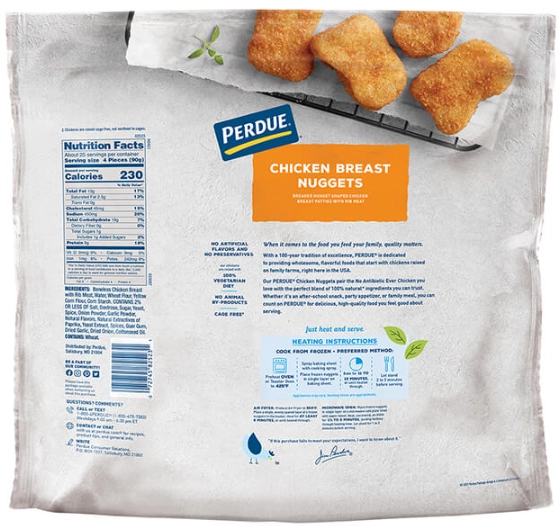
| Frozen Brand (Breaded, Cooked) | 3 oz (85g) | ~250 | ~14g | ~3g | ~600mg | ~18g | ~12g |
| Homemade (Skinless Breast, Baked) | 3 oz (85g) | ~180 | ~5g | ~1g | ~300mg (controlled) | ~10g (whole wheat) | ~22g |
See the pattern? The commercial versions deliver a hefty dose of fat and sodium right off the bat. That 900mg of sodium in the restaurant version is nearly 40% of the recommended daily limit (2,300mg) in one small snack. The protein content is decent, but it's overshadowed by the other stuff.
Here's a nuance most people miss: the "twice-fried" method many restaurants use. The chicken is often par-fried at the factory, frozen, shipped, and then deep-fried again in-store. This double dip in hot oil maximizes crispiness but also means the breading absorbs more oil than you might think. That's why the fat content is so high.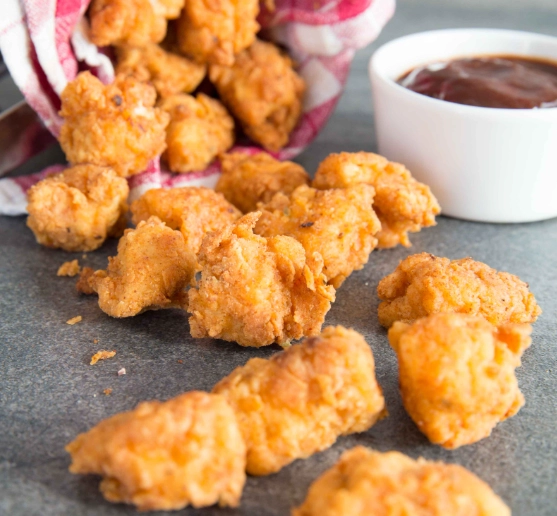
The Biggest Health Concerns with Popcorn Chicken
It's not just about the numbers on the label. It's about what those numbers do in your body over time if you make fried popcorn chicken a regular habit.
Sodium Overload and Blood Pressure
That sky-high sodium level is public enemy number one. Consistently eating high-sodium foods can lead to increased blood pressure, which strains your heart and blood vessels. For someone with hypertension or a family history of heart issues, frequent fast-food popcorn chicken is a risky choice.
The Type of Fat Matters
Many fast-food joints and pre-made products use partially hydrogenated oils or oils high in trans and saturated fats to improve shelf life and flavor stability. According to the American Heart Association, these fats raise your bad (LDL) cholesterol and lower the good (HDL) kind, directly contributing to heart disease risk. Even if they've phased out trans fats, the saturated fat content from frying is still significant.
Refined Carbohydrates and the Energy Crash
The coating is usually made from white flour, which is a refined carb. It digests quickly, causing a spike in blood sugar followed by a crash. This leaves you feeling sluggish and hungry again soon after. There's little to no fiber in that breading to slow things down.
The Context Rule: Eating a serving of restaurant popcorn chicken once in a blue moon is unlikely to harm your health. The problem is frequency and portion size. Making it a weekly treat is very different from having it as an occasional road-trip snack. Your overall diet pattern is what counts.
How Can I Make Popcorn Chicken Healthier?
You don't have to give up the concept entirely. The goal is to transform it from a nutritional weak spot into a decent source of protein with controlled additives. Here’s your action plan, whether you're buying or making it.
If You're Buying It Out:
Choose the smallest size. Never upsize. A kids' meal portion is often plenty.
Skip the extra sauce. Dipping sauces like ranch, honey mustard, or sweet and sour are hidden calorie and sodium bombs. Use them sparingly or ask for a lighter option like a side of salsa.
Pair it strategically. Instead of fries, get a side salad (with dressing on the side) or a fruit cup. This adds fiber and nutrients to balance the meal.
Hydrate with water. A sugary soda with a salty, fatty meal is a double whammy for your metabolic health.
The Ultimate Solution: Make It at Home
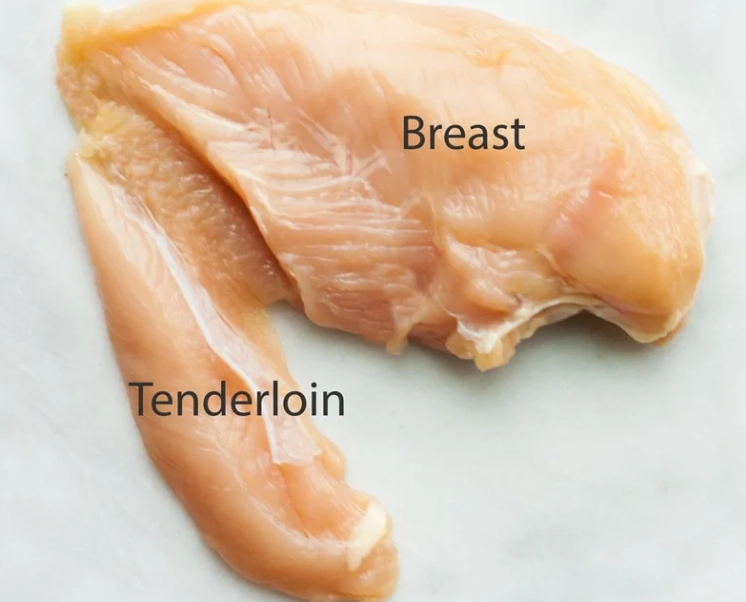
This is where you gain complete control. You choose the chicken (opt for skinless breast or thigh), the coating (whole wheat breadcrumbs, almond flour, or crushed cornflakes), and the cooking method (baking or air-frying beats deep-frying every time).
I learned this the hard way. My first attempt at homemade "healthy" popcorn chicken was a soggy disaster because I didn't get the coating crispy enough. The trick isn't just baking it; it's creating a crust that actually satisfies that crunchy craving without a vat of oil.
A Healthier, Crispy Baked Popcorn Chicken Recipe
This is my go-to recipe after a lot of trial and error. It uses a simple two-step breading process and a high oven temperature to mimic crispiness. An air fryer works even better if you have one.
Ingredients:
- 1 lb (450g) boneless, skinless chicken breasts, cut into 1-inch bite-sized pieces
- 1/2 cup whole wheat flour or all-purpose flour
- 2 large eggs, beaten
- 1 cup whole wheat panko breadcrumbs (or regular panko)
- 1/4 cup grated Parmesan cheese (optional, for umami)
- 1 tsp paprika
- 1/2 tsp garlic powder
- 1/2 tsp onion powder
- 1/4 tsp black pepper
- Olive oil cooking spray
Steps:
- Preheat your oven to 425°F (220°C). Line a baking sheet with parchment paper and place a wire rack on top. The rack is crucial—it allows hot air to circulate all around the chicken for even crisping.
- Set up your breading station: one bowl with flour, one with beaten eggs, and one with panko, Parmesan, and all spices mixed together.
- Pat the chicken pieces dry. Dredge each piece in flour, shaking off excess. Dip in egg, letting excess drip off. Then press firmly into the panko mixture until fully coated. Place on the wire rack.
- Lightly but thoroughly spray all the chicken pieces with olive oil spray. This helps the coating brown and crisp up.
- Bake for 12-15 minutes, or until the chicken is cooked through (internal temp of 165°F/74°C) and the coating is golden brown and crispy. No flipping needed thanks to the rack.
- Serve immediately with a side of Greek yogurt mixed with lemon juice and dill, or a simple marinara sauce for dipping.
Estimated Nutrition per 3 oz (85g) serving: ~180 calories, 5g fat (1g saturated), 300mg sodium, 10g carbs (2g fiber), 22g protein.
See the difference? You've slashed the fat and sodium by more than half and nearly doubled the protein compared to the fast-food version. The fiber from the whole wheat coating helps you feel fuller longer.
Your Popcorn Chicken Questions, Answered
So, is popcorn chicken healthy? The standard version isn't. But with knowledge and a little effort in your own kitchen, you can absolutely create a crispy, satisfying version that's high in protein, lower in unhealthy fats and sodium, and fits into a balanced eating pattern. It's not about deprivation; it's about a smarter, tastier upgrade.
Related Articles