Perfect Fried Chicken Breast Temperature Guide | Juicy & Golden
Let's cut to the chase. The single biggest reason fried chicken breast turns out dry, tough, or unevenly cooked is getting the temperature wrong. It's not the recipe, it's not the brand of chicken—it's the heat. After years of testing (and yes, ruining my fair share of dinners), I've nailed down the exact temperatures you need to know. Forget guesswork. This guide gives you the numbers and the why behind them, so you get juicy, golden, restaurant-quality chicken breast every single time.
Your Quick Guide to Juicy Chicken
Why Temperature Matters More Than You Think
Think of temperature as the conductor of your cooking orchestra. Too low, and the music is a soggy, greasy mess. Too high, and it's a burnt, chaotic noise. For chicken breast, which is lean and prone to drying out, precision is everything.
Here’s what happens at different heats:
Oil too cold (below 325°F / 163°C): The chicken soaks up oil like a sponge. You end up with a greasy, pale exterior and a rubbery interior because it stews instead of sears. It's the worst of all worlds.
Oil just right (350°F-375°F / 177°C-190°C): This is the sweet spot. A instant, violent sear creates a crispy, golden crust that seals in the juices. The inside cooks through gently and evenly.
Oil too hot (above 400°F / 204°C): The outside burns before the inside is safe to eat. You get a bitter, dark crust and a raw center. Then you're stuck lowering the heat and overcooking the outside to get the inside done. Disaster.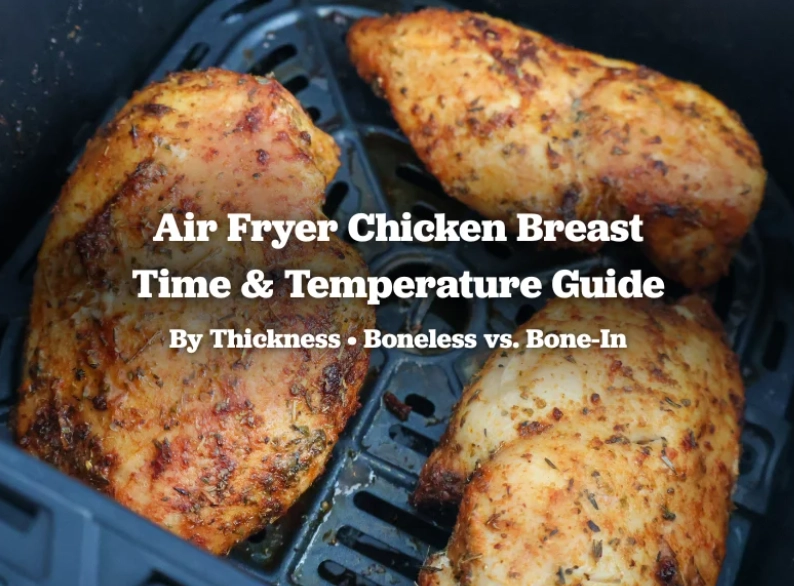
The Pro Insight Everyone Misses: Your pan's material changes everything. A thin, warped pan will lose heat the second you add chicken, causing the temperature to plummet. A heavy-bottomed stainless steel or cast-iron skillet holds heat steadily, which is non-negotiable for hitting and maintaining that perfect fry temp. Don't blame the temperature—blame the pan.
What Temperature Should the Oil Be?
350°F to 375°F (177°C to 190°C). That's your target range. I aim for 365°F (185°C) as my personal sweet spot.
You absolutely need a thermometer. The "flick water and see if it sizzles" method is unreliable and dangerous. A simple instant-read or deep-fry thermometer is the best $15 you'll spend in the kitchen.
What if you don't have one? There's a slightly risky hack: use a wooden chopstick or the handle of a wooden spoon. Dip the tip into the oil. If steady, vigorous bubbles form around it immediately, you're likely in the ballpark. But really, just get a thermometer.
Adjusting for Thickness
Not all chicken breasts are created equal. A plump, hormone-free breast can be twice as thick as a budget one.
| Chicken Breast Thickness | Recommended Oil Temp | Approx. Cook Time Per Side |
|---|---|---|
| Thin (1/2 inch or 1.3 cm) | 375°F (190°C) | 3-4 minutes |
| Average (3/4 inch or 2 cm) | 365°F (185°C) | 5-6 minutes |
| Thick (1 inch or 2.5 cm+) | 350°F (177°C) | 6-7 minutes |
Thicker cuts need slightly lower oil temps so the inside cooks through before the outside overcooks. The best move? Pound them to an even thickness. Place the breast between plastic wrap and gently pound with a pan or meat mallet to about 3/4 inch. This guarantees even cooking and is my number one prep tip.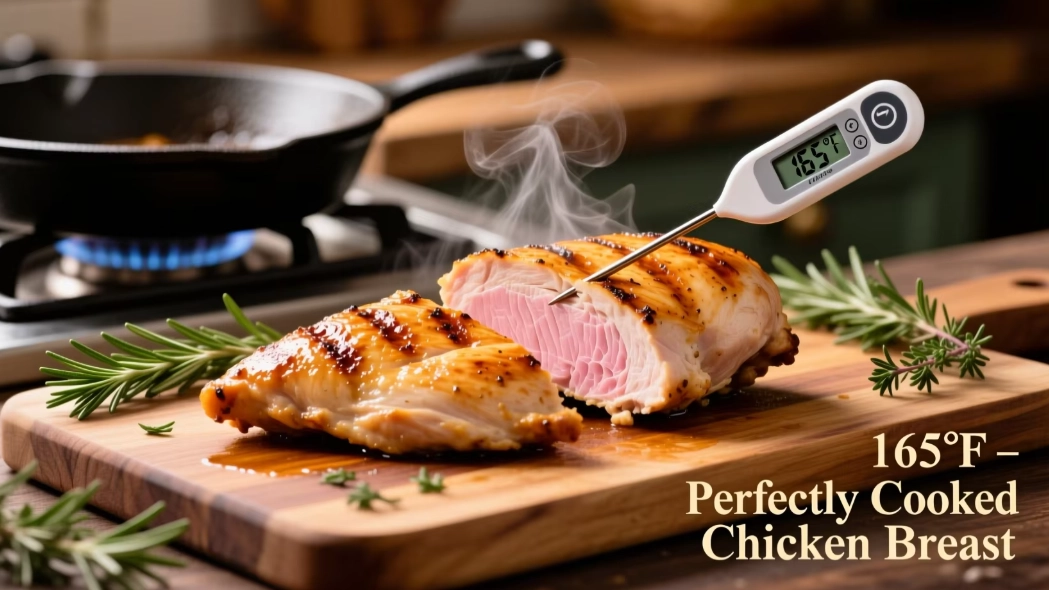
The Internal Temperature: Your Non-Negotiable Goal
This is where most home cooks fail. They cut into the chicken to check, letting all the juices run out. Or they cook it until "it looks done," which almost always means overdone.
According to the USDA's food safety guidelines, chicken is safe to eat at 165°F (74°C). However, for juicy breast meat, you should remove it from the heat at 160°F-162°F (71°C-72°C).
Why? Because of carryover cooking. The hot exterior continues to transfer heat to the cooler center even after you take the chicken out of the pan. The temperature will rise another 5 degrees or so as it rests. If you pull it at 165°F, it'll end up at 170°F+ and start to dry out.
The Biggest Mistake I See: People poking the chicken with a fork to "see if the juices run clear." Don't do this. You're creating holes for precious moisture to escape. Use a digital meat thermometer. Insert it into the thickest part, avoiding the bone if there is one. It's the only reliable way.
The Critical Resting Period
You must let the chicken rest for 5-7 minutes after frying. This allows the juices, which have been driven to the center by the heat, to redistribute throughout the meat. If you slice it immediately, those juices will pool on your cutting board, leaving you with dry chicken. Patience is a key ingredient.
How to Pan-Fry Chicken Breast: A Step-by-Step Guide
Let's walk through the process, temperature front and center.
Step 1: Prep the Chicken. Pat the breasts completely dry with paper towels. Moisture is the enemy of a good sear. Season generously with salt and pepper. For extra flavor, you can dredge in seasoned flour, but for a simple pan-fry, just seasoning is fine.
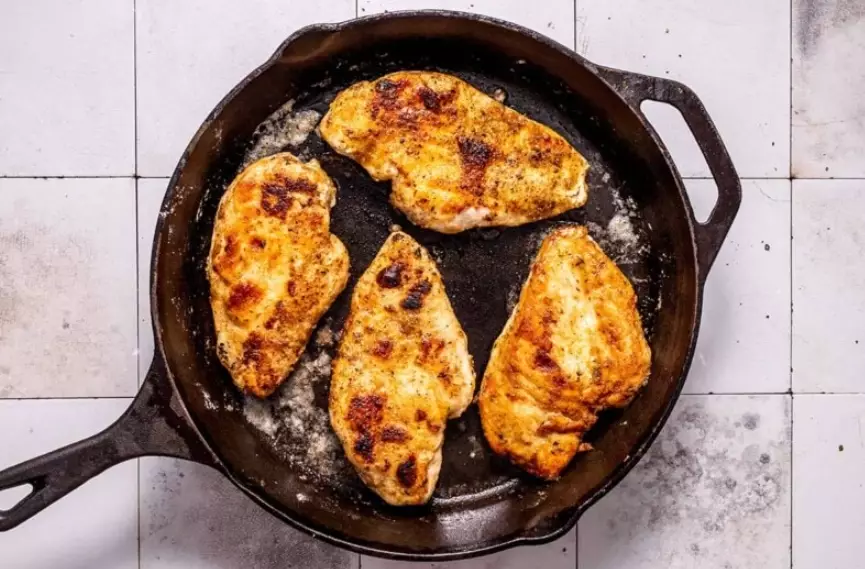
Step 2: Heat the Pan and Oil. Use a heavy skillet. Add enough high-smoke-point oil (like avocado, canola, or refined olive oil) to coat the bottom by about 1/8 inch. Heat over medium-high heat until your thermometer reads 365°F (185°C).
Step 3: Add the Chicken. Gently lay the breasts in the pan, presentation-side down. They should sizzle immediately but not violently splatter. Don't overcrowd the pan—leave space between them, or cook in batches. Overcrowding drops the oil temperature drastically.
Step 4: The First Side. Do not touch it for at least 4-5 minutes. Let that crust form. You'll know it's ready to flip when the edges look cooked and it releases easily from the pan.
Step 5: Flip and Finish. Flip the breasts. The second side usually cooks a minute or two faster. Start checking the internal temperature after 3-4 minutes.
Step 6: Check and Remove. When the internal temp hits 160°F-162°F (71°C-72°C), transfer the chicken to a clean plate or wire rack. Do not put it on a paper towel-lined plate, as the steam will make the bottom soggy.
Step 7: Rest. Tent loosely with foil and let it sit for 5-7 minutes. Then slice and serve.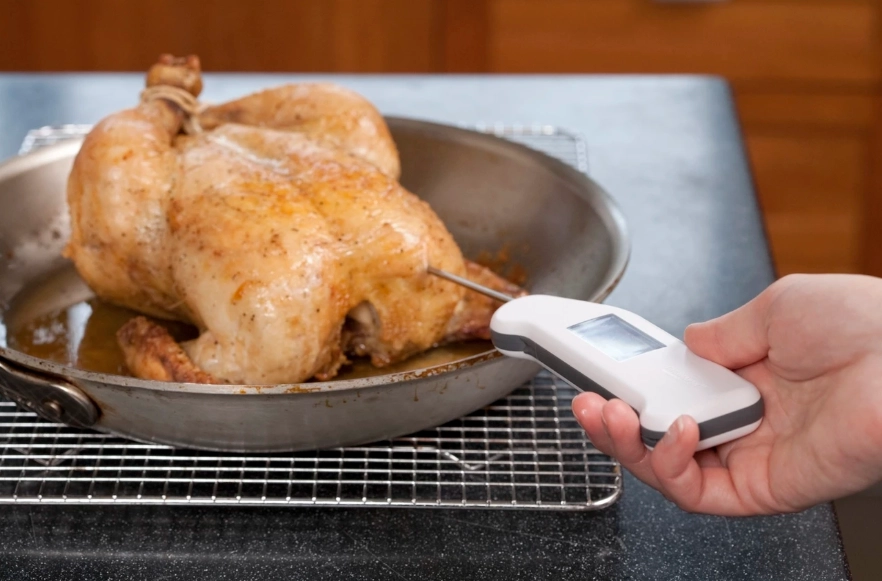
Common Temperature-Related Mistakes and How to Fix Them
Mistake: Chicken is browned outside but raw inside.
Cause: Oil way too hot. The exterior seared instantly, locking in heat that couldn't penetrate.
Fix: Next time, start with lower heat (325°F). For now, finish in a 375°F oven for 5-10 minutes.
Mistake: Chicken is pale, greasy, and tough.
Cause: Oil too cold. It absorbed oil instead of frying in it.
Fix: Sadly, you can't un-grease it. Next time, ensure oil is at least 350°F before adding chicken.
Mistake: One side is perfect, the other is anemic.
Cause: Uneven pan heat or flipping too early.
Fix: Use a better pan and don't be impatient. Wait for the crust to release naturally.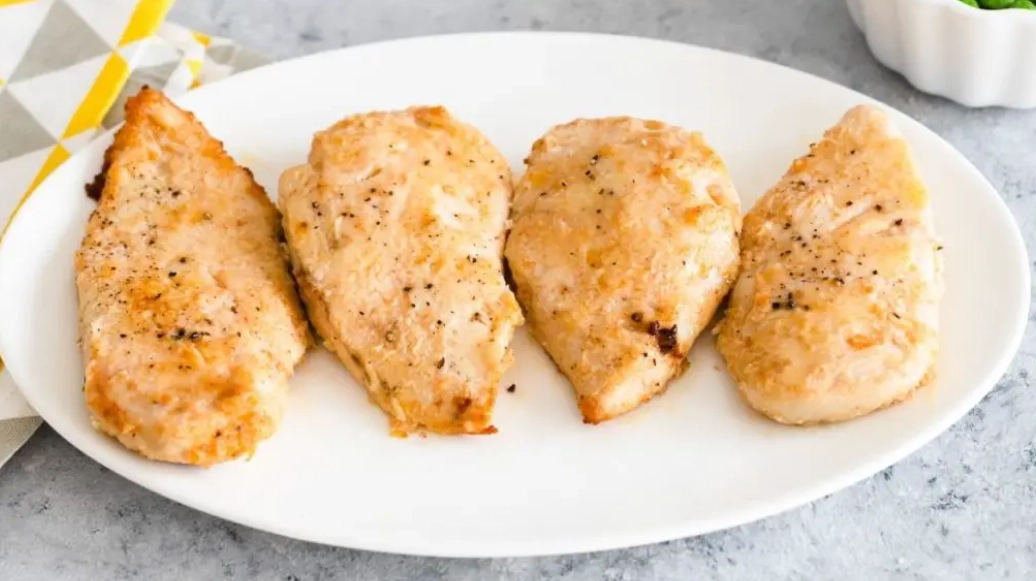
Your Fried Chicken Breast Questions, Answered
 What's the best oil for frying chicken breast?
Honestly, mastering the temperature turns a potentially boring, health-conscious protein into a genuinely crave-worthy meal. It’s the difference between punishment and pleasure on a plate. Grab that thermometer, trust the numbers, and never suffer through a dry chicken breast again.
Related Articles