Are PERDUE Chicken Cutlets Fully Cooked? Your Complete Guide
My Quick Guide
- The Million-Dollar Question: Fully Cooked or Not?
- If They're Not Fully Cooked, How Do You Cook Them Properly?
- What If They ARE Fully Cooked? How to Handle and Heat Them
- Fully Cooked vs. Ready to Cook: A Side-by-Side Look
- Common Questions and Concerns (The Stuff You're Really Wondering)
- Final Verdict and Best Practices
Let's get straight to the point, because I know that's why you're here. You're standing in your kitchen, holding a package of PERDUE chicken cutlets, or maybe you're staring at them in the grocery store freezer aisle. The big question is burning in your mind: Are PERDUE chicken cutlets fully cooked? The answer isn't a simple yes or no for every single product, and that's exactly where the confusion starts for most people. I've been there myself, squinting at the fine print, wondering if I can just toss them in a salad or if I need to fire up the stove.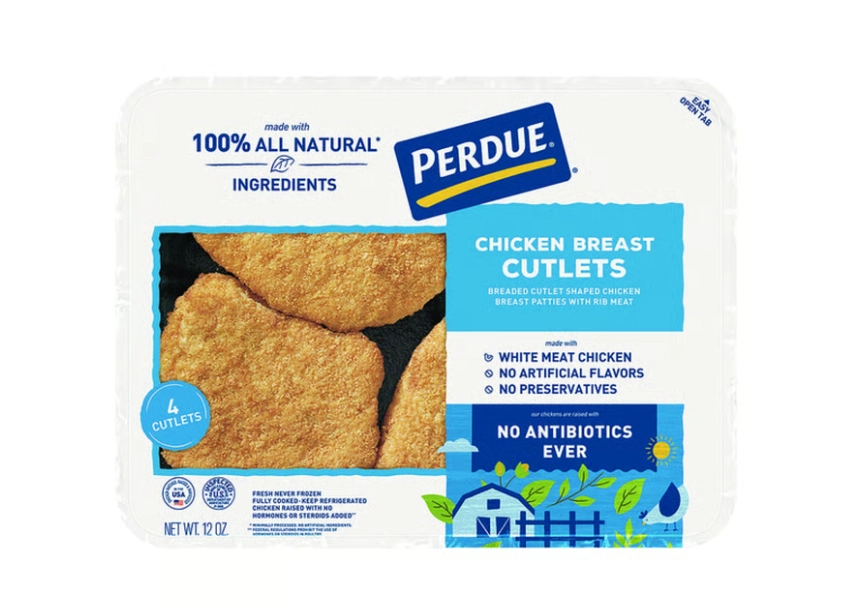
Here’s the deal. PERDUE makes a lot of different chicken products. Some are ready-to-eat, some need heat, and some are in a weird middle ground. Getting it wrong isn't just about taste—it's a food safety thing. Nobody wants to serve undercooked chicken. So, we're going to dig deep, look at the labels, talk about cooking, and make sure you never have to guess again.
The Quick Take: Most PERDUE chicken cutlets sold in the fresh meat section are NOT fully cooked. They are raw and must be cooked to a safe internal temperature. However, PERDUE also sells some fully cooked, ready-to-eat chicken products, like certain frozen or refrigerated diced or grilled chicken items. The crucial step is always, always, always to read the package label.
The Million-Dollar Question: Fully Cooked or Not?
This is the core of it all. To understand if PERDUE chicken cutlets are fully cooked, you need to become a bit of a label detective. The packaging holds all the clues. Don't just look at the big, flashy "PERDUE" logo. Look for the specific product name and the cooking instructions.
Think of it this way. If you buy a pack of PERDUE Fresh Skinless & Boneless Chicken Breast Cutlets from the chilled meat case, that's raw chicken. It looks raw, feels raw, and needs to be handled and cooked like raw chicken. The package will say something like "Keep Refrigerated" and will have detailed cooking instructions.
On the flip side, you might find a bag in the freezer aisle called PERDUE Short Cuts Southwestern Style Carved Chicken Breast. That product is fully cooked and ready to heat and eat. The label will usually scream things like "Fully Cooked," "Ready in Minutes," or "Just Heat & Serve."
See the difference? It's all about the product line. The classic cutlets are almost always raw. The pre-marinated, pre-cut, or pre-cooked items in different sections of the store are the ones that might be fully cooked.
SAFETY FIRST: If you are ever in doubt, treat the chicken as if it is NOT fully cooked. It is far safer to overcook chicken slightly than to serve undercooked poultry. The risk of foodborne illness from raw chicken is real.
How to Read the Package Like a Pro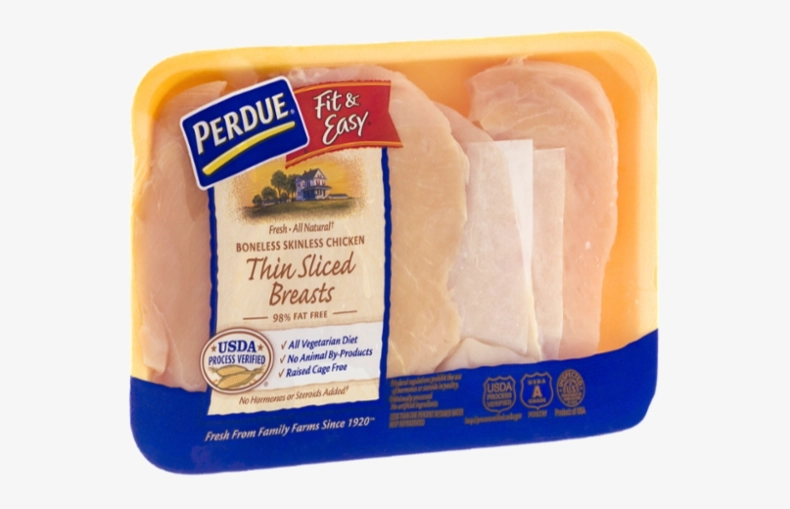
Let's break down exactly what to look for on the bag or tray. I made this mistake once—grabbed what I thought was cooked chicken for a quick salad, only to find out it was "ready to cook." Not fun. Here's your checklist:
- Product Name: Words like "Fresh," "Raw," "All Natural*" (often found on raw products), or simply "Chicken Breast Cutlets" typically indicate raw chicken. Words like "Short Cuts," "Fully Cooked," "Grilled," "Roasted," or "Ready to Eat" point to a fully cooked product.
- Headline Statements: Front-of-package claims are your best friend. "Fully Cooked" is the gold standard. "Ready to Cook" or "Cook & Serve" means it's raw. "Heat & Serve" usually means it's cooked but needs warming.
- Storage Instructions: This is a huge clue. "Keep Refrigerated" or "Keep Frozen" on a basic cutlet package almost always means raw. Fully cooked items might also say this, but they will pair it with the "fully cooked" claim.
- The Cooking Instructions: The most definitive proof. If the instructions say "Cook to an internal temperature of 165°F," it's raw. If they say "Heat until warm" or "Ready to eat," it's fully cooked. No cooking instructions at all? That's rare, but it could mean ready-to-eat—double-check for other clues.
Honestly, I wish they'd just put a giant red or green sticker on the front. But until then, this is your guide.
If They're Not Fully Cooked, How Do You Cook Them Properly?
Okay, so you've determined your PERDUE chicken cutlets are the raw kind. Now what? Cooking them properly is key for safety and taste. Overcooked chicken is dry and tough. Undercooked is dangerous. Let's hit the sweet spot.
The USDA (U.S. Department of Agriculture) sets the gold standard for food safety. They state that all poultry, including chicken, must be cooked to a minimum internal temperature of 165°F (74°C) to kill harmful bacteria like Salmonella and Campylobacter. This isn't a suggestion; it's the rule. You can read their official guidelines on safe minimum cooking temperatures on their food safety website.
You need a meat thermometer. I can't stress this enough. Guessing by color is unreliable. Chicken can turn white well before it hits 165°F, and juices can run clear in undercooked meat. A simple digital instant-read thermometer is a cheap kitchen lifesaver.
 Trust me, just get one.
Popular Cooking Methods for PERDUE Chicken Cutlets
Here’s a quick rundown of the best ways to cook your raw PERDUE cutlets. Since they're thin and uniform, they cook pretty fast.
| Cooking Method | Approx. Time | Key Tips & Internal Temp |
|---|---|---|
| Pan-Searing/Sautéing | 4-6 minutes per side | Medium-high heat with a little oil. Don't crowd the pan. Cook until golden brown and the internal temp reaches 165°F. |
| Baking/Roasting | 18-22 minutes at 400°F | Place on a parchment-lined baking sheet. Lightly oil and season. Bake until no longer pink and juices run clear, checking temp at the thickest part for 165°F. |
| Grilling | 4-5 minutes per side | Medium-high grill heat. Oil the grates first. Grill with the lid closed, flipping once, until grill marks appear and temp is 165°F. |
| Air Frying | 10-14 minutes at 375°F | Lightly spray with oil. Don't overcrowd the basket. Shake/turn halfway. Cook until crispy and the internal temperature is a safe 165°F. |
Notice a theme? Every method ends with verifying that 165°F. It's that important. Once you pull the chicken off the heat, let it rest for 3-5 minutes. This lets the juices redistribute, making it more tender.
What If They ARE Fully Cooked? How to Handle and Heat Them
So you found a PERDUE product that is clearly marked fully cooked. Great! Your job is easier, but there are still best practices. These products are designed for convenience—to get a protein boost into your meal with minimal effort.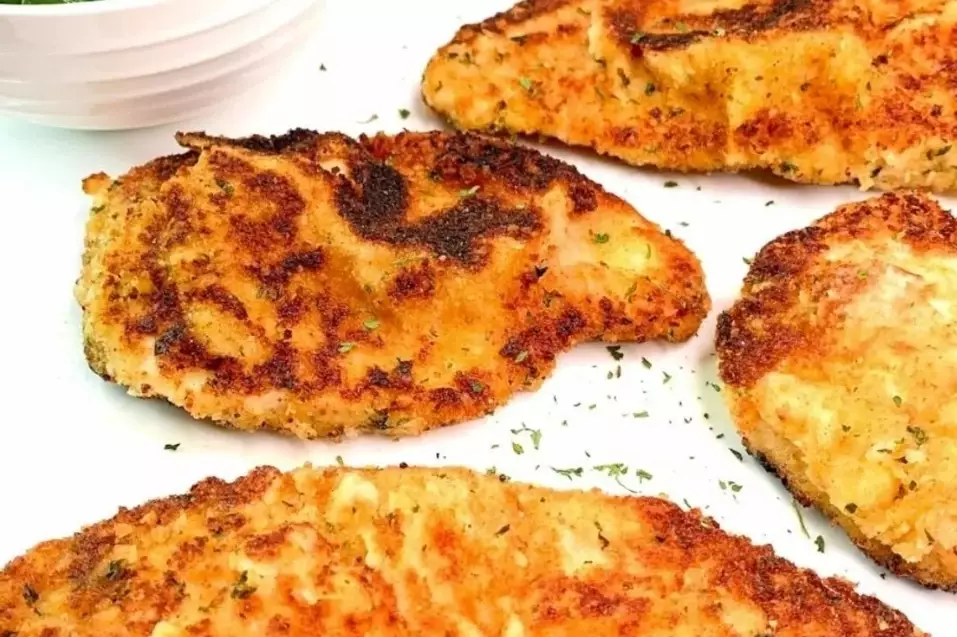
Even though they're fully cooked, they still need proper handling. Keep them refrigerated or frozen as directed. Once opened, use them within a few days. And while you can eat them straight from the package (like in a cold salad), they usually taste much better warmed up.
Heating fully cooked chicken is about bringing it to a pleasant serving temperature, not cooking it. You're aiming for about 140-150°F internally. Overheating will make it dry and rubbery, which defeats the purpose of a convenient product. A quick zap in the microwave, a brief warm-through in a skillet, or a few minutes in the oven is all it needs.
Q: Can I refreeze PERDUE chicken cutlets if they were sold frozen?
A: This is tricky. The USDA says it's safe to refreeze raw or cooked meat that was thawed in the refrigerator, though there may be some quality loss. However, if it was thawed at room temperature or in water, do not refreeze it. For the best quality and to avoid confusion, I try to cook thawed raw chicken and then freeze the cooked result. For fully cooked frozen products, follow the package directions. PERDUE's own FAQ page can have specific handling info for their products.
Fully Cooked vs. Ready to Cook: A Side-by-Side Look
Sometimes a visual comparison helps clear the fog. Let's look at two hypothetical but very realistic PERDUE products.
| Feature | PERDUE Fresh Chicken Breast Cutlets (Typically Raw) | PERDUE Short Cuts Grilled Chicken Breast Strips (Fully Cooked) |
|---|---|---|
| Product Location | Fresh meat case (refrigerated) | Frozen food aisle or refrigerated prepared foods section |
| Front Label Claims | "All Natural*", "No Hormones Added" | "Fully Cooked", "Grilled", "Ready in 60 Seconds" |
| Appearance | Pink, raw chicken color | Brownish, with grill marks or a cooked appearance |
| Storage Instructions | "Keep Refrigerated" | "Keep Refrigerated" or "Keep Frozen" |
| Cooking Instructions | Detailed steps ending with "cook to 165°F." | "Heat until warm" or microwave instructions. |
| Primary Use | To be cooked as a main dish (e.g., chicken parmesan). | To be added to already-cooked dishes (e.g., salads, pasta, wraps). |
This table shows why the question "Are PERDUE chicken cutlets fully cooked?" needs context. You're usually talking about two different product categories with different purposes.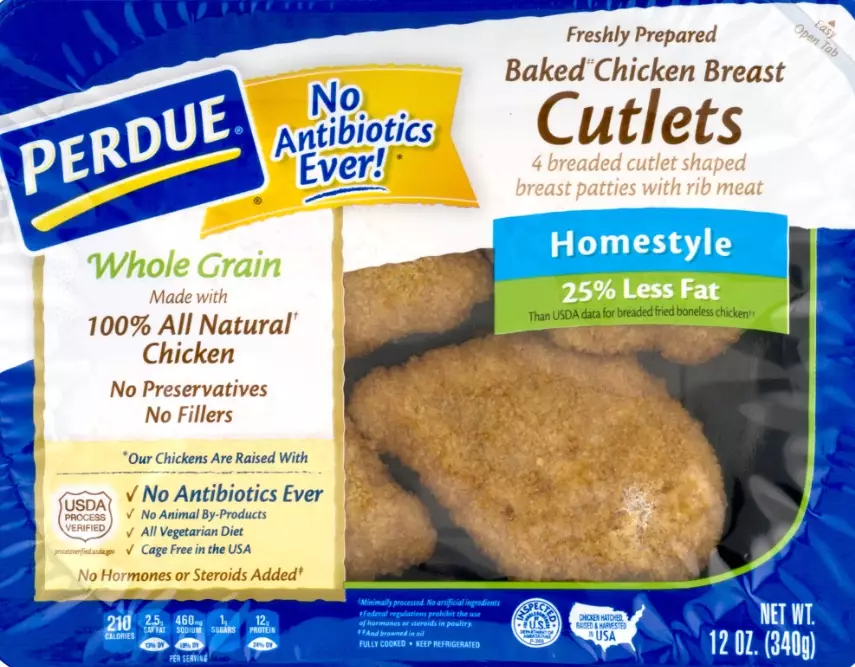
Common Questions and Concerns (The Stuff You're Really Wondering)
Let's tackle some specific scenarios and questions that pop up all the time in forums and kitchen conversations. This is where we go beyond the basic label reading.
Q: I accidentally ate a PERDUE chicken cutlet that was still a little pink inside. What should I do?
A: First, don't panic. While the risk of foodborne illness is highest with undercooked poultry, a single small exposure doesn't guarantee sickness. Stop eating it immediately. Monitor yourself for the next 24-72 hours for symptoms like stomach cramps, diarrhea, fever, or vomiting. If you develop severe symptoms, contact a doctor. In the future, always use a thermometer to confirm 165°F.
Q: Can I cook PERDUE frozen chicken cutlets without thawing?
A: Yes, you can, but it requires adjustment. Baking is the best method. You'll need to increase the cooking time by about 50%. For example, if a thawed cutlet bakes for 20 minutes at 400°F, a frozen one might need 30 minutes or more. The critical thing is that the internal temperature in the thickest part must still reach 165°F. The outside may cook faster, so using a lower temperature (like 375°F) can help it cook more evenly.
Q: Why does my fully cooked PERDUE chicken sometimes have a rubbery texture?
A: Ah, the rubber chicken problem. I've encountered this too. It usually happens from overheating. Fully cooked chicken is already... well, cooked. Heating it too long or at too high a power (especially in the microwave) squeezes out all the remaining moisture, leaving behind a tough, rubbery protein matrix. Think of it as reheating, not cooking. Use lower power settings and shorter bursts. Sometimes, adding a splash of broth or water to the container before microwaving can help keep it moist.
Another question I see a lot is about marinades and flavors. The raw PERDUE cutlets are a blank canvas. The fully cooked "Short Cuts" line often comes pre-seasoned (like Southwestern or Italian style). You can still marinate raw cutlets, but fully cooked ones won't absorb flavors as deeply—a quick sauce or glaze after heating works better.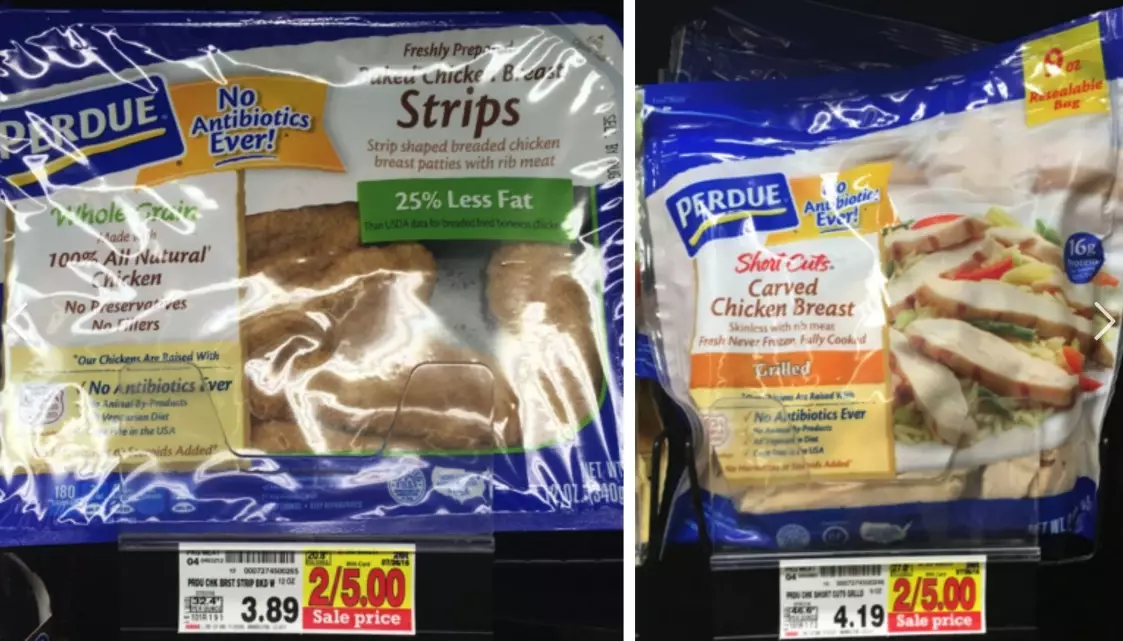
Final Verdict and Best Practices
So, after all this, where do we land on the original question: Are PERDUE chicken cutlets fully cooked?
The most honest answer is: It completely depends on the specific product you have in your hands. The brand "PERDUE" itself doesn't give you the answer. The product name and label do.
Your Action Plan:
- Assume it's raw until proven otherwise. This is the safest mindset, especially for items found in the traditional meat case.
- Scan the package for the words "Fully Cooked." If you don't see them explicitly, treat it as raw chicken that needs to be cooked to 165°F.
- Invest in and use a meat thermometer. It's the only way to be 100% certain of safety, whether you're dealing with raw or reheating fully cooked chicken.
- When in doubt, cook it. Applying heat to a fully cooked product until it's warm won't hurt it (though it might dry it out). Not applying heat to a raw product can make people very sick.
Understanding this distinction saves you from food safety scares and meal prep disappointments. It turns a moment of confusion into confident cooking. Whether you're making a quick weeknight stir-fry with raw cutlets or tossing pre-cooked strips into a lunch salad, you'll know exactly what you're working with.
And remember, if you ever need the most official information, checking PERDUE's own website for product details or the USDA for safety standards is always a smart move. Now go check that package in your fridge with your new detective skills!
Related Articles