The Complete Guide to Perdue Chicken Tenderloins: Cooking, Nutrition & More
If your fridge or freezer has a bag of Perdue chicken tenderloins sitting in it, you're holding onto one of the most convenient and versatile proteins out there. But let's be honest, how many times have you ended up just baking them plain because you weren't sure what else to do? I've been there. This guide is here to change that. We're going beyond the basic instructions on the bag to unlock everything these lean strips of chicken can do, from weeknight dinners to impressive meal prep.
What's Inside This Guide?
What Are Perdue Chicken Tenderloins, Exactly?
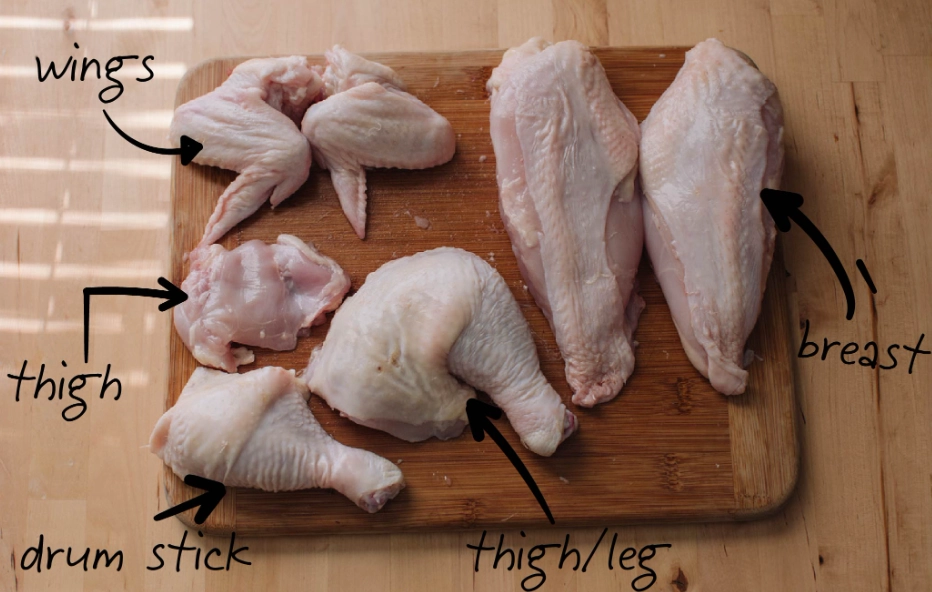
First, let's clear up any confusion. The "tenderloin" is a specific, small muscle that runs underneath the chicken breast. It's incredibly tender (hence the name) and lean. Perdue sells these tenderloins already separated and trimmed, which is the real time-saver. You're not buying whole breasts and then fussing with removing the tenderloin yourself.
What you get in the bag is consistency. Each piece is roughly the same size and thickness, which is a huge win for even cooking. No more dealing with a giant, puffy breast that's dry on the outside and raw near the bone. This consistency is why they're a secret weapon for busy cooks.
Pro Tip: Many people confuse "tenderloins" with "tenders" or "chicken strips." Store-bought "chicken tenders" are often breast meat cut into strips and may be pre-breaded or seasoned. Perdue chicken tenderloins are the actual, natural tenderloin muscle, typically sold plain (sometimes "minimally processed" with a bit of broth or solution). Always check the label.
How to Cook Perdue Chicken Tenderloins Perfectly (Every Time)
The biggest mistake I see? Overcooking. Because they're so lean and relatively thin, tenderloins go from juicy to dry and stringy in a matter of minutes. The key is high heat for a short time and knowing exactly when to pull them off.
Essential Cooking Methods Compared
Here’s a breakdown of the best ways to cook them. I based this on fresh (not frozen) tenderloins. For frozen, see the FAQ.
| Method | Best For | Time & Temp | Key to Success |
|---|---|---|---|
| Skillet / Pan-Searing | Fastest method, great crust | 4-6 mins total, Med-High heat | Pat dry first. Don't crowd the pan. Let them rest 5 mins after. |
| Air Fryer | Hands-off, crispy results | 8-10 mins at 380°F (193°C) | >Lightly spray with oil. Shake basket halfway. Perfect for seasoned or breaded tenderloins. |
| Oven Baking | Cooking large batches evenly | 12-15 mins at 425°F (218°C) | Use a rack on a baking sheet for air circulation. Brine them for 30 mins beforehand for ultimate juiciness. |
| Grilling | Smoky flavor, quick cook | 3-4 mins per side, Med-High heat | Oil the grates well. They cook fast, so stay nearby. Great for marinades. |
Honestly, my go-to is the skillet. It gives you the most control. Heat a tablespoon of olive oil over medium-high, season the dry tenderloins generously, and lay them in. You'll get a nice sear in 2-3 minutes. Flip, cook another 2-3 minutes, and that's it. The internal temperature should be 165°F (74°C), but I pull them at 160°F (71°C) because the carryover heat will finish the job.
What Are the Best Sides for Chicken Tenderloins?
Their mild flavor is a blank canvas. Think of sides that add color, texture, and carbs or veggies.
- For a Quick Plate: Microwave-in-bag steamed broccoli and instant brown rice or quinoa.
- To Impress: A crisp arugula salad with shaved parmesan and lemon vinaigrette, or roasted asparagus with garlic.
- Comfort Food Style: Creamy mashed potatoes or mac and cheese. Slice the cooked tenderloins and mix them right in.
Nutrition Facts and Smart Buying Guide
Let's talk about what you're actually eating. A standard 4-ounce (112g) serving of plain, cooked Perdue chicken tenderloins provides roughly:
- Calories: ~120-140
- Protein: ~26-28g (an excellent source)
- Fat: ~2-3g (very low)
- Carbohydrates: 0g
They're a powerhouse for high-protein, low-carb, or low-fat diets. The protein content helps with satiety and muscle maintenance, making them a staple for fitness-focused folks.
Buying Them Smart: You'll typically find Perdue chicken tenderloins in the fresh meat section or the frozen aisle. The frozen bags are fantastic for keeping a long-term stash. Always compare the price per pound to boneless, skinless chicken breasts. Sometimes tenderloins are priced higher for the convenience, but during sales, they can be a steal.
Check the label for added solutions. Some packages are "enhanced" with up to 15% chicken broth, salt, or natural flavors. This helps retain moisture but adds a bit of sodium. If you're managing sodium intake, look for the "No Antibiotics Ever" or "Hormone Free" lines, which often have simpler ingredient lists (just chicken).
Recipe Ideas & Meal Prep Strategies
This is where the fun begins. Don't just cook them plain.
Three Flavor-Packed Preparations
1. The 30-Minute Marinated: Whisk together 1/4 cup olive oil, 2 tbsp lemon juice, 2 minced garlic cloves, 1 tbsp Italian seasoning, salt, and pepper. Toss with tenderloins in a zip-top bag for 20 mins (or overnight). Cook in a skillet or on the grill. Perfect for salads or grain bowls.
2. Crispy Air Fryer "Nuggets": Cut tenderloins into bite-sized pieces. Toss in a bowl with 1 tbsp oil, 1 tsp paprika, 1/2 tsp garlic powder. Roll in panko breadcrumbs. Air fry at 400°F (204°C) for 7-8 minutes, shaking once. Kids and adults love these.
3. One-Pan Lemon Herb Dinner: On a sheet pan, toss tenderloins, baby potatoes, and green beans with olive oil, lemon slices, rosemary, salt, and pepper. Bake at 425°F (218°C) for 18-20 minutes. Dinner is done.
Meal Prep Like a Pro
Cook a whole bag at once. Let the tenderloins cool, then store them in an airtight container in the fridge for up to 4 days. Now you have pre-cooked protein ready to be sliced into:
- Monday's Salad: Chop over a Caesar salad.
- Tuesday's Tacos: Reheat with taco seasoning.
- Wednesday's Pasta: Dice and stir into a tomato sauce.
- Thursday's Sandwich: Slice lengthwise for a chicken club.
This approach saves me on nights when I just can't face another cooking project.
Your Top Questions, Answered
Related Articles