Calories in Ground Chicken: Your Ultimate Guide to Nutrition & Cooking
Quick Guide
Let's talk about ground chicken. It's sitting there in the meat aisle, looking all innocent and lean. You've probably picked it up thinking it's a no-brainer healthy choice, right? I did too. But then I started really looking into the calories in ground chicken, and let me tell you, it's not as straightforward as the package makes it seem. The numbers can swing wildly depending on one crucial factor most people glance over.
I remember grabbing a pack for what I thought would be a light taco night, only to realize later I'd bought the higher-fat stuff. The meal wasn't "light" at all. That's when I decided to dig deep. This guide is what I wish I had known. We're going beyond the basic label to understand what you're really eating, how to cook it without sabotaging your calorie count, and how it stacks up against other meats. If you're tracking macros, managing your weight, or just trying to eat cleaner, getting the real story on ground chicken calories is step one.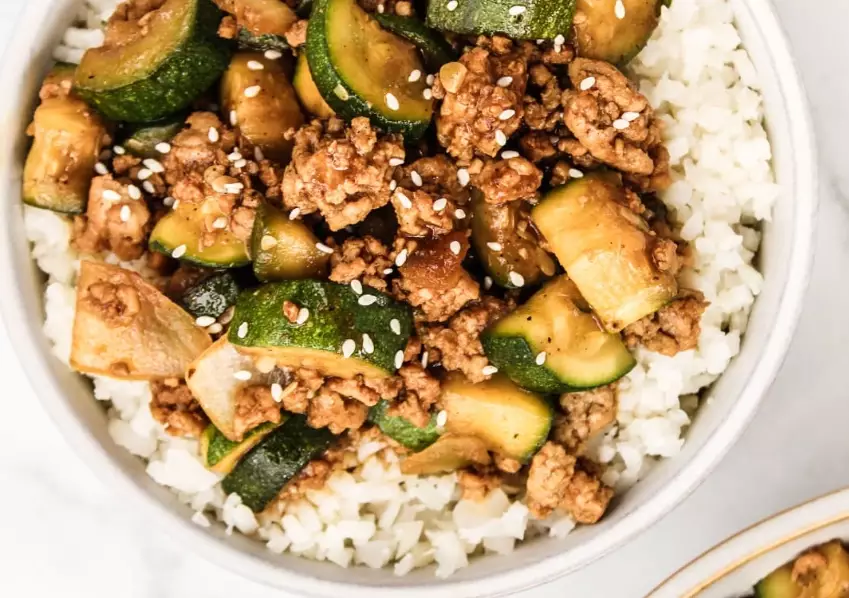
Understanding the Basic Numbers: It's All About the Fat
Ever wonder why two packages of ground chicken can have such different calorie counts? The secret, and it's not much of a secret really, is the fat content. Chicken isn't ground from one magical, uniformly lean bird. It's a mix of meat and fat, and the ratio is everything.
The gold standard for nutritional data comes from the USDA FoodData Central. It's the source most dietitians and food scientists use. According to their latest data, here’s the breakdown for a 100-gram serving (that's about 3.5 ounces, or a bit larger than a deck of cards):
Key Takeaway: The fat percentage in the name—like 93% lean or 85% lean—is your most important clue. This number tells you the percentage of the product that is lean meat by weight. The rest is fat. So, 93% lean ground chicken is 7% fat. Simple math, huge impact.
| Type of Ground Chicken (per 100g raw) | Calories | Total Fat | Protein | What This Means For You |
|---|---|---|---|---|
| Ground Chicken (98% lean / 2% fat) | ~110 kcal | 2.5g | ~23g | The leanest option. Often made from almost all breast meat. Can be drier when cooked. |
| Ground Chicken (93% lean / 7% fat) | ~143 kcal | 8g | ~19g | The most common "lean" find. Good balance of flavor and manageable calories. |
| Ground Chicken (85% lean / 15% fat) | ~197 kcal | 13g | ~17g | Much higher in calories. Juicier and more flavorful, but a significant calorie jump. |
| Generic "Ground Chicken" (no % stated) | ~143-170 kcal | 8-11g | ~17-20g | A gamble. It's usually around 90% lean but can vary. Always check the label! |
See that? Choosing 85% lean over 93% lean adds about 54 calories per 100-gram serving before you even cook it. If you're making burgers for a family of four, that difference adds up fast. The protein also dips slightly as fat increases, which is something to note if you're aiming for high protein.
My personal go-to is the 93% lean. I find the 98% a bit too easy to overcook into a dry puck, unless I'm really careful or adding a lot of moisture (think mixing in grated zucchini for meatballs). The 85% lean? Tastes great, but I reserve it for occasional treat meals where flavor is the absolute top priority, knowing I'm taking in more calories from ground chicken.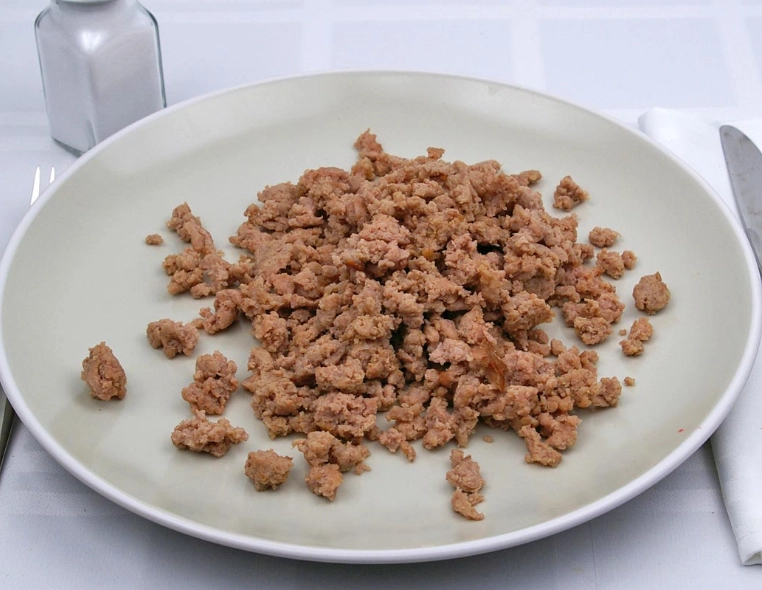
How Cooking Transforms Calories: The Great Shrinkage
Here's where most online calculators and even food labels can mislead you. They often list calories for the raw meat. But nobody eats raw ground chicken (please don't). Cooking changes everything—weight, volume, and yes, calorie concentration.
When you cook ground chicken, you render out fat and lose water. The meat shrinks. A 4-ounce (113g) raw patty of 93% lean might weigh only 3 ounces (85g) after grilling. But you didn't lose 1 ounce of calories; you lost mostly water. The fat that renders out may stay in the pan or drip away, which can slightly lower the final fat content if you drain it well.
Pro Tip: Always measure or log your cooked weight for the most accuracy, especially if you're draining fat. If a recipe calls for "1 pound cooked ground chicken," you'll need to start with about 1.25 to 1.3 pounds of raw meat to account for shrinkage.
Let's look at how different methods affect the final calories in cooked ground chicken per 100-gram serving, assuming you start with 93% lean:
- Pan-Fried & Drained: This is the most common home method. You brown it in a pan and pour off the liquid/fat. Final calories hover around ~185 kcal. The calorie count per 100g goes up because you removed water, making the meat more calorie-dense.
- Baking/Roasting: Similar to pan-frying if the fat drips away. Calories are comparable, maybe a touch lower if you use a rack.
- Boiling/Steaming: Less common, but used in some Asian dishes or for pets. Minimal added fat, but nutrients can leach into the water. Hard to give a precise number, but likely similar to or slightly lower than pan-frying if you discard the water.
So, the same raw meat can yield different calorie totals based on your technique. The big variable is added cooking fat. If you brown your meat in a tablespoon of oil (120 calories), that oil gets absorbed. You've just added a significant chunk of calories to the entire dish.
I made this mistake for years—glugging olive oil into the pan before adding the chicken. Now, I use a good non-stick pan and start with a tiny splash of broth or water to get it going. The chicken releases its own fat quickly enough to prevent sticking. It's a simple swap that saves you from invisible calories.
Ground Chicken vs. The Competition
Is it really the best choice? Let's put it in the ring with its rivals (comparing 93% lean ground chicken to 93% lean versions of others, cooked and drained):
- vs. Ground Turkey (93% lean): Almost identical in calories and protein. Turkey can sometimes be even drier. It often comes down to price and taste preference. A tie, nutritionally.
- vs. Ground Beef (93% lean): Here's a surprise—they are very close in calories and protein at the same leanness! The real difference is in the type of fat (more saturated in beef) and, of course, flavor. The idea that chicken is always lower calorie than beef is a myth if the fat levels match.
- vs. Ground Pork (90% lean): Pork is typically a bit higher in fat even at a similar "lean" label, so calories run higher. Flavor is richer.
- vs. Plant-Based "Grounds" (like soy or pea protein): This is a wild card. Some are designed to be very low calorie and fat, while others mimic the juiciness of meat with coconut oil or other fats, making them just as high or higher in calories. You must read the label. They often have more sodium, too.
The bottom line? Ground chicken calories are competitive, but it's not a magical low-calorie food. Its advantage is being a lean, blank-canvas protein that takes on flavors beautifully. It's a tool, not a miracle.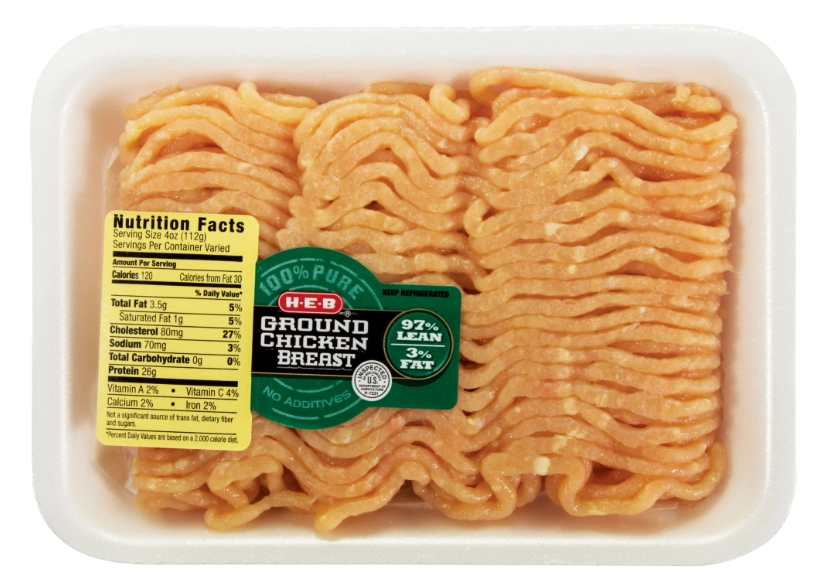
Making It Work for Your Goals: Practical Application
Knowing the numbers is one thing. Using them is another. Here’s how to apply this to real-life eating.
For Weight Loss or Maintenance
Stick with 93% lean or leaner. Your best friends are cooking methods that don't add fat: using non-stick spray instead of oil, baking, air-frying, or draining thoroughly after browning. Bulk it out! This is my number one strategy. Mix cooked ground chicken with a ton of vegetables—diced mushrooms, bell peppers, onions, spinach. You double your volume for very few added calories, feel fuller, and get more nutrients. A taco bowl with a base of lettuce, 4oz of cooked chicken, salsa, and Greek yogurt instead of sour cream is a fantastic, satisfying low-calorie meal.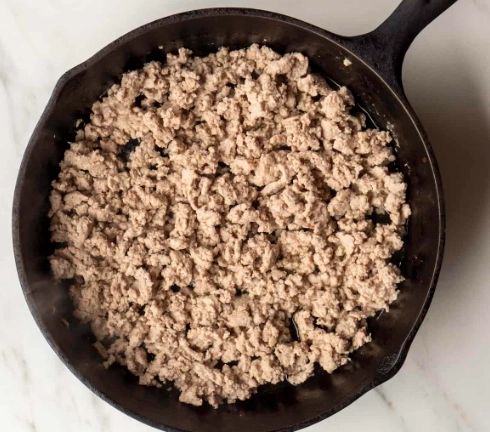
Watch Out: The sauces and sides are where diets crumble. That healthy chicken burger can become a calorie bomb with a bulky bun, mayo, cheese, and fries. Focus on the whole plate, not just the meat.
For Muscle Building or High Protein Diets
You need protein, but you also need enough total calories. The 93% lean is still excellent here—high protein, moderate calories. You might even afford the 85% lean sometimes for the extra flavor if your calorie budget allows. Pair it with complex carbs like brown rice or sweet potato to fuel your workouts. A post-workout scramble with ground chicken, eggs, and spinach is a powerhouse.
For General Health & Family Cooking
The Harvard Healthy Eating Plate model recommends filling about a quarter of your plate with protein. A serving of cooked ground chicken (about the size of your palm) fits perfectly. For families, mixing 85% and 93% lean can be a good compromise—better flavor for the kids, slightly lower fat for you. Hide vegetables in it. Grated carrots or zucchini disappear into meatballs or sauces.
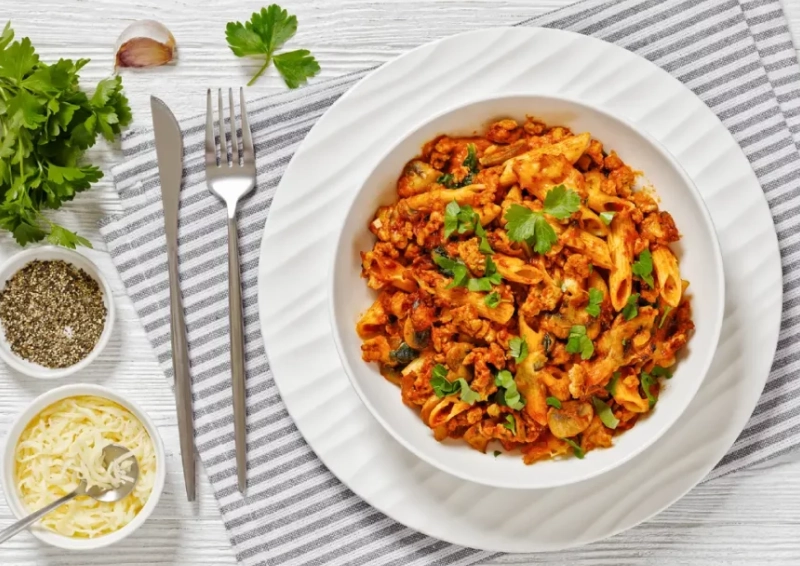
I've found that for things like chili, bolognese, or stuffed peppers, you can't tell much difference between 93% and 85% lean because of all the other flavors. So I always opt for the leaner one in those dishes. Save the higher-fat stuff for burgers or meatloaf where the texture and juiciness are front and center.
Answering Your Burning Questions (FAQs)
Is ground chicken healthier than ground beef?
At the same leanness level (like 93% lean), they are neck-and-neck in terms of calories and protein. The main health difference is the fat profile. Chicken fat has less saturated fat than beef fat. For heart health, that might give chicken a slight edge, but lean beef is still a healthy choice. "Healthier" also depends on your personal health goals—iron content, specific diets, etc. It's not a clear-cut win for chicken.
How many calories are in a typical serving?
This is the million-dollar question. A typical adult serving is about 4 ounces (113g) of raw meat. For 93% lean, that's about 160 raw calories. After cooking and draining, it will weigh about 3 ounces (85g) and contain roughly 155-160 calories. So, the total calories don't change dramatically if you drain the fat, but the calories per ounce go up. I always recommend weighing your cooked portion for the truest picture.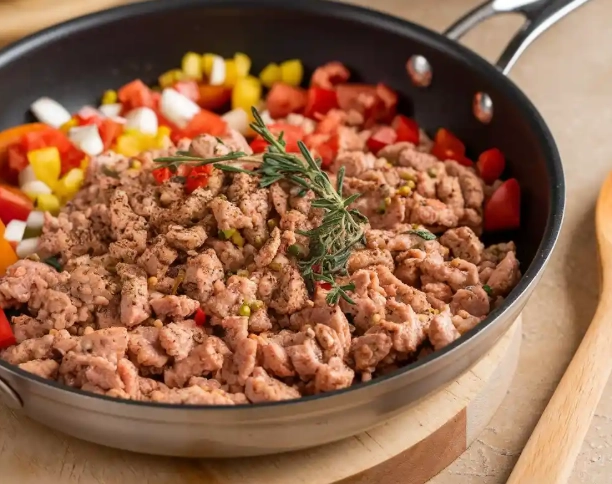
Does the dark vs. white meat matter for calories?
Absolutely. Generic "ground chicken" is often a mix of dark (thigh, leg) and white (breast) meat. Dark meat is naturally higher in fat and therefore calories. If you see "ground chicken breast" specifically, it will be as lean as it gets, close to that 98% lean data. "Ground chicken thigh" will be higher in fat and calories, but also more flavorful and moist.
Can I eat ground chicken every day?
You could, from a nutritional standpoint—it's a good protein source. But variety is a core principle of good nutrition. Relying on any single food means you might miss out on other nutrients found in different proteins like fish (omega-3s), legumes (fiber), or red meat (iron). Mix it up for a broader nutrient intake and to keep your meals interesting.
How do I make sure I'm buying the leanest option?
Don't just grab and go. Turn the package over and look at the Nutrition Facts panel. Find "Total Fat" per serving. For a 4oz (112g) raw serving, aim for under 10g of total fat, and ideally around 5-8g. Also, check the ingredients. It should say "chicken" and maybe "natural flavors." Avoid packs with added skin or listed fats.
 The label is your best friend. It doesn't lie.
Putting It All Together: A No-Stress Approach
After all this number-crunching, here's my simple, non-obsessive philosophy for dealing with calories ground chicken and fitting it into a healthy life.
- Choose 93% Lean as Your Default. It's the sweet spot for flavor, juiciness, and manageable calories. Buy it in bulk, portion it, and freeze it.
- Cook It Smart. Use minimal added fat. Drain the cooked meat in a colander to let excess fat run off. This one habit makes a tangible difference.
- Pair with Plants. Never serve it alone. Always combine it with vegetables and a smart carb. Think bowls, stir-fries, lettuce wraps, soups.
- Season Generously. Lean meat needs help. Don't be shy with herbs, spices, garlic, ginger, citrus, vinegar. Flavorful food is satisfying food, which helps with portion control.
- Relax About Perfection. If you use 85% lean once in a while, or add a bit of cheese to your chicken burger, the world won't end. Consistency over time matters more than any single meal. The fact that you're choosing ground chicken and thinking about its nutrition already puts you ahead.
I keep a few pounds of the lean stuff in my freezer at all times. It's my security blanket for quick, healthy meals. Knowing the real deal about its calories—not the oversimplified "chicken is low-cal" line—gives me control. I can make a delicious, hearty bolognese for my family or a quick protein-packed lettuce wrap for myself, knowing exactly what's on my plate.
It's just food. But informed choices turn good food into great fuel.
Related Articles