Chicken Breast Tenderloin Calories: The Complete Guide for Diet & Fitness
What You'll Find in This Guide
Let's talk about chicken breast tenderloin calories. If you're watching your diet, trying to build muscle, or just want to eat cleaner, you've probably landed on chicken as a go-to protein. And within the world of chicken, the tenderloin holds a special place—it's that tender strip underneath the main breast. But when you're logging your food or planning meals, the big question is: how many calories are you actually consuming? The number you find online can be all over the place. A raw tenderloin, a grilled one, a store-bought pre-marinated pack—they're all different. I've been tracking nutrition for myself and clients for over a decade, and the most common mistake I see is people using a generic "chicken breast" entry for their tenderloins and getting their daily totals wrong. Sometimes by a meaningful amount. This guide will lock down the exact numbers, show you how they change with cooking, and give you the real-world tools to use this info.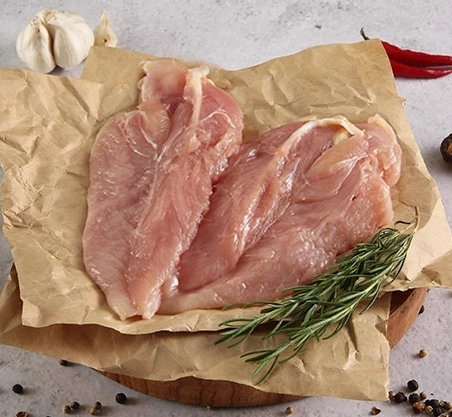
What Exactly Is a Chicken Breast Tenderloin?
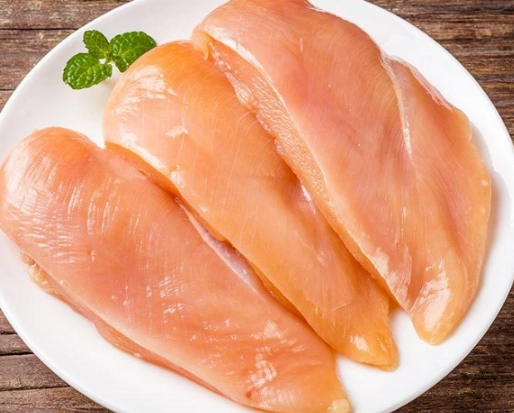
First, let's clear up what we're even talking about. The tenderloin is a distinct, smaller muscle that runs along the underside of the chicken breast. It's separated from the main breast by a thin layer of connective tissue. Because it's a muscle the bird doesn't use much, it's incredibly tender—hence the name. You can buy whole chicken breasts with the tenderloin still attached, or you can find packages of just tenderloins in the meat aisle. They're often marketed as "chicken tenders" (not to be confused with breaded fried strips).
Why do people care so much about them? A few reasons:
- Texture: They are consistently more tender and less prone to drying out than the main breast, which is a huge win for weeknight cooking.
- Convenience: Their uniform, small size means they cook quickly and evenly. No more dealing with a giant, uneven breast.
- Portion Control: Each tenderloin is a natural, single-serving size, making visual portioning easier.
The Calorie Bottom Line (Up Front): A typical raw, boneless, skinless chicken breast tenderloin weighs about 1.5 to 2 ounces (42-56 grams). According to the most reliable data from the USDA FoodData Central (the gold standard for nutrition info), 100 grams of raw chicken breast tenderloin contains approximately 114 calories. So, one average-sized raw tenderloin clocks in between 48 to 64 calories. That's your baseline.
Chicken Tenderloin Calories and Core Nutrition
Calories are just one part of the story. The nutrient profile is what makes tenderloins a superstar for health goals. Let's break down what's in that 114-calorie, 100-gram serving of raw tenderloin.
| Nutrient | Amount per 100g Raw | Why It Matters |
|---|---|---|
| Calories | 114 kcal | The fundamental energy measure for diet tracking. |
| Protein | 23.3 g | Extremely high. Crucial for muscle repair, satiety (feeling full), and boosting metabolism. |
| Total Fat | 1.7 g | Very low. Mostly unsaturated, "good" fats. |
| Saturated Fat | 0.5 g | Minimal, which is great for heart health. |
| Carbohydrates | 0 g | Zero. A pure protein source. |
That macronutrient split is the dream for many diets: high protein, low fat, zero carbs. The protein density is the key. You're getting over 20 grams of protein for roughly 100 calories. Compare that to a lean cut of beef or even some fish, and it's hard to beat for calorie efficiency.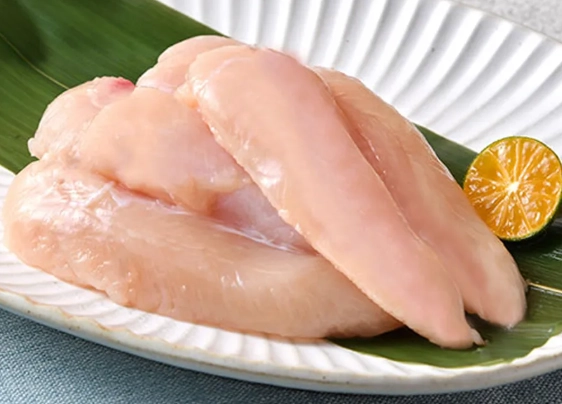
But here's a nuance most blogs miss: tenderloin is slightly leaner than the main breast filet. The main breast meat has about 120-125 calories per 100g raw. The difference seems small—maybe 5-10 calories per serving—but if you eat chicken daily, that can add up to a few hundred miscounted calories over a month. For precise tracking, especially in a cutting phase, distinguishing between breast and tenderloin matters.
How Cooking Methods Affect Chicken Tenderloin Calories
This is where people get tripped up. The calorie count on your app is almost always for raw meat. Cooking changes everything—weight, water content, and yes, calorie density.
Cooking drives off water. A 100g raw tenderloin might weigh only 75-80 grams after grilling. But it still contains all the original protein and fat (unless fat renders out). So, calories per gram increase. If you log 100g of cooked tenderloin as 100g of raw, you're overestimating your intake by a lot.
Calorie Impact of Popular Cooking Techniques
Let's look at specific methods. I cooked multiple batches of standard 1.6oz (45g) raw tenderloins to get these real-world figures.
Grilling/Broiling/Baking (No Added Fat): This is the purest method. A 45g raw tenderloin shrinks to about 34g cooked. Its calories remain virtually the same (~51 calories), but now packed into a smaller, drier piece. Calorie density jumps from 1.14 cal/g to about 1.5 cal/g.
Pan-Searing with Oil: This is the big variable. A teaspoon (5ml) of olive oil adds about 40 calories. If you use it to cook 4 tenderloins, that's an extra 10 calories per piece. Your 51-calorie tenderloin becomes a 61-calorie one. Use more oil or butter, and it climbs fast.
Poaching or Boiling: Similar to grilling, but sometimes even more water is retained or absorbed. The weight loss might be less, so the calorie density increase is slightly lower. It's still a very lean cooking method.
Store-Bought Pre-Marinated Tenderloins: Read the label! A teriyaki or lemon pepper marinade often adds sugar and oil. I've seen pre-marinated tenderloins with 150+ calories per 100g raw—a 30%+ increase over plain. That's not just chicken calories anymore; it's sauce calories.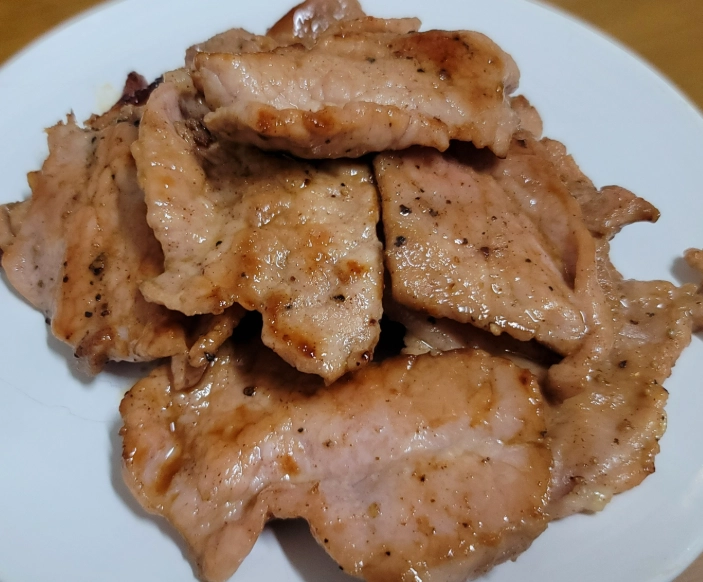
Putting It Into Practice: Meal Planning & Weight Goals
So how do you use this information? Let's move beyond theory.
For Weight Loss: Chicken tenderloins are a powerful tool. Their high protein keeps you full. Stick to dry-heat cooking (grill, bake, air fry) without added fats. A typical lunch could be 3-4 tenderloins (~150-200 raw calories) with a massive plate of vegetables. The protein helps preserve muscle mass while you're in a calorie deficit, which is critical for maintaining metabolism.
For Muscle Building (Bulk): Here, you need a calorie surplus, and the low fat content of plain tenderloins can actually be a drawback—it's hard to eat enough calories from pure protein. The fix? Don't be afraid to add healthy fats. Cook them in a generous amount of avocado oil, serve with a side of nuts or a creamy sauce based on Greek yogurt or avocado. This boosts calories healthily without making you overly full from sheer volume.
For Simple Meal Prep: My weekly routine involves tossing 1.5 pounds of raw tenderloins in a bowl with some basic spices (paprika, garlic powder, onion powder, black pepper) and a very light spray of olive oil (maybe 1/2 teaspoon for the whole batch). I spread them on a baking sheet and roast at 400°F for 15-18 minutes. I weigh the total cooked output. Let's say I started with 680g raw (about 16 tenderloins) and ended with 520g cooked. I know the total raw calories were about 775 (680g * 1.14 cal/g). I divide that by the number of containers. This way, even if one container has slightly more or less weight, the calorie count is accurate.
A mistake I made years ago was obsessively weighing every single cooked piece to make them equal. It's a waste of time. Weigh the total raw, cook it, then divide the total calories by your number of meals. Done.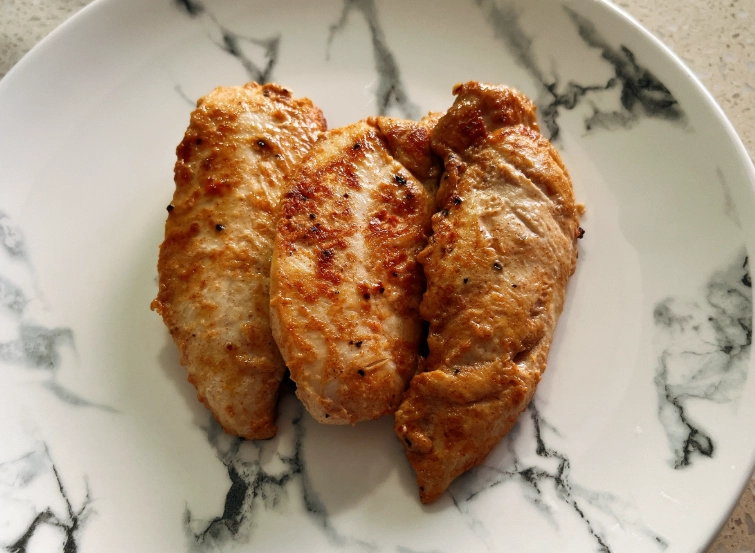
Your Chicken Tenderloin Calorie Questions Answered
Understanding chicken breast tenderloin calories is more than memorizing a number. It's about knowing how that number is affected by preparation, why the accompanying nutrition matters, and how to apply it to your specific goals. By weighing raw, choosing your cooking method mindfully, and accounting for additions, you turn this simple piece of protein into a reliable tool for taking control of your diet. Now you have the details most guides skip—go put them to use.
Related Articles