Chicken Tenderloin Calories: Exact Count & Nutrition Facts
Let's cut straight to the chase. A raw, skinless chicken tenderloin—that small, tender strip of meat underneath the breast—contains about 30 to 40 calories. For a more precise measure, a standard 1-ounce (28-gram) serving typically lands at 35 calories. But if you stop reading there, you're missing the whole story. That number is almost meaningless without context. The real answer to "how many calories are in a chicken tenderloin" depends entirely on what you do to it in your kitchen. A breaded and deep-fried tender from a restaurant can easily rocket past 150 calories, turning a lean protein into a calorie-dense treat. This guide will give you the exact numbers, explain the powerful nutrition behind them, and show you how to control the final calorie count on your plate.
What You'll Find in This Guide
- The Raw Numbers: Chicken Tenderloin Nutrition Facts
- How Cooking Transforms the Calorie Count
- Chicken Tenderloin vs. Breast vs. Thigh: A Calorie Showdown
- Buying and Storing for Maximum Freshness & Value
- Cooking It Right: Tips for Keeping Calories Low
- How to Include Chicken Tenderloin in Your Diet Plan
- Your Chicken Tenderloin Calorie Questions, Answered
The Raw Numbers: Chicken Tenderloin Nutrition Facts
Based on data from the USDA's FoodData Central, here’s the nutritional profile for a 3-ounce (85-gram) serving of raw, skinless chicken tenderloin. This is about the size of two to three average tenders.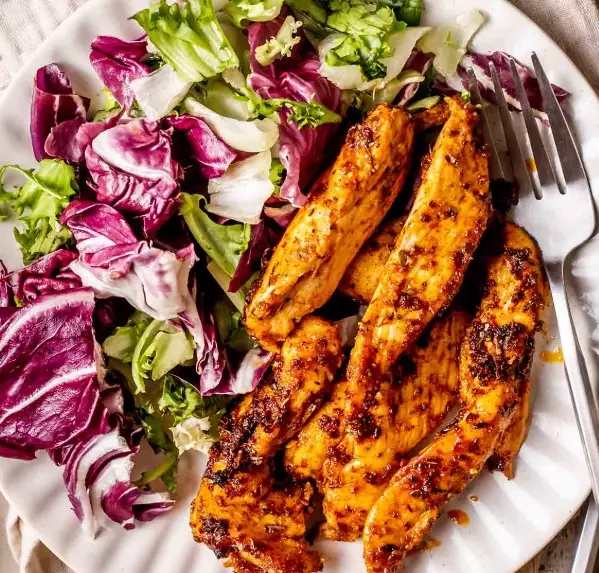
| Nutrient | Amount per 3oz (85g) | % Daily Value (DV)* |
|---|---|---|
| Calories | 100 kcal | 5% |
| Protein | 22g | 44% |
| Total Fat | 1.5g | 2% |
| Saturated Fat | 0.5g | 3% |
| Carbohydrates | 0g | 0% |
| Cholesterol | 65mg | 22% |
| Sodium | 55mg | 2% |
*Percent Daily Values are based on a 2,000 calorie diet.
The headline here isn't the modest calorie count—it's the protein-to-calorie ratio. Getting 22 grams of high-quality, complete protein for only 100 calories is exceptional. It's this ratio that makes chicken tenderloin a superstar for muscle building, satiety (feeling full), and weight management. The fat content is minimal and mostly unsaturated. There are no carbs, making it a staple in keto and low-carb diets. The cholesterol content looks high as a percentage, but for most people, dietary cholesterol has a much smaller effect on blood cholesterol than once thought, especially when coming from lean sources like this.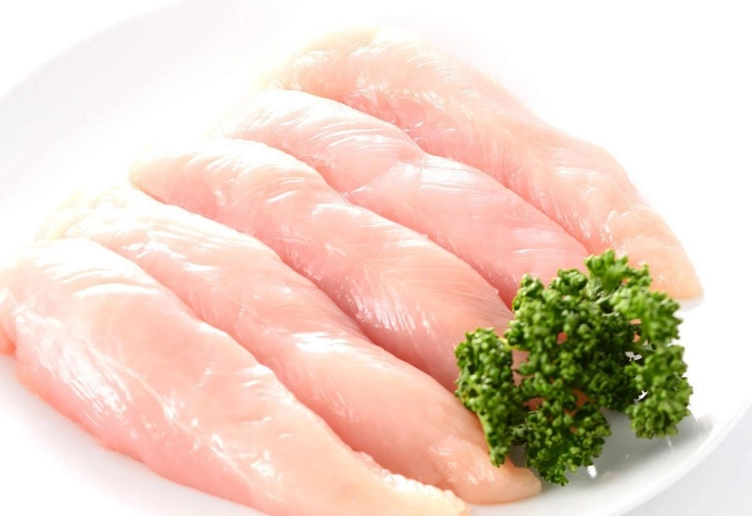
How Cooking Transforms the Calorie Count
This is where most generic articles fail. They give you the raw data and call it a day. But you don't eat raw chicken. The cooking method is the single biggest variable in the final calorie count of your chicken tenderloin.
The Calorie Multiplier: Oil, Batter, and Breadcrumbs
Think of a raw tenderloin as a blank, lean canvas. Every ingredient you add sticks to it. A tablespoon of olive oil (120 calories) used for pan-searing isn't all absorbed, but even a conservative 1/4 tablespoon absorption adds 30 calories. Now imagine a full breading station: flour, egg wash, and seasoned breadcrumbs. That coating acts like a sponge, soaking up frying oil. The transformation is dramatic.
Real-World Calorie Comparison (Per 3oz cooked serving):
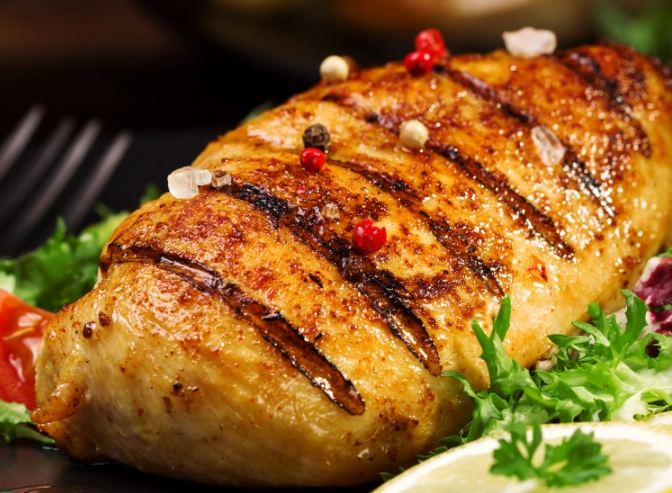
- Grilled/Baked (no added oil): ~110-120 calories. Minimal change from raw; some water loss concentrates nutrients.
- Pan-Seared (with 1 tsp oil): ~140-160 calories. The oil is the main contributor.
- Homemade Baked "Fried" (light breading): ~180-220 calories. Breading adds carbs and some fat.
- Restaurant Deep-Fried Tender: ~250-350+ calories. The worst offender. A study published in the Journal of Food Composition and Analysis on fast-food items shows how frying can triple the fat content. A popular chain's 5-piece chicken tender meal can exceed 500 calories just for the tenders, not including sauce.
My own mistake years ago was assuming "baked" meant low-calorie. I'd bake breaded tenders from the freezer aisle, thinking I was being healthy. The nutrition label revealed they often had more fat and calories than a plain pan-seared tender with a simple spice rub. The lesson? You have to account for everything that touches the chicken.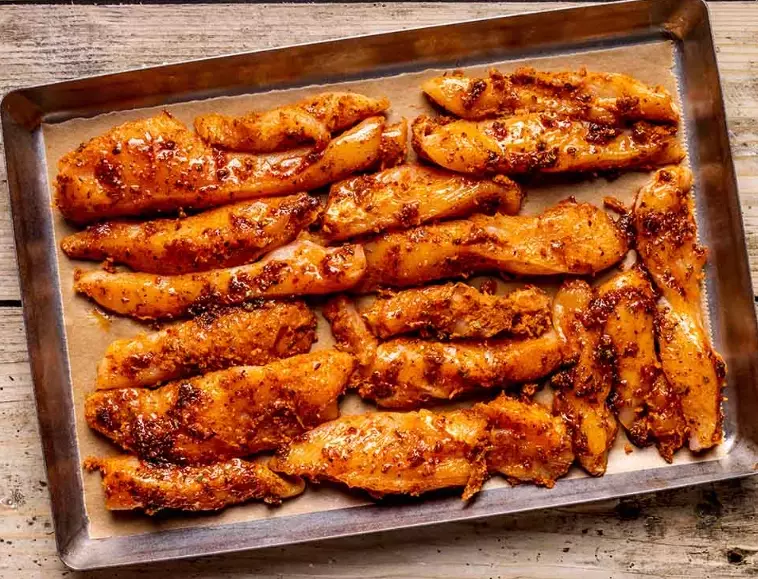
Chicken Tenderloin vs. Breast vs. Thigh: A Calorie Showdown
How does the tenderloin stack up against its more famous siblings? All values are for a 3-ounce cooked, skinless portion.
| Cut | Calories | Protein | Total Fat | Best For |
|---|---|---|---|---|
| Chicken Tenderloin | ~110 | 24g | 1.5g | Quick cooking, kid-friendly meals, precise portion control. |
| Chicken Breast | ~130 | 26g | 3g | Maximum protein per gram, meal prep, slicing for salads/sandwiches. |
| Chicken Thigh | ~180 | 21g | 10g | Flavor and juiciness, budget-friendly, more forgiving during cooking. |
The tenderloin is the leanest by a slight margin over the breast, but the breast wins on absolute protein. The thigh, with its higher fat content, is more calorically dense but also more flavorful and harder to overcook. The tenderloin's unique advantage is its size and texture. It cooks in minutes and is naturally more tender than parts of the breast, which can dry out if overcooked.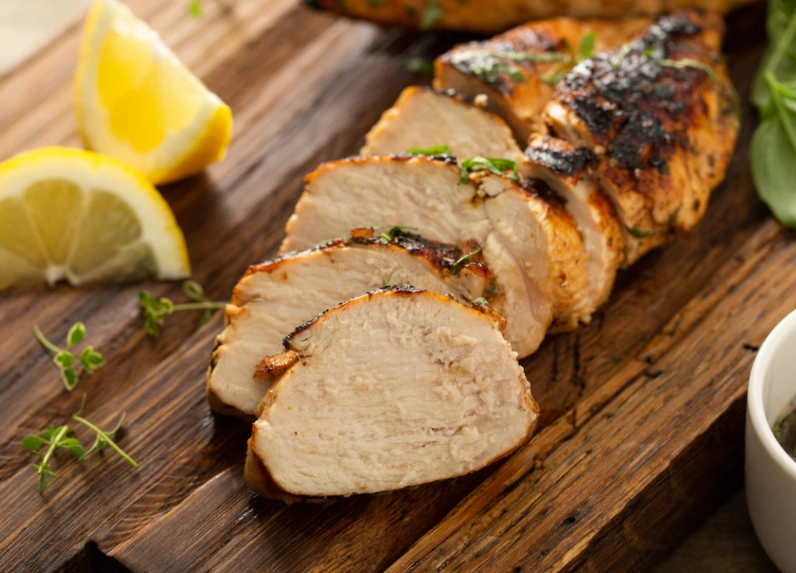
Buying and Storing for Maximum Freshness & Value
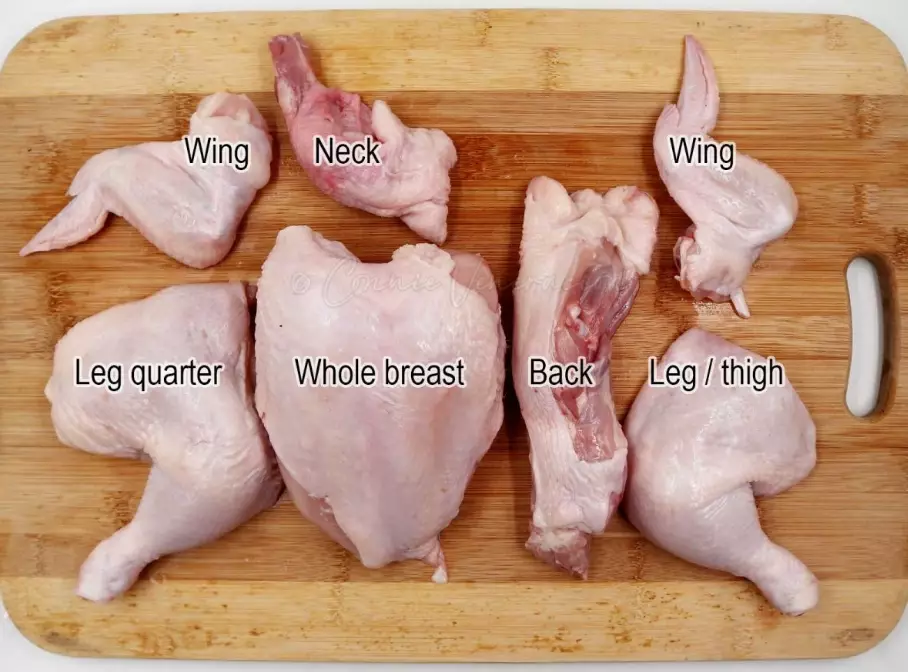
You can find chicken tenderloins sold separately in packages, but they often cost more per pound than whole chicken breasts. A pro tip? Buy a whole boneless, skinless chicken breast and cut the tenders off yourself. It's easy. Lay the breast flat, find the natural seam where the tenderloin (a distinct muscle) is loosely attached, and slice it off. You save money and get a larger breast piece for another meal.
Look for pink, firm flesh with no gray spots or strong odor. Check the "packed on" or "use by" date. Store them in the coldest part of your fridge (usually the back bottom shelf) and use within 1-2 days of purchase, or freeze immediately. For freezing, lay them in a single layer on a baking sheet until solid, then transfer to a freezer bag. This prevents them from freezing into a solid block, so you can grab just one or two at a time.
Cooking It Right: Tips for Keeping Calories Low
Want the flavor without the calorie explosion? Ditch the heavy breading.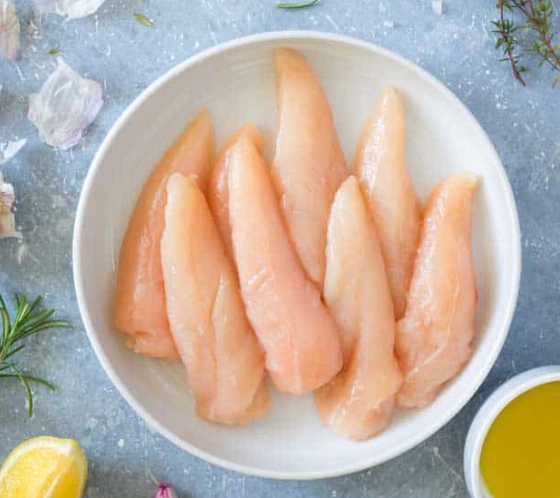
Dry Rubs and Marinades: A mix of paprika, garlic powder, onion powder, cumin, and a pinch of salt works wonders. For a marinade, use yogurt, lemon juice, vinegar, or a small amount of olive oil with herbs. The acid helps tenderize.
High-Heat, Fast Cooking: Tenderloins are thin. A screaming hot grill, grill pan, or skillet (with a light oil spray) will give you a great sear in 2-3 minutes per side without letting them dry out internally.
The "Oven-Fry" Method: Craving crunch? Dredge in seasoned whole-wheat flour or panko, place on a wire rack over a baking sheet, and spritz lightly with cooking spray. Bake at 400°F (200°C) for 12-15 minutes. The rack allows air circulation for an all-over crisp with a fraction of the oil.
How to Include Chicken Tenderloin in Your Diet Plan
Because of its lean profile, chicken tenderloin fits into almost any diet approach.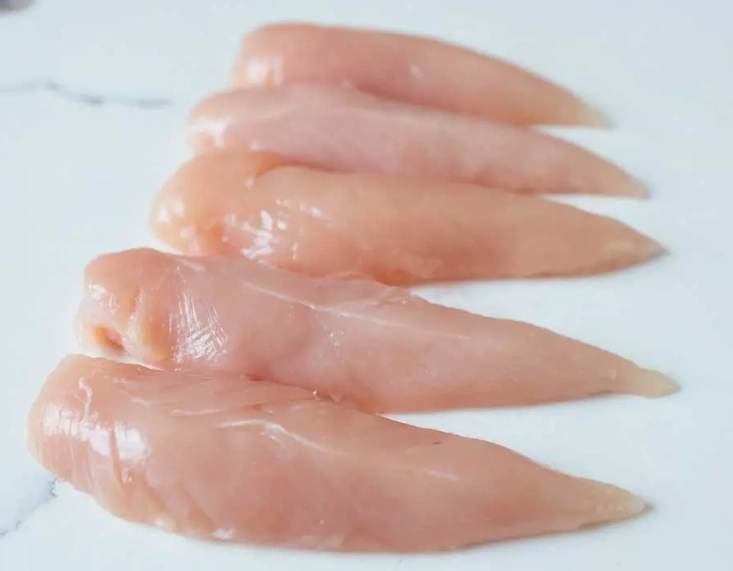
For Weight Loss: Its high protein and low calories make it ideal. Pair 4-5 ounces (2-3 servings) with a massive volume of non-starchy vegetables (broccoli, peppers, zucchini) and a small portion of complex carbs (quinoa, sweet potato). The protein and fiber will keep you full for hours.
For Muscle Building: You need both protein and calories. Here, you can afford to be more liberal with healthy fats. Cook your tenders with a bit more avocado oil, and serve with avocado, nuts, or a tahini sauce alongside your carbs.
For Meal Prep: Cook a large batch of simply seasoned grilled tenderloins on Sunday. Store them in the fridge for up to 4 days. They can be quickly added to salads, wraps, stir-fries, or pasta dishes throughout the week.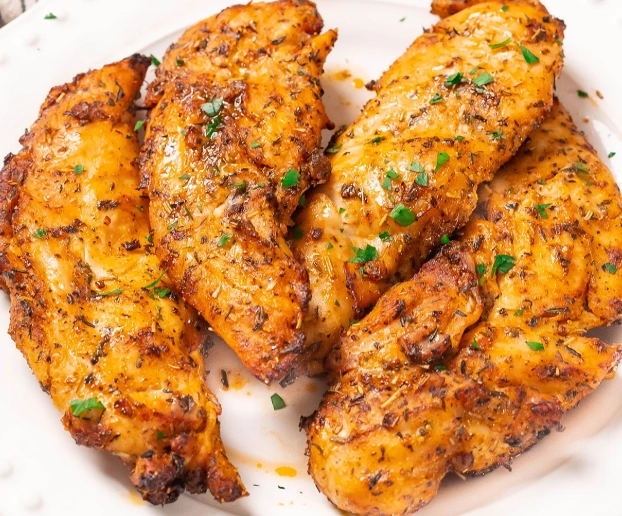
Your Chicken Tenderloin Calorie Questions, Answered
Related Articles