Ground Chicken Nutrition Label: A Complete Guide to Calories, Protein & Fat
You're standing in the meat aisle, holding a package of ground chicken. It says "lean," "all-natural," maybe "93/7." But what does that actually mean for your dinner and your health goals? The nutrition label is your roadmap, yet most people just glance at the calories and move on. I've spent years analyzing food labels, not as a scientist in a lab, but as someone who meal-preps every Sunday and has tried every diet from keto to Mediterranean. Let me tell you, the devil—and the real nutritional value—is in the details most shoppers miss.
What's Inside This Guide
Anatomy of a Ground Chicken Nutrition Label: Line by Line
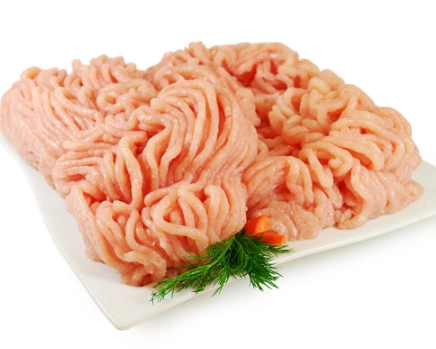
Let's pick up a typical 1-pound chub of ground chicken. The front has the marketing. The side or back has the truth: the Nutrition Facts panel and ingredients.
Serving Size: This is the first trap. It's almost always 4 ounces (112g) raw. If you're cooking for a family of four and using the whole pound, you need to multiply everything by four. I've seen countless people log just one "serving" for a meal made with an entire package.
Calories: Straightforward energy. For 93% lean ground chicken, expect about 160-170 calories per 4oz serving. This number shifts dramatically with fat content.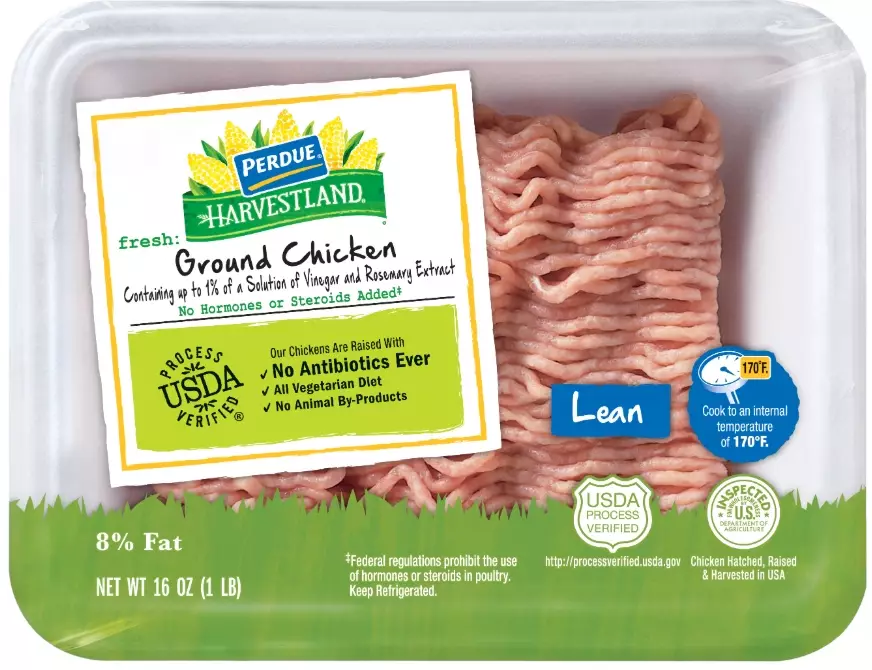
Total Fat, Saturated Fat, Trans Fat: Total fat is key. Saturated fat in poultry is relatively low, which is good. Trans fat should be 0g. This is where the "lean" percentage (like 93/7) comes from—it's the ratio of lean meat to fat.
Cholesterol & Sodium: Chicken naturally has cholesterol (about 70-80mg per serving). Sodium is the silent variable. Plain ground chicken has minimal sodium (around 60-80mg). But if it's "seasoned" or contains a "solution," sodium can skyrocket to 400mg or more. Always check.
Total Carbohydrates: Should be 0g for pure ground chicken. If you see carbs, check the ingredients—it might contain fillers or additives.
Protein: The star of the show. This is why you're here. For lean ground chicken, you're looking at 20-23 grams of high-quality, complete protein per 4oz serving. This is the number bodybuilders, fitness enthusiasts, and anyone looking to stay full fixate on.
Vitamins and Minerals: You'll see small amounts of Iron and Potassium. Chicken isn't a vitamin powerhouse, but it contributes.
The Ingredients List: This should be short. Ideally, it reads: "Chicken." Sometimes, "Chicken, Rosemary Extract." Rosemary extract is a natural preservative, nothing to worry about. Be wary of longer lists. I once saw "chicken, water, salt, natural flavors, dextrose"—that's a seasoned product with added sugar and sodium, masquerading as plain ground chicken.
93/7 vs. 99/1 vs. 85/15: The Fat Content Showdown
The numbers on the package—93/7, 99/1, 85/15—refer to the lean meat to fat ratio. This is the single biggest factor determining the nutrition profile. Here’s a breakdown based on data from the USDA FoodData Central, the gold standard for food composition.
| Type (Lean/Fat Ratio) | Calories (per 4oz raw) | Total Fat | Saturated Fat | Protein | Best For... |
|---|---|---|---|---|---|
| Extra Lean (99/1) | ~120 kcal | 1.5g | 0.5g | ~26g | Strict fat-loss phases, very low-fat diets. |
| Lean (93/7) | ~165 kcal | 8g | 2.5g | ~22g | Everyday healthy eating, balanced macros, meal prep. |
| Regular (85/15) | ~210 kcal | 13g | 4g | ~19g | Juicier burgers, meatballs, where flavor/fat is desired. |
Here's the non-consensus part: everyone pushes 99/1 as the "healthiest." In my experience, it's often a culinary mistake. It's so lean that it cooks up dry and crumbly unless you're very skilled. For most home cooks aiming for sustainable healthy eating, 93/7 is the sweet spot. It has enough fat to keep it moist and flavorful, a great protein-to-calorie ratio, and it's versatile. The 15-20 extra calories compared to 99/1 are worth it for a meal you'll actually enjoy.
85/15 isn't the enemy either. If you're making a juicy chicken burger for a weekend BBQ, use it. Just account for the extra 45 calories and 5g of fat in your day's plan. Nutrition isn't about perfection with every single ingredient; it's about informed choices across your whole diet.
Matching the Label to Your Diet Goals
The label isn't just facts; it's a tool. How you use it depends on what you want to achieve.
For Weight Loss
Your focus: Calorie density and satiety. You want the most protein for the fewest calories to stay full. Here, 99/1 or 93/7 wins. But look beyond the ground chicken itself. The real game is your recipe. Cooking 93/7 chicken with two tablespoons of olive oil (240 extra calories of pure fat) negates the leanness. Use non-stick pans, broth for sautéing, or an air fryer. Pair it with a huge volume of vegetables. The label gives you the base numbers; your cooking method controls the final tally.
For Muscle Building or Athletic Performance
Your focus: Total protein and overall calories. You need a calorie surplus and ample protein for repair. 93/7 is still excellent. The 20+g of protein per serving is what matters most. You might even opt for 85/15 if you're struggling to hit your higher calorie targets cleanly. The key is hitting your daily protein goal (say, 1.6g per kg of body weight, as suggested by the International Society of Sports Nutrition). Ground chicken is a efficient vehicle for that.
For Heart Health or Managing Cholesterol
Your focus: Saturated fat and sodium. All ground chicken is low in saturated fat compared to red meat. 99/1 or 93/7 are superb choices. The critical watchpoint is sodium. You must avoid any "seasoned" or "flavored" ground chicken. Stick to plain. When you cook it, control the salt you add. Use herbs, garlic, citrus, and spices instead.
Let me give you a real scenario. My friend was "eating clean" with ground chicken tacos but wasn't losing weight. We looked at his label: he was using 85/15, cooking in butter, and using a pre-made taco seasoning packet loaded with sugar and salt. Simply switching to 93/7, using a non-stick spray, and making his own seasoning (chili powder, cumin, garlic powder) cut nearly 300 calories and 500mg of sodium from two servings. The label was the starting point for that detective work.
"Natural," "No Antibiotics": Decoding Package Claims
The front of the package is a marketing minefield. Here’s what those common terms mean from a regulatory and practical standpoint.
"Natural": According to the USDA, this means the product contains no artificial ingredients or added color and is only minimally processed. It says nothing about how the chicken was raised, what it was fed, or its hormone/antibiotic status. It's a very broad term. Don't pay a premium for "natural" alone.
"No Antibiotics Ever" / "Raised Without Antibiotics": This is a meaningful claim. It means the chicken was never given antibiotics in its lifetime. This is important for people concerned about antibiotic resistance. It's verified by the USDA.
"Hormone-Free": This is almost a trick. By federal law, chickens in the U.S. are never given hormones. So any chicken product can technically say this, but they often use it as a marketing highlight. Don't be swayed.
"Organic": This is a strict, certified label (USDA Organic). It means the chickens were fed 100% organic feed, had outdoor access, and were not given antibiotics. Organic ground chicken will often have a similar nutrition profile to conventional, but you're paying for the farming practices.
My take? If you can afford it and it aligns with your values, "No Antibiotics" or "Organic" are the claims with substantive backing. "Natural" is fluff. Ignore "Hormone-Free." Your nutrition label's numbers—the fat, protein, sodium—are far more critical for your health outcomes than these front-label claims in most cases.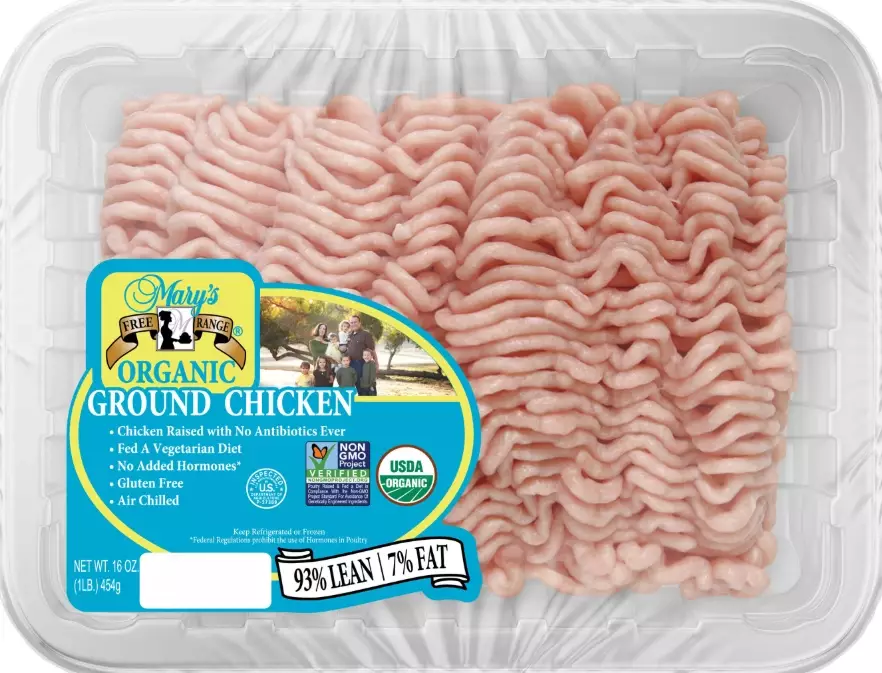
Your Ground Chicken Nutrition Questions, Answered
It depends on your definition of "healthy." Compared to 85/15 ground beef, lean ground chicken (93/7) has about half the saturated fat and slightly fewer calories for similar protein. Compared to 93/7 ground turkey, they are nutritionally almost twins—calories, fat, and protein are virtually identical. The choice then comes down to flavor preference, price, and availability. Turkey can sometimes be drier.
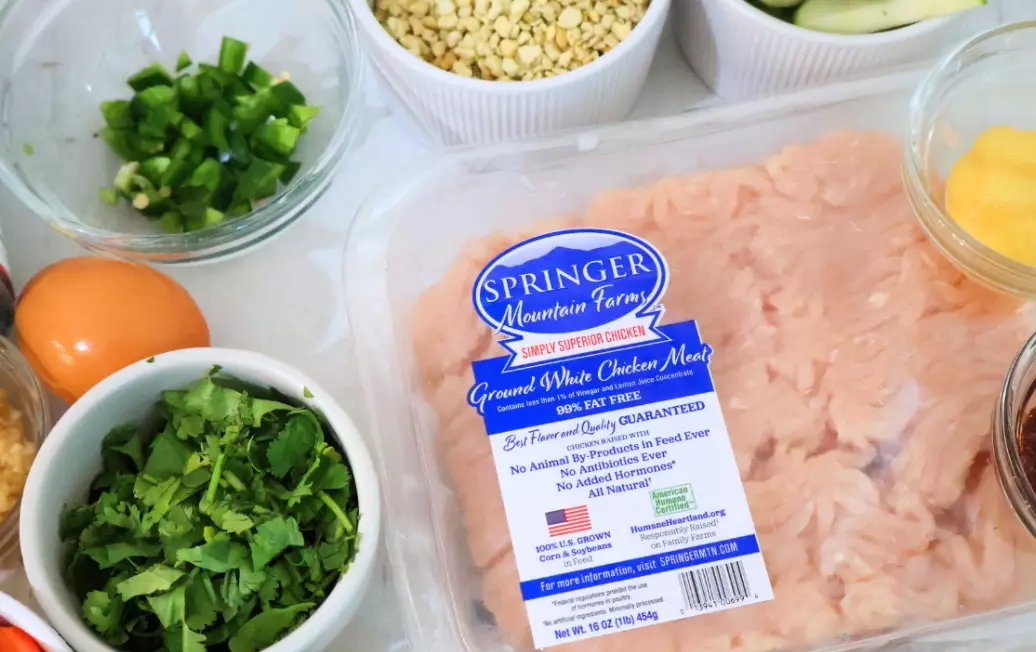
This is the hidden variable most people miss. Some producers add a saline or "solution" to the meat to enhance juiciness and weight (it's cheaper than adding more chicken). This can appear as "chicken broth" or "sea salt" in the ingredients. Always compare the milligrams of sodium on the Nutrition Facts panel. A plain product should have less than 100mg per serving. I've seen "natural" ground chicken with over 300mg—that's from added salt, not the chicken itself.
 How does cooking change the nutrition facts on the label?
The label is for raw weight. Cooking drains away fat and water, concentrating the protein and calories per ounce. A 4oz raw 93/7 patty yields about a 3oz cooked patty. It will have slightly less fat (some cooked off) but the same total protein. The calories become more concentrated. Most tracking apps have entries for "ground chicken, cooked" which account for this. For precision in diets, weigh your meat cooked and use those entries.
The serving size. It seems basic, but it's the root of most miscalculations. You must reconcile the serving size (e.g., 4oz) with the total package weight (e.g., 16oz). If you use half the package, you're having two servings. Double all the numbers. This simple step prevents you from unintentionally consuming double the calories and fat you thought you were.
Yes, and it's rarely labeled. Most standard ground chicken is a blend of light and dark meat. Some brands offer "ground chicken breast" (all white meat). This will be leaner—closer to 99/1—and slightly higher in protein per gram of fat. It will also be more expensive and can be drier. If you see a product with a surprisingly low fat percentage and a higher price, it might be breast-only. Check the fine print or ingredients.
Related Articles