White Meat vs. Dark Meat Chicken: Nutrition, Flavor & Best Uses
You're standing at the meat counter, packet of chicken breasts in one hand, chicken thighs in the other. Which one do you buy? If you default to breasts because you think they're the "healthy" choice, you might be missing out on flavor, easier cooking, and even some nutrients. The white meat vs. dark meat debate isn't about good and bad. It's about understanding two different ingredients that happen to come from the same bird. Let's cut through the confusion.
Quick Navigation: What You'll Learn
It's All About Muscle Function (Not Quality)
Forget the idea that dark meat is inferior. The color difference is pure biology. White meat comes from fast-twitch muscles used for short, explosive movements—the breast and wings. These muscles rely on glycogen for quick energy, resulting in lighter-colored fibers with less fat and myoglobin (an oxygen-storing protein).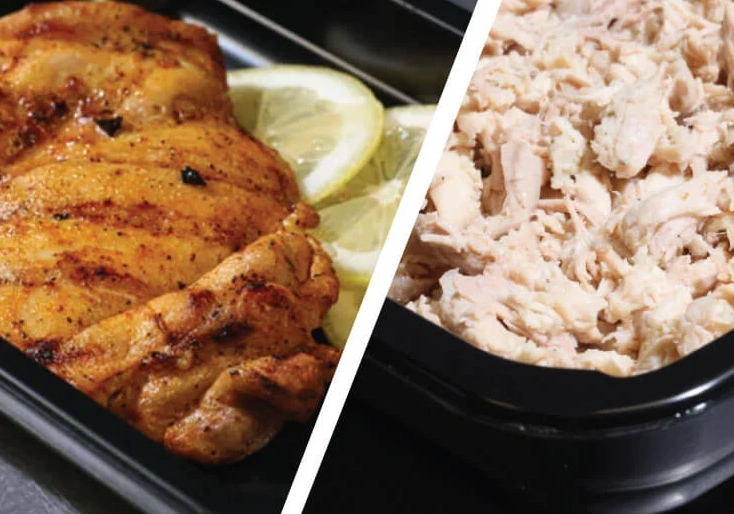
Dark meat comes from slow-twitch muscles—the legs and thighs. These are the bird's endurance muscles, used for standing and walking all day. They need a constant oxygen supply, hence the higher myoglobin content (which turns brown when cooked) and more fat for sustained energy. This isn't a flaw; it's brilliant design that directly impacts how you should cook each part.
Myoglobin is the key. It's the same protein that makes beef red and tuna steak dark. More myoglobin means darker color, richer flavor, and a higher iron content. So that juicy chicken thigh is essentially a miniature, poultry version of a beef steak in its muscle composition.
Nutrition Showdown: Is White Meat Really Healthier?
This is where most people get it wrong. Yes, white meat is lower in calories and fat. But "lower in fat" doesn't automatically mean "better for you." The fat in dark meat is where a lot of the flavor and nutrients live.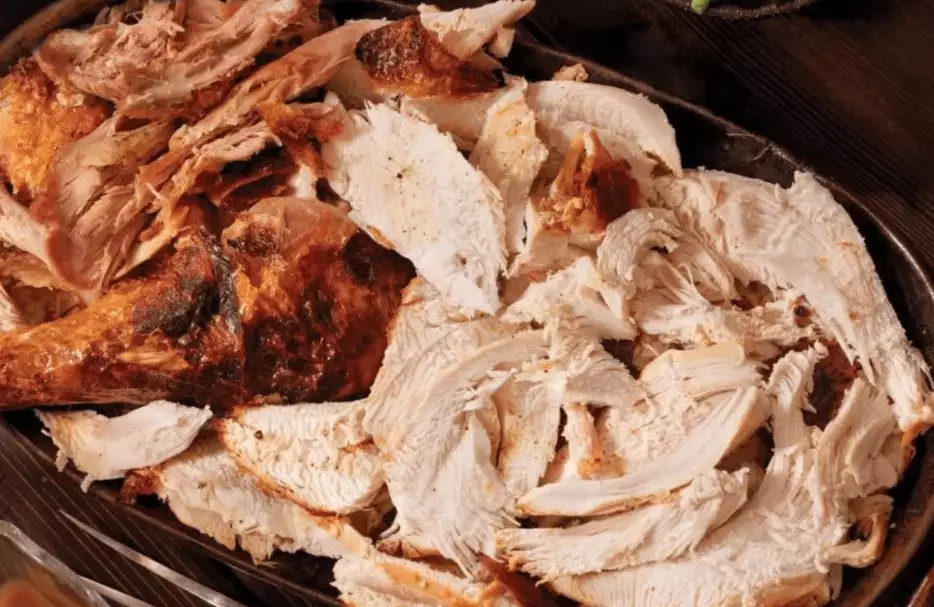
Let's look at a 3-oz (85g) cooked, skinless serving, based on data from the USDA FoodData Central:
| Nutrient | Chicken Breast (Skinless) | Chicken Thigh (Skinless) | Why It Matters |
|---|---|---|---|
| Calories | ~128 kcal | ~179 kcal | Breast wins for strict calorie counting. |
| Protein | ~26g | ~22g | Both are excellent sources. Breast has a slight edge. |
| Total Fat | ~9.3g | The major difference. Thigh fat is mostly unsaturated. | |
| Iron | ~0.6mg (4% DV) | ~1.1mg (6% DV) | Dark meat has nearly twice the iron, crucial for energy. |
| Zinc | ~0.7mg (6% DV) | ~1.6mg (15% DV) | Thighs provide significantly more, supporting immunity. |
| Vitamin B12 | ~0.3mcg (13% DV) | ~0.4mcg (17% DV) | Both are good, thigh is slightly higher. |
The takeaway? If your primary goal is maximum protein for minimal calories, choose breast. But if you're looking for a more nutrient-dense option with higher levels of essential minerals like iron and zinc—and you're not afraid of a few extra grams of healthy fat—dark meat is a fantastic choice. The fat also helps you feel fuller, longer.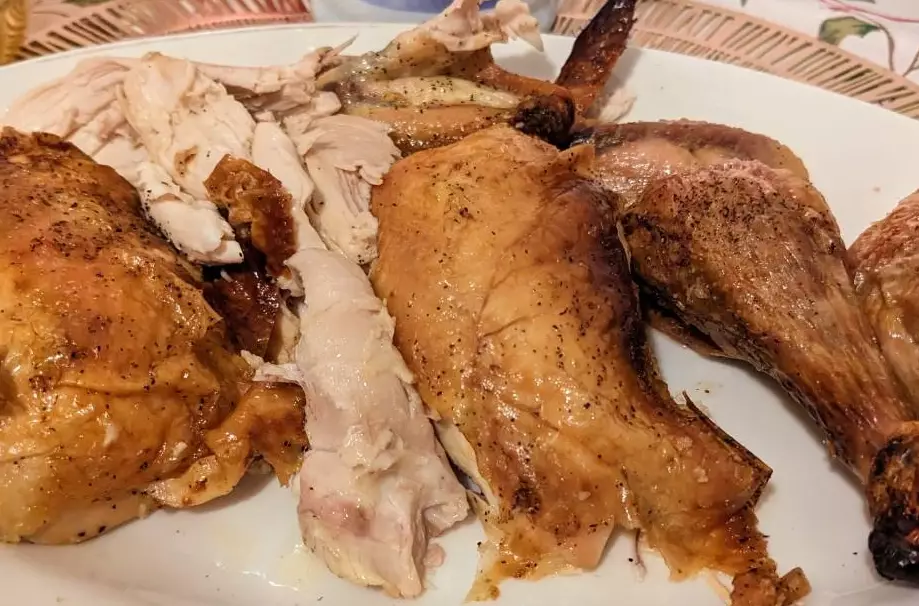
Flavor & Texture: Why Thighs Taste So Much Juicier
Fat equals flavor. It's a simple rule in cooking. The higher fat content in dark meat translates directly to a richer, more savory, and "chicken-y" taste. White meat is milder and more delicate.
Texture is the other huge factor. The fat and connective tissue in dark meat make it more forgiving during cooking. It retains moisture easily, leading to that tender, juicy bite. White meat, with its very low fat, has a tiny window between perfectly cooked and dry, chalky disaster.
I learned this the hard way years ago. I'd host dinners and serve dry, overcooked breast because I was terrified of undercooking poultry. My guests were polite, but the chicken was a chore to eat. Switching to bone-in, skin-on thighs for casual gatherings was a revelation. They stayed juicy even if I got distracted and left them in the oven a few minutes too long. Confidence restored.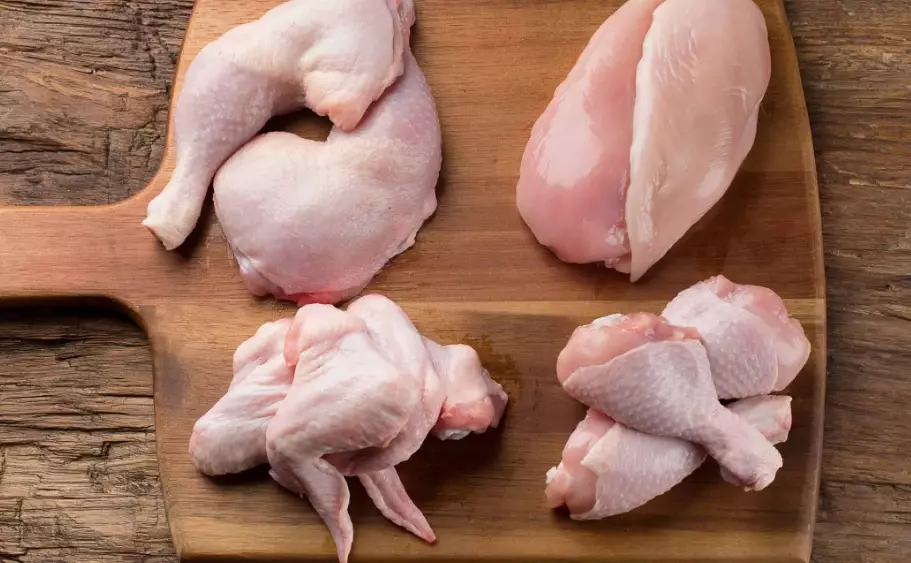
How to Cook White Meat Chicken Without Drying It Out
White meat demands precision and technique. Here’s how to treat it right.
The Golden Rule: Temperature, Not Time
Never cook chicken breast for "20 minutes." Always use a meat thermometer. The target is 165°F (74°C) at the thickest part. Pull it off the heat at 160-162°F (71-72°C)—the residual heat will carry it to safe temp while keeping it moist.
Essential Techniques for Juicy Breasts
- Brine it (Even for 30 minutes): A simple soak in saltwater (1/4 cup kosher salt per 4 cups water) seasons the meat deep inside and helps it retain water during cooking. This is the single biggest game-changer.
- Pound to Even Thickness: The tapered end cooks faster than the plump center. Place breast between plastic wrap and gently pound the thick end until it's uniform. This ensures even cooking.
- Cook Hot and Fast, Then Rest: Sear in a hot pan or grill to get color, then finish in a 400°F (200°C) oven. Let it rest for 5-10 minutes after cooking. Cutting too soon releases all the juices you worked hard to keep.
The Big Mistake Everyone Makes: They cook skinless, boneless breasts straight from the fridge. Cold meat in a hot pan causes the outside to overcook before the inside is done. Let your chicken sit on the counter for 15-20 minutes to take the chill off first. It makes a noticeable difference.
Mastering Dark Meat: From Crispy Skin to Fall-Off-The-Bone
Dark meat is your forgiving friend, but a few tricks elevate it from good to great.
For Crispy Skin (The Best Part)
Pat the skin bone-dry with paper towels. Season under the skin too. Start skin-side down in a cold pan, then turn the heat to medium. This slowly renders the fat, resulting in crackling-crisp skin without burning. Finish in a hot oven.
For Braises and Stews
Thighs are king here. The collagen and fat melt during long, slow cooking, enriching the sauce and making the meat incredibly tender. Don't use breasts for coq au vin or chicken curry—they'll become stringy. Sear thighs first for flavor, then let them simmer.
The Air Fryer Advantage
Dark meat shines in the air fryer. The high, circulating heat renders fat perfectly and crisps skin beautifully. Try tossing bone-in thighs with a little oil and your favorite spices, then air fry at 380°F (193°C) for 20-25 minutes. It's foolproof weeknight magic.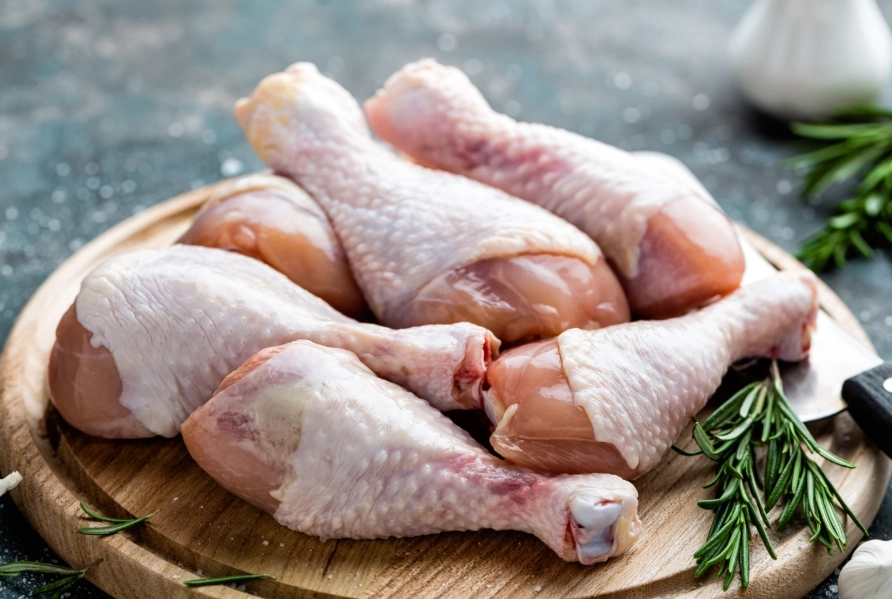
Choosing the Right Cut for Your Recipe: A Simple Guide
Stop guessing. Match the meat to the method.
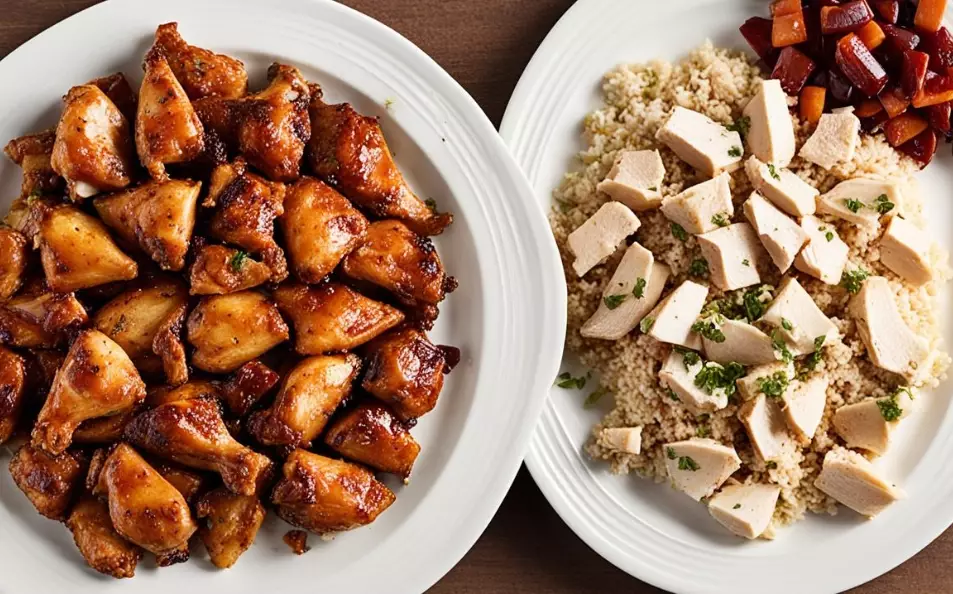
- Choose Chicken Breast (White Meat) for: Grilled chicken salads, piccata, schnitzel, stir-fries where quick cooking is key, or any dish where a lean, mild canvas is needed to carry other bold flavors.
- Choose Chicken Thighs (Dark Meat) for: Any kind of braise or stew, curries, sheet-pan dinners, grilling (harder to dry out), tacos (more flavor), and meal prep where reheating won't murder the texture.
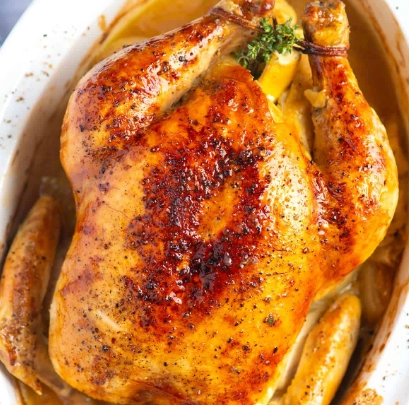
- Choose a Whole Chicken for: The best of both worlds. Roast it whole. The dark meat protects the white meat from drying out, and you get every flavor and texture in one pan.
My personal rule? For a Tuesday night quick dinner where I'm just seasoning and pan-searing, I grab thighs. For a specific recipe like a lemon herb chicken that's light and fresh, I'll take the time to brine and carefully cook breasts.
Your Chicken Questions, Answered
The white meat vs. dark meat choice isn't a test. It's a tool. Understanding their differences frees you to cook with intention. Want lean protein for a post-workout meal? Grab the breast. Hosting a family dinner where flavor and foolproof juiciness are paramount? The thighs won't let you down. Often, the best answer is to use both, appreciating each for what it uniquely brings to your table.
Related Articles