Dark Meat Chicken: A Complete Guide to Cuts, Cooking & Flavor
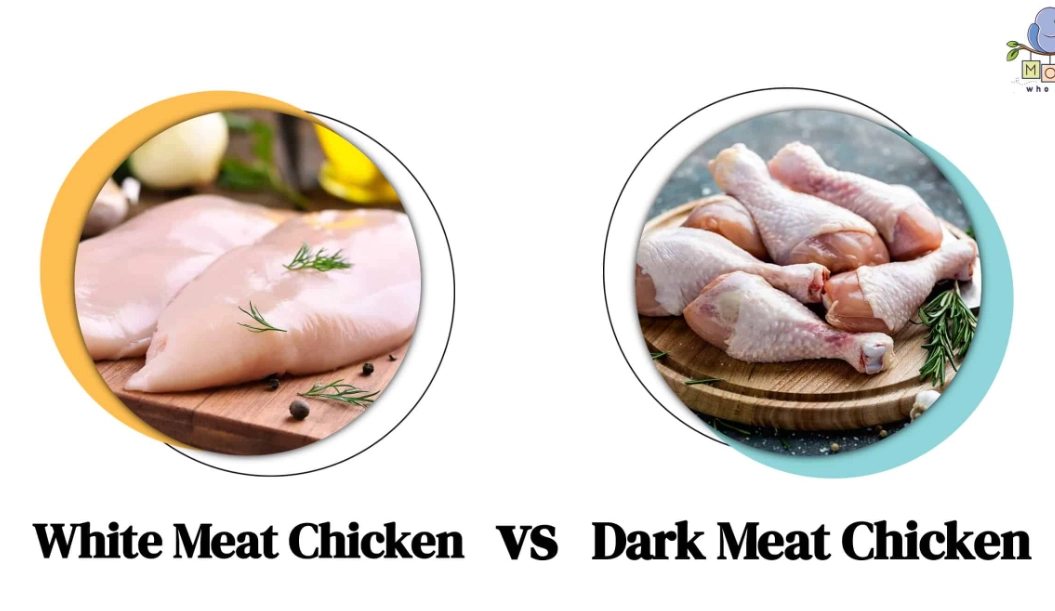
Let's settle this once and for all. When someone asks, "What parts of chicken are dark meat?", the simple answer is: the legs. Specifically, that means the thighs and the drumsticks. But if you stop there, you're missing the whole story—the why, the how, and the delicious potential locked in those darker, richer pieces of meat. The color difference isn't a flaw; it's a feature. It's the result of more myoglobin, an oxygen-storing protein, in the muscles that a chicken uses constantly for walking and standing. These muscles are worked more, developing more fat and connective tissue, which translates directly to the deep flavor and forgiving juiciness that makes dark meat a favorite among chefs and home cooks who hate dry chicken.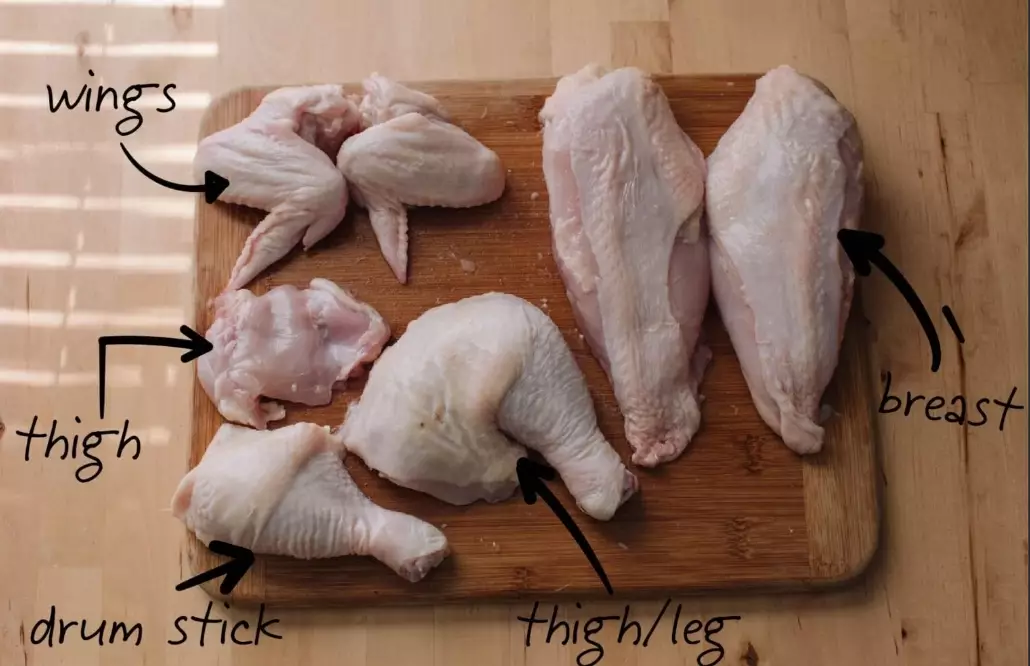
I've seen too many people shy away from dark meat, thinking it's less healthy or somehow inferior. That's a mistake. Understanding dark meat is the key to unlocking a whole new level of chicken cookery, from weeknight dinners to impressive Sunday roasts.
What's Inside This Guide
The Definitive List: What Parts of Chicken Are Dark Meat?
Forget the vague definitions. Here’s the exact breakdown you can take to the grocery store or butcher counter.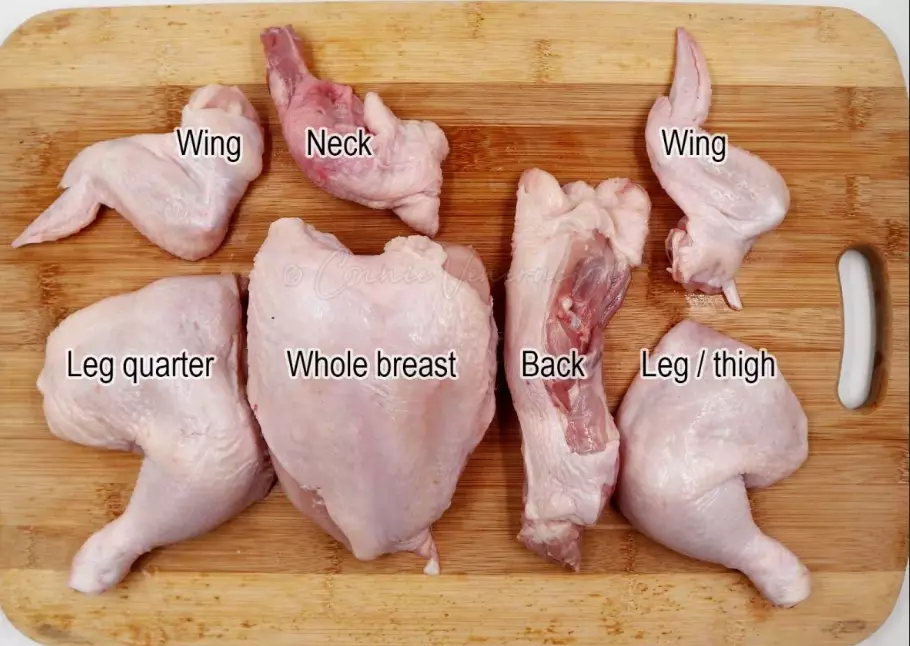
1. The Thigh
This is the crown jewel of dark meat. Located above the drumstick, it's a single, large muscle attached to the bone. You'll find it sold in a few ways:
Bone-in, Skin-on Thighs: The gold standard for maximum flavor. The bone acts as a heat conductor, and the skin crisps up beautifully, protecting the meat. Perfect for roasting, grilling, or braising.
Boneless, Skinless Thighs: The ultimate weeknight convenience cut. They cook fast, are incredibly juicy even if you overcook them a bit, and are ideal for stir-fries, curries, skewers, and quick sautés. This is my personal go-to for guaranteed non-dry chicken.
2. The Drumstick
The lower part of the leg, the drumstick is attached to the thigh by a joint. It's all dark meat surrounding a single bone. It's often loved for its handheld, fun-to-eat quality (think picnic chicken). The meat is slightly firmer in texture than the thigh but equally flavorful.
The Common Point of Confusion: What About the Wings?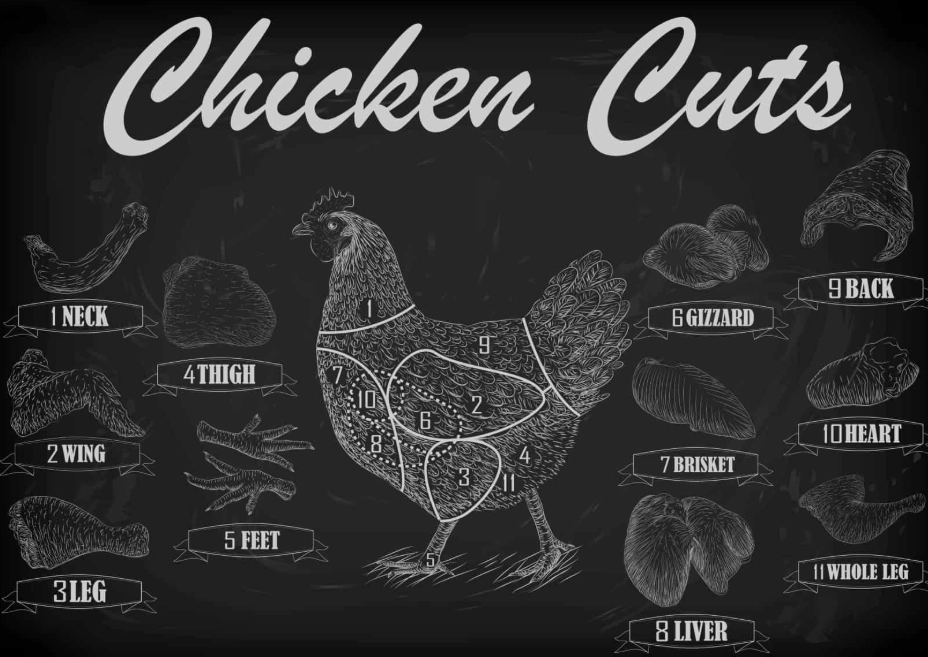
This is where most online guides get it wrong or oversimplify. The wing is a hybrid. It has two main segments:
The drumette (the part that looks like a mini drumstick) is technically white meat, but it behaves more like dark meat because of its higher fat and connective tissue content. It stays juicy.
The wingette or flat is white meat. It has less fat and can dry out more easily if overcooked.
So, while the wing isn't purely dark meat, it's often grouped with dark meat for cooking purposes because its best preparation methods (frying, slow roasting, braising) align with dark meat techniques.
| Cut of Chicken | Meat Type | Key Characteristics | Best For... |
|---|---|---|---|
| Thigh (Bone-in) | Dark Meat | Very juicy, rich flavor, forgiving, has bone & skin. | Roasting, grilling, braising, smoking. |
| Thigh (Boneless) | Dark Meat | Extremely tender, quick-cooking, versatile. | Stir-fries, curries, kebabs, pan-searing. |
| Drumstick | Dark Meat | Hearty texture, fun to eat, holds marinades well. | Baking, frying, braising, grilling. |
| Breast | White Meat | Lean, mild flavor, can dry out easily. | Quick pan-searing, poaching, baking (with care). |
| Whole Wing | Mixed | High skin-to-meat ratio, great for crispy textures. | Frying, baking with high heat, buffalo sauce. |
Why Dark Meat Tastes Different: Flavor, Nutrition & The "Juicy" Factor
The magic of dark meat isn't an accident. It's biology and a bit of chemistry.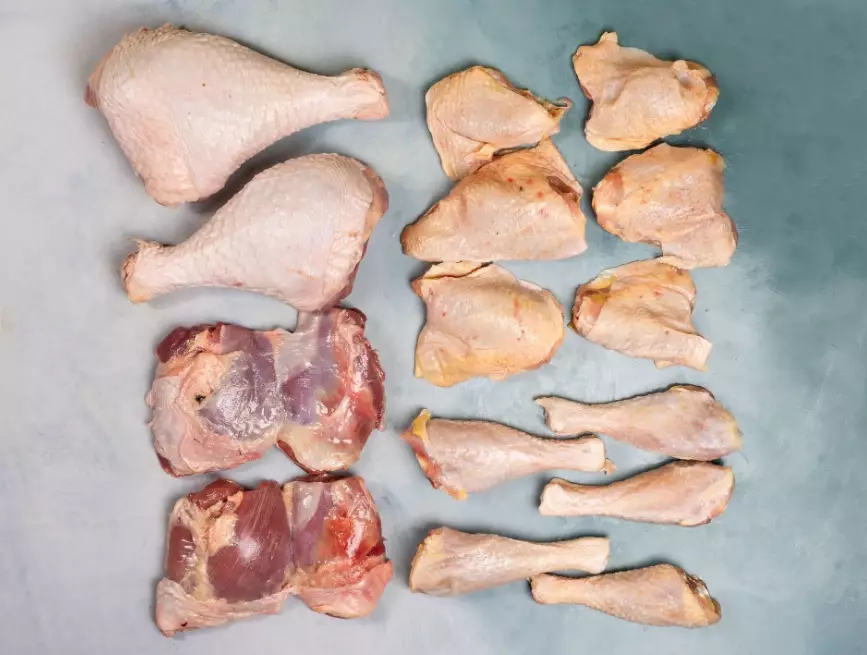
More Fat and Connective Tissue: Leg muscles are endurance muscles. All that work means they develop more intramuscular fat and collagen. When cooked, especially with slow, moist heat, that collagen melts into gelatin. That's what gives braised chicken thighs or confit that luxurious, mouth-coating richness and fall-off-the-bone tenderness you simply cannot get from a breast. The extra fat also carries flavor compounds directly, making every bite more intense.
The Nutrition Picture (It's Not Bad!): Yes, dark meat has more fat and calories than white meat. But let's be specific. The difference for a 3-ounce cooked portion is about 30-50 calories and 3-5 grams of fat. Much of this fat is monounsaturated—the same heart-healthy type found in olive oil. Dark meat is also significantly higher in iron, zinc, and B vitamins like B12 and riboflavin, according to the USDA FoodData Central database. If you're eating chicken for protein, both deliver. If you're eating for satiety and flavor, dark meat often wins because the fat helps you feel fuller longer.
Chef's Secret: The "Carryover Cooking" Advantage
Here's a subtle point most recipes don't mention: dark meat's forgiving nature is partly due to its higher fat content acting as insulation. When you pull a chicken thigh off the heat at 165°F (74°C), it might rise to 170°F (77°C) from carryover cooking. That's fine—it's still juicy. A breast pulled at 165°F can soar to 175°F+ and cross into dry, stringy territory in minutes. This margin of error is why I recommend dark meat to nervous cooks.
How to Cook Dark Meat Chicken Perfectly: Techniques Unlocked
Dark meat shines with cooking methods that honor its structure. You can be more aggressive.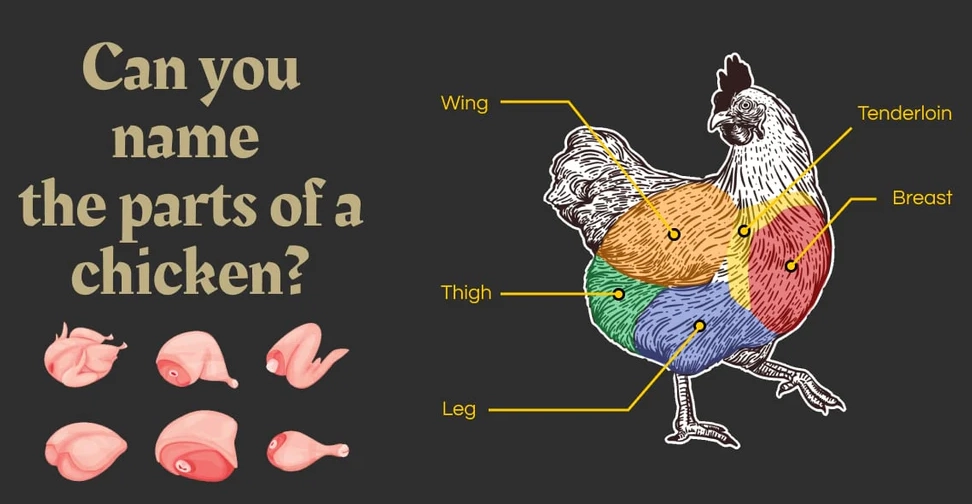
High-Heat Methods (To Crisp the Skin)
Roasting/Baking: Pat the skin very dry. Season under the skin too. Start in a hot oven (425°F/220°C) to render fat and crisp the skin, then lower the heat to finish cooking through. A rack on the baking sheet is your friend for airflow.
Grilling: Use medium-high direct heat. Don't move the thighs or drumsticks constantly. Let them develop a sear and release naturally. To prevent flare-ups from dripping fat, keep a cool zone on your grill to move pieces if needed.
Slow & Low Methods (To Tenderize)
Braising & Stewing: This is where dark meat becomes transcendent. Brown the pieces first for flavor, then let them simmer gently in liquid (wine, stock, tomatoes) for at least 45 minutes to an hour. The collagen breaks down, the meat becomes incredibly tender, and the sauce becomes rich and silky. Think coq au vin, chicken cacciatore, or a simple curry.
Confit: The classic French method of cooking thighs slowly submerged in their own rendered fat. The result is unbelievably tender, flavorful meat with preservative qualities. It's a project, but a rewarding one.
The Quick-Cook Method: Boneless, Skinless Thighs
Cut them into strips or cubes for stir-fries. Pound them slightly to an even thickness for quick pan-searing (3-4 minutes per side over medium-high heat). They're done when firm to the touch and no longer pink inside. Their built-in juiciness means you can focus on the sauce or seasoning without worrying about timing down to the second.
Buying and Storing Dark Meat: A Practical Guide
At the Store: Look for plump, moist-looking pieces. The skin should be intact and creamy-colored, not gray or dried out. For boneless thighs, check that there isn't excessive liquid in the package (a sign of over-processing). Buying a whole chicken and cutting it up yourself is the most economical way to get both dark and white meat. Websites like the National Chicken Council offer good basic resources on chicken handling.
Storage: Use or freeze by the "use-by" date. For freezing, wrap individual pieces tightly in plastic wrap and then place in a freezer bag, pressing out all air. They'll keep well for 3-4 months. Thaw in the refrigerator overnight.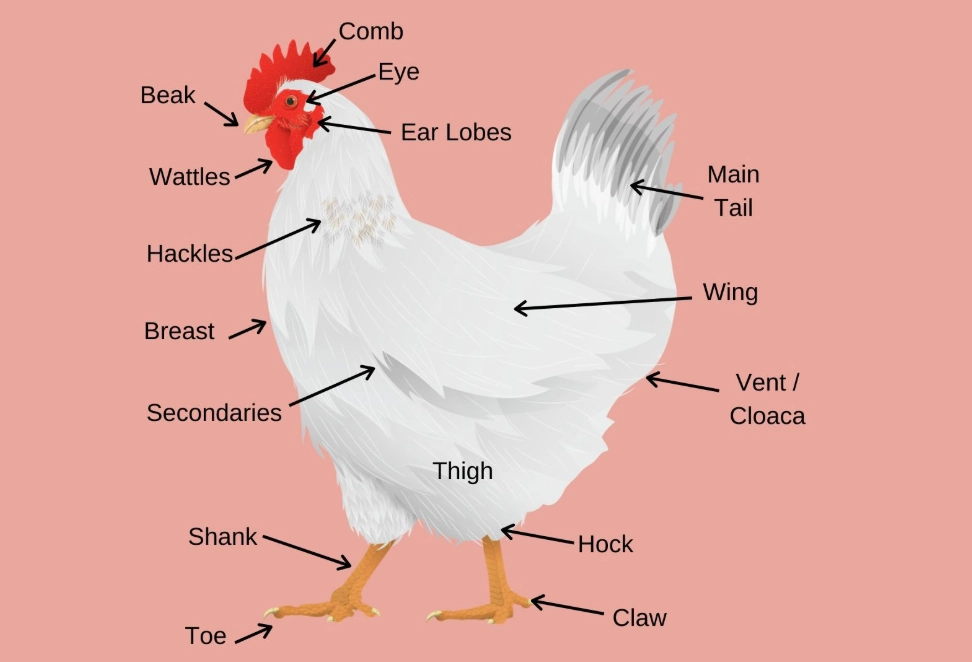
Your Dark Meat Questions, Answered
The health framing is often too simplistic. Dark meat has more calories and fat, but it also delivers more key nutrients like iron and zinc. For most people eating a balanced diet, choosing dark meat for its flavor and satiety is a perfectly healthy choice. The cooking method matters more—a fried, skinless breast isn't inherently healthier than a baked, skin-on thigh where you don't eat all the skin.
This is completely normal and safe. The bone marrow can leach a red or pink pigment (hemoglobin) into the surrounding meat during cooking. As long as the meat itself is opaque and has reached an internal temperature of 165°F (74°C) measured away from the bone, it is safe to eat. This is a common scare that leads to overcooking.
 Can I substitute dark meat for white meat in any recipe?
Almost always, yes, and it will often be more forgiving. The main adjustment is cooking time. Dark meat, especially bone-in, often needs 5-10 minutes longer than breast meat at the same temperature. For quick-cooking methods like stir-fries, boneless thighs work as a direct 1:1 swap and are superior in my opinion because they won't dry out while you prep other ingredients.
The enemy of crispiness is moisture. Pat the skin obsessively dry with paper towels. Season with salt (which also draws out moisture) at least 30 minutes before cooking, leaving the chicken uncovered in the fridge. Start cooking in a cold pan, skin-side down, over medium heat. This slowly renders the fat without burning the skin. Then increase the heat to finish crisping. Don't crowd the pan.
Start with boneless, skinless thighs in a familiar, saucy dish like a pasta sauce, curry, or fajitas. The texture is tender and the flavor is richer but not "gamey." Once they're hooked on the juiciness, try crispy baked drumsticks—they're fun and often a hit with kids. Present it as the "chef's secret" for better flavor, not as a compromise.
Related Articles