Raw Chicken Cutlets: Your Ultimate Guide to Prep, Cook & Enjoy
In This Article
Let's talk about raw chicken cutlets. You've probably seen them at the grocery store—those thin, boneless pieces of chicken breast, just waiting to be turned into dinner. They're a weeknight lifesaver, but also surprisingly easy to mess up. Ever ended up with a dry, rubbery piece of chicken that tastes like cardboard? I have. My first attempt at cooking chicken cutlets was a disaster. I threw them in a screaming hot pan and walked away, convinced I was a chef. I came back to something that could have doubled as a hockey puck.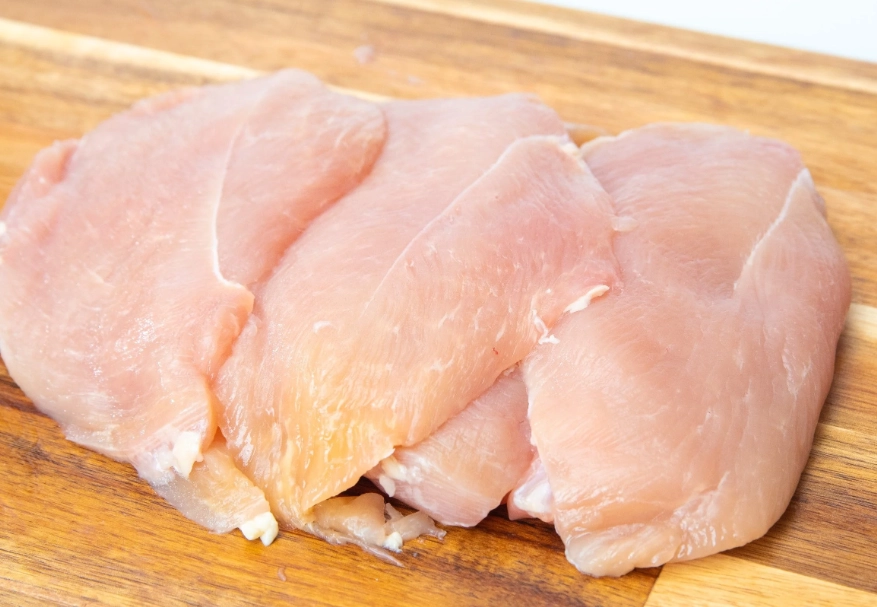
That experience taught me a lot. Raw chicken cutlets aren't just "small chicken breasts." Their thinness is both their greatest asset and their biggest trap. It means they cook fast, but they also overcook in a blink. This guide is everything I wish I knew back then. We're going deep on how to choose them, prep them, and cook them so they're always juicy and full of flavor. Forget the generic advice. We're getting into the details that actually matter.
What Exactly Are Raw Chicken Cutlets?
At its core, a raw chicken cutlet is a slice of chicken breast that's been pounded or sliced to an even thickness, usually between 1/4 and 1/2 inch. They're the starting point for classics like Chicken Piccata, Chicken Parmesan, schnitzel, and simple sautéed chicken. But here's a nuance most recipes don't tell you: the term "cutlet" often implies it's been mechanically tenderized. That little label on the package matters. It means tiny blades or needles have pierced the meat to break down fibers. It makes the meat more tender, but it also means any surface bacteria can be pushed inside, making proper cooking to 165°F (74°C) non-negotiable for safety, as per USDA guidelines. If you're pounding them yourself from a whole breast, you have more control, but the store-bought pre-cut version is a huge time-saver.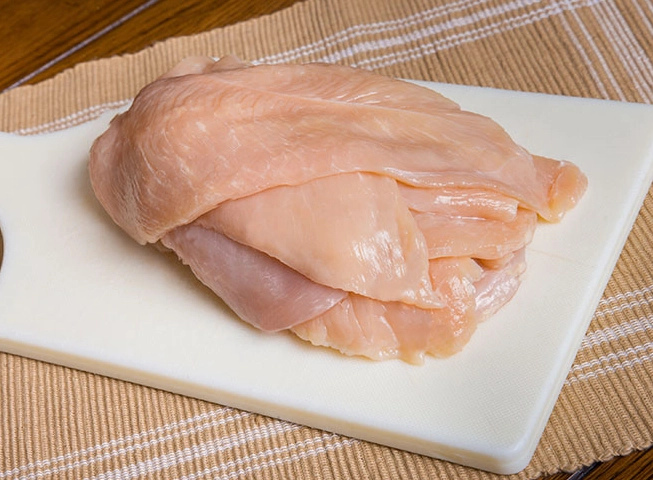
How to Select and Buy the Best Raw Chicken Cutlets
Not all packages are created equal. Walking into the meat section can be overwhelming. Here’s what to look for, beyond just grabbing the cheapest one.
The Visual Check: The cutlets should look moist but not slimy. The color should be a light pink, not gray or yellow. Avoid any packages with lots of liquid pooling at the bottom—it often means the chicken has been frozen and thawed, or is just old.
Thickness is your secret weapon. I look for packages where the pieces are as uniform as possible. A 1/2-inch cutlet and a 1/4-inch cutlet in the same pack will never cook evenly. One will be perfect while the other is bone-dry.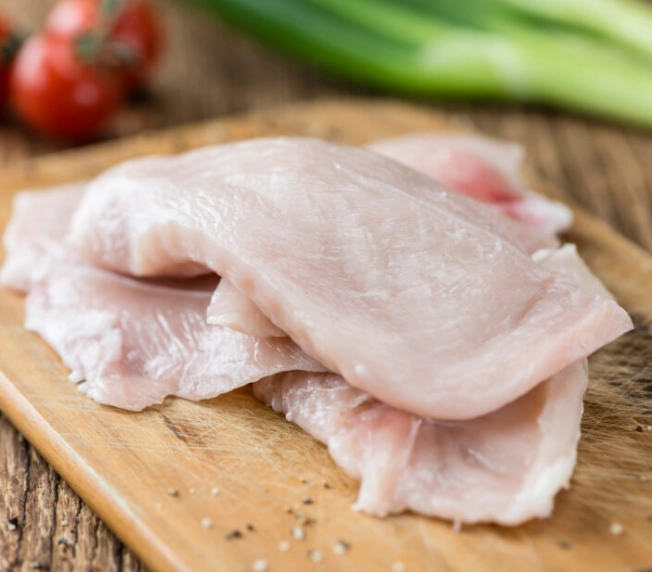
Then there's the label maze. Here’s a quick breakdown of what you’re really getting:
| Label Term | What It Usually Means | My Take |
|---|---|---|
| Air-Chilled | Chickens were cooled with air, not water. This results in less water weight and often more concentrated flavor. | Worth the extra dollar if you can find it. The chicken sears better because it's not waterlogged. |
| No Antibiotics Ever | Raised without antibiotics. | A personal choice for health and farming practices. Doesn't directly affect flavor or texture. |
| Hormone-Free | No added hormones. (Note: U.S. regulations already prohibit hormones in poultry). | This is mostly marketing. All chicken in the U.S. is hormone-free by law. |
| Enhanced or "Seasoned" | Injected with a saline or broth solution (up to 15%!). May contain phosphates to retain moisture. | I avoid these for cutlets. The extra water steams the meat instead of letting it sear, and they can taste unnaturally salty or artificial. |
My go-to? Plain, air-chilled chicken breast cutlets. I'd rather control the salt and flavor myself.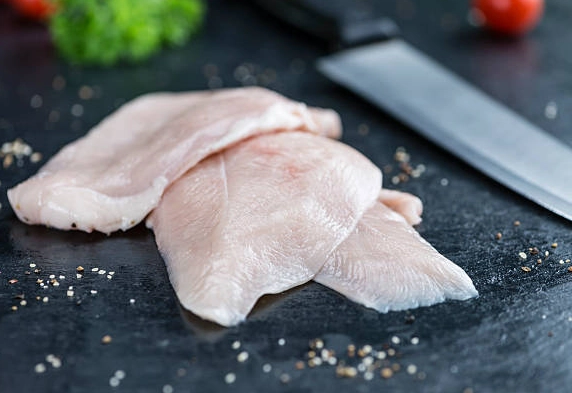
Expert Tips for Preparing Raw Chicken Cutlets
This is where the magic happens. Skipping prep is the #1 reason home cooks end up with disappointing chicken.
The Non-Negotiable: Pat Them Dry
Take a paper towel and dry every surface of those raw chicken cutlets. I mean it. Get them as dry as you can. Moisture is the enemy of browning. If the cutlet is wet, it will steam in the pan, giving you a pale, unappetizing piece of meat. A dry surface means immediate, beautiful sear.
To Pound or Not to Pound?
Even if you bought pre-cut cutlets, giving them a gentle whack with a meat mallet, rolling pin, or even a heavy skillet does two things: it ensures perfect, even thickness, and it tenderizes the meat by breaking down fibers. Place the cutlet between two sheets of plastic wrap or in a zip-top bag. Pound from the center outward. Aim for that uniform 1/2-inch thickness.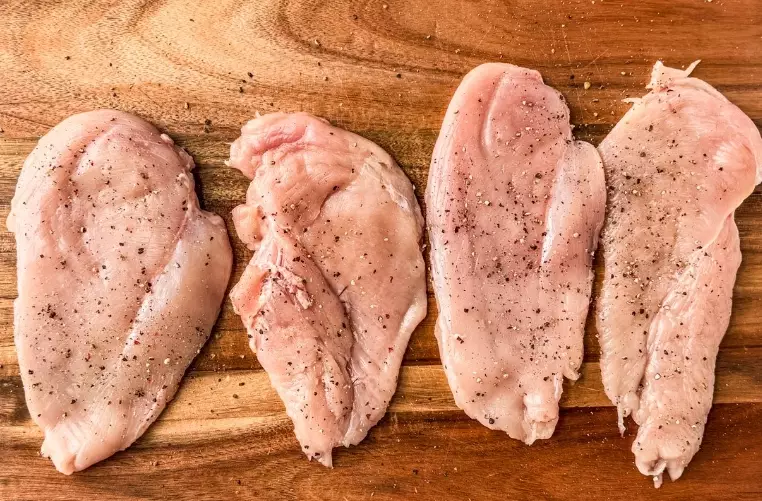
Seasoning: More Than Just Salt and Pepper
Season generously with salt at least 20 minutes before cooking, if you have time. Don't just sprinkle it on right before the pan. Salting ahead allows the salt to penetrate, seasoning the meat from the inside and helping it retain juices during cooking. This is a game-changer for flavor.
For a guaranteed juicy result, consider a quick brine or marinade.
- Simple Brine (30 minutes max): Dissolve 1/4 cup salt and 2 tablespoons sugar in 4 cups of cold water. Submerge cutlets for 30 minutes in the fridge, then pat dry. This hydrates the meat on a molecular level.
- Basic Marinade: Olive oil, an acid (lemon juice, vinegar), herbs, garlic. But here's my contrarian tip: don't marinate cutlets for more than 2 hours, especially in something acidic. The meat is thin and delicate. Acid will start to "cook" and mushify the surface, giving you a weird, grainy texture.
How to Cook Raw Chicken Cutlets Perfectly
You've selected and prepped. Now for the main event. The thinness of cutlets means high heat and short cook times are your friends.
How to Sauté or Pan-Fry Raw Chicken Cutlets
This is the most common method. Use a heavy-bottomed skillet (cast iron or stainless steel is ideal) and get it properly hot over medium-high heat. Add a high-smoke-point oil (avocado, grapeseed, or even canola).
Lay the cutlets in, making sure not to crowd the pan. Crowding drops the temperature and causes steaming. You should hear a confident sizzle.
Cook for 3-4 minutes on the first side, until you see the edges turning opaque and you get a deep golden-brown crust. Flip. Cook for another 2-4 minutes on the second side.
The biggest mistake? Constantly poking and flipping. Leave it alone to build that crust.
How to know it's done: The safest way is an instant-read thermometer inserted into the thickest part. It should read 165°F (74°C). Visually, the meat should be opaque all the way through, and the juices should run clear, not pink.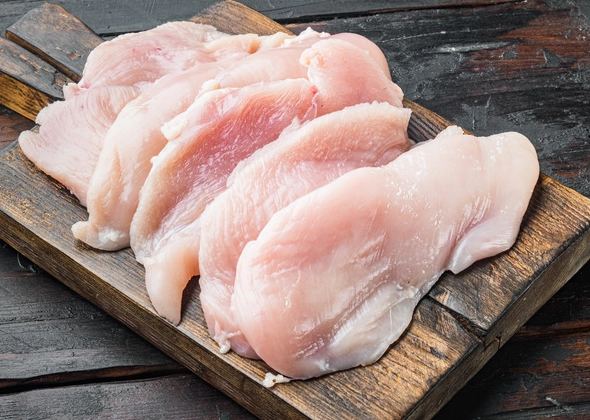
Other Great Cooking Methods
| Method | Best For | Key Technique | Approx. Cook Time |
|---|---|---|---|
| Baking | Hands-off cooking, larger batches, dishes like Chicken Parmesan. | Preheat oven to 400°F (200°C). Place on a parchment-lined sheet. Drizzle with oil. Bake until 165°F. | 15-20 mins |
| Grilling | Smoky flavor, summer meals. | Clean, oiled, hot grill. Grill over direct medium-high heat. Watch closely to prevent flare-ups. | 3-5 mins per side |
| Air Frying | Quick, "fried" texture with less oil. | Lightly coat cutlets in oil. Air fry at 375°F (190°C) in a single layer. Shake basket halfway. | 8-12 mins total |
No matter the method, let the cooked cutlets rest for 5 minutes before cutting or serving. This allows the juices, which have rushed to the surface during cooking, to redistribute throughout the meat. If you slice immediately, all those flavorful juices will just run out onto your cutting board.
Your Raw Chicken Cutlet Questions Answered
Related Articles