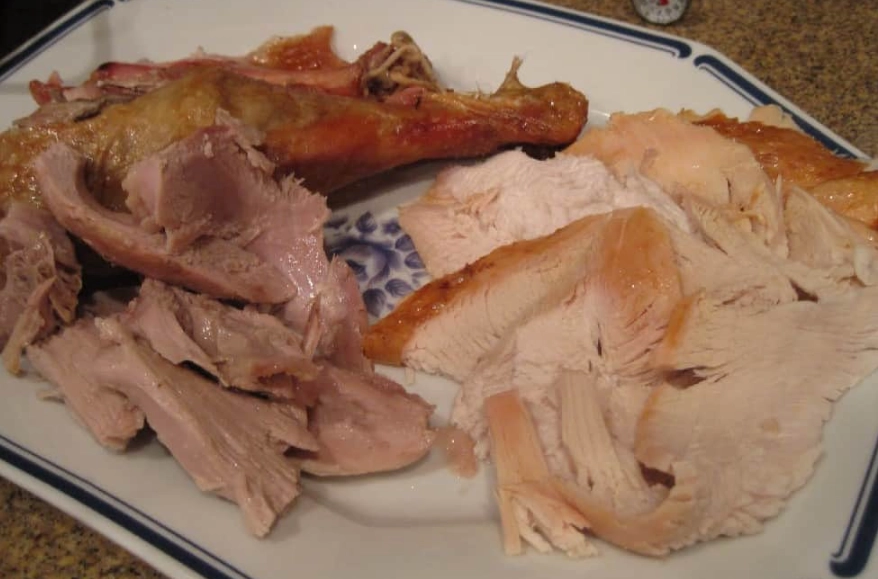
How Long to Cook a 5 Pound Chicken: Ultimate Time & Temperature Guide
If you're staring at a 5 pound chicken and wondering how long to cook it, here's the short answer: at 350°F (175°C), it takes about 1 hour and 45 minutes to 2 hours for a perfectly roasted bird. But that's just the starting point. I've roasted hundreds of chickens over the years, and the time can swing wildly based on your oven, the chicken's temperature when it goes in, and even how you prep it. Let's cut through the noise and get into the details that actually matter.
Skip to What You Need
The Exact Cooking Time for a 5 Pound Chicken
Most recipes will tell you 20 minutes per pound at 350°F, which gives you 100 minutes or 1 hour 40 minutes for a 5 pound chicken. In reality, I find that's often not enough. Why? Because ovens lie. Your oven's thermostat might be off by 25 degrees, and that adds up over time. A better rule is 22 to 25 minutes per pound, so plan for 1 hour 50 minutes to 2 hours 5 minutes. But don't just set a timer and walk away.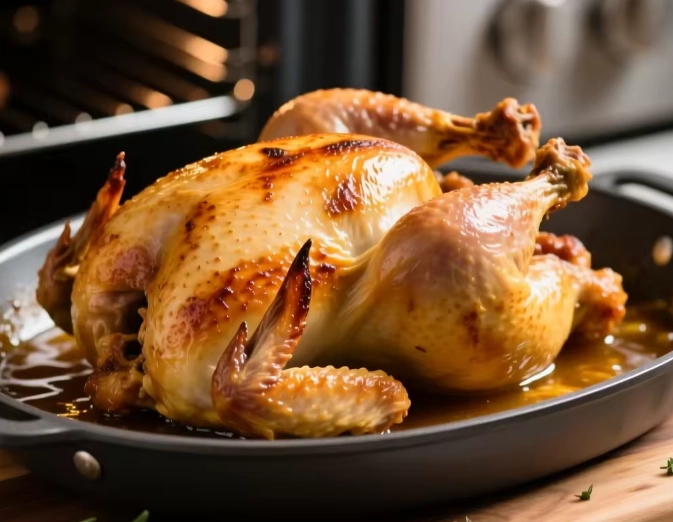
The only reliable way to know it's done is with a meat thermometer. Insert it into the thickest part of the thigh, avoiding the bone. You're aiming for 165°F (74°C). If it hits that, you're good, even if the time seems short. I've had chickens reach temp in 1 hour 30 minutes because my oven runs hot.
Factors That Change Cooking Time
Here are the big ones:
- Oven temperature accuracy: Get an oven thermometer. They're cheap, and you'll see if your 350°F is actually 325°F. That can add 15-20 minutes to your cook time.
- Starting temperature of the chicken: If you pull it straight from the fridge, it'll take longer. Let it sit out for 30 minutes before roasting. Not room temperature—just to take the chill off. This shaves about 10 minutes off the total time.
- Stuffing or trussing: If you stuff the cavity, add 15-20 minutes. Trussing (tying the legs) can slow down heat circulation, adding 5-10 minutes. I usually skip trussing; it doesn't make a huge difference for home cooks.
- Oven type: Convection ovens cook faster. Reduce the time by 25% or lower the temperature by 25°F. So at 325°F convection, a 5 pound chicken might be done in 1 hour 20 minutes.
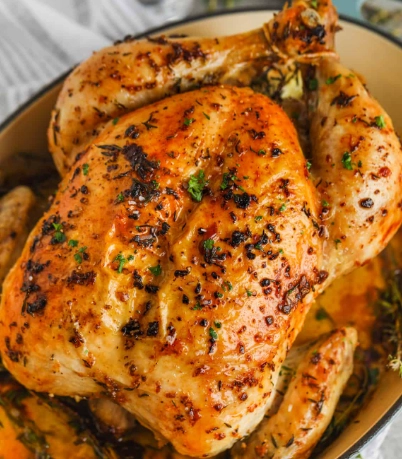
Here's a quick table based on my experience with a standard oven (non-convection), assuming the chicken is patted dry and not stuffed:
| Oven Temperature | Estimated Time for 5 lb Chicken | Internal Temp Goal |
|---|---|---|
| 325°F (163°C) | 2 hours 15 minutes - 2 hours 30 minutes | 165°F (74°C) |
| 350°F (175°C) | 1 hour 45 minutes - 2 hours 5 minutes | 165°F (74°C) |
| 375°F (190°C) | 1 hour 30 minutes - 1 hour 50 minutes | 165°F (74°C) |
| 400°F (205°C) | 1 hour 15 minutes - 1 hour 35 minutes | 165°F (74°C) |
Notice how higher temperatures shorten the time? But be careful—cooking too fast can dry out the breast before the thighs are done. I prefer 350°F for a balance of juiciness and crisp skin.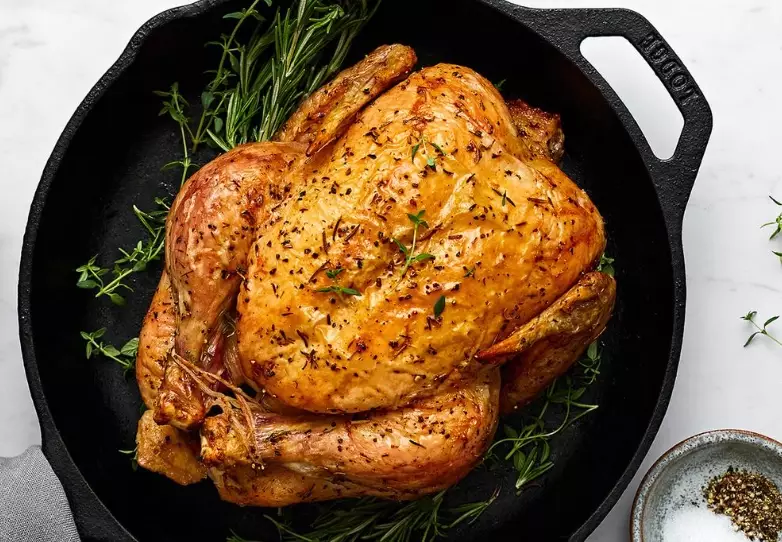
Step-by-Step Guide to Roasting a 5 Pound Chicken
Let's walk through a foolproof method. This isn't just about time; it's about technique. I learned this from a chef friend who swears by dry-brining, and it changed my chicken game.
Step 1: Prep the chicken. Unwrap it, remove any giblets (check both the cavity and neck area), and pat it completely dry with paper towels. Moisture is the enemy of crispy skin. Season generously with salt—about 1 teaspoon per pound, so 5 teaspoons. Get it under the skin too. Do this at least 4 hours ahead, or overnight in the fridge. Dry-brining draws out moisture, which then gets reabsorbed, making the meat juicier.
Step 2: Bring to near room temp. Take the chicken out of the fridge 30 minutes before cooking. This helps it cook evenly.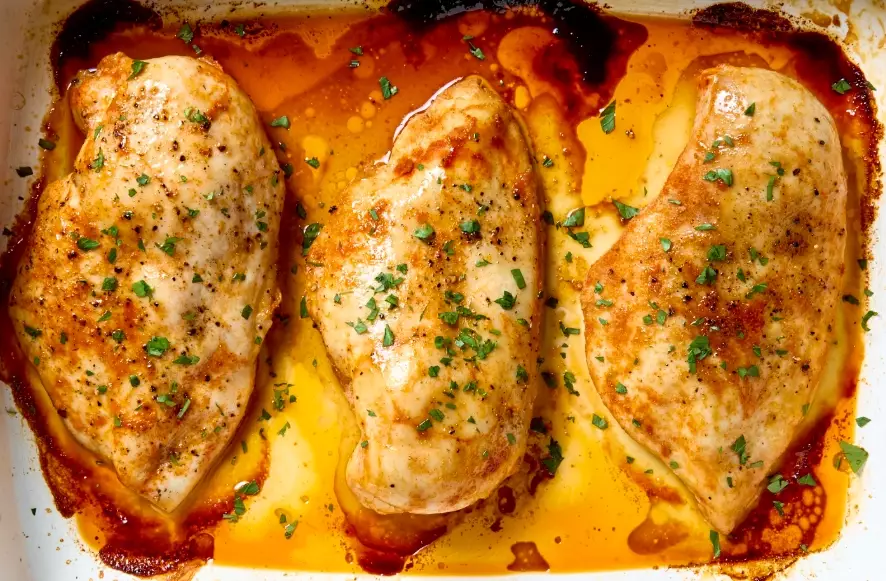
Step 3: Preheat your oven. Set it to 350°F. Place a rack in the middle. Use an oven thermometer to verify the temperature.
Step 4: Roast. Place the chicken breast-side up on a rack in a roasting pan. Tuck the wing tips under. Don't add liquid to the pan—that steams the chicken. Roast uncovered. Start checking the temperature at 1 hour 30 minutes. If the skin is browning too fast, tent it loosely with foil.
Step 5: Rest. Once it hits 165°F in the thigh, take it out. Let it rest on a cutting board for 15-20 minutes. This lets the juices redistribute. Cutting too early means dry meat.
I used to skip the resting step, thinking it was optional. It's not. The internal temperature will rise another 5-10 degrees during resting, so you can actually pull it at 160°F for even juicier results. That's a pro tip many home cooks miss.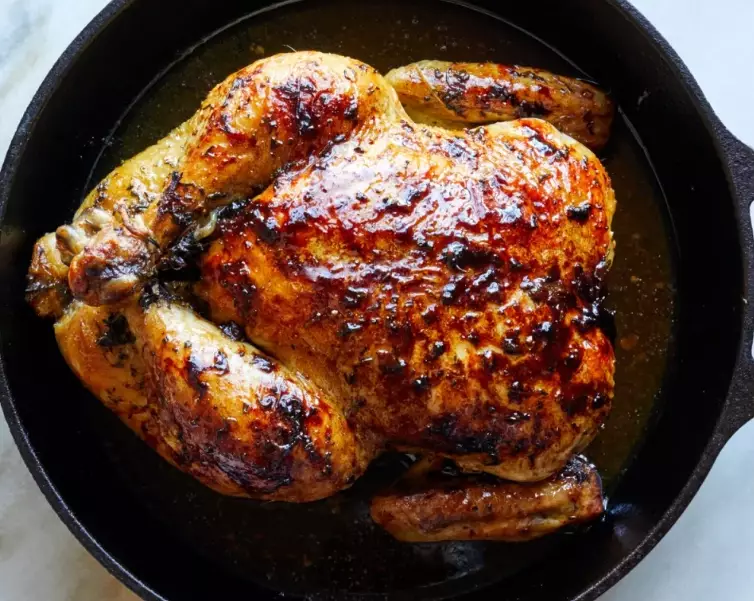
Common Mistakes and How to Avoid Them
Everyone makes errors, but here are the subtle ones I see all the time.
Mistake 1: Relying solely on time. Ovens vary. A neighbor's chicken might be done in 1 hour 40 minutes, but yours takes 2 hours. Use a thermometer. I recommend the ThermoWorks Thermapen—it's fast and accurate. If you don't have one, pierce the thigh; the juices should run clear, not pink.
Mistake 2: Overcrowding the oven. If you're roasting vegetables alongside, make sure there's space for air circulation. Otherwise, the heat doesn't distribute evenly, and cooking time increases. I once added potatoes in the same pan, and the chicken took 30 minutes longer.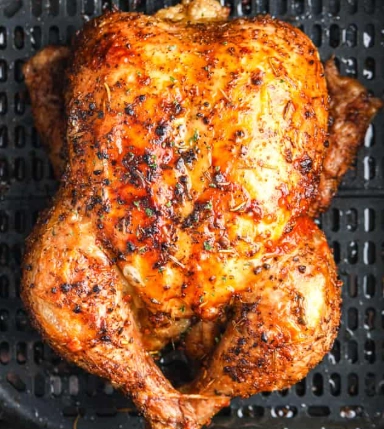
Mistake 3: Not drying the skin. Wet skin steams instead of roasts, leading to rubbery texture. Pat it dry thoroughly. Some people even air-dry it in the fridge uncovered for a few hours for extra crispiness.
Mistake 4: Cutting immediately. Resting is non-negotiable. If you cut right away, the juices pool out, and you're left with dry meat. Wait 15 minutes. Use that time to make gravy from the pan drippings.
A personal gripe: many recipes say to baste the chicken. Basting does almost nothing for moisture—it just cools the oven every time you open the door. Skip it. Instead, brush with butter or oil before roasting for better browning.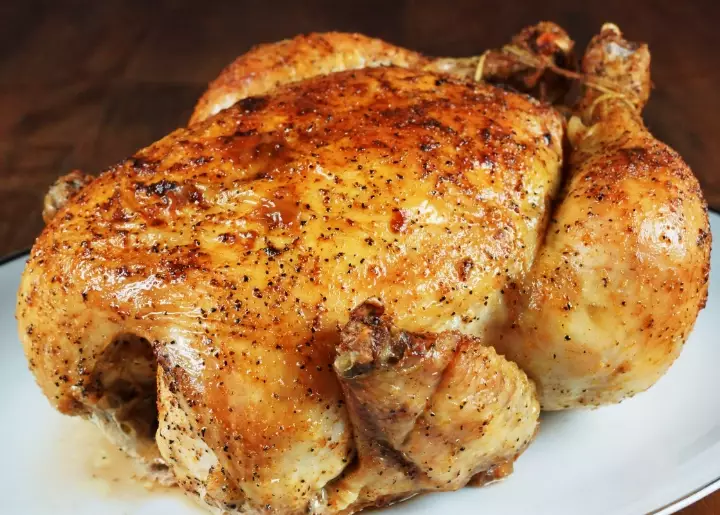
FAQ About Cooking a 5 Pound Chicken
Wrapping up, cooking a 5 pound chicken isn't just about timing—it's about understanding your equipment and using a thermometer. Start with 1 hour 45 minutes at 350°F, but be ready to adjust. Trust the temperature, not the clock. And don't forget to let it rest. Happy roasting!
Related Articles