White Chicken vs Dark Chicken: Ultimate Guide to Nutrition, Flavor & Cooking
Your Quick Guide
- What We're Really Talking About: It's More Than Just Color
- Nutrition Face-Off: Breaking Down the Numbers
- Flavor and Texture: Where the Rubber Meets the Road
- Cooking Methods: Playing to Their Strengths
- The Cost Factor and What You're Actually Buying
- Answering Your White Chicken vs Dark Chicken Questions
- The Final Verdict: How to Choose Every Time
So you're standing in the grocery store, staring at the chicken section, and you feel that familiar hesitation. Chicken breast or thighs? Wings or legs? White meat or dark? It's not just about price anymore, is it? We've all been fed this idea that white chicken is the "healthy" choice and dark chicken is the "tasty" but guilty choice. But what if that's only half the story? What if you've been choosing wrong for your specific needs without even knowing it?
I remember the first time I really thought about the white chicken vs dark chicken debate. I was trying to meal prep for the week, aiming for something healthy but not boring. Every recipe I found screamed "skinless, boneless chicken breast" like it was the holy grail of nutrition. But let's be honest, after the third day of dry, chewy chicken breast, even the best marinade feels like a lie. That's when I started digging deeper, talking to butchers, reading actual nutritional science (not just blog headlines), and burning a few dinners in the process to figure things out.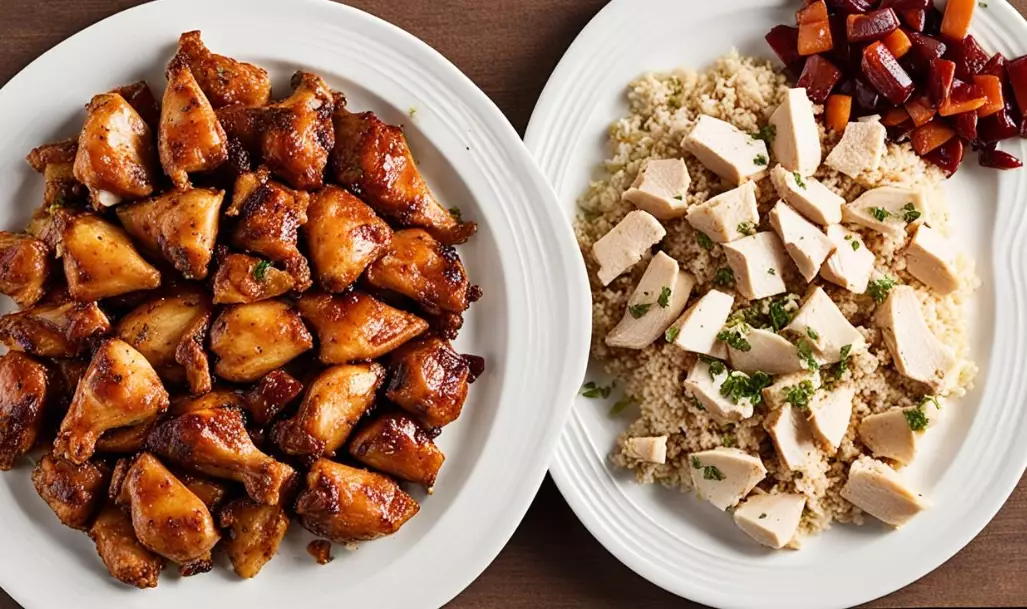
This guide isn't about telling you one is better. It's about giving you the full picture—the nitty-gritty on nutrition, the honest take on flavor and texture, the real cost differences, and the cooking methods that actually work. By the end, you'll be able to walk into that store or open your fridge with confidence, knowing exactly which cut to grab for tonight's dinner, tomorrow's salad, or that big weekend barbecue.
What We're Really Talking About: It's More Than Just Color
First things first, let's clear up the basics. When people talk about white chicken vs dark chicken, they're talking about the type of muscle fiber. It's not about different breeds of chicken or what they ate. It's biology, right there in the bird.
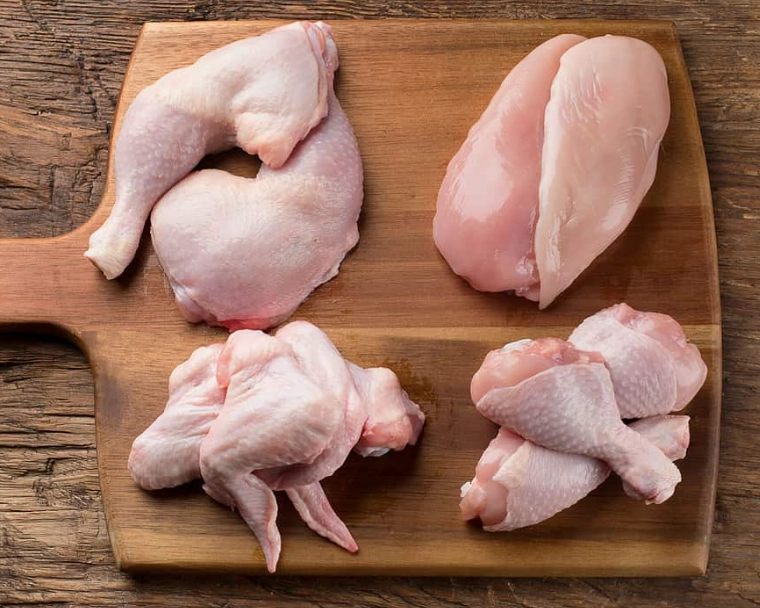
White meat comes from muscles the chicken doesn't use much for sustained activity—the breast and wings. These muscles are designed for short, quick bursts (like flapping to escape). They get their energy mainly from glycogen, a carbohydrate stored in the muscle, and they have fewer blood capillaries. Less blood flow means less of the oxygen-carrying protein myoglobin, which is what gives meat its red or dark color. So, white meat.
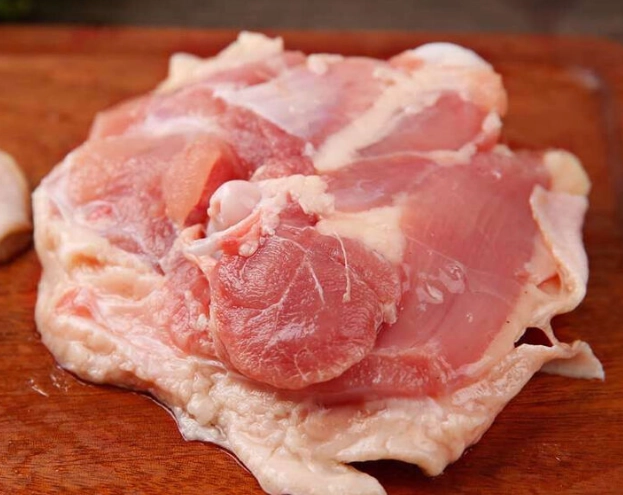
Dark meat comes from the muscles that work constantly—the legs and thighs. A chicken spends its whole life walking and standing. These muscles are endurance muscles. They need a constant, rich supply of oxygen, which means tons of capillaries and loads of myoglobin. Myoglobin is dark red. Hence, dark meat. It's that simple.
This fundamental difference explains everything that comes next—the nutrition, the texture, the cooking behavior, and even the price. It's the root cause of the whole debate.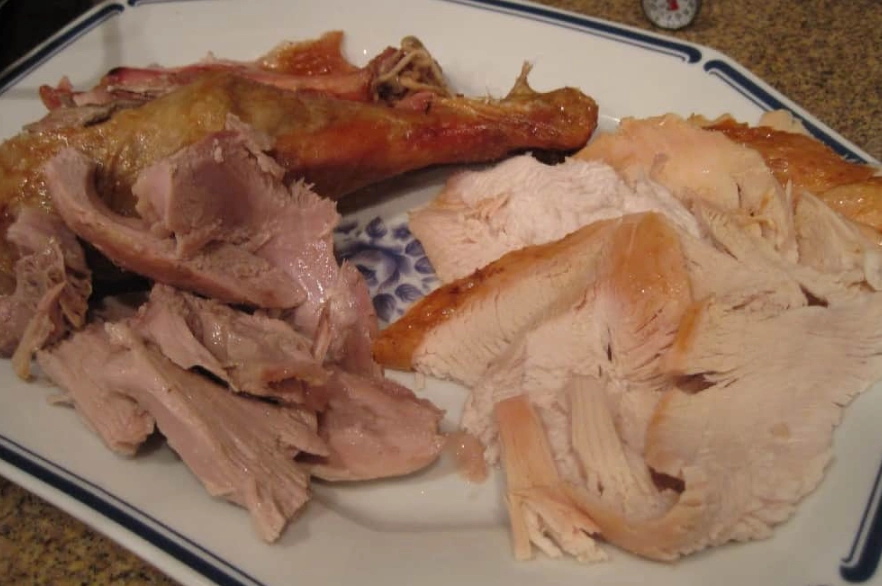
Nutrition Face-Off: Breaking Down the Numbers
This is where most people get stuck. Is white chicken really that much healthier? Let's look at the data from the USDA FoodData Central, which is the gold standard for this kind of information. We're comparing 100-gram (about 3.5 oz) servings of cooked, skinless meat to keep things fair.
| Nutrient | Skinless Chicken Breast (White) | Skinless Chicken Thigh (Dark) | What It Means For You |
|---|---|---|---|
| Calories | ~165 kcal | ~209 kcal | Dark meat has about 25% more calories. Not a huge gap, but it adds up if you're strictly counting. |
| Protein | ~31g | ~26g | White meat wins on pure protein density. It's a fantastic lean protein source. |
| Total Fat | ~3.6g | ~10.9g | Here's the big difference. Dark meat has about 3x the fat. But wait—read on. |
| Saturated Fat | ~1.0g | ~3.0g | Same story. More total fat means more saturated fat. This is the main reason for its "less healthy" rep. |
| Iron | ~0.9mg (5% DV) | ~1.3mg (7% DV) | Dark meat provides nearly 50% more iron. That myoglobin is iron-rich! |
| Zinc | ~1.0mg (9% DV) | ~2.4mg (22% DV) | A massive difference. Dark meat is a significantly better source of zinc. |
| Vitamin B12 | ~0.3mcg (13% DV) | ~0.4mcg (17% DV) | Slightly higher in dark meat. |
| Riboflavin (B2) | ~0.1mg (8% DV) | ~0.2mg (15% DV) | Again, dark meat comes out ahead. |
Looking at that table, the white chicken vs dark chicken nutrition story gets complicated fast. White meat is the clear winner if your only goals are maximum protein for minimal calories and fat. Bodybuilders, people on very strict fat-loss diets, and anyone needing ultra-lean protein should lean heavily on breast meat.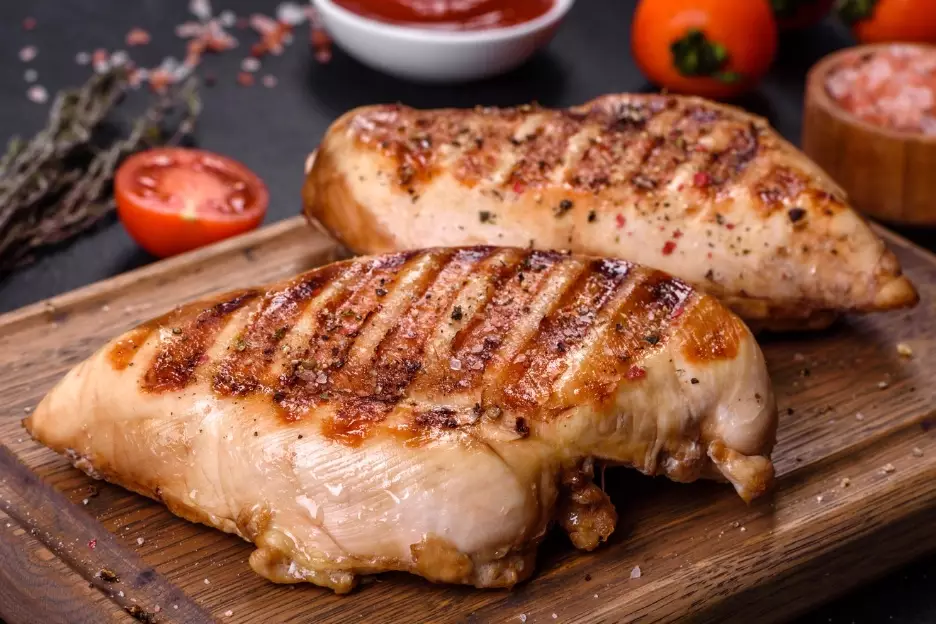
And those mineral differences are no joke. Zinc is crucial for immune function and metabolism. Iron is essential for energy, especially for women and anyone prone to anemia. If you're someone who doesn't eat much red meat, dark chicken can be a really important source of these nutrients.
My personal take? Calling white chicken "healthy" and dark chicken "unhealthy" is way too simplistic. It's about context. For a post-workout meal where I want pure protein, I go for the breast. For a hearty, satisfying dinner that keeps me full for hours and boosts my mineral intake, I'll often choose a thigh. It's a tool in the toolbox, not a moral choice.
Flavor and Texture: Where the Rubber Meets the Road
Let's be real. Nutrition facts on a page don't make dinner taste good. This is where the white chicken vs dark chicken debate truly lives for most home cooks.
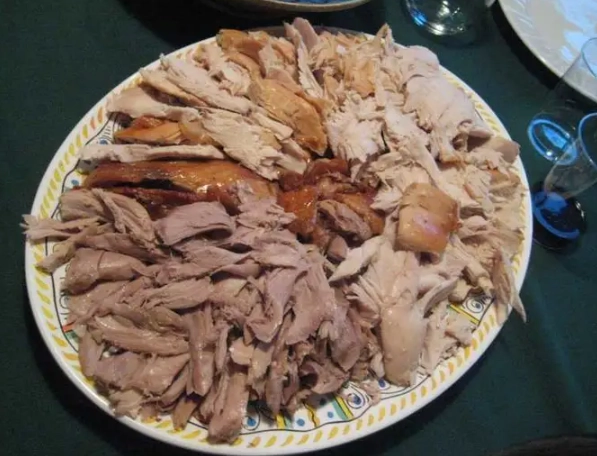
The White Meat Experience
Chicken breast is the canvas. It's mild, almost bland on its own. Its texture, when cooked perfectly, is tender and firm, but it has a very narrow "window of doneness." A few minutes too long, and those lean fibers tighten up, squeeze out all their moisture, and you're left with that familiar dry, stringy, cardboard-like experience we all dread. It has no forgiveness.
Because it's so lean, it needs help. Marinades, brines, sauces, rubs—they're not optional; they're mandatory for flavor. The upside is that it absorbs those flavors beautifully. Want a lemon-herb chicken? A tangy barbecue? A creamy mushroom sauce? The breast will carry those flavors without competing with them.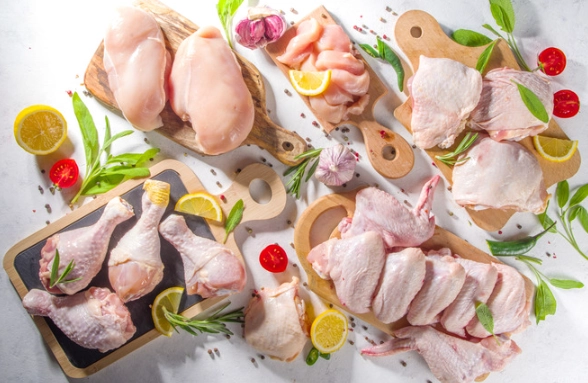
The Dark Meat Experience
Chicken thighs and legs are the finished painting. They have a rich, deeply savory, almost "meatier" flavor that comes from the fat, myoglobin, and connective tissue. It's a flavor that stands on its own. A little salt, pepper, and heat, and you have something delicious.
The texture is where dark meat truly shines. It's inherently juicy and tender. The fat marbling and collagen melt during cooking, basting the meat from the inside. That collagen also breaks down into gelatin, giving the meat a luxurious, silky mouthfeel. It's much more forgiving on the stove or grill. Overcook it a bit, and it's still juicy. Undercook it slightly, and it's still palatable (though always cook to safe temperatures—more on that later).
Cooking Methods: Playing to Their Strengths
You wouldn't use a screwdriver to hammer a nail. Don't use the wrong cooking method for your chicken cut. This is how you master the white chicken vs dark chicken choice.
Best Methods for Chicken Breast (White Meat):
- Pan-Searing with a Finish: Get a great sear in a hot pan, then finish in a moderate oven. This gives you a crispy outside without overcooking the center.
- Poaching or Gentle Simmering: Cooking in liquid (broth, water, coconut milk) keeps it immersed in moisture. Almost impossible to dry out this way.
- Butterflying & Quick Grilling: Pound it or butterfly it to an even thickness so it cooks uniformly and quickly on a hot grill.
- Sous Vide: The ultimate cheat code. Cook it to the exact temperature you want (you can even go slightly below 165°F safely with extended time) and finish with a quick sear. Perfectly juicy every time.
What usually fails? Throwing a thick, cold breast on a medium grill for 20 minutes. That's a recipe for disaster.
Best Methods for Chicken Thighs & Legs (Dark Meat):
- Braising & Stewing: The champion method. Cooking low and slow in a flavorful liquid (think coq au vin, chicken cacciatore) renders the fat and melts the collagen into the sauce, creating something magical.
- Roasting: A hot oven works great, especially for bone-in, skin-on thighs. The skin gets crispy, the fat renders, and the meat stays moist.
- Grilling: Yes, you can grill it! But keep it over indirect heat for most of the cook, or use a lower flame. The dripping fat can cause flare-ups, but that fat also keeps it from drying out.
- Slow Cooking: It practically thrives in a slow cooker. Eight hours on low? No problem. It will be fall-off-the-bone tender.
The biggest mistake with dark meat is treating it like white meat and pulling it off the heat at 165°F. At that temp, the collagen hasn't broken down, and it can be weirdly rubbery and chewy. Let it go longer. Trust me.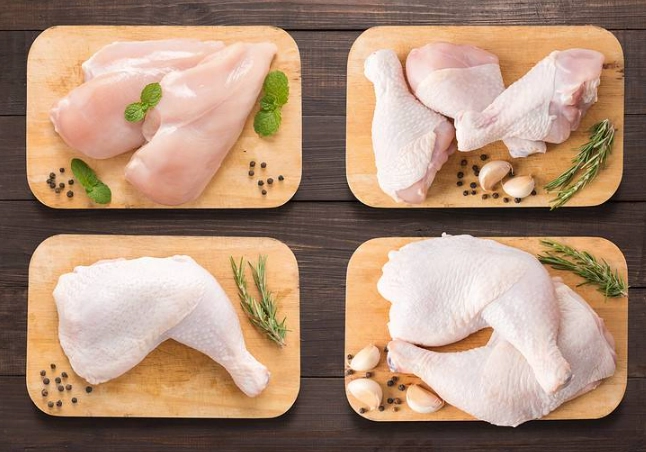
The Cost Factor and What You're Actually Buying
Walk down the poultry aisle. Chicken breast is almost always more expensive per pound than thighs or leg quarters. Why? Simple supply and demand. In the US and many Western countries, there's a huge cultural demand for white meat as the "healthy" option. The breast is the premium cut.
But here's a pro tip: you're often paying a premium for someone to do the work. Boneless, skinless chicken breast commands the highest price. Bone-in, skin-on breasts are cheaper. For dark meat, the value is incredible. Leg quarters (thigh and drumstick together) are often the cheapest cut in the store. They have bones and skin, but that's flavor and value for soups and stocks.
From a pure budget perspective, the white chicken vs dark chicken debate isn't close. Dark meat wins on value every time. You get more flavor, more forgiving meat, and you pay less for it. If you're feeding a family on a budget, thighs and legs are your secret weapon.
Answering Your White Chicken vs Dark Chicken Questions
Let's tackle the stuff you're probably typing into Google.
No, it's not "bad." It has more calories and saturated fat than white meat, so if you have specific health conditions requiring you to limit those (like certain heart conditions), you should moderate your intake. But for most people, as part of a balanced diet, it's a nutritious, mineral-rich food. The American Heart Association recommends lean protein, but also emphasizes overall dietary patterns. A skinless thigh is still a better choice than many processed meats or fried foods.
You didn't cook it long enough! This is the most common dark meat mistake. The collagen needs time and temperature to melt. If you cook a thigh to only 165°F, the proteins are set but the collagen is still intact. Aim for 175°F or higher for true tenderness. Slow-cooking methods guarantee this.
You can, but you have to adjust. Substituting breast for thigh in a stew? Cook it for less time or add it later, or it will turn to mush. Substituting thigh for breast in a quick stir-fry? Cut it smaller or cook it a bit longer to ensure doneness. The cooking times and methods are different. Think about the recipe's technique. Long, moist cooking? Dark meat will excel. Quick, dry heat? White meat is designed for it (if you're careful).
Trick question! The wing is two parts. The drumette (the part that looks like a mini drumstick) is dark meat. The flat or wingette is white meat. That's why a whole wing offers such a great combo of textures.
Oh, absolutely. The skin is almost pure fat. Eating the skin on either type of chicken adds significant calories, fat, and saturated fat. It also adds incredible flavor and crunch. It's a choice. Want maximum flavor and don't mind the extra fat? Keep the skin on. Need the leanest option? Take it off. A skin-on, bone-in thigh has more fat than a skinless breast, but it's also harder to overcook and more flavorful.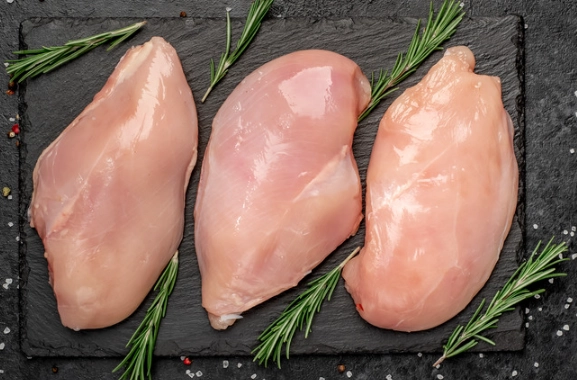
The Final Verdict: How to Choose Every Time
So, after all this, who wins the white chicken vs dark chicken showdown? Neither. You win when you make the informed choice.
Here’s your quick-decision checklist:
- Choose White Meat (Chicken Breast) if: You're counting every calorie and gram of fat. You need maximum protein in a small package. You're making a dish where a mild flavor is key (like a delicate cream sauce or a salad). You're cooking for someone who genuinely prefers that texture. You're using a precise, quick-cooking method like sautéing or grilling (and you're confident in your timing).
- Choose Dark Meat (Chicken Thighs, Legs) if: Flavor and juiciness are your top priorities. You're on a tight budget. You want a more forgiving piece of meat that's hard to ruin. You're using a slow, moist cooking method like braising, stewing, or slow-cooking. You're grilling and want something that can handle the heat without drying out. You're looking to boost your intake of iron and zinc.
The best advice I can give you? Stop seeing it as a binary choice. Most of the world enjoys the whole bird. Try a recipe that uses both. Roast a whole chicken. Make a tray bake with breasts and thighs. Make a stock from the bones of either cut (dark meat bones make a richer, more gelatinous stock, by the way).
Understanding the real differences between white chicken and dark chicken turns you from someone who just follows a recipe into someone who understands cooking. You start to see the why behind the instructions. And that’s when dinner stops being a chore and starts being something you genuinely look forward to.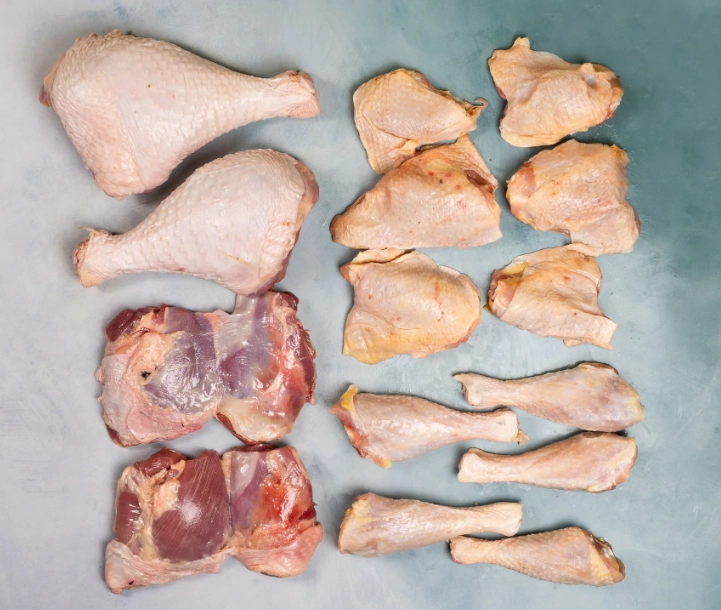
Now, go look in your fridge. What are you making tonight?
Related Articles