The Ultimate Guide to Roasting a Perfect Whole Chicken in Your Oven
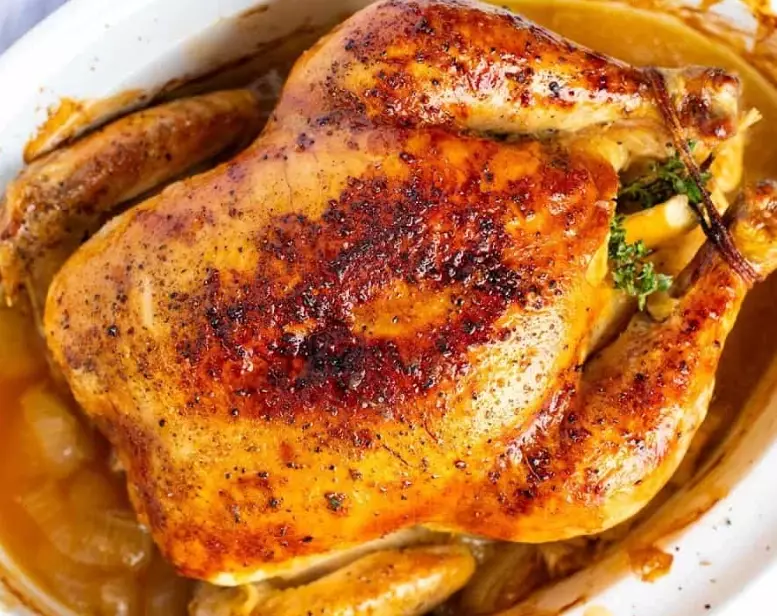
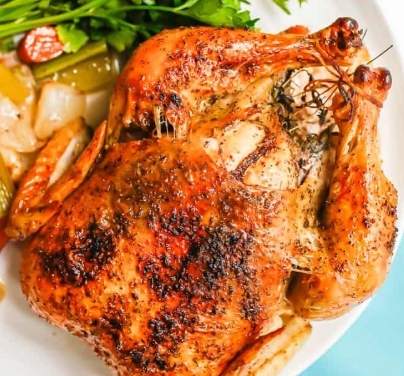
Let's be honest. A dry, bland roast chicken is a disappointment. The supermarket rotisserie version is often too salty, and following a vague recipe can leave you with undercooked thighs or leathery breast meat. But when you get it right? It's magic. A golden, crispy skin giving way to juicy, flavorful meat that makes everyone at the table happy. It’s the centerpiece of a casual Sunday dinner or a simple yet impressive weeknight meal. The best part is, achieving that perfection at home is less about fancy techniques and more about nailing a few non-negotiable fundamentals. I've roasted more chickens than I can count, and I've learned from every single one. This guide is about cutting through the noise and giving you a method that works, every single time.
What You'll Learn Inside
- Why Your Homemade Roast Chicken Beats the Store-Bought Version
- How to Choose the Right Chicken (It's Not Just About Size)
- The 4 Essential Prep Steps You Can't Skip
- The Roasting Temperature Debate: High Heat vs. Low and Slow
- Pro Techniques for Crispy Skin and Juicy Meat
- Your Roast Chicken Questions, Answered
Why Your Homemade Roast Chicken Beats the Store-Bought Version
Control. That's the biggest word. You control the salt, the seasoning, the quality of the bird, and the cooking environment. Most store-bought rotisserie chickens are brined or injected with a solution that can be 10-15% water, salt, and stabilizers. That's why they can taste oddly uniform and sometimes have a soft, rubbery texture. At home, you start with a better canvas. You can choose a air-chilled chicken (which dries the skin better than water-chilling), you can season it exactly to your family's taste, and you get that incredible aroma filling your kitchen. The cost? Often cheaper per pound, especially if you catch a sale. The satisfaction? Priceless.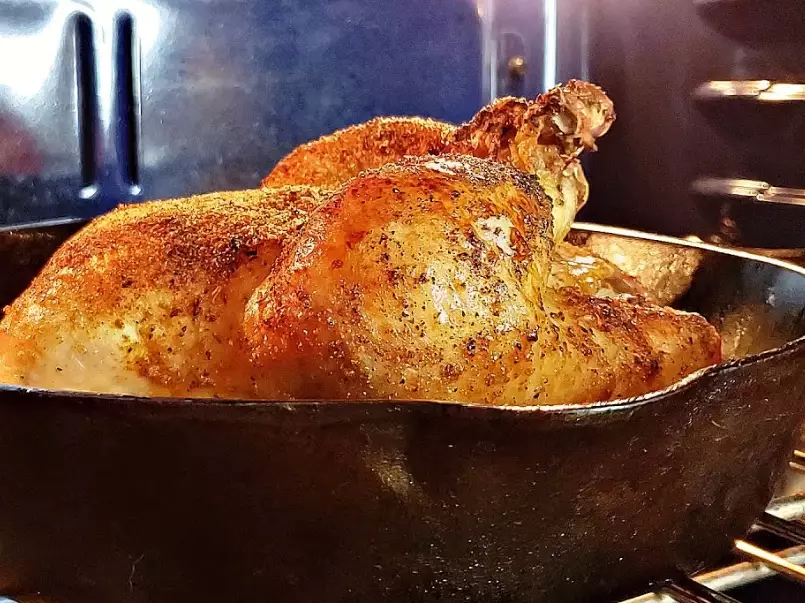
How to Choose the Right Chicken (It's Not Just About Size)
Walk into the grocery store, and you're faced with a wall of options. Here’s what to look for, stripped of marketing jargon.
Air-Chilled vs. Water-Chilled: This is a game-changer for crispy skin. Most conventional chickens are water-chilled in large tanks after processing. They absorb water, which makes the skin harder to dry and crisp. Air-chilled birds are cooled with cold air, resulting in less water retention and naturally drier skin. They’re often more expensive, but for a roast chicken where the skin is a highlight, it’s worth it. Brands like Bell & Evans or Mary's Chickens are widely available.
Size Matters, But Not How You Think: A 3.5 to 4.5 pound bird is the sweet spot. It's large enough to feed a family of four with some leftovers, but small enough to cook evenly without the breast drying out before the thighs are done. Anything over 5 pounds becomes trickier.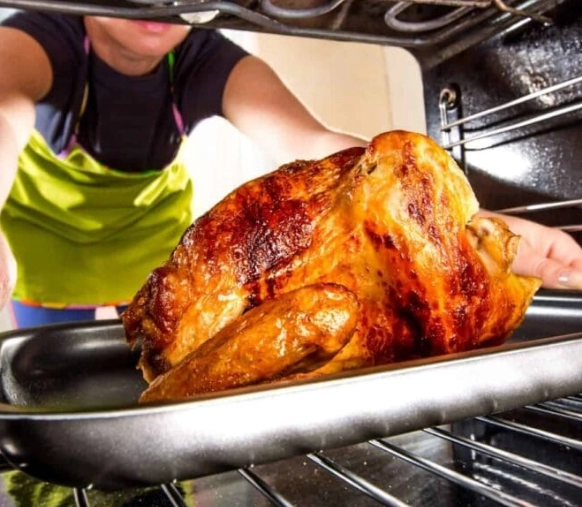
Fresh vs. Frozen: Fresh is easier, but a properly thawed frozen chicken works just fine. The key is a slow, complete thaw in the refrigerator (allow 24 hours for every 4-5 pounds). Never roast a chicken that's still icy in the cavity.
The 4 Essential Prep Steps You Can't Skip
Rushing the prep is the number one reason for mediocre roast chicken. These steps are non-negotiable.
1. Dry It Thoroughly (The Crispy Skin Secret)
Take the chicken out of its packaging, remove the giblets (save them for stock!), and pat it absolutely dry inside and out with a mountain of paper towels. I'm talking bone-dry. Any surface moisture will steam the skin instead of letting it roast and crisp. Do this even if the chicken looks dry already.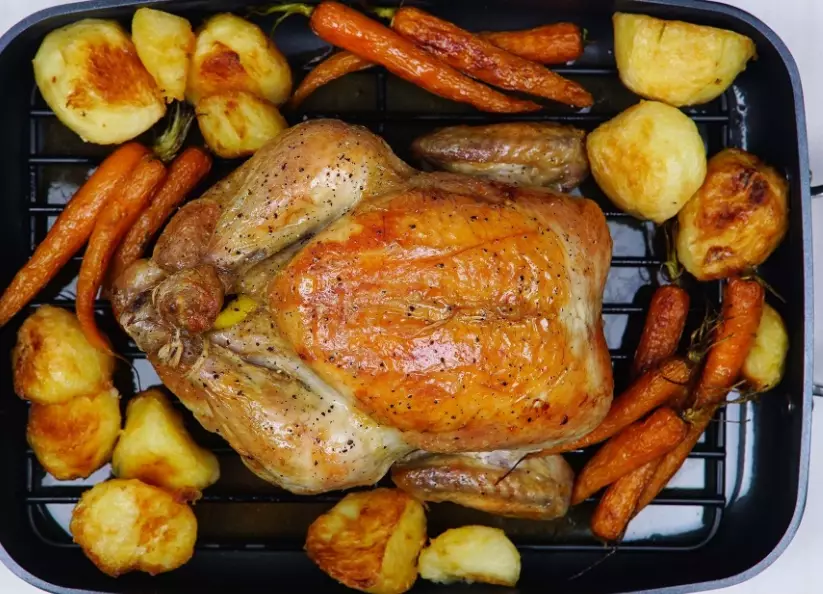
2. Season Generously, and Do It Early
Salt is your primary flavor agent. Don't be shy. Season the cavity and every nook and cranny of the skin with kosher salt or sea salt. For a 4-pound chicken, I use about 1 tablespoon of kosher salt total. Here’s the pro move: do this at least an hour before cooking, and up to 24 hours ahead (uncovered, on a rack in the fridge). This "dry-brining" allows the salt to season the meat deeply, not just the surface, and further dries the skin.
3. Truss It (Or Don't) - But Understand Why
Trussing—tying the legs and wings close to the body—creates a compact, even shape that cooks more uniformly. It gives a classic, neat appearance. But I often skip it. Leaving the legs splayed allows the dark meat (which needs a higher internal temperature) to get more direct heat, potentially reducing the doneness gap between breast and thigh. If you want it pretty, truss it. If you want to simplify and maybe get more even cooking, just tuck the wingtips behind the shoulders.
4. Choose Your Flavor Base
This is where you get creative, but keep it simple. Stuffing the cavity with aromatics adds subtle flavor from the inside out. My go-to is a halved lemon, a whole head of garlic cut crosswise, and a few sprigs of rosemary or thyme. Don't pack it tight; it's for aroma, not eating. Rubbing softened butter or olive oil under the skin and all over the outside adds flavor and promotes browning.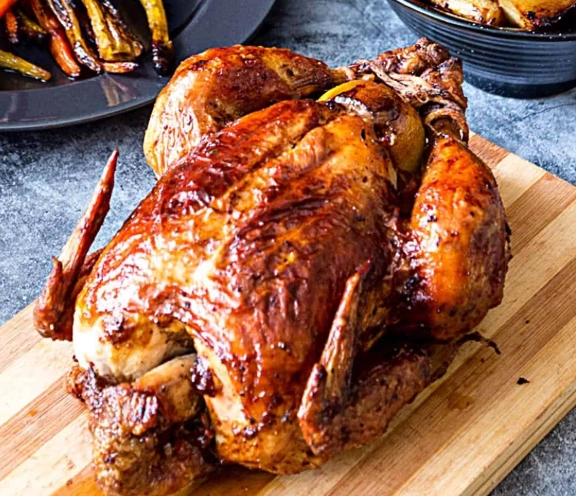
A Common Mistake I See: People meticulously rub herb butter over the skin. The herbs just burn. For more potent herb flavor, gently loosen the skin over the breast and thighs with your fingers and smear the seasoned butter directly onto the meat. The fat will baste the meat from within as it cooks.
The Roasting Temperature Debate: High Heat vs. Low and Slow
There are two main schools of thought, and both work. Your choice depends on your schedule and desired outcome.
| Method | Temperature & Time (for a 4lb bird) | Best For | Result |
|---|---|---|---|
| High-Heat Blast | 425°F (220°C) for 50-70 mins. | Weeknight dinners, maximum crispy skin. | Fast, with incredibly crispy skin. Requires more attention to prevent over-browning. |
| Low & Slow with a Sear | 325°F (160°C) for 1.5-2 hrs, then 5 mins under a broiler. | More forgiving, ultra-tender meat. | Exceptionally juicy and tender meat, with slightly less shatteringly crisp skin unless finished hard. |
| My Hybrid Favorite | 400°F (200°C) for 20 mins, then 350°F (175°C) for 45-60 mins. | Balanced approach, great for beginners. | A great balance: good browning to start, gentler heat to finish cooking evenly. |
For this guide, let's use the reliable hybrid method. It's forgiving and produces fantastic results consistently.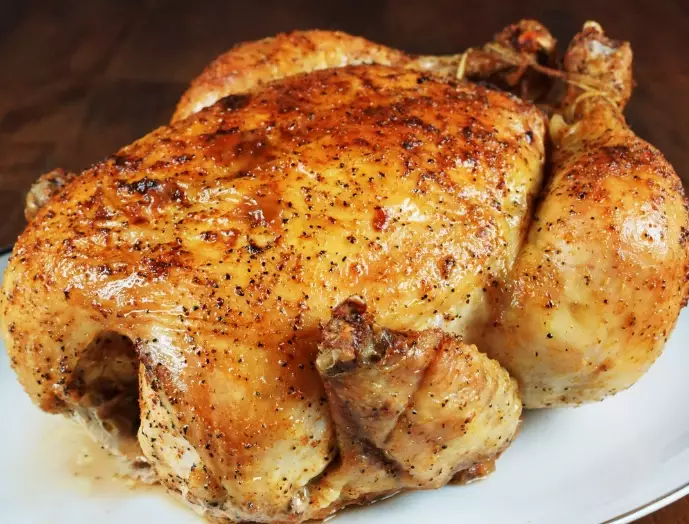
Pro Techniques for Crispy Skin and Juicy Meat
Here’s where a little knowledge separates a good roast chicken from a great one.
Start on a Bed, Not a Rack (Controversial, I Know): Many recipes insist on a roasting rack. I often chop onions, carrots, and celery into large chunks and place the chicken right on top. The vegetables elevate the bird just enough, they caramelize in the drippings, and they become the base for an incredible gravy. A rack is fine, but a vegetable trivet adds flavor.
To Baste or Not to Baste? I generally say don't bother. Opening the oven door repeatedly drops the temperature and interrupts the roasting process. The butter or oil you applied before cooking is doing its job. If anything, the juices released late in cooking are mostly water and fat—they won't add much flavor and can make the skin soggy.
The Single Most Important Step: Resting Do not, under any circumstances, carve the chicken straight from the oven. The juices are all rushing to the center. If you cut it, they'll flood onto the cutting board. Tent the chicken loosely with foil and let it rest on the counter for at least 15 minutes, 20-25 is better. This allows the juices to redistribute, resulting in moist meat everywhere. The chicken will stay plenty warm.
How to Know It's Done (Forget Clear Juices): The old "juices run clear" test is unreliable. Use a good instant-read thermometer. Insert it into the thickest part of the thigh, avoiding the bone. It should read 165°F (74°C). The breast should be around 155-160°F (68-71°C). Remember, carryover cooking will raise the temp 5-10 degrees while resting.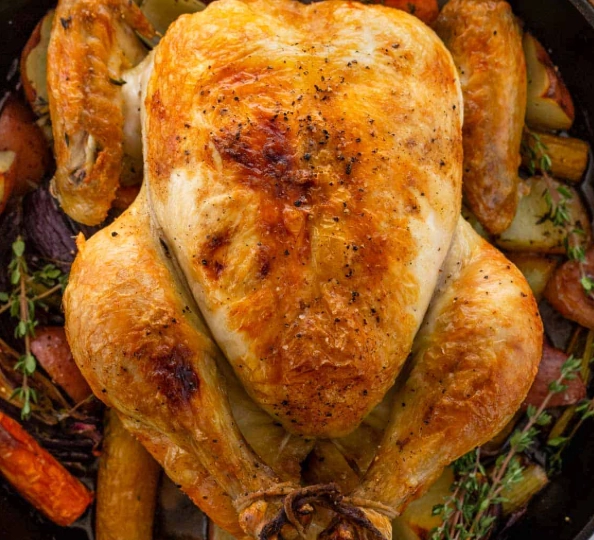
Your Roast Chicken Questions, Answered
So there you have it. It's not about one secret trick, but about respecting the process: dry, season, roast with intent, and rest. Follow these principles, and you'll move past relying on recipes to understanding how to roast a chicken that's uniquely yours, and consistently perfect. Now, go preheat that oven.
Related Articles