Chicken Tenderloin Calories: The Complete Guide to Nutrition & Cooking
If you're tracking your food intake, chicken tenderloin is probably on your radar. It's praised as a lean protein source, but the exact calorie count can feel like a mystery. Is it really that low? Does how you cook it make a huge difference? I used to think a "grilled chicken tenderloin" was always around 120 calories until I started weighing my food and realized how much variation there is. The truth about calories in chicken tenderloin isn't just a single number—it's a story about cuts, cooking, and common mistakes that can double your intake without you noticing. Let's cut through the noise.
What You'll Learn in This Guide
The Core Calorie & Nutrition Facts of Chicken Tenderloin
Let's start with the baseline. According to the most recent data from the USDA's FoodData Central, a 3-ounce (85-gram) serving of raw, skinless, boneless chicken tenderloin contains approximately:
| Nutrient | Amount per 3oz (85g) Raw | % Daily Value (Approx.) |
|---|---|---|
| Calories | 100 - 110 kcal | 5% |
| Protein | 22 - 24g | 44% |
| Total Fat | 1 - 1.5g | 2% |
| Saturated Fat | 0.3g | 1% |
| Carbohydrates | 0g | 0% |
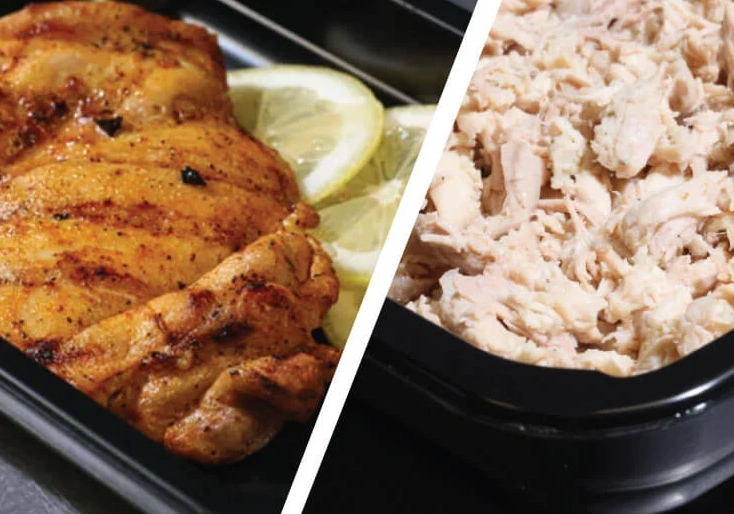
That's the raw weight. Here's the first point most blogs gloss over: meat loses about 25% of its weight during cooking due to water loss. So, that 3oz raw tenderloin becomes roughly 2.25oz (64g) cooked. If you measure your food cooked (like most people do), a 3-ounce cooked serving actually started as about 4 ounces raw. This means a 3oz cooked serving will have closer to 130-145 calories.
See the confusion? Always note whether a nutrition label or recipe is referring to raw or cooked weight. I default to raw for accuracy because cooking methods change weight unpredictably.
Why Your Cooking Method is Everything for Calories
This is where people get tripped up. Slapping a tenderloin on a grill versus frying it in a pan isn't just a taste difference—it's a calorie earthquake. The cooking medium (oil, butter, sauce) adds fat, and thus, calories. Let's break it down for a single 3oz raw tenderloin.
Dry-Heat Cooking (Minimal Added Fat):
- Grilling/Broiling: Calories stay near the base 100-110. Maybe 115 if you use a quick oil spray for non-stick.
- Baking/Roasting: Similar to grilling. If you place it on a rack, fat drips away. Laying it on a sheet pan can let it sit in its own juices, but the difference is minor.
- Air Frying: The champion for crispy texture with minimal added calories. A light spritz of oil (about 1/2 tsp for a batch) might add 20 calories total to several pieces.
Moist-Heat or Fat-Based Cooking:
- Pan-Searing with Oil: This is the variable. A tablespoon of olive oil is 120 calories. If you use it to cook 4 tenderloins and all the oil is absorbed/used (unlikely, but possible), that's an extra 30 calories per piece. Realistically, maybe 15-20 extra calories.
- Shallow Frying: Calories can jump by 50-75 per piece as the meat absorbs more oil.
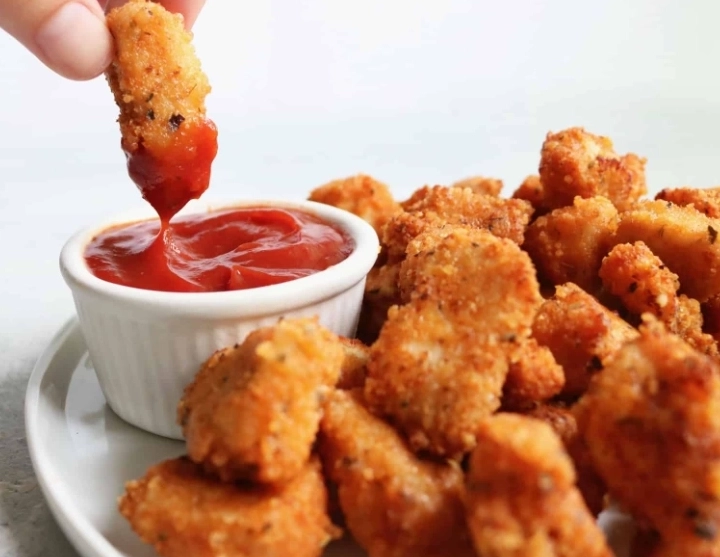
- Deep Frying (like in tenders): The game is over. A breaded and deep-fried chicken tender can easily contain 250-300 calories or more, more than doubling the base count from fat and breading.
- Simmering in Sauce: The tenderloin's calories don't change much, but you must account for the sauce. A creamy alfredo sauce can add 200+ calories per half-cup in a blink.
A Real-World Calorie Scenario: My Meal Prep Monday
Let me walk you through a typical batch I cook. I take 1 pound (16oz) of raw chicken tenderloin. Raw calories: ~530-580.
I marinate them in 2 tbsp of low-sodium soy sauce, juice of one lime, garlic, and a teaspoon of honey (maybe 30 extra calories total for the marinade, most of which drips off). I air-fry them at 400°F for 8-10 minutes with a 3-second spray of avocado oil.
After cooking, the batch weighs about 12oz. I divide it into 4 containers. Each container has ~3oz of cooked chicken. The calories per serving? Roughly 135-150, including the tiny bit of oil and marinade. That's my real, measured number, not a theoretical one from a database.
Building Delicious, Low-Calorie Meals Around Chicken Tenderloin
Knowing the calories in chicken tenderloin is pointless if you don't know how to eat it. Here are two concrete, macro-balanced meal ideas that keep the total plate under 400 calories.
Meal 1: The Speedy Lunch Bowl (385 calories)
- Base: 4oz cooked chicken tenderloin, sliced (180 cal)
- Complex Carb: 1/2 cup cooked quinoa (111 cal)
- Veggies: 1.5 cups mixed greens, cherry tomatoes, cucumber (25 cal)
- Healthy Fat & Flavor: 1/4 avocado, mashed with lime juice and cilantro as a dressing (80 cal)
- Method: Cook the tenderloin with just salt, pepper, and paprika. Toss everything in a bowl. The creamy avocado makes it feel indulgent without a heavy dressing.
Meal 2: High-Protein Stir-Fry (395 calories)
- Protein: 5oz raw chicken tenderloin, cut into chunks (165 cal)
- Veggies: 2 cups broccoli florets, bell peppers, snap peas (70 cal)
- Sauce: 1 tbsp low-sodium soy sauce, 1 tsp grated ginger, 1 clove garlic, 1/2 tsp sesame oil (45 cal)
- Side: 1/2 cup cooked brown rice (108 cal)
- Method: Use a non-stick wok or pan. Stir-fry the chicken until cooked, remove. Stir-fry veggies with a splash of water. Add back chicken and sauce, toss. Serve over rice. The tiny amount of sesame oil goes a long way for flavor.
Common Mistakes That Inflate Calories (And How to Avoid Them)
After years of coaching, I see the same errors repeatedly.
Mistake 1: Eyeballing Portions. A "handful" of tenderloins can vary by 3-4 ounces. That's a 100+ calorie swing. Use a $15 digital kitchen scale for a month. It's a game-changer. You'll learn what 4oz raw looks like and can then eyeball more accurately.
Mistake 2: Assuming "Grilled" Always Means Lean. Restaurant grilled chicken is often brushed liberally with oil or butter during and after cooking to keep it moist and shiny. Don't be afraid to ask for it dry-grilled.
Mistake 3: Overlooking the Marinade Soak-Up. An oil-based marinade can add significant calories if the meat sits in it for hours. Use acidic bases (vinegar, citrus, yogurt) with herbs and spices. If you use oil, limit it to a teaspoon per serving and pat the meat dry before cooking.
Mistake 4: Choosing the Wrong Cut by Accident. Sometimes, what's labeled "chicken tenders" at the store are actually breaded and pre-fried. Always check the ingredients. You want the package that says "chicken tenderloin" with nothing else added.
Your Questions, Answered
Does marinating chicken tenderloin add a lot of calories?
It depends entirely on the marinade. A marinade of vinegar, lemon juice, garlic, and herbs adds negligible calories—maybe 5-10 per serving. A marinade heavy in oil, honey, or sugary sauces can add 50-150 calories. The key is that most of the marinade is discarded before cooking. To minimize calorie addition, use a zip-top bag, ensure the meat is coated but not swimming, and pat it dry with a paper towel before it hits the pan.
How do calories in chicken tenderloin compare to chicken breast?
They are nearly identical per ounce. Chicken breast might be microscopically leaner, but we're talking a difference of maybe 5-10 calories per 3oz serving. The main practical difference is size and texture. Tenderloins are smaller, cook faster, and are more tender, which makes them less prone to drying out—a major win for weeknight cooking. Choose based on convenience and price, not a negligible calorie difference.
I'm in a weight loss plateau. Could hidden calories in my chicken prep be the reason?
It's a common culprit. People often track "grilled chicken" as 120 calories in their app, but forget the cooking oil (50 cal), the marinade (30 cal), and the sauce they used for dipping (100+ cal). That "120-calorie" protein is suddenly 300. For two weeks, try this: weigh your raw tenderloins, use only dry spices or low-cal marinades, and cook them using an air fryer or grill pan with a measured amount of oil spray. Log every single additive. You might find your hidden 200 daily calories right there.
Is frozen chicken tenderloin less nutritious or higher in calories than fresh?
No, frozen plain chicken tenderloin is nutritionally equivalent to fresh. It's flash-frozen at peak freshness. The calorie count is the same. The critical thing to check is the ingredient list. Avoid frozen products with added solutions, sodium phosphates, or flavorings, as these can add sodium and sometimes a tiny amount of sugar, but the calorie impact is minimal. The convenience of frozen can prevent food waste, making it a smart choice.
What's the best way to cook chicken tenderloin to maximize flavor without adding calories?
My go-to method is a quick dry brine and high-heat sear. Pat the tenderloins dry, sprinkle with salt (and any other dry spices like smoked paprika, garlic powder, onion powder) at least 15 minutes before cooking. This draws out moisture and allows the salt to penetrate, seasoning it deeply. Then, cook it in a screaming hot, dry non-stick or well-seasoned cast-iron skillet for 60-90 seconds per side. You get a fantastic browned crust (the Maillard reaction) and juicy interior with zero added fat. Finish with a squeeze of fresh lemon or lime. Flavor explosion, calorie count untouched.
So, there you have it. The calories in chicken tenderloin are a fantastic starting point for a healthy diet, but they're just the beginning. By understanding how weight changes, how cooking methods transform it, and by avoiding the common sauce and oil traps, you can make this lean protein a reliable, delicious cornerstone of your nutrition. Don't just count the calories—master them.
Related Articles