The Ultimate Guide to Roasting a Perfect Chicken in Your Oven
You bring home a beautiful whole chicken, full of hope. An hour and a half later, you pull out something... disappointing. The skin is pale and flabby in spots, burnt in others. The breast meat tastes like sawdust, while the thighs are somehow still pink near the bone. Sound familiar? I’ve been there more times than I care to admit. The truth is, roasting a chicken seems simple, but that simplicity hides a dozen little details that make the difference between a mediocre meal and a masterpiece. After years of trial, error, and consulting with butchers and chefs, I’ve nailed down a method that works every single time. Forget the complicated brines and fancy gadgets. Let's talk about the real, actionable steps.
What You'll Find in This Guide
The One Mindset Shift You Need Before You Start
Stop thinking of your chicken as one piece of meat. It's not. It's two different animals welded together. The breast is lean, delicate, and cooks fast. The legs and thighs are dark, fatty, connective tissue-rich, and need more time. Your entire mission is to get them both to their ideal doneness at the same moment. Most home cooks fail because they treat the chicken uniformly. They blast it at one high temperature, sacrificing the breast to save the thighs, or vice versa. The key is a strategy that accounts for this difference from the start.
Your Foolproof, Step-by-Step Roasting Process
Follow these steps in order. Don't skip the boring ones.
Step 1: The Prep Work (The Day Before or Morning Of)
Remove the chicken from its packaging. Reach inside the cavity and pull out any neck, giblets, or pads of fat. Pat the entire bird extremely dry with paper towels, inside and out. This is non-negotiable. Wet skin steams; dry skin roasts and crisps. Place it on a plate, uncovered, in the fridge for at least 4 hours, preferably overnight. This air-dries the skin further. It’s like a mini dry-brine without the salt.
Step 2: Seasoning & Trussing (1 Hour Before Cooking)
Take the chicken out of the fridge an hour before cooking. Let it come closer to room temperature—this promotes even cooking. Season aggressively. Don't just sprinkle salt on top. Lift the skin over the breast and rub salt and pepper directly onto the meat. Do the same in the cavity and all over the outside. Be generous. For a 4-pound chicken, I use about 1.5 tablespoons of kosher salt total.
Trussing (tying the legs together) is optional but recommended. It creates a compact shape that cooks evenly. You don't need fancy butcher's twine; just tuck the wingtips behind the shoulders and tie the legs together with any kitchen string.
Step 3: The Roasting Setup
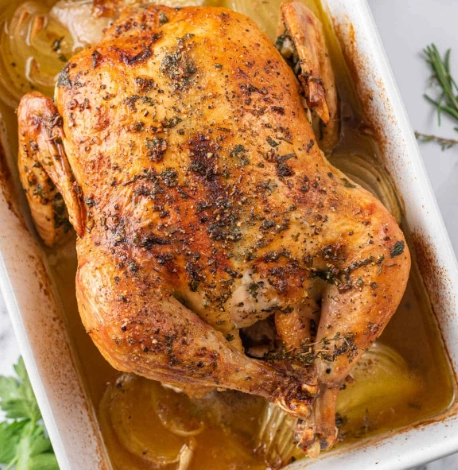
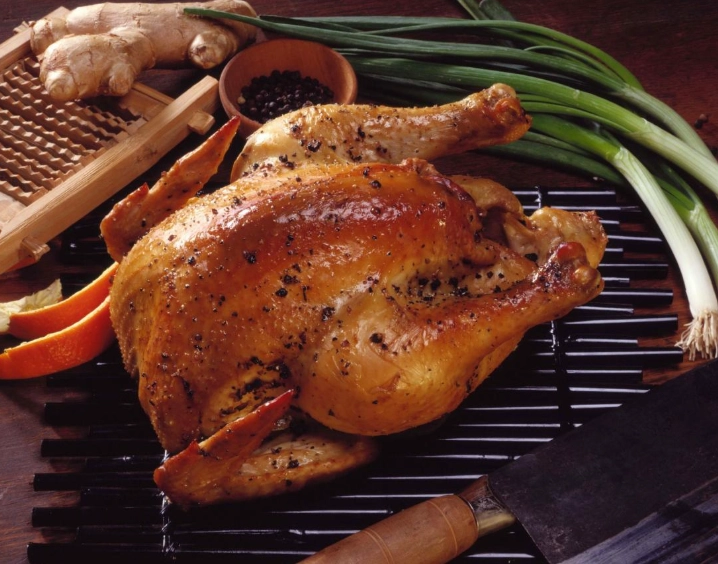
Preheat your oven to 450°F (230°C). Yes, that's high. Place a rack in the middle. Don't use a deep roasting pan. Use a rimmed baking sheet or a shallow roasting pan. Place the chicken directly on the oven rack, with the baking sheet on the rack below to catch drips. This allows hot air to circulate all around the bird, browning it evenly. If this feels too daring, place the chicken on a wire rack set inside the baking sheet.
Step 4: The Two-Stage Cook & Rest
Roast at 450°F for 25-30 minutes. This initial blast sets the skin and starts the browning. Then, without opening the door, reduce the oven temperature to 375°F (190°C). Continue roasting until done. How long? See the table below.
When you think it's done, use an instant-read thermometer. Insert it into the thickest part of the thigh, not touching bone. It should read 165°F (74°C). The breast should be around 155-160°F (68-71°C)—it will carry over to 165°F while resting.
Here’s the most important step after cooking: Let it rest. Transfer the chicken to a cutting board and tent it loosely with foil. Let it sit for 20-25 minutes. This allows the frantic juices to relax back into the meat fibers. If you cut it open now, all that precious moisture will end up on the board, not in your mouth.
The Critical Temperature & Timing Cheat Sheet
Ovens vary, but weight is your best guide. This table assumes starting at 450°F for 25 mins, then finishing at 375°F. Always use a thermometer to confirm.
| Chicken Weight | Approx. Total Time (incl. initial blast) | Internal Temp (Thigh) | Key Visual Cues |
|---|---|---|---|
| 3 - 3.5 lbs (1.4-1.6 kg) | 50 - 65 minutes | 165°F / 74°C | Juices run clear, legs wiggle freely |
| 4 - 4.5 lbs (1.8-2 kg) | 65 - 80 minutes | 165°F / 74°C | Deep golden brown skin |
| 5 - 6 lbs (2.3-2.7 kg) | 80 - 95 minutes | 165°F / 74°C | May need foil tent over breast last 20 mins |
3 Expert Secrets No One Talks About
These aren't in most recipe blogs. They come from fixing my own mistakes.
- Secret #1: The Spoon-Baste for Crispier Skin. After the initial high-heat blast, you'll see fat and juices pooling in the cavity. Carefully tilt the chicken (use tongs and a spoon) and spoon that hot fat over the breast and legs. Do this once or twice during cooking. It's like frying the skin from above with its own fat.
- Secret #2: The Vegetable "Rack" Hack. If you don't have a wire rack, chunk up a couple of onions, some carrots, and celery into big pieces. Scatter them in the pan and place the chicken on top. They elevate the bird for airflow and absorb flavor, becoming an incredible side dish.
- Secret #3: The "Reverse Sear" for Picky Eaters. If your family hates any hint of pink near the joints, start the chicken at the lower temperature (375°F) until it's almost done, then crank the heat to 450°F for the last 10-15 minutes to crisp the skin. It's less foolproof for juicy breasts, but it guarantees no pinkness.
Your Top Roasting Questions, Answered
Roasting a perfect chicken isn't about one magic trick. It's a series of small, intentional choices: drying the skin, seasoning thoroughly, managing heat, and being patient. It’s a foundational skill that, once mastered, gives you a spectacularly impressive and deeply satisfying meal with minimal active work. The next time you see a whole chicken at the store, grab it with confidence. You’ve got this.
Related Articles